


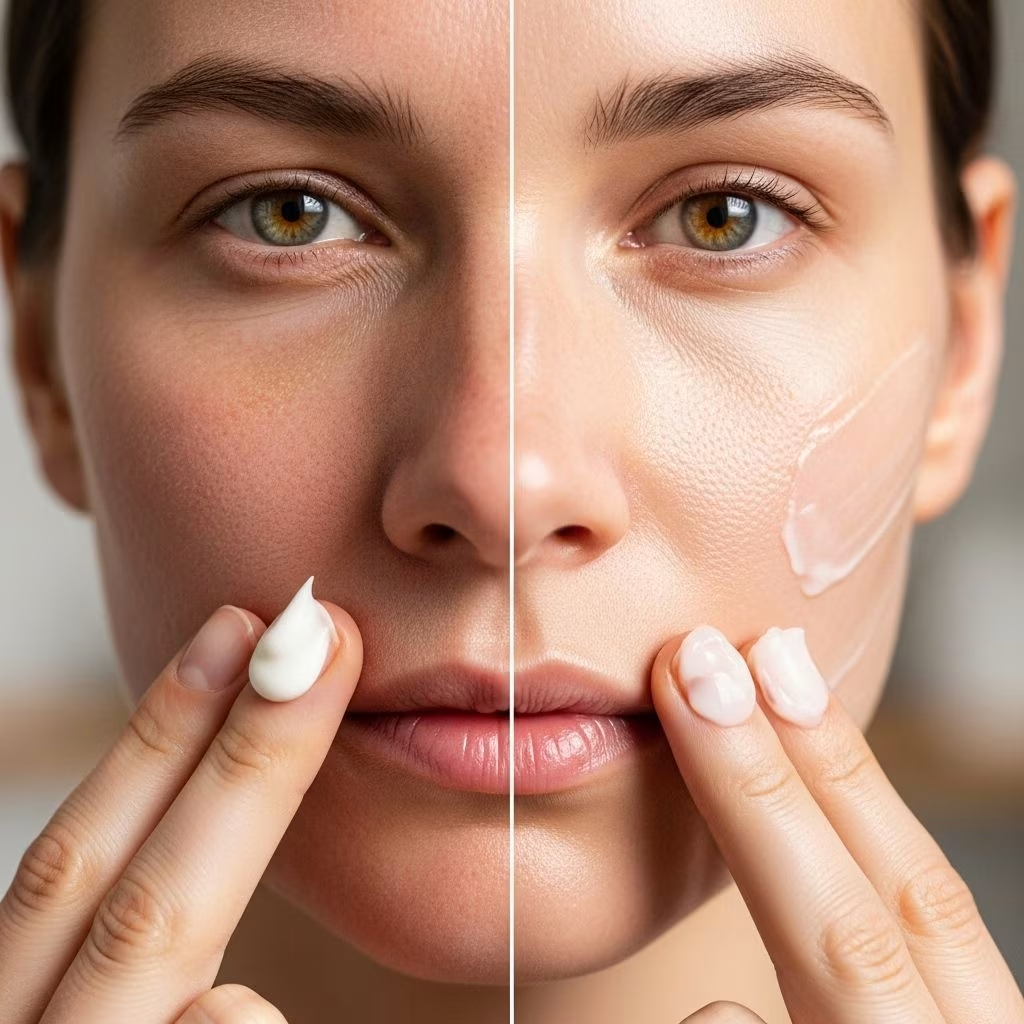
Recurring, unforgiving winds can easily transform even healthy skin into a vulnerable, irritated, or cracked state. Understanding the distinct roles and benefits of emollients and occlusives—and knowing how to layer or combine them—is essential for maintaining a resilient, healthy barrier against environmental extremes. This in-depth guide explains their differences, topical uses, key ingredients, selection strategies, and advanced care routines for anyone exposed to harsh wind.
Understanding the Skin Barrier and Wind Damage
The skin barrier—made up of cells, lipids, and proteins—serves as the body’s first defense against environmental threats, from pollutants to weather extremes. Wind, especially when cold and dry, accelerates transepidermal water loss (TEWL), strips away natural oils, increases redness and irritation, and can cause painful chapping and microcracks.
- Symptoms of wind-damaged skin: Flaking, burning, tightness, redness, visible cracks, increased sensitivity.
- Why wind exposure is harsh: Wind pulls moisture directly from the surface and can enhance evaporation due to drop in ambient humidity and direct mechanical stress on the stratum corneum (top skin layer).
A two-pronged approach—softening and restoring the skin with emollients, and locking in that benefit with occlusives—forms the foundation for resilient, wind-resistant skin.
What Are Emollients?
Emollients are skin-care agents whose primary function is to soften, smooth, and repair the skin by filling microscopic gaps between corneocytes (skin cells) in the outer layer. By improving skin’s texture and pliability, they contribute to a more flexible, less brittle barrier.
- Work by replenishing lipids (fats) in the skin, emulating natural moisturizing factors.
- Can help rebuild and strengthen a compromised skin barrier.
- Have a lighter, more spreadable texture than many occlusives, often imparting a silky or velvety feel.
When to use emollients: After wind exposure to soothe tight, rough, or flaky skin, or before occlusives to anchor hydration and comfort.
Major Emollient Ingredients
- Plant oils: Jojoba oil, coconut oil, sunflower seed oil
- Synthetic/fatty esters: Isopropyl palmitate, caprylic/capric triglyceride
- Shea and cocoa butter
- Squalane (plant-derived or shark-sourced hydrocarbon)
- Colloidal oatmeal
Emollients can double as mild occlusives, depending on their chemical structure and concentration.
What Are Occlusives?
Occlusives are the heavyweight defenders of skin hydration. They create a physical barrier on the surface of the skin, trapping water inside and preventing its loss to the environment, especially in the face of wind-induced dehydration.
- Form a shield-like coating over skin.
- Tend to be thicker, heavier, and sometimes sticky.
- Offer exceptional protection for skin already compromised by the elements or for those with naturally dry, sensitive, or mature skin.
When to use occlusives: Immediately after applying hydrating or emollient products, especially overnight, or before heading outdoors in severe wind to fortify the barrier.
Major Occlusive Ingredients
- Petroleum jelly (petrolatum): Gold standard; prevents up to 99% water loss.
- Mineral oil, paraffin, and liquid paraffin
- Beeswax, lanolin, and other natural waxes
- Silicones (e.g., dimethicone, cyclopentasiloxane)
- Heavy plant butters
Occlusives are often best for targeted, localized care (cheeks, nose, lips) rather than all-over facial use, especially for oily or acne-prone skin.
| Feature | Emollients | Occlusives |
|---|---|---|
| Primary Function | Soften and smooth skin Fill micro-gaps between cells | Lock in moisture Create a barrier on the surface |
| Main Ingredients | Plant/synthetic oils, squalane, butters, fatty esters | Petrolatum, mineral oil, beeswax, lanolin, silicones, waxes |
| Texture | Light to medium, non-sticky, spreadable | Thick, heavy, occasional stickiness |
| Best For | Rough, flaky, chapped skin, daily barrier replenishment | Very dry, cracked, wind-burned skin, extreme barrier protection |
| Typical Use | First or middle step, under occlusives | Last step in skin care, targeted areas or full face in extremes |
How Emollients and Occlusives Work in Windy Conditions
In dry, windy climates, water loss from skin is rapid and the replenishment rate is minimal. This environment sets the stage for:
- Accelerated dehydration: Without intervention, skin loses moisture faster than it can be replaced, stressing the barrier and increasing sensitivity.
- Structural damage: The stratum corneum loses flexibility, resulting in microcracks and inflammation.
Emollients are crucial for restoring the “mortar” between skin cells and soothing immediate tightness. Occlusives, by physically blocking evaporation, give skin a chance to heal and restore itself more efficiently, especially overnight or when exposure to wind can’t be avoided.
Key Ingredients: Emollients vs. Occlusives
| Type | Common Ingredients | Typical Products |
|---|---|---|
| Emollient | Shea butter, squalane, jojoba oil, oat kernel extract, triglycerides | Daily moisturizing creams, hydrating face oils |
| Occlusive | Petrolatum, mineral oil, lanolin, beeswax, silicones | Ointments, healing balms, heavy night creams |
Some products are formulated with both emollient and occlusive ingredients for maximum benefit, particularly in formulas targeting wind chapping, winter skin, or eczema flare management.
Choosing the Right Products for Severe Wind
When selecting skin care for severe wind exposure, consider:
- Your skin type:
If you have oily or acne-prone skin, opt for lighter emollient oils or non-comedogenic ointments like dimethicone. Dry, flaky, or sensitive skin will benefit most from richer emollient and classic occlusive formulas. - Severity of damage:
For mild tightness or flaking, a hydrating emollient may suffice. For visibly cracked, red, or peeling skin, layer a heavy occlusive atop. - Duration of wind exposure:
If you’re outdoors for long hours, repeated reapplication of protection is critical.
Look for:
- Alcohol- and fragrance-free options to avoid further irritation
- Hypoallergenic, dermatologist-tested products in case of skin sensitivity
Step-by-Step Care Routine for Wind Exposure
Follow this routine before, during, and after severe wind exposure to maintain and restore your skin barrier:
- Gentle cleansing:
Use a cream or oil-based cleanser, avoiding harsh soaps or exfoliants. - Apply a hydrating serum (optional):
If humidity is moderate, a humectant (like hyaluronic acid) can attract extra water; always seal with an emollient or occlusive in low humidity. - Use an emollient moisturizer:
Massage in a lipid-rich cream or oil to soften and soothe. Pay special attention to cheeks, nose, chin, lips, and backs of hands—these get the most wind exposure. - Seal with an occlusive:
Layer a thin film of occlusive ointment or balm over vulnerable areas. If you have active acne, spot-treat only the driest, most exposed spots. - Reapply as needed:
When outdoors, refresh both steps when skin feels tight or after further wind exposure.
For overnight repair, “slugging” (applying a whole-face occlusive layer) can allow extreme recovery in times of crisis, but isn’t suggested nightly for those with oily or acne-prone skin.
Emollients and Occlusives: Should You Combine Them?
Layering emollients and occlusives is often the most effective routine for wind-battered skin. This mirrors how dermatologists support recovery in eczema or contact dermatitis:
- Apply a lipid-rich emollient to restore and soften the barrier
- Follow with a suitable occlusive to lock in the results, minimizing evaporation
For many, this combined regimen means less frequent skin cracking, reduced redness, and more rapid post-exposure recovery.
Special Tips for Certain Skin Types and Conditions
- Eczema-prone skin: May require prescription-strength barrier creams; always opt for unscented, minimal-ingredient formulas.
- Lips: Use a dedicated balm that’s both emollient and occlusive. Avoid lanolin if allergic, and consider beeswax-based balms.
- Acne-prone skin: Spot-apply occlusives or choose dimethicone-based formulas. Avoid petrolatum on the whole face if breakouts are frequent.
- Elderly or mature skin: Opt for richer emollients, as natural lipid production declines with age.
- Outdoor athletes: Apply a thick occlusive barrier before activity; reapply during breaks, and use emollient-rich recovery creams afterward.
Frequently Asked Questions (FAQs)
What is the main difference between emollients and occlusives?
Emollients restore softness by filling gaps in the skin barrier; occlusives create a physical seal preventing water loss, acting as a surface shield.
Can I use emollients and occlusives at the same time?
Yes; for best results, apply emollients first to repair and hydrate, then top with an occlusive to lock in moisture and protect against wind.
Are petroleum jelly and mineral oil safe for wind-exposed skin?
Both are highly effective, inert, and non-comedogenic (don’t clog pores), but those with acne may prefer silicone-based occlusives or lighter emollients.
How often should I reapply protection when outdoors in strong wind?
Reapply at least every 2–4 hours, or whenever skin feels dry or tight, especially after eating, drinking, or sweating.
Will layering these products feel greasy?
Occlusives can feel heavy, especially in quantity; use a thin layer on necessary areas. Experiment with different formats (gels, balms, ointments) to find your comfort zone.
Final Thoughts
The synergy between emollients and occlusives is the key to preventing and repairing wind-induced skin damage. By understanding their unique actions and tailoring your routine—especially when environmental exposure is unavoidable—you can maintain resilient, comfortable, and healthy skin all year round.
References
- https://www.botniaskincare.com/blogs/field-notes/botnia-explains-occlusives-vs-emollients-vs-humectants
- https://cris.msu.edu/news/exploring-ingredients/exploring-ingredients-occlusives-emollients/
- https://www.dermacaredirect.com/advice/what-is-the-difference-between-an-emollient-humectant-and-occlusive
- https://freeagentskincare.com/blogs/news/whats-the-difference-between-a-humectant-emollient-and-occlusive-and-which-do-i-need
- https://eightsaintsskincare.com/blogs/page-eight/emollients-humectants-and-occlusives-here-s-what-they-are-and-how-to-use-them
- https://stackedskincare.com/blogs/blog/understanding-your-moisturizer-humectants-occlusive-ingredients
- https://us.gotoskincare.com/blogs/the-go-to-guide/the-three-types-of-moisturisers-humectants-occlusives-emollients
- https://cheboclinic.com/en-us/blogs/honest-correct-skincare-education/whats-the-difference-between-occlusives-humectants-and-emollients
- https://www.revivalabs.com/understanding-the-difference-emollients-humectants-and-occlusives/


