


Introduction
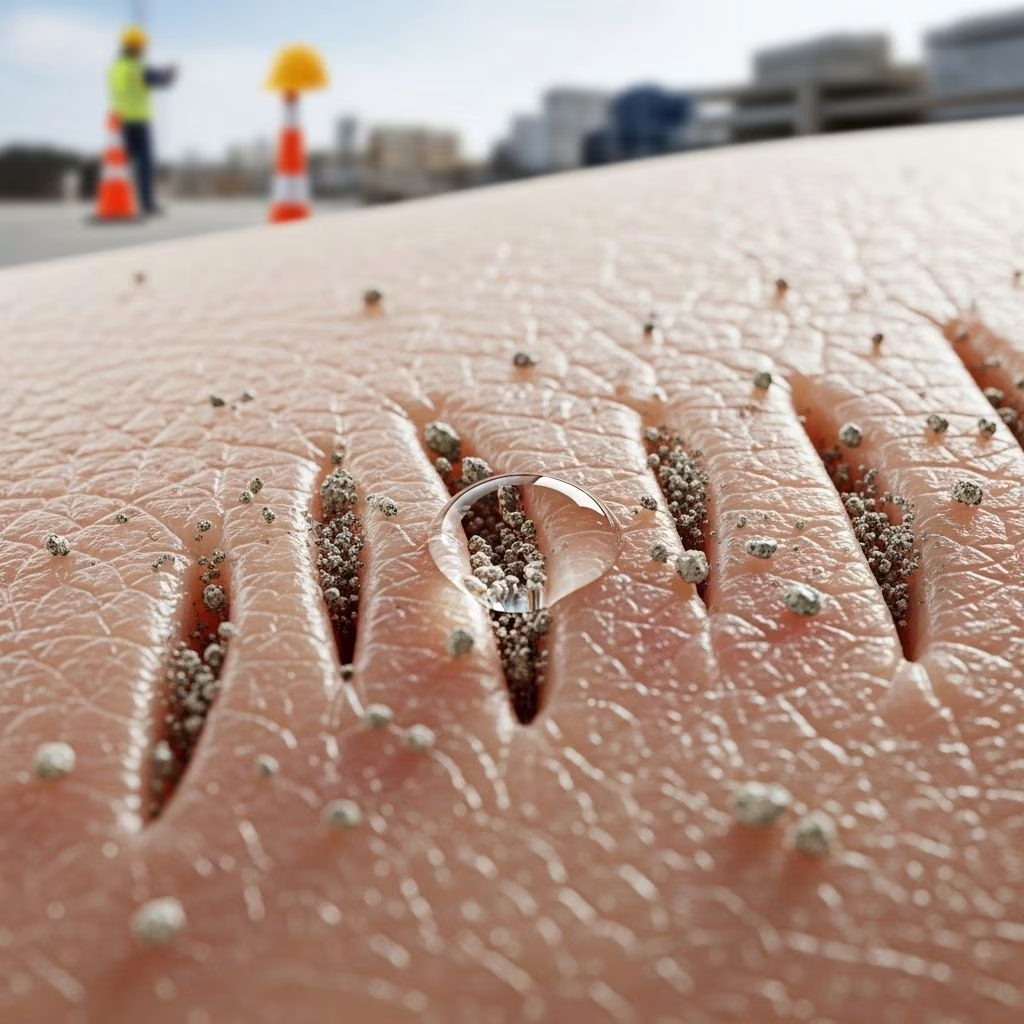
Construction dust is a ubiquitous hazard in urban environments, impacting not only respiratory health but also skin condition. While attention often focuses on lung diseases and workplace safety, the skin—our largest organ—is on the front line of exposure, especially for those living or working near construction activities. This article examines how construction dust affects pores and skin health, the mechanisms of clogging and irritation, and the best practices for maintaining clear, healthy skin in dusty environments.
What Is Construction Dust?
Construction dust refers to a mix of fine particles produced by activities like demolition, drilling, grinding, and mixing cement on job sites. These can include:
- Crystalline silica
- Cement dust
- Masonry dust
- Gypsum powder
- Wood and paint particulates
Such particles vary by size but often include PM10 and PM2.5 (particulate matter less than 10 and 2.5 microns, respectively). These sizes are significant because smaller particles can penetrate deep into human tissue—including the skin—causing acute and chronic health effects.
How Construction Dust Interacts with Skin and Pores
Human skin provides an effective barrier against many environmental agents, yet dust particles—especially fine, chemically active varieties—can lodge on the skin’s surface, enter pores, and mix with natural oils (sebum and sweat). The result? Clogged pores, increased risk of acne, and accelerated inflammatory reactions.
- Physical Lodging: Dust settles and adheres to skin, especially in oily or sweaty areas.
- Chemical Reactivity: Ingredients in cement and silica may react with skin moisture, intensifying irritation or corrosion.
- Pore Obstruction: Dust combines with sebum, creating physical and chemical blockage that traps bacteria.
Types of Skin Problems Caused by Dust
| Skin Issue | Dust-Related Cause | Symptoms |
|---|---|---|
| Clogged Pores (Acne) | Physical obstruction by dust and sebum | Blackheads, whiteheads, inflamed pimples |
| Eczema & Dermatitis | Chronic irritation and inflammation | Redness, itching, blistering |
| Hyperpigmentation | Inflammatory triggers in dust | Dark spots, uneven skin tone |
| Premature Aging | Oxidative stress from free radicals generated by pollutants | Fine lines, wrinkles, sagging |
| Skin Allergies | Allergic compounds such as hexavalent chromium | Rashes, itching, swelling |
Mechanisms of Clogging: Dust, Sebum & Barrier Dysfunction
Dust particles settle on skin, but the process by which they clog pores and cause visible problems includes several key mechanisms:
- Mixing with Sebum: Sebum is the natural oil produced by sebaceous glands. Dust mixes with sebum, forming plugs inside pore openings that block normal skin cell turnover.
- Reactive Oxygen Species (ROS) Production: Dust, especially particulate matter, generates free radicals, directly damaging skin cell membranes and proteins.
- Barrier Dysfunction: Oxidative damage and chemical irritants weaken the skin’s protective barrier, permitting further intrusions and loss of moisture.
- Inflammation Pathways Activation: Dust exposure activates inflammatory cascades, which increase pigmentation, prolong redness, and worsen existing skin conditions such as eczema and rosacea.
Urban Dust vs. Construction Dust: Differences and Overlaps
| Type | Sources | Chemistry | Key Skin Risk |
|---|---|---|---|
| Urban Dust | Vehicle exhaust, industrial smoke, pollen, soil | Heavy metals, hydrocarbons, particulates | Premature aging, hyperpigmentation, barrier dysfunction |
| Construction Dust | Demolition, cement mixing, masonry, cutting | Cement, silica, lime, gypsum, metallic particles | Clogged pores, dermatitis, chemical burns, allergies |
Although both forms of dust overlap in their effects, construction dust can be particularly damaging due to corrosive chemicals (like wet cement and silica) and high concentrations near worksites.
Common Signs of Dust-Related Skin Damage
- Persistent acne and breakouts: Result from clogged pores and trapped bacteria.
- Premature aging: Early appearance of wrinkles, sagging, fine lines.
- Redness and sensitivity: Chronic irritation and inflammation responses in exposed skin.
- Hyperpigmentation: Dark patches, uneven skin tone due to pollution-triggered pigment synthesis.
- Dryness and dehydration: Continuous exposure weakening the skin’s moisture barrier leads to flaky, uncomfortable skin.
- Allergic reactions: Rashes, itching, swelling, especially from chemical components of cement dust.
Effective Skincare Strategies for Dust Exposure
Preventing and minimizing the impact of construction dust on skin involves both proactive protection and corrective measures:
- Gentle Cleansing: Wash skin twice daily with a mild, non-stripping cleanser to remove dust, sebum, and pollutants.
- Barrier Protection: Use moisturizers that enhance barrier function and occlusives to shield against particulate matter.
- Antioxidants: Apply skincare products featuring vitamins C and E; these combat free radicals and repair oxidative damage.
- Sunscreen: Daily broad-spectrum SPF provides essential defense against UV rays and pollution synergy.
- Physical Barriers: Consider wearing protective clothing and masks when near active construction zones or dust-laden streets.
- Regular Exfoliation: Use gentle chemical exfoliants (like lactic acid or glycolic acid) to clear dead skin and prevent build-up in pores. Avoid harsh scrubs that can damage the barrier.
- Hydration: Look for humectants such as hyaluronic acid to restore water levels and prevent dehydration caused by barrier weakening.
Occupational Exposure: Construction Workers’ Skin Health
Workers on construction sites face heightened risks due to chronic, concentrated exposure to dust, chemicals, and harsh physical environments. Risks for these individuals include:
- Dermatitis and eczema from direct cement and silica exposure.
- Chemical burns from wet cement, especially when mixed with sweat or if left against the skin.
- Allergic reactions from chromium and other chemical additives in cement.
- Delayed healing of skin injuries due to compromised barrier function.
It is essential that occupational health guidelines emphasize both respiratory and skin protection, promote the use of PPE (personal protective equipment), and educate workers on safe hygiene practices.
Prevention and Protection: Practical Measures
- PPE (Personal Protective Equipment): Gloves, coveralls, and dust masks limit skin contact with dust.
- Prompt Washing: Rinse skin (and eyes) immediately after dust exposure to prevent reactions, especially after contact with wet cement.
- Workplace Hygiene: Regular cleaning of workspaces, tools, and clothing reduces ongoing dust contamination.
- Barrier Creams: Specialized formulations create an additional defense on skin and can help prevent absorption of irritant chemicals.
- Hydration and Humidity Control: Keep skin well hydrated and maintain healthy humidity levels indoors to prevent drying and barrier weakening.
Frequently Asked Questions
Q: How quickly can construction dust clog pores?
Exposure can clog pores within hours, especially in hot, humid conditions or if skin is not cleansed regularly. Chronic exposure compounds risk for persistent acne and irritation.
Q: Is cement dust more dangerous than general urban dust?
Cement dust contains chemically reactive compounds like silica and hexavalent chromium, making it more corrosive and allergenic than typical urban particulate matter. Protective measures are crucial for workers.
Q: Can dust exposure cause permanent skin damage?
Long-term exposure without adequate skincare and protection may result in permanent pigment changes, premature aging, and chronic dermatitis.
Q: Do air purifiers help protect skin from dust?
Air purifiers with HEPA filters can reduce indoor dust levels, providing indirect benefits for skin by lowering overall airborne pollutants.
Q: What ingredients are best for skin exposed to construction dust?
Antioxidants (vitamins C, E), barrier-repairing agents (ceramides, niacinamide), and broad-spectrum sunscreens are highly beneficial for skin exposed to construction dust.
Conclusion
Construction dust poses a multifaceted threat to skin health, from physical pore clogging to chemical irritation and chronic inflammation. Awareness of risks—and proactive measures—can make a substantial difference, whether you’re a city resident, a construction worker, or anyone frequently exposed to particulate matter. Consistent, science-backed skincare and workplace precautions remain critical to maintaining resilient, clear skin in an ever-expanding built environment.
References
- https://www.onlymyhealth.com/urban-dust-skin-effect-signs-and-treatment-1715850518
- https://greenductors.com/blog/air-quality/skin-allergy-to-dust/
- https://systemfanglobal.com/what-is-cement-dust/
- https://pmc.ncbi.nlm.nih.gov/articles/PMC7382801/
- http://www.osha.gov/training/library/silica/construction
- https://pmc.ncbi.nlm.nih.gov/articles/PMC8200167/
- https://phaseassociate.com/blog-post/health-risks-of-construction-dust/


