


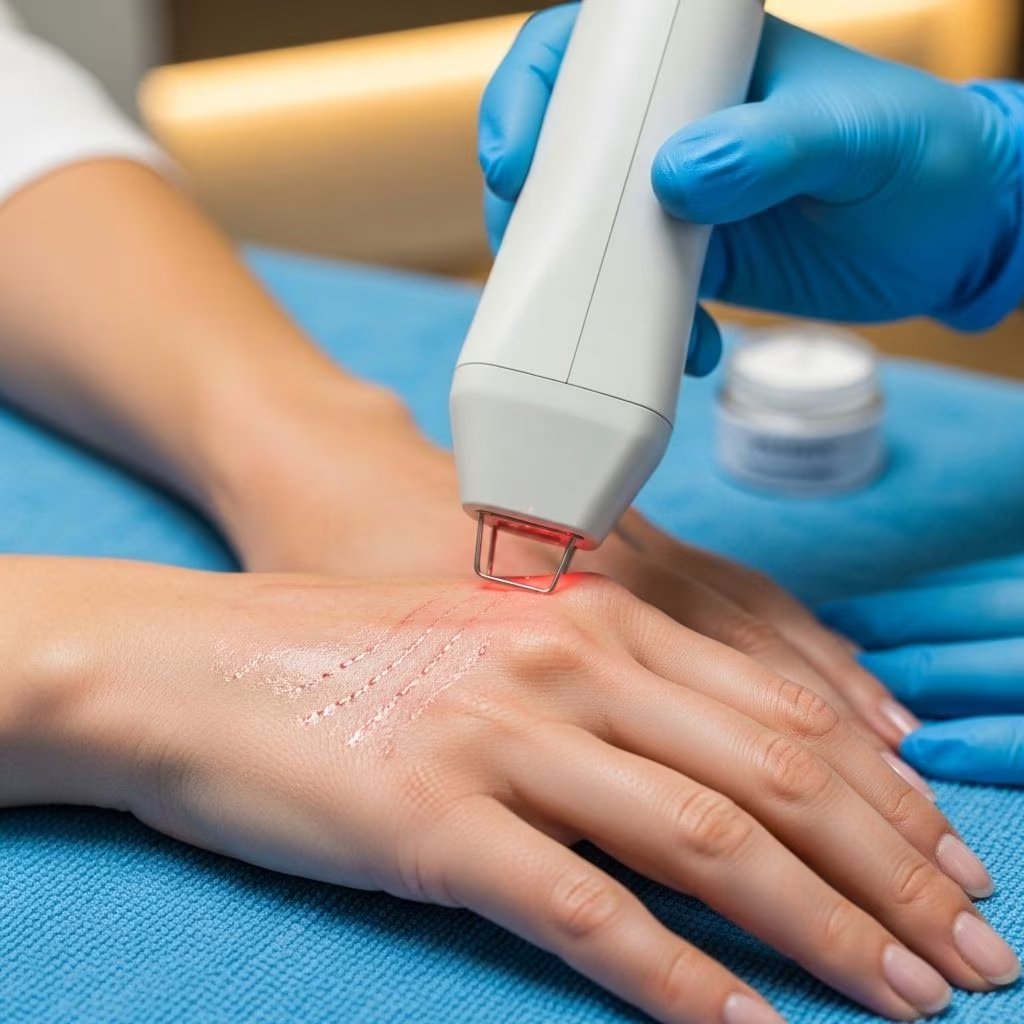
Erbium laser peels have transformed the way dermatologists address aging, sun-damaged, and pigmented skin on the hands. As this delicate area often betrays our age, meticulous preparation and diligent aftercare are crucial in achieving safe, effective, and natural-looking results. This comprehensive guide details evidence-based protocols for pre- and post-care specific to erbium laser resurfacing of the hands.
Introduction to Erbium Laser Resurfacing for Hands
Among cutting-edge skin rejuvenation options, the erbium laser peel stands out for its ability to treat superficial and moderately deep wrinkles, pigmentation, scarring, and sun-damaged skin, including on delicate areas such as the hands. The hands are frequently exposed to environmental aggressors, making them prone to early signs of aging and requiring targeted, gentle treatment.
Understanding Erbium Laser Technology
The erbium:YAG laser operates at a wavelength that targets water in skin cells, efficiently vaporizing damaged layers while stimulating collagen production in the dermis. Unlike CO2 lasers, erbium devices minimize collateral thermal injury, reducing post-procedural redness, swelling, and recovery time, making them ideal for the thin, sensitive skin characteristic of the hands.
- Key Benefits for Hands:
- Improves wrinkles and fine lines
- Reduces sunspots and hyperpigmentation
- Refines skin texture and tone
- Minimizes visible scars
- Stimulates natural collagen and elastin for firmer skin
- Recovery Timeline: Noticeable healing usually occurs in 7-14 days, depending on treatment depth and skin characteristics.
- Common Sensations: Expect mild discomfort, swelling, and pinkness immediately after the procedure, typically resolving within one to two weeks.
Ideal Candidates and Contraindications
Erbium laser resurfacing of the hands is suited for individuals seeking:
- Non-surgical hand rejuvenation
- Correction of sun-damaged, rough, or uneven skin
- Softening of age spots, lentigines, and mild to moderate wrinkles
- Improvement in superficial scars or textural irregularities
Contraindications may include patients who:
- Have active skin infections or open wounds on the hands
- Are prone to keloid formation
- Have severe autoimmune or healing disorders
- Are currently pregnant or breastfeeding (discuss with provider)
- Recently used isotretinoin (within 6–12 months)
- Cannot avoid sun exposure during the recovery period
Pre-Care Guidelines
Preparing for Consultation
- Bring a comprehensive list of medical conditions, medications, allergies, and history of skin treatments.
- Discuss current skincare routines, especially any use of retinols, AHA/BHAs, or bleaching agents.
- Mention prior laser treatments, chemical peels, or recent UV exposures.
Medications and Supplements
- Antivirals: If you have a history of herpes simplex (cold sores), preventive antiviral medication may be prescribed.
- Antibiotics: Prophylactic antibiotics may be considered for patients prone to bacterial infections.
- Stop blood thinners: Cease aspirin, NSAIDs, vitamin E, fish oil, or herbal supplements associated with bleeding risk 7–10 days prior, with physician approval.
Pre-Procedural Skin Preparation
- Avoid sun exposure and tanning beds for at least 2–4 weeks pre-procedure.
- Do not use retinoids, exfoliants, or bleaching agents for 5–7 days before treatment unless directed.
- Moisturize hands intensively and ensure no open cuts, rashes, or infections are present.
- Clean hands thoroughly without harsh soaps on procedure day; remove nail polish or jewelry.
Sun Protection
- Apply a broad-spectrum sunscreen (SPF 30+) daily to hands leading up to the procedure.
- Wear protective gloves or sleeves outdoors whenever possible.
Lifestyle Modifications
- Keep hydrated and ensure a balanced diet for optimal healing.
- Avoid alcohol and smoking in the week before treatment; both can impair healing and increase risk of complications.
| Step | Action | Timing |
|---|---|---|
| Medical Evaluation | Report conditions, medications, allergies | At consultation |
| Sun Avoidance | Cease sun exposure, wear SPF 30+ daily | 2–4 weeks before |
| Topicals Discontinued | Stop retinoids, acids, irritants | 5–7 days before |
| Supplements Ceased | No blood thinners, consult MD | 7–10 days before |
| Skin Cleansing | Gentle wash, no lotions or polish | Evening before and morning of |
| Hydration | Drink fluids, healthy diet | Week leading to procedure |
What to Expect on Procedure Day
- Arrive with clean, product-free hands.
- A topical anesthetic cream is typically applied; in some cases, local anesthetic injections may be used for deeper resurfacing.
- The procedure usually takes 15–60 minutes for both hands, depending on area and intensity.
- You may hear clicking sounds and feel a warm or prickling sensation.
- Treated hands are pink and may swell; a cooling gel or compress is applied immediately post-treatment.
- Hands may be dressed with protective ointments and/or gauze to shield fresh skin.
Immediate Post-Care Protocol
The first 24–48 hours after the erbium laser peel are vital to promote healing, minimize discomfort, and reduce risk of infection.
- Apply cold compresses or ice packs frequently to hands to reduce heat, swelling, and discomfort (20 minutes on, 20 minutes off as tolerated).
- Carefully follow your provider’s instructions for wound care and prescribed ointments, such as Cicalfate or petroleum jelly to maintain moisture.
- Keep hands clean and avoid submerging in water (e.g., dishwashing, baths) the first 48 hours.
- Do not pick, scratch, or rub the treated skin.
- Use only gentle cleansers, avoiding exfoliants or alcohol-containing products.
- Elevation may help reduce swelling; keep hands raised above heart when practical.
Ongoing Aftercare: First Days to Weeks
Days 3–7:
- Pinkness and mild swelling begin to resolve.
- Flaking or superficial peeling is normal as damaged skin sheds.
- Continue liberal use of healing ointments and avoid direct sun.
- Switch to fragrance-free, emollient-rich moisturizers as healing progresses.
Weeks 2–4:
- Residual redness fades gradually and new, healthy skin becomes more apparent.
- Light, non-comedogenic sunscreens can usually be started after crusting subsides.
- Reintroduce regular hand care products only after provider approval.
- Resume daily activities—other than harsh manual work—as tolerated.
| Post-Procedure Time | Expected Appearance | Care Steps |
|---|---|---|
| 0–2 days | Red, swollen, tender hands | Frequent cold packs; intensive moisturizing; strict hygiene |
| 3–7 days | Pink, flaking, tight skin | Continue ointments; gentle cleansing; sun avoidance |
| 1–3 weeks | Light pink, smoother skin | Switch to regular moisturizer; start sunscreen after crusting ends |
| 3+ weeks | Improved tone and texture, mild pinkness | Routine hand care, ongoing SPF use |
Managing Side Effects and Complications
Common, expected effects include:
- Pinkness/redness, which fades after a few weeks
- Mild swelling and tight sensation
- Flaking and shedding of superficial skin layers
- Mild itching or tingling as new skin forms
If these occur, contact your provider promptly:
- Prolonged severe redness (>2 weeks without improvement)
- Yellow or green drainage, increased pain, or foul odor (signs of infection)
- Blistering or unexpected crusting
- New or worsening pigmentation changes
- Signs of allergic reaction (hives, swelling elsewhere, breathing difficulties)
Tips to Enhance and Prolong Results
- Use daily broad-spectrum SPF sunscreen (30+), even after all pinkness resolves.
- Moisturize hands year-round with products containing ceramides, hyaluronic acid, or squalane.
- Wear gloves during household chores and gardening to prevent trauma and irritation.
- Follow a healthy lifestyle—smoking cessation, balanced diet, proper hydration.
- Consider periodic maintenance peels or adjunctive treatments (e.g., chemical peels, topical antioxidants) as recommended by your dermatologist.
- Schedule regular dermatological checkups to monitor progress and adjust aftercare.
Frequently Asked Questions (FAQs)
How soon will I see results from an erbium laser peel on my hands?
Initial improvement in skin texture and tone are often noticeable after 1–2 weeks, with continued enhancements over 1–3 months as collagen is remodeled and pigmentation evens out.
Can erbium laser resurfacing be repeated on the hands?
Yes, multiple sessions may be spaced several months apart if deeper or more persistent issues remain; consult your provider for a tailored plan.
Is the procedure painful?
Most patients experience only mild discomfort due to effective topical/local anesthesia and immediate post-procedure cooling. Pain is minimal compared to deeper, more aggressive lasers.
Are there any risks of scarring or pigmentation changes?
While risks are low, improper aftercare, infection, or sun exposure during healing may cause temporary or, rarely, permanent pigment changes or scarring, particularly in sensitive or darker skin types. Strict adherence to post-care instructions minimizes these risks.
How long does recovery take? When can I use my hands normally again?
Most patients return to light activities within 3–7 days, with complete healing and return to normal texture achieved over 2–4 weeks. Avoid strenuous manual tasks, exposure to chemicals, or direct sun until new skin matures.
Summary
The hands, as windows to age and overall health, can benefit significantly from erbium laser resurfacing. By strictly observing comprehensive pre- and post-care guidelines, patients maximize their likelihood of smooth recovery, minimized risks, and youthful, rejuvenated hands. Always consult with a board-certified dermatologist or laser specialist for individualized protocols tailored to your unique skin needs.
References
- https://www.advanceddermatologypc.com/service/erbium-laser-skin-resurfacing/
- https://www.thedermaclinique.com/lasers/erbium-laser-resurfacing/
- https://www.rodeoderm.com/erbium-laser-resurfacing-face-neck-chest-hands/
- https://www.usdermatologypartners.com/services/cosmetic-dermatology/erbium-laser-resurfacing/
- https://my.clevelandclinic.org/health/treatments/11015-laser-skin-resurfacing
- https://pubmed.ncbi.nlm.nih.gov/10594593/
- https://sfderm.com/erbium-laser/
- https://feinsteindermatology.com/care-instructions/erbium-laser/


