


Introduction
Choosing the right sandbox for your children is more than just picking a spot for outdoor fun—it involves careful consideration of materials, safety, maintenance, durability, and how well the sandbox fits into your backyard’s aesthetic. The two most popular options are wooden and plastic sandboxes, each with unique advantages and potential drawbacks. This comprehensive review and comparison will guide parents through the key factors to consider, helping you make an informed decision.
Material Properties
Sandboxes come in a variety of materials, but wood and plastic are the most common. Each material offers distinct characteristics that affect longevity, appearance, and maintenance needs.
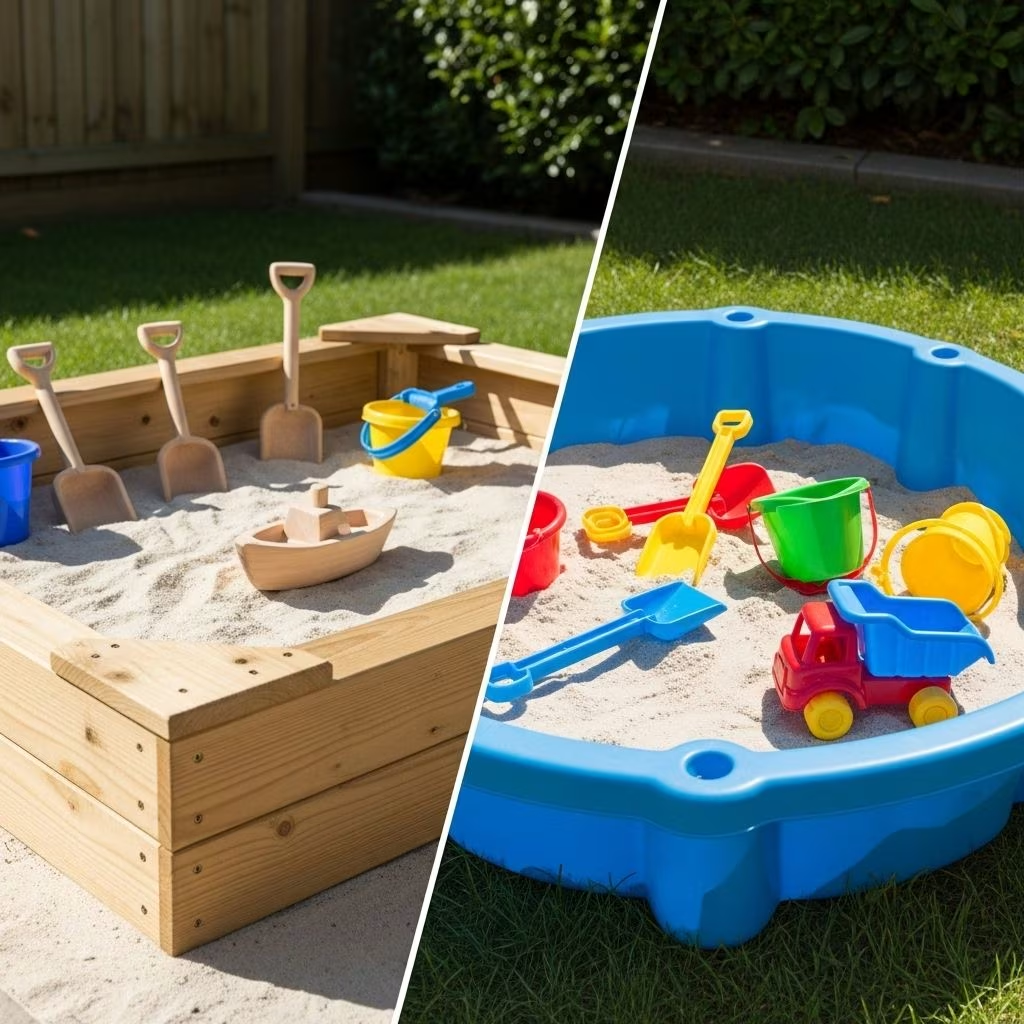
- Wood: Typically constructed from cedar, fir, spruce, or pressure-treated lumber, wooden sandboxes exude a natural, classic look that blends seamlessly into garden settings. They are sturdy, heavy, and can be built in virtually any shape or size, including custom designs. However, wood is susceptible to weathering, splintering, and rot if not properly maintained.
- Plastic: Usually made from high-density polyethylene (HDPE) or other durable plastics, plastic sandboxes are lightweight, easy to assemble, and portable. They are resistant to moisture, insects, and fading, and often feature bright, playful colors. Recycled plastic options are also available, offering environmental benefits. Plastic is less prone to splintering but can become brittle or crack in extreme temperatures.
There are also composite options, which blend wood fibers with plastic for enhanced durability and a natural appearance, though these are less common in mass-market products.
Wooden Sandbox: Pros & Cons
Pros
- Natural Aesthetic: Wood offers a timeless, attractive look that complements most outdoor spaces and gardens.
- Durability: High-quality wooden sandboxes, especially those made from weather-treated or rot-resistant woods, can be quite sturdy and long-lasting.
- Customization: Wood allows for easy customization in terms of size, shape, and added features like seats or built-in storage.
- Stability: Wooden sandboxes are generally heavier, making them less likely to tip over or be moved by children during play.
- Benches and Covers: Many wooden models include built-in benches or adjustable covers that double as sunshades, enhancing comfort and safety.
Cons
- Maintenance: Wood requires regular maintenance, including annual sealing, painting, or staining to protect against weathering, rot, and insect damage.
- Splinter Risk: If not properly sanded and maintained, wooden edges can become rough, posing a splinter risk to children.
- Weight and Assembly: Wooden sandboxes are heavier and often require more assembly time and effort compared to plastic models.
- Lifespan: Even with maintenance, wood typically lasts 10–15 years before showing significant wear.
- Potential Chemical Exposure: Pressure-treated lumber may contain chemicals, so parents should opt for untreated or child-safe treated wood.
Plastic Sandbox: Pros & Cons
Pros
- Low Maintenance: Plastic sandboxes require virtually no maintenance—no painting, sealing, or sanding needed.
- Durability: High-quality plastic sandboxes can last over 50 years, resisting rot, insects, and moisture with minimal upkeep.
- Safety: Plastic does not splinter and is generally smoother, reducing injury risk. Recycled plastic options are non-toxic and free from harmful chemicals.
- Portability: Lightweight and easy to move, plastic sandboxes are ideal for families who may relocate or rearrange their outdoor space.
- Easy Assembly: Most plastic sandboxes snap together quickly and require minimal tools, making setup a breeze.
- Weather Resistance: Plastic withstands sun, rain, and cold, often featuring UV protection to prevent fading.
Cons
- Aesthetics: Plastic may look artificial or less attractive compared to natural wood, potentially clashing with garden aesthetics.
- Brittleness: Cheaper or thinner plastics can crack or become brittle in extreme heat or cold, shortening their lifespan.
- Weight Capacity: Some lightweight plastic models may not be suitable for larger children or rough play.
- Cover Challenges: Certain designs require removing seats to fit the cover, which can be inconvenient.
- Environmental Impact: Unless made from recycled materials, plastic sandboxes contribute to plastic waste and may not be biodegradable.
Durability & Lifespan
Durability is a critical factor for any outdoor play equipment. Here’s how wood and plastic compare:
- Wood: Treated wooden sandboxes typically last 10–15 years with proper maintenance. Untreated wood may degrade faster, especially in humid or wet climates. Cedar and redwood offer natural rot resistance but still require upkeep.
- Plastic: High-quality plastic sandboxes, particularly those made from thick, UV-stabilized polyethylene, can endure over 50 years without significant wear, even in harsh weather. Cheaper plastics may show signs of degradation sooner, especially if exposed to extreme temperatures.
- Composite: Composite materials, blending wood and plastic, generally last 25–30 years, offering a balance between longevity and a more natural appearance.
The lifespan of your sandbox will depend on both material quality and environmental conditions. For wet or humid regions, plastic or composite options may be preferable due to their resistance to rot and insect damage.
Maintenance Requirements
Maintenance needs vary significantly between wood and plastic sandboxes:
- Wood: Requires regular maintenance—annual sealing, staining, or painting is recommended to prevent moisture absorption, rot, and insect infestation. Parents should also periodically check for splinters or rough edges and sand them down as needed.
- Plastic: Needs little more than occasional cleaning with soap and water. No painting or sealing is required. Inspect for cracks, especially after extreme weather, but overall upkeep is minimal.
If you prefer a hands-off approach, plastic sandboxes are the clear winner. Wooden sandboxes, while beautiful, demand ongoing attention to remain safe and attractive.
Safety Features
Safety is paramount when selecting a sandbox:
- Wood: Splintering is a potential hazard, especially if the wood is not properly finished or maintained. However, many commercial wooden sandboxes now feature smooth, rounded edges to minimize this risk. Wood may also contain chemicals if pressure-treated, so check for child-safe treatments.
- Plastic: Naturally smooth and splinter-free, plastic sandboxes reduce the risk of cuts and scrapes. They are also less likely to harbor mold or mildew, as they do not absorb moisture. Recycled plastics are generally non-toxic and considered safe for children.
- Covers: Both types often come with covers to keep out rain, debris, and animals. Mesh covers are recommended, as they allow sand to dry and prevent bacterial growth—unlike fully waterproof tarps, which can trap moisture and attract mosquitoes.
- Stability: Wooden sandboxes are typically heavier and more stable, while lightweight plastic models may tip if climbed on, especially by older children.
Overall, plastic sandboxes have a slight edge in basic safety due to their smooth surfaces and ease of cleaning, but well-maintained wooden options can also be perfectly safe for kids.
Aesthetic & Design Options
The look and functionality of a sandbox can enhance your outdoor space and your child’s play experience:
- Wood: Offers a classic, rustic aesthetic that blends with lawns and gardens. Wooden sandboxes can be painted or stained to match your home’s exterior, and customized shapes are easy to achieve for DIYers. Many models include bench seating, sunshades, and creative shapes like pirate ships or castles.
- Plastic: Comes in bright, playful colors and standard shapes (round, square, or rectangle). Plastic models often have molded seats and built-in covers, but customization options are limited. Some designs allow for modular assembly, enabling you to adjust the shape to your yard.
- Composite: Mimics the appearance of wood but with enhanced weather resistance and lower maintenance requirements.
If a natural look and customization are priorities, wood is the way to go. For easy setup, portability, and a whimsical touch, plastic sandboxes offer more vibrant options.
Environmental Impact
Environmental considerations are increasingly important for families:
- Wood: Wood is a renewable resource, especially if sourced from sustainably managed forests. Untreated or naturally rot-resistant wood (like cedar) minimizes chemical exposure and environmental impact. At the end of its lifespan, wood can decompose naturally.
- Plastic: Traditional plastic is petroleum-based and not biodegradable, contributing to landfill waste. However, recycled plastic sandboxes are available and represent a more eco-friendly option. These models reduce plastic waste and often last longer than wood.
- Composite: Blends wood fibers with plastic, sometimes using recycled materials, for a compromise between sustainability and durability.
Consider choosing FSC-certified wood or recycled plastic for the smallest environmental footprint.
Cost Comparison
Price is a key factor for many families:
- Wood: Typically more expensive upfront, especially for high-quality, rot-resistant wood. DIY options can save money if you have the skills, but pre-assembled models often carry a premium.
- Plastic: Entry-level plastic sandboxes are generally less expensive, but large or feature-rich models (like those with benches, covers, or complex shapes) can rival the price of wooden sandboxes. High-quality, thick-walled plastic models are also pricier but offer superior longevity.
When considering costs, factor in both the initial investment and long-term maintenance savings. Plastic sandboxes often require less upkeep, offsetting their potentially modest price advantage.
User Experience & Reviews
Based on user experiences and expert reviews:
- Wooden Sandboxes: Parents praise the sturdy construction and natural beauty of wood. Many appreciate built-in features like benches, sunshades, and easy-to-use covers. However, some report frustration with assembly and the need for ongoing maintenance. Splinters and rough edges are rare in well-made commercial products but remain a concern for DIY projects.
- Plastic Sandboxes: Users value the quick assembly, portability, and ease of cleaning. Smooth, safe surfaces are a common highlight, especially for younger children. Some parents note that lightweight models feel less stable for rough play and that covers can be cumbersome. Durability is high for quality models, but cheaper plastics may disappoint over time.
Overall, both types receive positive feedback, with the best choice depending on individual preferences for maintenance, aesthetics, and safety.
Wooden vs Plastic Sandbox Comparison Table
| Feature | Wooden Sandbox | Plastic Sandbox |
|---|---|---|
| Durability | 10–15 years (with maintenance) | 50+ years (quality plastic) |
| Maintenance | High (annual sealing/sanding) | Low (occasional cleaning) |
| Safety | Potential splinter risk | Splinter-free, smooth surfaces |
| Aesthetic | Natural, customizable | Bright, playful, less natural |
| Weight | Heavy, stable | Light, portable |
| Assembly | Moderate to difficult | Easy, snap-together |
| Environmental Impact | Renewable (if FSC-certified) | Recycled options available |
| Cost | Higher upfront | Lower to moderate, varies by quality |
| Customization | Extensive (DIY) | Limited to modular shapes |
Frequently Asked Questions
Q: Which sandbox lasts longer, wood or plastic?
A: High-quality plastic sandboxes typically last over 50 years, while well-maintained wooden sandboxes generally last 10–15 years.
Q: Are wooden sandboxes safe for kids?
A: Yes, if properly finished and maintained to prevent splinters and avoid pressure-treated wood with toxic chemicals.
Q: Do plastic sandboxes get too hot in the sun?
A: Some plastic sandboxes can become warm in direct sunlight, but UV-stabilized plastics are designed to minimize this. Always test the temperature before play.
Q: Can I build my own sandbox?
A: Yes, especially with wood. DIY projects allow for full customization, but ensure edges are smooth and the wood is safe for children.
Q: What is the best cover for a sandbox?
A: Mesh covers are best, as they allow sand to dry and prevent bacteria growth, unlike waterproof tarps that trap moisture.
Q: Is composite sandbox a good alternative?
A: Composite sandboxes blend the look of wood with the durability of plastic, typically lasting 25–30 years with less maintenance than wood.
Conclusion
Both wooden and plastic sandboxes offer distinct advantages. Wooden sandboxes appeal for their natural beauty, stability, and customizability, but they require regular maintenance and have a shorter lifespan. Plastic sandboxes, on the other hand, are low-maintenance, durable, splinter-free, and easy to assemble, making them a practical choice for busy families—especially those in wet climates. However, plastic may lack the aesthetic appeal and stability of wood, and cheaper models may not withstand rough play or extreme weather.
Ultimately, the best sandbox for your family depends on your preferences for maintenance, aesthetics, safety, and environmental impact. Carefully consider your climate, how much time you’re willing to invest in upkeep, and the ages of your children. Whether you choose the classic charm of wood or the practicality of plastic, a well-chosen sandbox will provide years of outdoor fun and imaginative play for your kids.


