


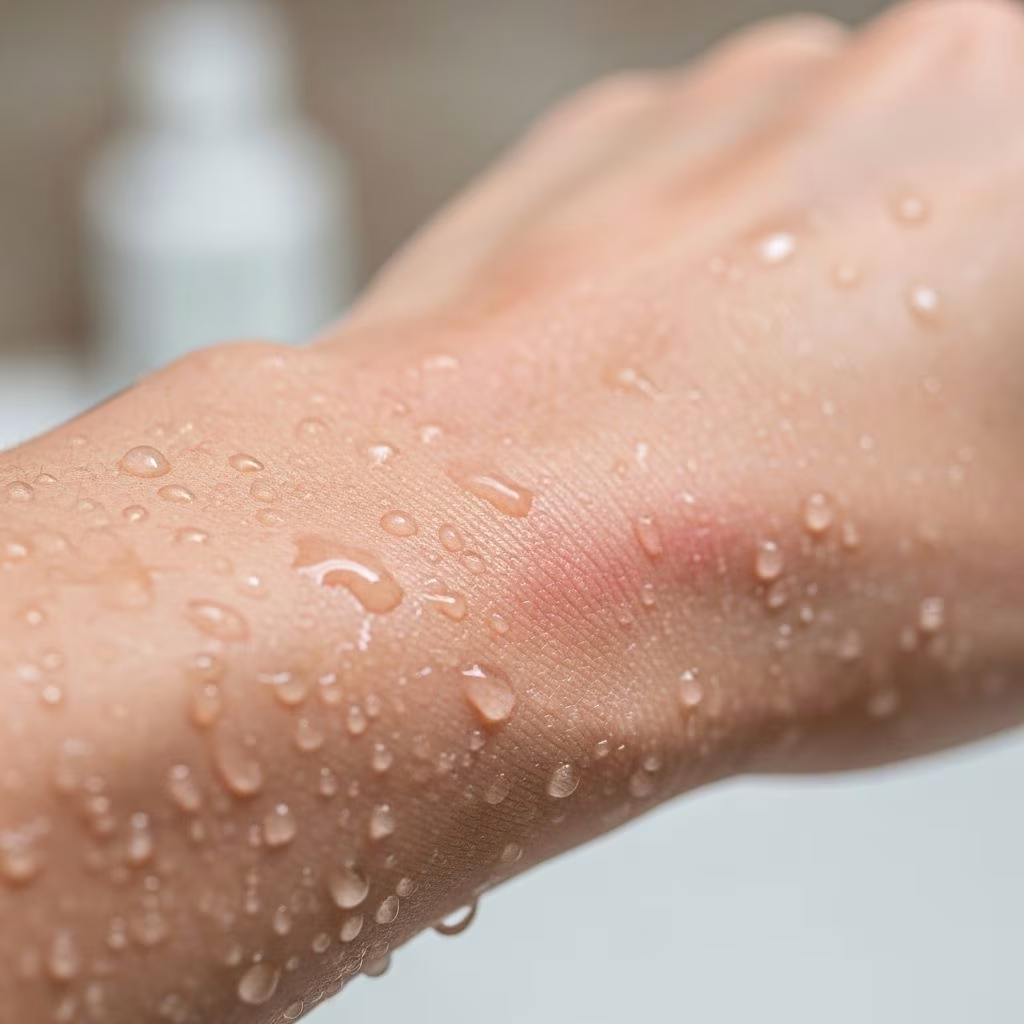
Hard water, rich in minerals like calcium and magnesium, is a common issue for millions of households globally. While these dissolved minerals are not considered dangerous for general health, their impact on skin is increasingly recognized—from dryness and irritation to aggravation of eczema and acne breakouts. This comprehensive guide synthesizes the latest scientific research and practical insights on the skin effects of hard water, highlighting the link between tap water minerals and skin health.
What is Hard Water?
Hard water is water that contains elevated levels of dissolved minerals, primarily calcium (Ca2+) and magnesium (Mg2+) ions. Water hardness is measured in milligrams per liter (mg/L) or grains per gallon (gpg), and water is often considered ‘hard’ when it contains more than 120-180 mg/L of these minerals.
Hard water is not harmful to drink, but repeated exposure to skin and hair can cause a range of undesirable effects due to the interaction of minerals with soap, detergents, and the skin surface.
Tap Water Minerals: Calcium, Magnesium, and Others
The primary minerals in hard water are:
- Calcium carbonate (CaCO3): Leaves chalky deposits on plumbing and skin.
- Magnesium carbonate (MgCO3): Contributes to water ‘hardness’ and residue formation.
- Trace elements: Iron, manganese, and sometimes chlorine (from water treatment).
These minerals become problematic when they react with soaps and surfactants, affecting both skin health and cleansing efficiency.
How Hard Water Affects the Skin Barrier
The outermost layer of the skin, known as the stratum corneum, acts as a barrier protecting our bodies from irritants, allergens, and water loss. Studies show that repeated exposure to hard water can disrupt this barrier in several ways:
- Disruption of Skin pH: Normal skin pH is slightly acidic, favoring the growth of beneficial microorganisms and maintaining barrier integrity. Hard water’s alkalinity (high pH) raises skin surface pH, compromising this natural defense and making skin more susceptible to irritation and bacterial colonization.
- Surfactant Residue Build-up: Calcium and magnesium ions bind with soap and synthetic surfactants (like SLS), forming insoluble residues that remain on the skin. This residue increases irritation and can exacerbate existing skin conditions.
- Increased Transepidermal Water Loss (TEWL): Impaired skin barrier allows more water to escape from deeper layers, resulting in dryness and heightened sensitivity.
| Skin Barrier Effect | Result |
|---|---|
| Alkaline pH (from hard water) | Weakened skin protection, higher infection risk |
| Soap/mineral residue build-up | Clogged pores, irritation, dryness |
| Increased TEWL | Loss of skin moisture, flakiness |
Hard Water, Dryness, and Skin Irritation
One of the most visible signs of hard water exposure is dry and itchy skin. High mineral content strips natural oils that keep skin supple and hydrated. Those with sensitive skin or a history of dryness are particularly vulnerable. Common symptoms reported include:
- Tight, stiff skin after bathing or washing
- Persistent itchiness, especially on hands and legs
- Bumps or mild rashes (especially after shaving)
- Visible flakiness or scaling
- Razor burn that is slow to heal
When soap does not lather well due to hard water, residue remains, intensifying moisture loss and amplifying irritation—a cycle which can worsen with repeated exposure.
Hard Water and Breakouts: The Acne Connection
Recent research and dermatology reports reveal a strong association between mineral-laden water and the development of acne and other breakouts. The key mechanisms include:
- Pore Clogging: Insoluble mineral-soap complexes stay on the skin, blocking pores, a primary cause of comedonal acne (whiteheads and blackheads).
- Insufficient Cleansing: Hard water hinders soap and cleanser effectiveness, leaving behind dirt, oil, and bacteria.
- Increased Inflammation: Mineral residues trigger irritation and low-level inflammation, further predisposing skin to breakouts.
Multiple anecdotal and clinical studies report that individuals moving to hard water areas often experience new or worsening breakouts, especially if they have acne-prone or sensitive skin types.
Eczema, Psoriasis, and Atopic Dermatitis: The Hard Water Connection
The link between hard water and chronic inflammatory skin conditions like eczema (atopic dermatitis) and psoriasis is strongly supported by both population studies and laboratory research.
Eczema (Atopic Dermatitis)
Living in hard water areas is associated with a noticeably higher risk of eczema, especially in children. Hard water damages the skin barrier, especially when genetic susceptibility (mutations in the filaggrin gene) is present.
Specific findings include:
- Increased skin barrier impairment after exposure to hard water and surfactants like SLS
- Heightened sensitivity to irritants and allergens
- Risk of eczema increases by up to 87% in children exposed to hard water from birth
- Adults exposed to higher concentrations of water hardness have higher odds of eczema occurrence
Psoriasis
Recent cohort studies covering nearly half a million individuals found that every 50 mg/L increase in water hardness is associated with a 3% higher risk of psoriasis. Those in ‘very hard’ water areas have a 20% higher risk compared to those in soft water regions. Psoriasis, an autoimmune condition, is aggravated by physical barriers that block the natural cycling of skin cells or by external triggers like hard water.
Who Is Most Vulnerable to Hard Water Skin Effects?
- Infants and young children: Their skin barrier is not fully developed, making them especially sensitive to environmental triggers.
- Individuals with eczema, atopic dermatitis, or psoriasis: Already have compromised barriers; hard water acts as an additional aggravating factor.
- People with dry, sensitive, or allergy-prone skin: More likely to experience discomfort, itching, and breakouts.
- Aging adults: Skin thins with age, increasing vulnerability to external stressors such as hard water.
How to Identify if Your Skin Is Affected by Hard Water
Physical and visual clues that your skin is reacting poorly to hard water include:
- Persistent dryness or flaky patches, even after moisturizing
- Increased frequency of breakouts, especially post-cleansing
- Acne or small bumps that don’t subside with changes in routine
- Red, irritated, or itchy skin (worse after showering)
- Soap tends not to lather well, and requires extra rinsing
- Residue or ‘tight’ feeling after washing hands or face
If moving between regions with different water hardness leads to changes in skin condition, that’s a strong sign minerals in water are affecting you.
Protecting Skin from Hard Water: Prevention and Solutions
While water hardness is often determined by local geography and infrastructure, several strategies can help minimize its impacts on your skin:
- Install a Water Softener: Ion-exchange softeners remove calcium and magnesium ions, directly reducing skin irritation. This is the most effective long-term solution, especially for families with eczema or psoriasis history.
- Use Gentle, pH-Balanced Cleansers: Avoid harsh soaps and opt for synthetic detergents (syndets) that produce less residue and maintain skin’s acidic pH.
- Moisturize Immediately After Bathing: Apply emollients or humectant-based moisturizers to lock in hydration.
- Shorter, Lukewarm Showers: Avoid prolonged contact with hard water and hot temperatures, which increase dryness.
- Rinse with Distilled or Filtered Water: Use bottled water for final facial rinses, or install shower-head filters to further reduce mineral content.
- Avoid Over-cleansing: Excessive washing can strip oils and increase irritation, especially in hard water regions.
For stubborn breakouts or eczema, consult a dermatologist who may recommend prescription creams or barrier-repair treatments.
Frequently Asked Questions (FAQs)
Q: Is hard water dangerous for my overall health?
A: Hard water is not considered a health hazard for drinking, but it does pose a risk for individuals with sensitive or compromised skin barriers due to irritation and increased risk of dermatological conditions.
Q: Can hard water really cause acne or just worsen it?
A: Research indicates hard water can both trigger new breakouts by clogging pores with soap/mineral residue, and exacerbate existing acne by leaving skin dry and more susceptible to bacteria.
Q: Are there effective home remedies besides installing a water softener?
A: Besides water softening, consider using gentle, hydrating cleansers, final rinses with filtered water, and regular moisturizing. Shower-head filters and distilled water can help, but may offer only partial relief.
Q: Who should be most concerned about hard water?
A: Infants, those with eczema or psoriasis, and people with dry or sensitive skin should be especially aware of hard water’s effects and may benefit most from mitigation strategies.
Q: Does hard water affect the efficacy of skincare products?
A: Yes, residues left by minerals may block active ingredients in moisturizers and serums from properly absorbing, reducing their effectiveness. Skin can also become more reactive and unpredictable in response to creams meant for hydration or barrier support.
Key Takeaways
- Hard water causes dryness, irritation, and an increased risk of eczema and psoriasis.
- Tap water minerals interact with cleansers, forming pore-clogging residues that promote breakouts.
- Infants, those with pre-existing skin conditions, and older adults are especially at risk.
- Water softeners, gentler skincare routines, and moisturizer use are effective for prevention and relief.
References
- https://www.kcl.ac.uk/archive/news/kings/newsrecords/2017/09-september/the-hard-truth-about-eczema-it’s-something-in-the-water
- https://www.ecowater.com/resource/your-skin-on-hard-water/
- https://www.culligan.com/blog/recent-study-finds-link-between-hard-water-and-developing-psoriasis
- https://pubmed.ncbi.nlm.nih.gov/28927888/
- https://pmc.ncbi.nlm.nih.gov/articles/PMC9804584/
- https://nationaleczema.org/blog/hard-water-eczema/
- https://www.bsaci.org/research-hub/the-effect-of-domestic-water-quality-on-skin-barrier-function-and-eczema-risk/
- https://us.typology.com/library/the-effects-of-hard-water-on-the-skin


