


\n\n
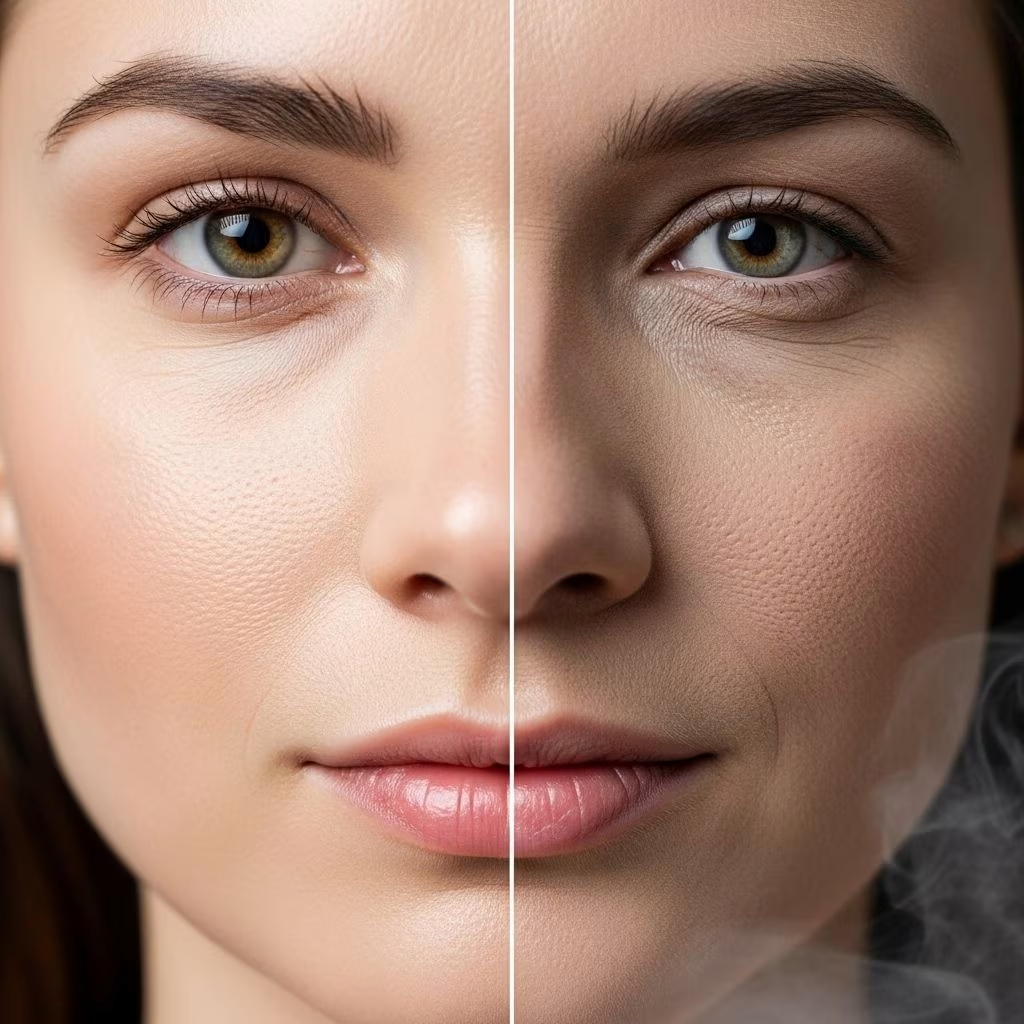
As vaping continues to gain popularity, especially among younger generations, its dermatological impact has become a growing concern. This article provides an in-depth look at how nicotine and propylene glycol—the primary components of most vape liquids—affect the skin. Covering the latest scientific findings, we examine the mechanisms behind skin aging, irritation, disease flare-ups, and cellular changes brought on by vaping.
\n\n
Table of Contents
\n
- \n
- Understanding Vaping: E-Cigarettes and Their Ingredients
- How Nicotine Affects Skin Health
- Propylene Glycol and Its Dermatological Impact
- Cellular Damage, Collagen, and Aging: The Science Behind Vaping’s Impact
- Vaping and Aggravation of Skin Conditions
- Other Skin Issues: Sensitivity, Dullness, and Poor Wound Healing
- Mitigating the Harm: Skin Protection Strategies
- Frequently Asked Questions (FAQs)
\n
\n
\n
\n
\n
\n
\n
\n
\n\n
Understanding Vaping: E-Cigarettes and Their Ingredients
\n
E-cigarettes, also known as vapes, are devices that aerosolize a liquid—commonly called e-liquid or vape juice—for inhalation. These liquids typically contain:
\n
- \n
- Nicotine (variable concentration)
- Propylene glycol (a carrier and vapor-producing agent)
- Vegetable glycerin
- Flavorings
\n
\n
\n
\n
\n
While vaping avoids some toxins in conventional tobacco smoke, research shows that the chemicals present can still have significant adverse effects on overall and skin health.
\n\n
How Nicotine Affects Skin Health
\n
Nicotine, the primary addictive agent in both cigarettes and e-liquids, has potent effects on cutaneous (skin) biology:
\n\n
Vasoconstriction and Reduced Circulation
\n
- \n
- Nicotinic stimulation causes blood vessels to constrict (vasoconstriction), leading to decreased oxygen and nutrient delivery to the skin.
- This process can result in a dull, pale, and tired complexion due to reduced cellular metabolism and slowed regeneration.
\n
\n
\n\n
Accelerated Aging: Wrinkles and Loss of Skin Elasticity
\n
- \n
- Impaired blood flow diminishes the skin’s ability to repair itself, accelerating visible signs of aging such as fine lines and wrinkles.
- Nicotine exposure increases the production of free radicals, which damage collagen and elastin, the proteins responsible for keeping skin firm and youthful.
\n
\n
\n\n
Keratinocyte Dysfunction
\n
- \n
- Nicotine can alter the normal development (cornification) of keratinocytes, which are core cells in the outer skin layer, resulting in impaired barrier function and cutaneous homeostasis.
- Abnormal differentiation around sweat glands can trigger or worsen inflammatory conditions, such as palmoplantar pustulosis (PPP).
\n
\n
\n\n
Inflammation and Acne Exacerbation
\n
- \n
- Nicotine stimulates sebaceous glands, leading to increased oil (sebum) production, which clogs pores and worsens acne.
- It also promotes the migration of inflammatory cells (like neutrophils) into the skin, intensifying inflammatory conditions.
\n
\n
\n\n
Impaired Wound Healing
\n
- \n
- Nicotine hinders keratinocyte migration and mitochondrial function, impairing tissue repair, slowing wound healing, and increasing risk of infection, even with combustion-free vaping.
\n
\n\n
Propylene Glycol and Its Dermatological Impact
\n
Propylene glycol (PG) is a colorless, odorless liquid used in many consumer products, and is a primary constituent of e-liquids. While generally considered safe for ingestion and topical use, inhalation raises unique concerns for the skin:
\n\n
Increased Skin Sensitivity and Irritation
\n
- \n
- Vape aerosol, rich in PG, can cause or worsen irritant and allergic skin reactions such as rashes, redness, and itching, potentially triggering contact dermatitis and other sensitivities, especially in those with previous skin conditions.
- PG acts as a humectant, drawing water from deeper skin layers and the surrounding environment, which paradoxically may lead to increased surface dryness and irritation.
\n
\n
\n\n
Disruption of Skin Barrier
\n
- \n
- Chronic exposure to vaporized PG has been linked to disrupted epidermal barrier function, manifesting as flakiness, increased trans-epidermal water loss, and heightened susceptibility to irritants.
\n
\n\n
Potential for Sensitization and “Atopic March”
\n
- \n
- Recent studies suggest that repeated exposure may prime the immune system (via cutaneous T-cell sensitization), increasing the risk of atopic dermatitis and possibly advancing the so-called “atopic march”—the progression from skin allergy to more systemic allergic disease.
\n
\n\n
Cellular Damage, Collagen, and Aging: The Science Behind Vaping’s Impact
\n
The skin’s structural and aesthetic qualities rely on its cellular health. The components of vape aerosol, including nicotine, propylene glycol, and other chemicals, can:
\n
| Mechanism | Effect on Skin |
|---|---|
| Increased free radicals | Oxidative stress, breakdown of collagen and elastin, accelerated aging |
| Reduced cell viability | Thinning of the epidermis, impaired regeneration, dullness |
| Pro-inflammatory cytokine release (IL-6, IL-8, IL-10) | Heightened risk for inflammatory diseases: eczema, psoriasis, acne |
| Disrupted mitochondrial function | Poor wound healing, compromised energy production in skin cells |
| Cornification of keratinocytes | Abnormal skin barrier, increased risk for pustular skin diseases |
\n\n
Vaping and Aggravation of Skin Conditions
\n
Vaping is now recognized both as a possible trigger and an aggravating factor for a spectrum of dermatological diseases:
\n
- \n
- Atopic dermatitis (eczema): Sensitization and immune-modulation by vape chemicals can worsen eczema, increasing inflammation, itch, and barrier breakdown.
- Psoriasis and rosacea: Both nicotine and free radicals intensify inflammatory pathways, exacerbating redness, scaling, and flare-ups of these chronic diseases.
- Acne: Increased sebum production and persistent inflammation lead to treatment-resistant acne and post-acne dark marks.
- Palmoplantar pustulosis: Linked to abnormal keratinocyte differentiation in the sweat glands, likely influenced by nicotine.
- Contact dermatitis: PG and flavoring agents are well-known causes of allergic and irritant contact reactions.
\n
\n
\n
\n
\n
\n\n
Other Skin Issues: Sensitivity, Dullness, and Poor Wound Healing
\n\n
Dehydration and Increased Sensitivity
\n
- \n
- Vaping depletes the skin of vital hydration, encouraging dryness, redness, flaking, and sensitivity.
\n
\n\n
Dull, Lackluster Complexion
\n
- \n
- Chronic vasoconstriction reduces the nutrient and oxygen supply needed for healthy cell turnover, resulting in gradual loss of the natural skin glow and more pronounced early signs of aging.
\n
\n\n
Impaired Wound Healing and Increased Complication Risks
\n
- \n
- Research confirms slower wound healing in people who vape, attributed to nicotine-associated impairment of cell migration and function. This effect is concerning for anyone considering elective skin procedures, minor injuries, or managing chronic wounds.
- Thermal injuries from device use or malfunction also represent a physical risk.
\n
\n
\n\n
Mitigating the Harm: Skin Protection Strategies
\n
For individuals who vape, some skin complications can be alleviated or prevented through tailored care and lifestyle adjustments:
\n
- \n
- Avoid unnecessary exposure: Limiting or quitting vaping is the most effective way to protect skin health.
- Use antioxidant-rich skincare: Products featuring vitamin C, vitamin E, niacinamide, and other antioxidants counteract some free radical damage.
- Hydration: Apply moisturizer with humectants (like hyaluronic acid) and occlusives to seal moisture, and increase oral water intake.
- Sun protection: Sunscreen protects against additional environmental stress, decreasing cumulative oxidative damage.
- Consult a dermatologist: Those with persistent skin issues or chronic illness should seek guidance for customized treatment, especially if allergic reactions are noted.
\n
\n
\n
\n
\n
\n\n
Frequently Asked Questions (FAQs)
\n\n
Q: Does vaping cause wrinkles faster than regular cigarettes?
\n
A: Both vaping and conventional smoking accelerate wrinkle formation by increasing oxidative stress and reducing blood supply to the skin. While vaping may lack some tobacco toxins, research confirms it is still detrimental for skin aging due to nicotine and free radical exposure.
\n\n
Q: Can quitting vaping improve my skin?
\n
A: Yes, ceasing vaping can halt further damage and allow for some skin restoration, especially when combined with a healthy lifestyle and proper skincare. The body can gradually repair the oxidative stress and inflammation that linger after vaping.
\n\n
Q: Are skin reactions due to vaping permanent?
\n
A: Most skin reactions (rashes, sensitivity, flares of eczema or acne) improve with cessation and targeted skincare. However, repeated or prolonged exposure to vape chemicals can lead to chronic sensitization or persistent issues in predisposed individuals.
\n\n
Q: Besides nicotine and propylene glycol, are other vape ingredients harmful to the skin?
\n
A: Yes, flavoring additives and other carriers in vape juice may trigger allergic or irritant skin reactions, though nicotine and PG are the most common dermatological offenders.
\n\n
Q: Does vaping affect the healing of tattoos or piercings?
\n
A: Impaired circulation and wound healing due to vaping can delay the recovery and optimal outcome of tattoos, piercings, or any skin procedure. It is advisable to avoid vaping before and during aftercare periods.
References
- https://www.derrowdermatology.com/can-vaping-ruin-your-skin-the-surprising-truth/
- https://www.drdennisgross.com/how-does-vaping-affect-your-skin.html
- https://jintegrativederm.org/doi/10.64550/joid.v7rp5393
- https://pmc.ncbi.nlm.nih.gov/articles/PMC11589634/
- https://esmed.org/MRA/mra/article/view/6635
- https://www.cdc.gov/tobacco/e-cigarettes/health-effects.html


