


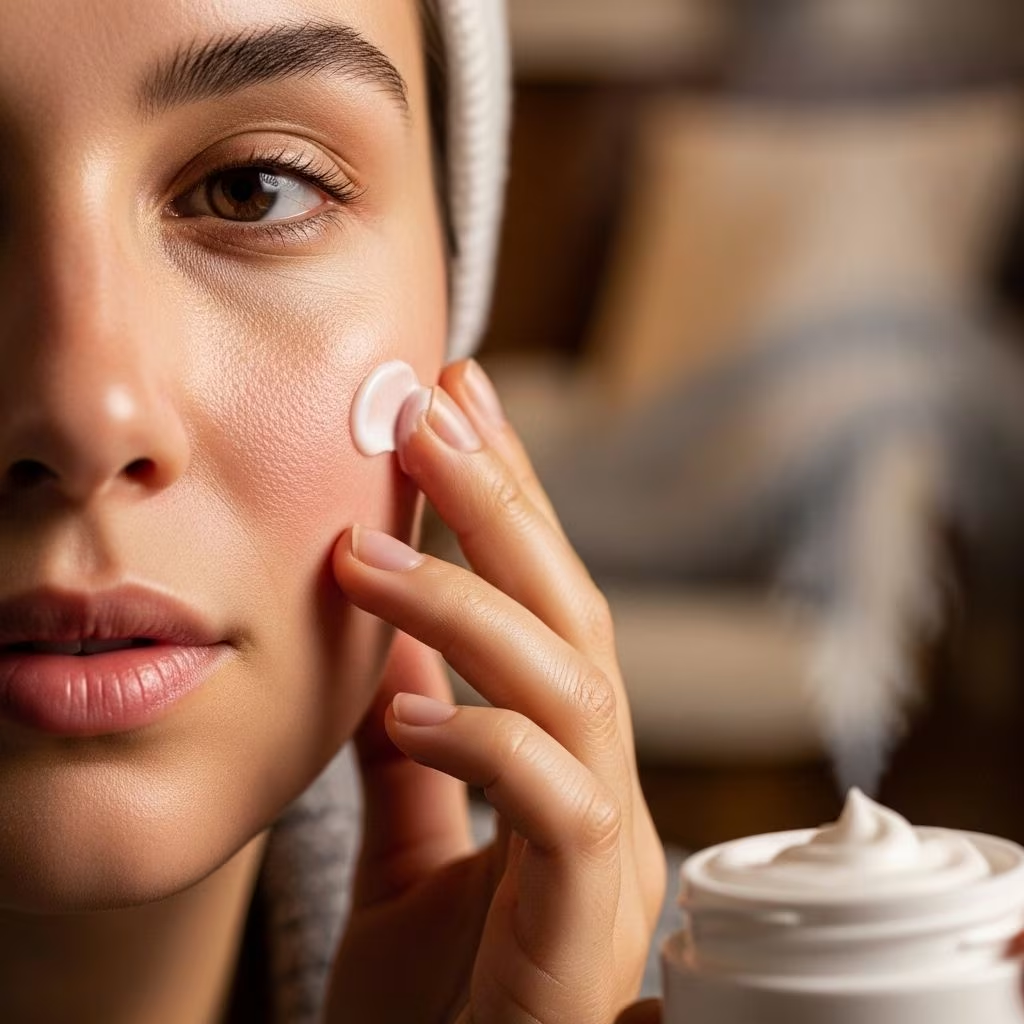
As winter sets in, dry air, harsh winds, and chilly temperatures can quickly transform even the healthiest skin into a landscape of dryness, chapping, and persistent redness. The combination of reduced humidity outside and indoor heating creates the perfect storm for uncomfortable skin. This guide delivers dermatologist-approved strategies, pro ingredient recommendations, and practical lifestyle tweaks to keep your complexion healthy and comfortable all season.
Why Cold Weather Wreaks Havoc on Skin
The skin’s outermost layer, the stratum corneum, relies on water and fats to remain supple and intact. During the colder months:
- Humidity drops outdoors and indoor heating strips additional moisture from the air, accelerating transepidermal water loss (TEWL).
- Blood vessels constrict in response to cold, contributing to a dull tone and redness and sensitivity.
- Harsh winds and sudden temperature changes (moving from cold streets to heated rooms) weaken the skin barrier.
- Less sweat and oil production means a lower natural defense against dryness.
The result: a cycle of dryness, flakiness, chapping, and increased redness. Understanding the causes is the first step to solving them.
Top Winter Skin Concerns
- Dryness: Tight, rough, or flaky skin due to moisture loss.
- Chapping: Cracking, soreness, and splitting—often on the lips, cheeks, and hands.
- Redness & Irritation: Persistent or patchy redness, small cracks, or even stinging and burning, especially in sensitive skin types or those with preexisting conditions.
- Winter Itch: Persistent itchiness resulting from disrupted skin barrier and dehydration.
- Flares of chronic skin conditions: Eczema, rosacea, and psoriasis often worsen in cold, dry climates.
Each concern requires a tailored response. The core defense: restore moisture, repair the barrier, and protect the skin from environmental assaults.
Essential Skincare Ingredients for Winter
Switching up your skincare arsenal with tried-and-true ingredients is key for winter. According to dermatologists and skin experts:
| Ingredient | Function | Best For |
|---|---|---|
| Ceramides | Replenish skin barrier, lock in moisture | All skin types, especially dry or eczema-prone |
| Hyaluronic Acid | Attracts and retains water in skin layers | Dehydrated, tight, or flaky skin |
| Shea Butter | Rich occlusive, forms protective barrier, soothes | Very dry, chapped, or cracked skin |
| Squalane | Moisturizing oil, enhances barrier strength | All skin, even sensitive or acne-prone |
| Glycerin | Draws water to skin, maintains hydration | Daily moisturizers and cleansers |
| Niacinamide (Vitamin B3) | Reduces redness, soothes, boosts moisture retention | Sensitive, red, or uneven-toned skin |
| Petrolatum (in ointments) | Occlusive; seals cracks, prevents moisture loss | Hands, lips, very dry/chapped areas |
Avoid harsh ingredients like drying alcohols, high concentrations of retinoids, and irritating scrubs in winter, as these can worsen dryness and barrier impairment.
Step-by-Step Winter Skincare Routine
1. Gentle Cleansing
- Choose a hydrating, non-foaming cleanser—avoid strong soaps and sulfates.
- Limit cleansing to twice daily (or once if your skin feels tight).
- Lukewarm (never hot) water prevents further moisture loss.
2. Serums & Targeted Treatments
- Apply a hydrating serum with hyaluronic acid or glycerin to damp skin to boost water content.
- For redness, consider a niacinamide serum to calm skin and improve resilience.
3. Moisturizer: The Core Step
- Switch to richer creams or ointments with ceramides, shea butter, squalane, or petrolatum to create a lasting barrier.
- Layer moisturizer within 3 minutes of bathing to trap moisture (“the 3-minute rule”).
- Don’t neglect necks, ears, and hands—areas easily forgotten yet highly exposed.
4. Eye & Lip Care
- Use a gentle, creamy eye cream daily as the delicate eye area is prone to dryness and fine lines.
- Apply a thick balm or ointment to lips—avoid flavored balms that can aggravate chapping.
5. Sunscreen—Year Round!
- Don’t skip sun protection! Snow reflects UV rays, and damage occurs even on cloudy days.
- Choose a broad-spectrum SPF 30+ formula suitable for your skin type.
- Reapply every 2 hours when outdoors, especially while skiing or near water and snow.
6. Gentle Exfoliation
- Exfoliate once a week with a mild scrub, enzyme mask, or chemical exfoliant (like lactic acid).
- Never over-exfoliate—this strips the barrier and increases redness and sensitivity.
Sample Winter Skincare Schedule
| Morning | Evening |
|---|---|
| Gentle cleanser Hydrating serum (HA/glycerin) Rich moisturizer Eye cream Broad-spectrum sunscreen Lip balm | Gentle cleanser Hydrating/soothing serum Barrier-repairing rich cream Eye cream Lip balm/ointment |
Lifestyle & Home Care Strategies for Winter Skin
- Humidify indoor air: Use a humidifier to offset dry heating systems and maintain skin hydration.
- Shorten showers: Limit baths and showers to 10 minutes; use lukewarm water and mild soap alternatives.
- Dress for protection: Cover skin with gloves, scarves, and hats to shield against wind and cold.
- Pat, don’t rub skin dry after bathing—immediately apply moisturizer.
- Stay hydrated internally: Drink adequate water throughout the day and consume healthy fats (avocados, nuts, olive oil) for skin barrier support.
Managing Common Winter Skin Conditions
1. Eczema (Atopic Dermatitis)
- Use rich, fragrance-free creams/ointments and avoid potential irritants.
- Wear non-irritating fabrics (like cotton) and layer clothing to prevent overheating and sweating.
- If flares persist, consult a dermatologist for prescription therapies.
2. Rosacea and Redness-Prone Skin
- Avoid harsh scrubs, hot beverages, alcohol, and spicy foods that trigger flushing.
- Opt for gentle, redness-calming ingredients (niacinamide, azelaic acid).
- Use cool—not cold—water for cleansing and shield the face from wind.
3. Chapped Lips and Hands
- Apply petrolatum-based ointments liberally after handwashing or sun/wind exposure.
- Wear cotton gloves overnight after applying thick moisturizer for intense repair.
Frequently Asked Questions (FAQs)
Q: Why does my skin get so dry in the winter?
Colder weather brings lower humidity both outdoors and indoors (due to heating systems), which means less moisture for your skin. This leads to increased transepidermal water loss, causing dryness, chapping, and more pronounced irritation.
Q: Can I still use exfoliants or retinoids in winter?
Gentle exfoliation (once a week) is safe and helps lift flaky patches, but use caution with retinoids—lower their frequency and pair them with barrier-strengthening ingredients. Always listen to your skin: if it feels more sensitive or shows redness, scale back.
Q: Should I change my facial cleanser in winter?
Yes. Replace foaming or gel cleansers with creamy, hydrating cleansers that don’t strip away natural oils. Look for formulas with ceramides, glycerin, or fatty oils.
Q: Why is sunscreen important even on snowy and cloudy days?
Up to 80% of UV rays can penetrate clouds and are reflected by snow, intensifying damage. Daily SPF is essential for those who spend time outdoors, no matter the season.
Q: How do I prevent chapped lips and hands?
Apply ointment-based moisturizers and lip balms frequently, especially after washing. At night, use heavier layers or gloves/mittens to lock in moisture.
Final Thoughts
Harsh winter weather demands more deliberate care. Switching to gentle cleansers, rich occlusive moisturizers, barrier-supporting ingredients like ceramides and niacinamide, and maintaining healthy lifestyle habits are key to stopping dryness, chapping, and redness before they start. For persistent or severe symptoms, or if you have underlying conditions like eczema, partnering with a board-certified dermatologist ensures your routine remains safe, effective, and tailored to you. With proactive choices, you can greet every winter day with skin that’s resilient, comfortable, and glowing.
References
- https://www.ulta.com/discover/skin/winter-skin-care-ingredients-you-need-to-try
- https://www.cumberlandskin.com/healthy-skin-blog/a-dermatologist-s-guide-to-an-optimal-winter-skincare-routine
- https://www.paullabrecque.com/blogs/news/the-ultimate-guide-to-fall-and-winter-skincare-hydration-protection-and-more
- https://us.skincare.bluelagoon.com/blogs/magazine/winter-skincare-101-how-to-protect-your-skin-in-cold-weather
- https://www.brynmawrdermatology.com/10-dermatologist-approved-winter-skincare-tips-from-dr-husienzad/
- https://www.nyp.org/patients-and-visitors/advances-consumers/issues/10-tips-for-protecting-your-skin-in-the-cold-weather
- https://www.aad.org/news/cold-weather-and-your-skin


