


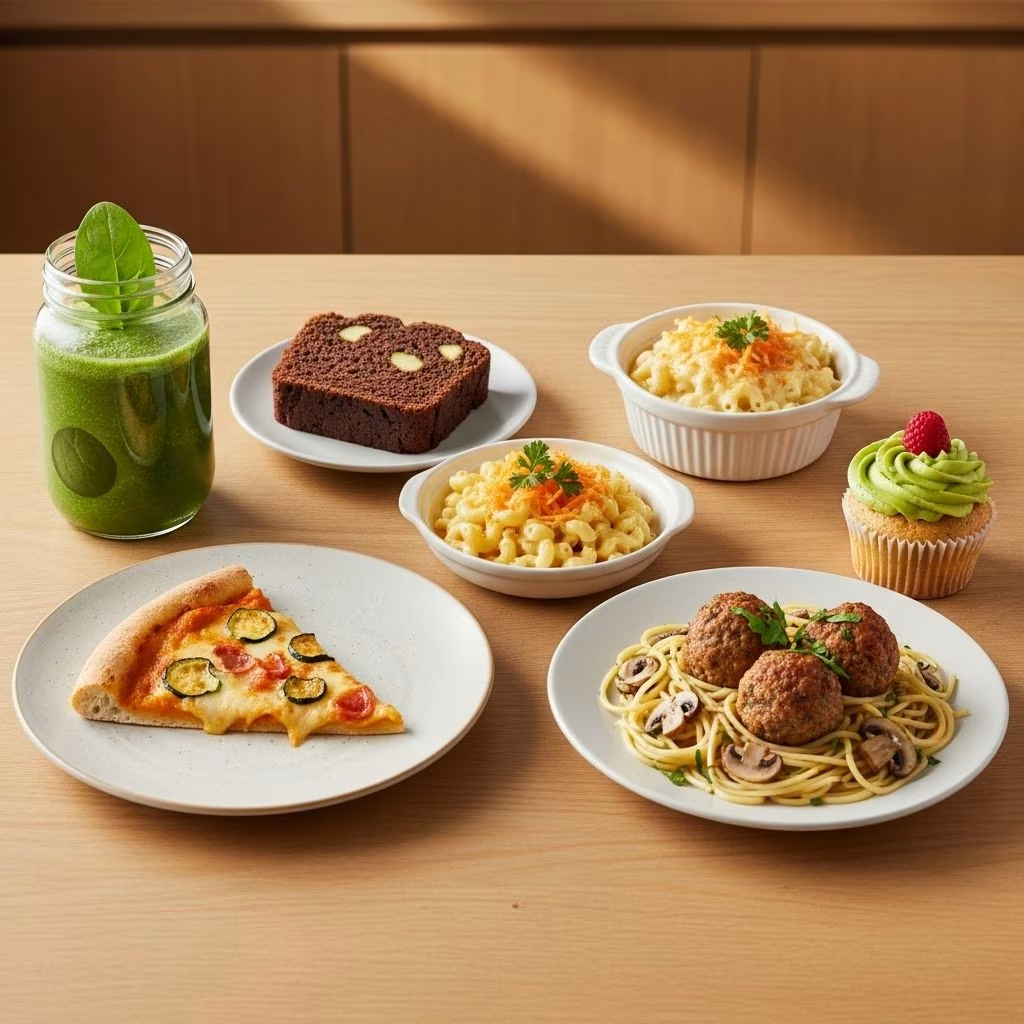
Incorporating more vegetables into the daily diet can be a challenge, especially for picky eaters and young children. Clever techniques for hiding veggies in food can help increase vegetable intake without sacrificing taste or texture. This comprehensive guide explores expert strategies, creative recipes, and practical tips to make eating veggies effortless and enjoyable for the whole family.
Why Hide Veggies in Food?
Most dietary guidelines recommend several servings of vegetables each day. However, the reality is that many children and adults fall short of these targets. Reasons for hiding veggies include:
- Picky eating habits, especially among young children
- Dislike of certain flavors or textures of vegetables
- Increasing variety and nutrient density in meals
- Reducing meal prep conflicts centered around vegetables
Hiding veggies isn’t about deception—it’s about ensuring balanced nutrition in a practical, stress-free manner while still gradually exposing eaters to visible vegetables.
Benefits and Drawbacks of Hiding Vegetables
Before using hidden veggie techniques, it’s important to weigh the advantages and potential limitations:
| Benefits | Drawbacks |
|---|---|
|
|
For best results, use hidden vegetables as a supplement to—not a substitute for—serving visible vegetables.
Overview of Best Hiding Techniques
Researchers, nutritionists, and seasoned home cooks agree on several proven methods for concealing vegetables in food. The best results often come from:
- Pureeing and blending veggies into sauces, soups, and stews
- Baking grated or pureed vegetables into sweet and savory baked goods
- Chopping veggies finely or grating to mix into popular dishes (e.g., meatballs, burgers)
- Creative use in kid-friendly favorites, such as pizzas, mac and cheese, smoothies, and brownies
Using Purees and Sauces
Puree-based techniques focus on blending cooked vegetables into smooth mixtures and adding them inconspicuously to many recipes. This yields both nutritional and textural advantages.
How to Make and Use Vegetable Purees
- Cook vegetables until tender (steaming or roasting preserves nutrients).
- Blend thoroughly using a food processor, blender, or hand mixer.
- Freeze or refrigerate extra puree for later use.
- Add purees to pasta sauces, casseroles, soups, tacos, and meat mixtures.
Common vegetables ideal for purees:
- Carrots, sweet potatoes, butternut squash, pumpkin
- Cauliflower, spinach, zucchini, peas
- Beets (good for chocolate recipes), broccoli, red peppers
This method works for both red sauces (add carrot or red pepper puree to marinara) and creamy sauces (pureed cauliflower or pumpkin in Alfredo).
Hiding Veggies in Baked Goods
Baked items are excellent carriers for hidden nutrition. Mushy textures and subtle flavors allow vegetables to blend in, and sweet or rich flavors generally mask veggie notes very well.
Popular Baked Recipes to Hide Veggies
- Zucchini bread and muffins: Grated zucchini adds moisture and fiber.
- Carrot cake or carrot-oat muffins: Carrot adds natural sweetness and color.
- Chocolate beet cake or brownies: Beets blend seamlessly when pureed, complementing chocolate flavor.
- Pumpkin or butternut squash bread: Adds vibrance and subtle sweetness.
- Spinach or zucchini brownies (pairs well with fudge or chocolate chips).
- Sweet potato pancakes or waffles for mild flavor and nutrition boost.
Baked goods are also ideal for sneaking in other pureed or grated vegetables, such as beets, sweet potato, and spinach, particularly in recipes that use cocoa or spices for extra masking.
Incorporating Veggies into Popular Dishes
Many classic entrees and side dishes have textures and flavors that naturally conceal vegetables. Here are some of the best options:
- Pizza: Minced mushrooms, peppers, and spinach hide under cheese and sauce. Try adding spinach puree to pizza sauce for extra iron.
- Meatballs and burgers: Blend mushrooms, onions, grated carrots, or zucchini directly into the meat. Vegan patties work well with beans and vegetable pulp.
- Bolognese sauce: Finely diced carrots, celery, and mushrooms blend with ground beef for an unnoticeable texture boost.
- Chili and stews: Stir in pumpkin, sweet potato, or butternut squash purees, which thicken and add nutrition without altering flavor significantly.
- Casseroles: Chicken rice, shepherd’s pie, and pot pies let you layer veggies under sauce, meat, or pastry.
- Frittatas and omelets: Fold in finely chopped or steamed veggies with plenty of cheese to mask visible greens.
- Sloppy Joes: Extend meat or beans with grated carrots, onions, mushrooms, or peppers cooked in tomato sauce.
- Lasagna: Layer with spinach, zucchini, mushrooms, and carrot. Cheese, noodles, and sauce meld everything together.
For best results, start with very small amounts, blend or mince veggies finely, and increase the volume as taste preferences adapt.
Vegetable Swaps and Replacements
Substituting vegetable-based alternatives for traditional ingredients is another effective hiding strategy:
- Cauliflower rice: Grated cauliflower cooked like rice blends into stir fries, burritos, or fried rice for a near-invisible fiber boost.
- Mashed cauliflower or root vegetables: Replace part or all of mashed potatoes with cauliflower, carrots, or parsnips. Mix in some dairy and seasoning for a convincing comfort food alternative.
- Vegetable-based pasta: Spiralized zucchini (zoodles), sweet potato, or spaghetti squash as pasta substitutes under hearty sauces.
- Butternut squash quesadillas: Mash and blend into chewy filling for rich taste and nutrients.
- Eggplant parmesan: Oven-baked eggplant slices mimic meat texture under sauce and cheese.
Veggies in Smoothies and Sweet Treats
Smoothies, shakes, and desserts are naturally sweet and creamy, easily camouflaging even strongly flavored greens. Some favorite combinations include:
- Spinach banana smoothies: The mild flavor of spinach disappears under fruity notes.
- Kale orange banana smoothies: Citrus flavors mask the bitterness of kale, making the smoothie taste exclusively fruity.
- Avocado chocolate mousse or frosting: Avocado yields smooth, rich texture but is nearly tasteless with cocoa.
- Carrot or beet smoothies: Especially with plenty of orange or pineapple juice to keep them sweet and balanced.
- Pumpkin or zucchini in muffins/cakes: Adds moisture and blends with spices (cinnamon, ginger).
For the greenest results, start with a small handful of leafy greens per smoothie and increase as tastebuds adapt. Frozen veggies often tame flavor and boost creamy consistency.
Tips for Success: Making the Most of Hidden Veggies
Use these practical techniques and troubleshooting strategies to maximize both nutrition and enjoyment:
- Start gradually: Add smaller amounts of hidden veggies and gradually increase as preferences shift.
- Blend thoroughly: Smooth purees or finely grated vegetables are less likely to be detected, especially by texture-sensitive eaters.
- Use bold seasonings: Garlic, onion, cheese, tomato sauce, and spices mask flavors and aromas effectively.
- Combine with favorite foods: Introduce hidden veggies in meals that are already well-liked to minimize resistance.
- Involve kids in preparation: Letting children help with grocery shopping and food prep can reduce suspicion and increase willingness to try veggies.
- Maintain transparency over time: As trust builds, openly discuss the importance of vegetables and let family members discover some “secret ingredients” gradually.
- Always serve visible veggies alongside: Offer visible veggies with every meal to ensure continued exposure and acceptance, not just hidden versions.
- Cook in batches: Prepare and freeze purees in ice cube trays for quick additions to sauces, soups, or baking mixes.
Comparison Table: Puree Methods for Hiding Veggies
| Vegetable | Preparation Method | Best Food Applications | Notes |
|---|---|---|---|
| Carrot | Steam or boil, puree until smooth | Tomato sauce, muffins, cakes, soups | Adds subtle sweetness and orange color |
| Spinach | Steam, squeeze dry, blend | Brownies, smoothies, eggs, pasta dishes | Colorful—start with small amounts for flavor masking |
| Cauliflower | Steam, blend to creamy consistency | Mash, pizza crust, creamy soups or sauces | Mild flavor; blends into creamy bases well |
| Zucchini | Grate or blend raw for baking, steam for puree | Breads, muffins, fritters, meatloaf | Great for moisture and fiber, neutral flavor |
| Beets | Roast, peel, puree when cool | Brownies, cakes, oatmeal | Bright color, sweetness compliments chocolate |
Frequently Asked Questions (FAQs)
Q: What is the most effective method for hiding veggies in kids’ food?
A: Pureeing vegetables and incorporating them into sauces, baked goods, and mixed dishes (like casseroles or meatballs) is frequently cited as the most effective and least detectable method for children and picky eaters. This minimizes impact on flavor and texture.
Q: Are hidden vegetables as healthy as visible ones?
A: Hidden vegetables add nutrients and dietary fiber, and can help boost overall intake. However, relying only on hidden veggies may not foster long-term acceptance or appreciation for vegetables’ natural taste and appearance. Both hidden and visible forms are valuable for lifelong healthy habits.
Q: Can hiding vegetables cause distrust in children?
A: Repeatedly sneaking veggies without discussing healthy eating may cause trust issues if discovered, particularly with older kids. Consider gradually involving children and increasing transparency over time.
Q: Which vegetables are easiest to hide?
A: Cauliflower, carrots, zucchini, spinach, pumpkin, and sweet potato are especially mild-flavored and blend smoothly into both sweet and savory dishes. Beets also work well in chocolate-based recipes.
Q: What kitchen tools are helpful for hiding vegetables?
A: Food processors, blenders, and box graters are essential for creating smooth purees or fine shreds that disappear into other foods.
Q: Should I continue serving visible veggies?
A: Yes. Experts strongly recommend consistently offering visible vegetables with every meal, even while using hidden veggie techniques. This promotes exposure and long-term acceptance.
Conclusion
Hiding veggies in food is a practical and creative strategy for parents and anyone hoping to improve their diet. While no single method fits all needs, using purees, grated vegetables, and clever recipe adaptations allows adults and kids alike to enjoy better nutrition with minimal fuss. Complement hidden veggie strategies with open exposure to help everyone at the table develop lifelong healthy eating habits.
References
- https://greatist.com/health/40-unexpected-ways-add-veggies-meal
- https://www.mealvillage.com/blog/sneak-veggies-into-food.jsp
- https://extension.usu.edu/nutrition/research/hidden-vegetables
- https://thrivinghomeblog.com/50-ways-to-sneak-vegetables-and-fruits-into-kid-favorites/
- https://mykidslickthebowl.com/hidden-veggies/


