


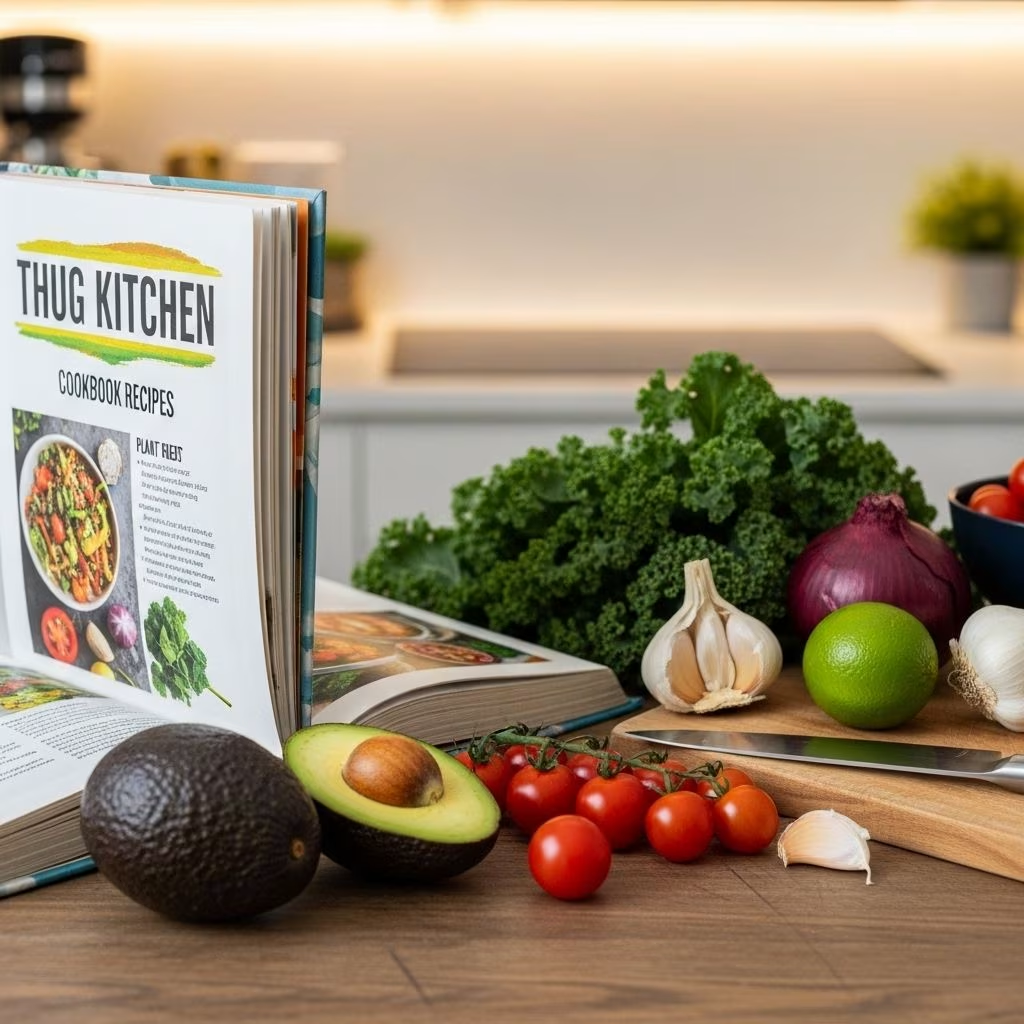
Thug Kitchen: The Official Cookbook burst onto the food publishing scene with its mix of bold flavors, plant-based recipes, and unapologetic language. For families looking to eat healthier, incorporate more vegetables, or ditch meat without sacrificing taste, it promises not just food—but an attitude. This review takes a close look at the book’s appeal, recipe quality, ingredient flexibility, potential pitfalls for parents, and thoughtful consideration of its sometimes controversial tone.
Overview of Thug Kitchen & Its Authors
Thug Kitchen: The Official Cookbook was published in 2014 by Matt Holloway and Michelle Davis, creators of a blog that quickly gained notoriety for its explicit, unfiltered approach to vegan cooking. The book won the Goodreads Choice Award for Best Food & Cookbooks soon after release, a testament to its broad appeal and viral success.
From the cover to every page, readers are greeted with conversational, often profane, and consistently humorous commentary that aims to break down the barriers surrounding plant-based cooking. It comes packed with strong opinions, but also a commitment to practical, accessible home cooking for everyone—even those who claim they “can barely boil water.”
Philosophy: Healthy Eating with Attitude
Thug Kitchen’s authors set out to disrupt stereotypes around vegan food and challenge the dominance of processed convenience meals. The book’s core messages for families include:
- Eating well doesn’t need to be expensive or complicated: Recipes use supermarket staples and avoid obscure health food store ingredients.
- Empowering home cooks: By demystifying plant-based cooking, the book encourages everyone to take charge of their own health.
- Rejecting junk food culture: Thug Kitchen rails against fast food marketing and the idea that healthy meals are dull or a chore.
- A sense of humor as a teaching tool: The blunt, swear-laden language is intended to motivate, amuse, and connect with readers who prefer a direct approach.
While some may find the attitude refreshing or hilarious, others may see it as abrasive—especially parents sensitive to explicit language around children.
Recipe Selection and Meal Variety
One of Thug Kitchen’s strengths is the breadth and balance of its recipes. The book covers:
- Breakfasts (e.g., Maple-Oat Banana Bread)
- Snacks and small plates (e.g., Baked Zucchini Chips, Roasted Sriracha Cauliflower Bites)
- Main courses (e.g., Cauliflower Cream Pasta, Spiced Chickpea Wraps, Tortilla Soup)
- Soups and stews
- Salsas and sides
- Desserts (e.g., Banana Cream Pie, Simple Banana Cake)
Recipes typically showcase vegetables, grains, beans, and tofu in creative ways that highlight bold global flavors—think Mexican, Asian, and classic American comfort. The cooking methods rely on roasting, sautéing, baking, and occasionally blending or food processing. Each dish is designed for maximum taste while staying entirely plant-based.
Highlighted Family-Friendly Recipes
- Creamy Peanut Slaw: Crunchy, tangy, and perfect as a side or light lunch.
- Baked Tofu: Customizable for sandwiches or stir-fries; a great protein source for kids trying tofu for the first time.
- 5-Spice Fried Rice with Sweet Potatoes: Familiar flavors with a nutritious twist.
- Tofu Scramble Tacos: A colorful, protein-rich alternative to traditional scrambled eggs for breakfast.
- Banana Cake: Not-too-sweet and family-pleasing, with the option to adjust sugar as desired.
Family-Friendliness: Is It for Kids & Parents?
The biggest question for many home cooks: Is Thug Kitchen appropriate for families with children?
- Language is a major concern. Swearing appears on almost every page—even in recipe instructions, kitchen tips, and introductions.
- Recipe complexity is generally low. Most dishes are beginner-friendly, with helpful sidebars on cooking basics, shopping for groceries, prepping vegetables, and using kitchen equipment. Visuals and clear instructions make it accessible for older kids or teens to help in the kitchen (with parental guidance on the book’s tone).
- Truly vegan: All dishes are free from meat, eggs, dairy, and animal products. If your family is transitioning away from animal protein, the recipes offer plenty of inspiration for weeknights and packed lunches.
- Allergy awareness. Some recipes use nuts or soy, but many can be easily adapted for allergies.
- Meal adaptability. Dishes can often be doubled, customized, or served in build-your-own formats for picky eaters. Baked tofu, for instance, can be made milder or extra spicy for different tastes.
Take note: If you have young children who are learning to read or like to browse cookbooks independently, this may not be suitable for unsupervised kitchen time due to explicit language.
Kitchen Skills, Ingredients & Accessibility
The cookbook excels at welcoming beginners:
- Introductory guides. Early sections explain basics such as grain varieties, knife skills, and how to stock a pantry.
- Ingredient accessibility. Most recipes use easy-to-find items from standard supermarkets. Exotic ingredients are rare, and substitutes are suggested for harder-to-find items.
- Clear prep times and techniques. The majority of dishes require less than an hour from start to finish. You won’t find intricate, multi-stage meals that demand chef-level skills.
Some reviewers noted the occasional hunt for specialty items like liquid smoke or certain spices, but most families will be able to shop their regular store. In terms of kitchen equipment, virtually all recipes need only basic pots, pans, and a standard oven.
Taste Test: Do the Recipes Deliver?
Thug Kitchen’s recipes prioritize flavor through bold seasoning, fresh herbs, and unusual flavor pairings. The result is a mix of original and classic dishes that frequently impress even vegan skeptics. Reviewers generally report:
- Impressive flavors: Dishes such as Spiced Chickpea Wraps and Cauliflower Cream Pasta are standouts, quickly gaining spots in weekly meal rotations.
- Hit-or-miss moments: Some recipes may need extra seasoning, a squeeze of lemon, or tweaks for family palates. The baked tofu and banana cake are specifically praised, but dishes like Sriracha Cauliflower Bites were noted to need some adjustment.
- Kid appeal varies: Texture-sensitive or veggie-shy children may need time to adjust to tofu or unfamiliar vegetable-focused plates, but the inclusion of bowls, wraps, and baked treats makes the transition easier.
The cookbook’s photography is vibrant, inspiring cooks of any age to dive in and try new ingredients. If you enjoy big, bold flavors, chances are your family will find keepers in this collection.
Nutritional Value & Health Benefits
Thug Kitchen promotes a fully plant-based diet rooted in the belief that good nutrition is the foundation of health. Key benefits include:
- More vegetables & whole grains: Every meal is packed with fiber, vitamins, and minerals.
- Reduced processed junk food: The book is a direct response to unhealthy takeout culture and aims to get families cooking real food together.
- Meat- and dairy-free: An excellent resource for those pursuing vegan, vegetarian, or dairy-free lifestyles.
- Portion control and balance: Each chapter offers guidance on serving sizes and making healthy choices.
Note: Some recipes may require tweaking to scale fat, sodium, or spice for younger eaters, but the general philosophy champions moderation and variety.
Language, Representation & Controversies
Thug Kitchen’s approach has earned equal parts praise and criticism:
- Profanity is a core part of the book’s identity. Reviewers repeatedly note that swearing appears on nearly every page, lending the book an irreverent, comedic edge—but potentially alienating or inappropriate for family audiences.
- Representation and cultural sensitivity: Some readers and critics have raised concerns over the use of AAVE (African American Vernacular English), the name “Thug Kitchen,” and potential racial insensitivity or cultural appropriation. The debate has included accusations of the authors using a tone and branding seen as caricaturing Black culture for profit or humor.
- Authors’ response: The authors describe themselves as aiming to democratize healthy eating for everyone, without reference to a specific cultural lens.
For families: Consider your comfort level with explicit language and cultural context before introducing this cookbook to your children or making it a staple on the family shelf.
Pros & Cons Table for Families
| Pros | Cons |
|---|---|
|
|
Frequently Asked Questions (FAQs)
Q: Is Thug Kitchen good for beginner cooks?
A: Yes. The book includes step-by-step instructions, visual guides, pantry setup advice, and tips for prepping new ingredients. Even novice home cooks or teens can follow along with supervision.
Q: Will my kids like the flavor of these recipes?
A: Many recipes are bold and may be new to children used to processed foods. Start with simple dishes (banana bread, baked tofu, wraps) and adjust seasoning to suit your child’s taste.
Q: Can this book help my family eat healthier?
A: Absolutely. Thug Kitchen’s focus on whole-food, plant-based cooking offers increased nutrition and encourages families to move away from highly processed foods.
Q: Is the cookbook suitable for families with allergies?
A: While some recipes use nuts or soy, most can be adapted. Always read ingredient lists carefully and modify as needed for specific allergies.
Q: Is there a censored or family-friendly version?
A: As of this writing, no official censored version is available. Parents uncomfortable with the language are encouraged to browse the book first or seek out recipe adaptations online.
Conclusion: Is Thug Kitchen for Your Family?
Thug Kitchen’s irreverent, no-nonsense approach to vegan cooking has transformed the way many home cooks—from single adults to busy parents—think about plant-based meals. For families eager to eat well, diversify the dinner table, and laugh along the way, the recipes and educational support for beginners are superb. However, explicit language and the ongoing conversation around representation mean that it isn’t for every kitchen. If your family can navigate the tone together (or you’re comfortable paraphrasing as you read), this book opens up a world of healthy, exciting, budget-friendly flavor for all ages. Otherwise, borrow from the library, preview with care, or explore Thug Kitchen-inspired recipes online before deciding if it belongs on your family’s cookbook shelf.
References
- https://compulsivereader.com/2016/09/26/a-review-of-thug-kitchen-the-official-cookbook/
- https://www.marystestkitchen.com/thug-kitchen-eat-like-you-give-a-cookbook-review/
- https://adayinthelifeonthefarm.blogspot.com/2016/01/review-of-thug-kitchen-for-january.html
- https://www.womaninreallife.com/2015/11/thug-kitchen-book-review.html
- https://diannej.com/2014/thug-kitchen-draws-fans-and-ire/
- https://shelbyfromthetwp.com/2017/03/28/thug-kitchen-cookbook/
- https://afroculinaria.com/2014/10/22/thug-kitchen-its-not-just-about-aping-and-appropriation-its-about-privilege/
- https://www.coreyleewrenn.com/the-thug-kitchen-cookbook-and-the-problem-of-vegan-blackface/


