


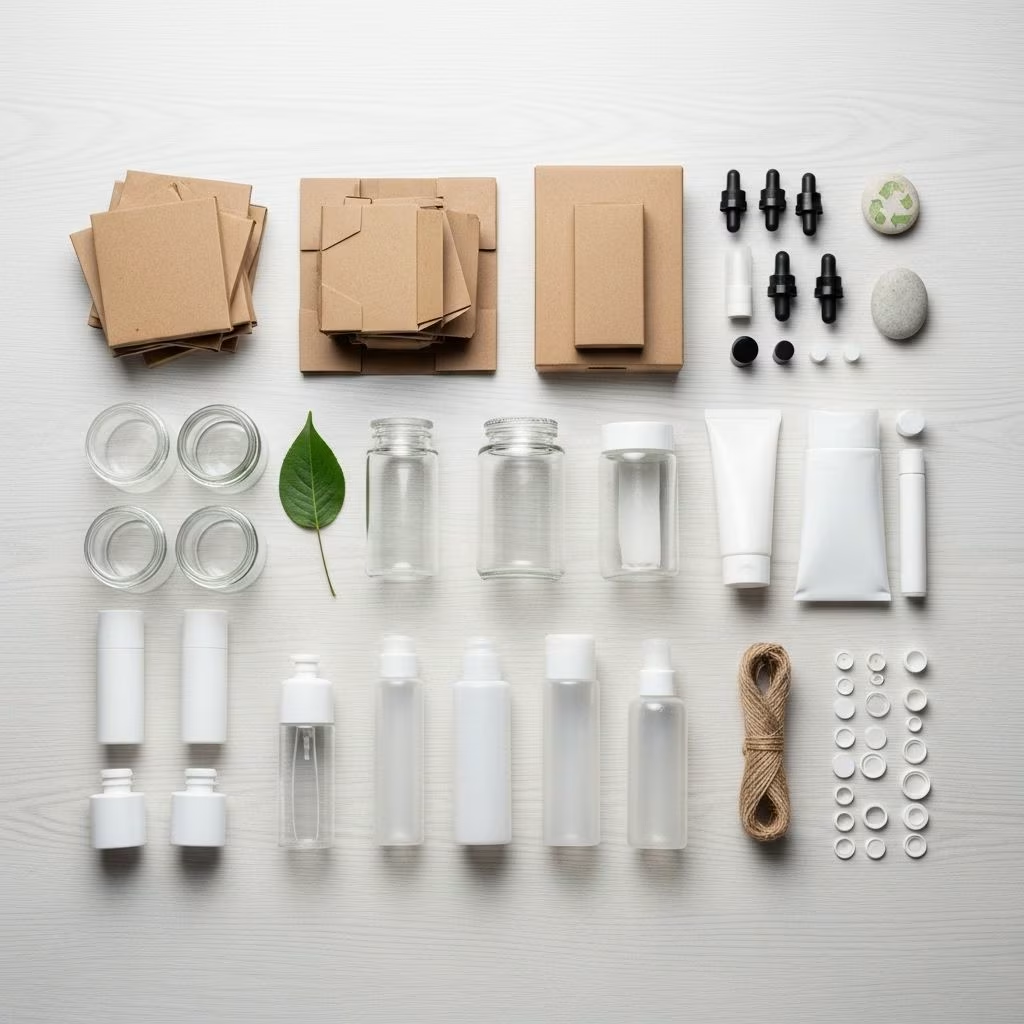
Korean (K-Beauty) and Japanese (J-Beauty) skincare and makeup brands have won global fans with innovative formulas and stylish packaging. But as their popularity grows, so does concern over the environmental impact of cosmetic packaging. This guide covers everything you need to responsibly dispose of and recycle K-Beauty and J-Beauty packaging in 2025, spanning regulations, brand initiatives, at-home actions, and sustainable alternatives.
Understanding K/J-Beauty Packaging
Korean and Japanese beauty products are loved for their design excellence but often come packaged in layers of plastic, glass, metal, and composite materials. Common K/J-Beauty packaging includes:
- Plastic bottles, tubes, and pumps (e.g., cleansers, lotions, sunscreens)
- Glass jars and bottles (e.g., serums, ampoules, oils)
- Aluminum tubes and cans (e.g., foams, sprays)
- Multilayer compacts, palettes, and cushion foundations (multiple materials)
- Sheet mask wrappers and pouches (metallic and plastic foil blends)
- Secondary packaging (cardboard boxes, plastic films, inserts)
This diversity of materials makes recycling challenging, as some parts are more easily recycled than others, while some combinations are regarded as hard-to-recycle.
Current Recycling Regulations in Korea and Japan
Korea: The Promotion of Saving and Recycling of Resources Act
Since 2019, South Korea requires local and imported cosmetics to comply with the Recycling Act. Key requirements include:
- Bans on packaging that is difficult to recycle, such as PVC and colored PET bottles
- Classification and labeling of nine packaging material types (paper, glass, steel, aluminum, synthetic resins, PSP, PET, etc.)
- Producers/importers must register recycling plans and pay fees based on packaging volume and material type
However, many cosmetic containers, because of their complex composition and colored plastics, were labeled as “difficult to recycle”. This created a need for a new system — the Reverse Recycling Scheme.
Japan: Circular Economy Initiatives
Japan is advancing toward a circular economy in the beauty sector through:
- Nationwide collection and separation protocols for packaging materials like PET bottles, glass, and metal
- Collaboration among manufacturers (e.g., Albion, Mitsubishi Chemical, Japan Polypropylene) to recycle plastics into new cosmetic containers, closing the loop on packaging life cycles
- Innovations in chemical recycling facilities that break plastics down into raw materials for new packaging production
Both countries aim to reduce packaging waste and advance recycling technologies, though obstacles remain for multi-material or colored packaging.
Reverse Recycling and Collection Schemes
South Korea’s Reverse Recycling Scheme for Cosmetic Containers
Launched in 2020, this initiative lets manufacturers and importers join a government-approved system where consumers can return empty containers at brand stores, supermarkets, or participating shops. Key attributes:
- Companies collect used containers and pay recycling fees to the Korea Packaging Recycling Cooperative
- Once accepted, products are exempt from the “difficult to recycle” label
- Applies to glass, PET, and synthetic resin packaging
- Consumers are encouraged to drop containers at designated points; companies handle transportation to recycling plants
- Scheme lasts five years, with annual reporting and plan updates required
This system vastly improves the recovery rate of cosmetic packaging and incentivizes brands to actively participate in post-consumer recycling efforts.
Japan’s Circular Cosmetics Initiatives
Leading Japanese brands and recycling firms collaborate to collect, sort, and process used packaging. For example:
- Albion, together with Mitsubishi Chemical and Refinverse, chemically recycles cosmetic plastics into new containers for closed-loop usage
- Community-based collection schemes (sometimes in partnership with local schools or retailers) pilot the collection and reprocessing of packaging, such as caps and plugs
The focus is on closing the material loop and reducing dependency on virgin plastics.
Sorting and Recycling at Home
Given the complex mix of materials, proper sorting at home is crucial for maximizing recycling outcomes. Here’s how to sort and prepare common K/J-beauty items for local recycling or take-back schemes:
| Packaging Type | Preparation Steps | Recycling Notes |
|---|---|---|
| Plastic bottles (PET, PP, PE) | Rinse thoroughly; remove pumps/caps when possible | Clear/light plastic is often preferred; colored may be harder to recycle |
| Glass jars & bottles | Rinse and separate from lids/seals; avoid mixing with ceramics | Glass is widely recyclable; metal lids processed separately |
| Aluminum cans/tubes | Empty and flatten tubes/cans Remove excess product | Highly recyclable if clean; avoid mixing with plastic tubes |
| Compacts/palettes/cushions | Remove mirrors, pans, and other inserts if possible | Multi-material, often best sent to special recycling programs |
| Sheet mask packets | Wipe clean, fold flat | Often not recyclable curbside; consider specialty programs |
- Always check local rules as recycling standards vary widely
- Some localities or programs accept pumps, droppers, and spray heads; others do not due to metal/spring components
- If in doubt, use a collection or mail-back program designed specifically for beauty packaging
Brand-Run and Third-Party Recycling Programs
Beauty packaging is often difficult to recycle via conventional local recycling streams because:
- Items are small and hard to sort
- Composed of mixed or composite materials
- Residue contamination from product remnants increases processing difficulty
To address these challenges, numerous brands and organizations have launched take-back or mail-in programs:
- Kiehl’s Mission Renewal: Accepts any brand’s beauty packaging at their stores (plastic/glass bottles, pumps, sprays, jars) for responsible recycling
- TerraCycle Beauty Programs: Enables consumers to mail in beauty waste like mascara tubes, pumps, compacts, and pouches for specialized recycling. Over 98% of beauty waste collected by TerraCycle is recycled through highly monitored, traceable processes
- Other programs collaborate with retailers, community centers, and schools to collect hard-to-recycle cosmetic items
Always clean and dry packaging before returning. Programs may limit the types of packaging accepted, so check eligibility in advance.
Reusable, Refillable, and Eco-Conscious Alternatives
The future of sustainable K/J-Beauty packaging is shifting towards reusable and refillable solutions, as well as selection of eco-friendly materials:
- Refill pods and pouches that slot into existing cases (e.g., cushion foundations, creams)
- Glass or aluminum containers, which are more easily recycled than mixed plastics
- Use of post-consumer recycled (PCR) plastics in packaging production
- Reduction of secondary and tertiary packaging (e.g., fewer boxes, less plastic wrap)
- Biodegradable or compostable packaging, currently in early stages for beauty products
When shopping, look for brands that offer refill systems or use minimal, recyclable, or recycled packaging. Support brands investing in circular economy solutions.
Challenges: What Still Can’t Be Recycled?
Despite progress, key challenges remain in the sustainability of K/J-Beauty packaging:
- Multi-material packaging: e.g., compacts with metal pans, mirrors, magnets, and plastic outer cases are very difficult to separate and recycle
- Pumps & droppers: Contain metal springs and mix materials
- Foil pouches, sachets, sheet mask wrappers: Often composed of layers or blends (aluminum, polyethylene, polyester) which cannot be separated by municipal facilities
- Colored and opaque plastics: Less desirable for recycling streams due to dye contamination
Some of these items may require specialty recycling services (e.g., TerraCycle), while others may be best minimized or avoided altogether.
Becoming a Responsible Beauty Consumer
To minimize your beauty routine’s environmental impact:
- Buy from brands with clear sustainability policies and take-back or refill programs
- Choose products with less packaging, or packaging made from glass, aluminum, or PCR plastic
- Refuse excessive samples or single-use sachets
- Educate yourself about your local recycling rules and use specialty programs for hard-to-recycle beauty waste
- Contact brands and ask for clear packaging disposal instructions
Frequently Asked Questions (FAQs)
Can all cosmetic packaging be recycled in my home recycling bin?
Not all packaging is accepted in local recycling. Glass and clear PET bottles are widely recyclable, but items like pumps, compacts, and multilayer sachets often require specialty recycling programs.
What is the most eco-friendly beauty packaging option?
Packaging that is refillable, made from a single material (especially glass or aluminum), or from post-consumer recycled plastic is considered the most sustainable. Avoid multilayer or composite packaging where possible.
How clean do containers need to be before recycling?
Rinse out as much product as possible. While containers don’t need to be spotless, excessive residue can cause issues in recycling facilities.
What are some innovative brand solutions in K/J-Beauty?
Brands like Albion in Japan chemically recycle polypropylene packaging into new containers as part of a closed-loop system, while many K-beauty companies participate in government-endorsed reverse recycling schemes for post-consumer collection and processing.
Where do I take empty K/J-beauty packaging if local recycling won’t accept it?
Check if the brand offers a take-back scheme. Otherwise, use global programs like TerraCycle or retailer partnerships accepting beauty empties.
Further Resources
- Check your local government’s recycling guidelines.
- Visit brand websites for specific instructions or mail-in recycling programs.
- Explore platforms like TerraCycle for insights into specialist recycling options and updates on accepted materials.
- Learn more about Japan’s and Korea’s recycling laws via official Environment Ministry sources for guidelines and requirements.
References
- https://packagingeurope.com/news/albion-aspires-for-circular-cosmetics-packaging-in-recycling-partnership/12670.article
- https://www.trade.gov/market-intelligence/korea-cosmetics-packaging-recycling
- https://cosmetic.chemlinked.com/news/cosmetic-news/south-korea-exempts-cosmetics-from-labeling-the-difficult-to-recycle-via-new-reverse-recycling-scheme
- https://sustainability.chemlinked.com/news/navigating-asian-epr-policies-south-korea-japan-and-southeast-asia
- https://www.terracycle.com/en-US/pages/2023-beauty-report
- https://www.ul.com/resources/environmental-labeling-packaging-japan-and-south-korea
- https://www.kiehls.com/mission-renewal.html


