


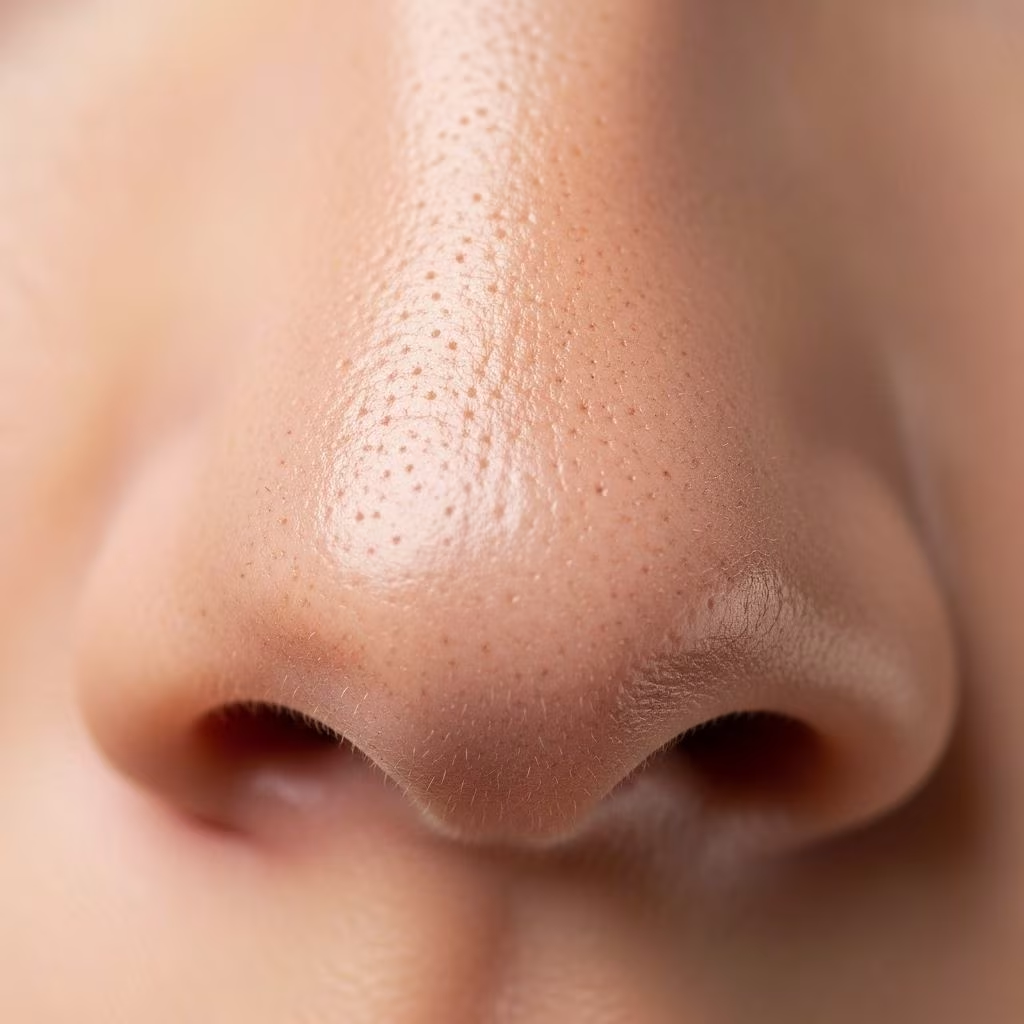
Introduction to Nose Pores and Filaments
Nose pores and sebaceous filaments are common concerns for many individuals seeking to improve their skin’s appearance. Nose pores help regulate oil production and manage sweat, while sebaceous filaments, which are often mistaken for blackheads, are important for maintaining skin health by aiding in the flow of sebum.
Understanding Nose Pores
Nose pores are small openings in the skin that serve as outlets for oil glands. They are a natural part of human anatomy and play a crucial role in oil production and skin moisture. However, when these pores become clogged with dirt, oil, and dead skin cells, they can appear larger and more noticeable.
Understanding Sebaceous Filaments
Sebaceous filaments are small, thread-like structures within pores that are composed of dead skin cells and sebum. They help facilitate the flow of sebum to the skin’s surface, maintaining skin moisture and health. While they are often mistaken for blackheads, they are not the same and are a normal part of skin anatomy.
Common Methods for Spot Treatment
There are several methods for treating nose pores and filaments, ranging from over-the-counter products to professional dermatological treatments.
### 1. Nose StripsNose strips are a popular over-the-counter solution for temporarily removing blackheads and making pores appear smaller. They work by using an adhesive to stick to the skin, pulling out debris from clogged pores. However, the results are temporary, and frequent use can lead to skin irritation and remove protective sebaceous filaments.### 2. Salicylic Acid and Glycolic Acid ProductsSalicylic acid and glycolic acid are effective chemicals for exfoliating the skin and unclogging pores. These alpha-hydroxy acids help reduce the appearance of pores by promoting cell turnover and keeping pores clear.### 3. Topical TreatmentsTopical treatments such as retinoids, retinols, and niacinamide can help reduce the appearance of pores over time. These ingredients promote cell turnover, improve skin texture, and regulate oil production.### 4. Professional TreatmentsProfessional treatments like microdermabrasion, chemical peels, and laser therapy are more effective in reducing pore size. These treatments can provide more lasting results and are often combined for optimal effect.
The Risks of Home Remedies
While home remedies can be appealing for their convenience and cost-effectiveness, some methods can be harmful. Squeezing or picking at pores can lead to inflammation, infection, and scarring, and should be avoided.
Frequently Asked Questions (FAQs)
Q: How can I make my pores look smaller?
To make pores appear smaller, use products containing salicylic acid or glycolic acid to exfoliate and unclog pores. Regular exfoliation and maintaining a consistent skincare routine can also help improve skin texture and reduce pore visibility.
Q: Are nose strips effective for long-term results?
Nose strips are not effective for long-term results. They can temporarily remove blackheads and make pores appear smaller, but pores will likely refill with debris over time. For more lasting effects, consider professional treatments or consistent use of skincare products.
Q: What are the risks of using nose strips regularly?
Using nose strips regularly can lead to skin irritation and removal of sebaceous filaments. This can disrupt the skin’s natural oil balance and expose pores to dirt and bacteria, potentially causing inflammation.
Conclusion
Spot treating nose pores and filaments requires a combination of gentle skincare practices and targeted treatments. While over-the-counter solutions like nose strips can provide temporary relief, professional treatments offer more lasting results. It’s important to consult with a dermatologist to find the best approach based on individual skin needs and concerns.
References
- https://www.healthline.com/health/beauty-skin-care/nose-strips
- https://111skin.com/en-us/blogs/111journal/large-pores-on-the-nose-dos-and-donts
- https://onlinelibrary.wiley.com/doi/10.1111/jocd.15502
- https://www.womenshealthmag.com/beauty/a65983441/how-to-unclog-pores-fast/
- https://www.aad.org/public/everyday-care/skin-care-secrets/face/treat-large-pores
- https://skinwellness.com/learn/what-your-dermatologist-wishes-you-knew-about-sebaceous-filaments/
- https://www.youtube.com/watch?v=Aj8gnLU930I
- https://healthcare.utah.edu/healthfeed/2024/04/should-you-vacuum-your-pores
- https://blog.ochsner.org/articles/are-you-stripping-away-at-your-beauty-with-pore-strips/


