


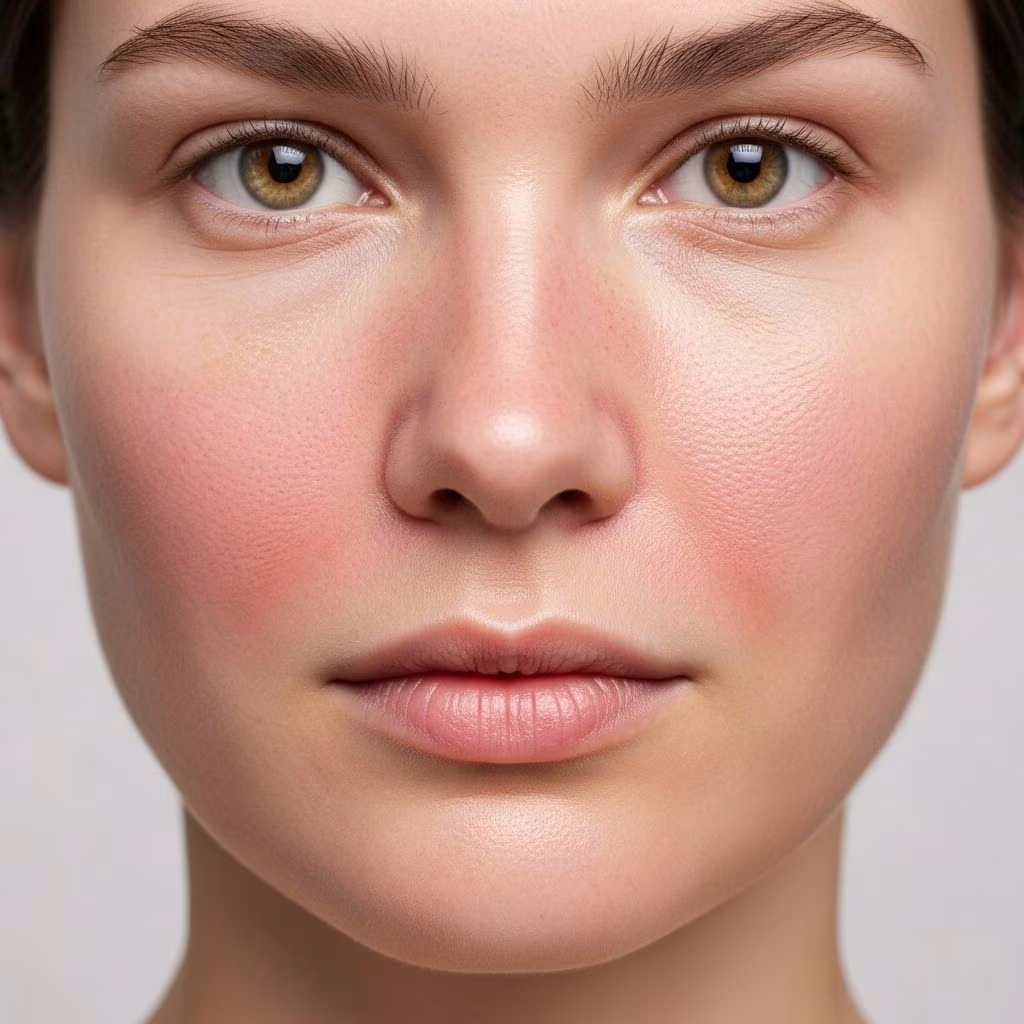
The W-Zone of the face—comprising the nose, cheeks, and chin—often shows visible redness, flushing, and irritation in diverse skin types. Whether due to sensitive skin, environmental factors, underlying conditions, or skincare practices, understanding the root causes and solutions is crucial for restoring your skin’s clarity and health.
Understanding W-Zone Redness
W-zone redness is a term used to describe visible flushing, irritation, or persistent erythema (redness) across the mid-face: the cheeks, nose, and chin. This region is particularly prone to vascular dilation and surface sensitivity due to thinner skin, increased blood vessel density, and environmental exposure. Redness can be transient or chronic, with severity fluctuating due to various internal and external triggers.
Common Causes of W-Zone Redness
Multiple factors contribute to redness in the W-zone. The most common include:
- Ingredient sensitivity: Potent actives such as retinoids, alpha-hydroxy acids (AHAs), and benzoyl peroxide often trigger irritation, especially in sensitive skin.
- Over-exfoliation: Excessive use of scrubs or chemical exfoliants strips natural oils, compromising the skin barrier and resulting in redness.
- Incorrect product layering: Mixing incompatible products (e.g., strong acids with retinoids) can aggravate inflammation and cause flare-ups.
- Allergic reactions: Fragrances, preservatives, or specific chemicals may provoke allergic contact dermatitis, showing as redness, itching, and swelling.
- Sunburn: UV exposure directly damages blood vessels and connective tissue, leading to erythema, tenderness, and increased sensitivity.
- Friction, heat, and environmental stressors: Repeated rubbing, extreme temperature changes, and pollution can stimulate redness through vascular responses and barrier damage.
- Hormonal fluctuations: Pregnancy, menopause, and emotional stress may amplify redness via vasodilation.
Skin Conditions Associated with W-Zone Redness
Persistent or severe redness in the W-zone is often a symptom of underlying dermatological conditions:
- Rosacea: A chronic, relapsing disorder marked by facial redness, flushing, visible blood vessels, and sometimes inflammatory papules centered on cheeks, nose, and chin.
- Seborrheic dermatitis: Red, flaky patches typically found around the nose and chin due to yeast overgrowth and barrier dysfunction.
- Contact dermatitis: Allergic or irritant reactions, frequently triggered by skincare ingredients or environmental allergens.
- Eczema (atopic dermatitis): Dryness, scaling, and redness, often aggravated by lifestyle, genetic, and environmental influences.
| Condition | Main Features | W-Zone Involvement |
|---|---|---|
| Rosacea | Flushing, persistent redness, visible vessels, papules | High (cheeks, nose, chin) |
| Seborrheic Dermatitis | Red, greasy, flaky patches | Common (nose, eyebrows, chin) |
| Contact Dermatitis | Red, itchy rash, swelling | Variable, often from topical exposures |
| Eczema | Dry, itchy, red skin | Possible (higher in sensitive skins) |
Triggers Aggravating W-Zone Redness
W-zone redness can be dramatically intensified by specific triggers:
- Physical irritation: Scrubbing, rough towels, masks.
- Thermal changes: Hot showers, steam treatments, sudden cold exposure.
- Chemical irritants: Fragranced or alcohol-based toners, soaps.
- Dietary factors: Spicy foods, caffeine, alcohol.
- Emotional stress: Anxiety, embarrassment, strong emotions causing facial flushing.
- Smoking and air pollution: Exacerbate vascular responses and weaken the skin’s barrier.
Many triggers are cumulative—for example, chronic sun exposure may make skin more sensitive to topical skincare actives, or stress amplifies underlying conditions like rosacea and eczema.
Identifying and Monitoring Redness
Accurate identification of causes is essential to effective management. Dermatologists recommend:
- Patch testing: Before regular use, apply a small amount of new product to your jawline or behind the ear. Observe for 48 hours; avoid if irritation develops.
- Introduce products gradually: Add one new product every few days and note any change in redness or discomfort.
- Diary tracking: Record product use, environmental exposures, and dietary habits to identify patterns that correlate with flare-ups.
- Professional assessment: Persistent or severe redness should prompt a dermatological consultation for tailored management and potential testing.
Skincare Solutions and Prevention Strategies
Evidence-based skincare strategies can help reduce W-zone redness and foster comfort:
- Gentle product selection: Choose fragrance-free, alcohol-free, and formulae tested for sensitive skin. Prioritize non-comedogenic moisturizers, calming serums, and barrier creams, incorporating ceramides, niacinamide, or hyaluronic acid.
- Sun protection: Apply broad-spectrum sunscreen (SPF 50+) daily, even indoors. UV protection prevents aggravation and minimises long-term damage.
- Build tolerance gradually: Introduce actives (retinoids, AHAs) at low concentrations, increasing usage slowly as tolerance improves and redness declines.
- Establish a minimalistic routine: Reduce the number of skincare steps during flare-ups to avoid overloading the barrier.
- Consistent moisturization: Hydrate with gentle, occlusive creams; look for ingredients such as squalane and glycerin.
- Regular cleansing: Use lukewarm water and soft cloths; avoid harsh exfoliants, brushes, or rough towels that stimulate redness.
- Targeted treatment: For rosacea, consider prescription creams or oral medications under a dermatologist’s direction.
Ingredient Spotlight: Soothing and Repairing
- Niacinamide: Calms inflammation, improves barrier function, reduces visible redness.
- Ceramides: Restore protective barrier, lock in moisture, soothe irritation.
- Aloe Vera: Naturally anti-inflammatory, helps reduce stinging and discomfort.
- Thermal Spring Water: Demonstrated anti-inflammatory properties; useful in sprays or rinses for sensitive skin.
- Colloidal Oatmeal: Shown to comfort dry, irritated, or allergic skin. Often found in masks and rich creams.
- Centella Asiatica: A botanical extract to reduce inflammation and support skin repair mechanisms.
Lifestyle Adjustments
Ongoing management and prevention of W-zone redness benefit from several lifestyle tweaks:
- Stress management: Mindfulness, yoga, and breathing exercises reduce flushing episodes precipitated by anxiety or emotional stress.
- Limit hot showers and extreme temperatures: Opt for cooler water and avoid saunas or steam rooms during flare-ups.
- Avoid dietary triggers: Reduce or eliminate spicy foods, caffeine, and alcohol if you notice correlations with facial redness.
- Quit smoking: Tobacco weakens skin’s defenses and heightens vascular reactivity.
- Protect against pollution: Use antioxidant-rich serums and ensure proper cleansing after exposure.
Frequently Asked Questions (FAQs)
Q: What is the W-zone and why is it prone to redness?
The W-zone covers your cheeks, nose, and chin—areas with high blood vessel density and thinner skin, making them more sensitive to irritation, vascular dilation, and environmental injury.
Q: Is redness in the W-zone the same as rosacea?
No, while rosacea is a major cause of persistent redness in the W-zone, temporary redness may result from product irritation, allergies, or physical stress. A clinical diagnosis is necessary for rosacea.
Q: What are the most effective ingredients for soothing W-zone redness?
Niacinamide, ceramides, aloe vera, colloidal oatmeal, and mineral-rich thermal spring water are best supported by evidence for calming redness and repairing skin barriers.
Q: How can I tell if my skincare routine is causing my redness?
Monitor your routine by patch testing new products, introducing changes slowly, and tracking redness patterns. Consult a dermatologist if the problem persists or worsens.
Q: When should I see a dermatologist about W-zone redness?
Seek medical advice if redness is persistent, associated with discomfort, swelling, blisters, or visible blood vessels. Dermatologists can diagnose underlying conditions such as rosacea, eczema, or allergic contact dermatitis and recommend specific therapy.
When to See a Dermatologist
Not all W-zone redness warrants clinical intervention. However, consult a dermatologist if:
- The redness is persistent and increasing.
- You experience severe discomfort, swelling, or blistering.
- Other skin changes (visible blood vessels, papules, scaling) develop.
- Over-the-counter and gentle skincare solutions do not improve your symptoms within a few weeks.
A dermatologist can perform diagnostic tests (such as patch testing or biopsies), prescribe targeted treatments (such as topical anti-inflammatories, antibiotics, or oral medications), and provide tailored routines to minimize future redness episodes.
Conclusion
The complex nature of W-zone redness requires an understanding of potential triggers, underlying conditions, and optimal skincare strategies. By employing gentler routines, recognizing irritants, and seeking professional guidance for persistent symptoms, individuals can restore balance and maintain facial clarity.
References
- https://drderme.com/skincare-routine-causing-redness-top-tips/
- https://www.medicalnewstoday.com/articles/323521
- https://africa.laroche-posay.com/en-za/article/facial-redness-skin-flushing-erythrosis-androsacea-skin-redness-causes-and-solution
- https://www.aad.org/public/everyday-care/skin-care-secrets/face/facial-redness
- https://my.clevelandclinic.org/health/diseases/12174-rosacea
- https://www.mayoclinic.org/diseases-conditions/rosacea/symptoms-causes/syc-20353815
- https://www.healthline.com/health/skin-redness
- https://www.nhs.uk/conditions/rosacea/
- https://www.aad.org/public/diseases/rosacea/what-is/red-face


