


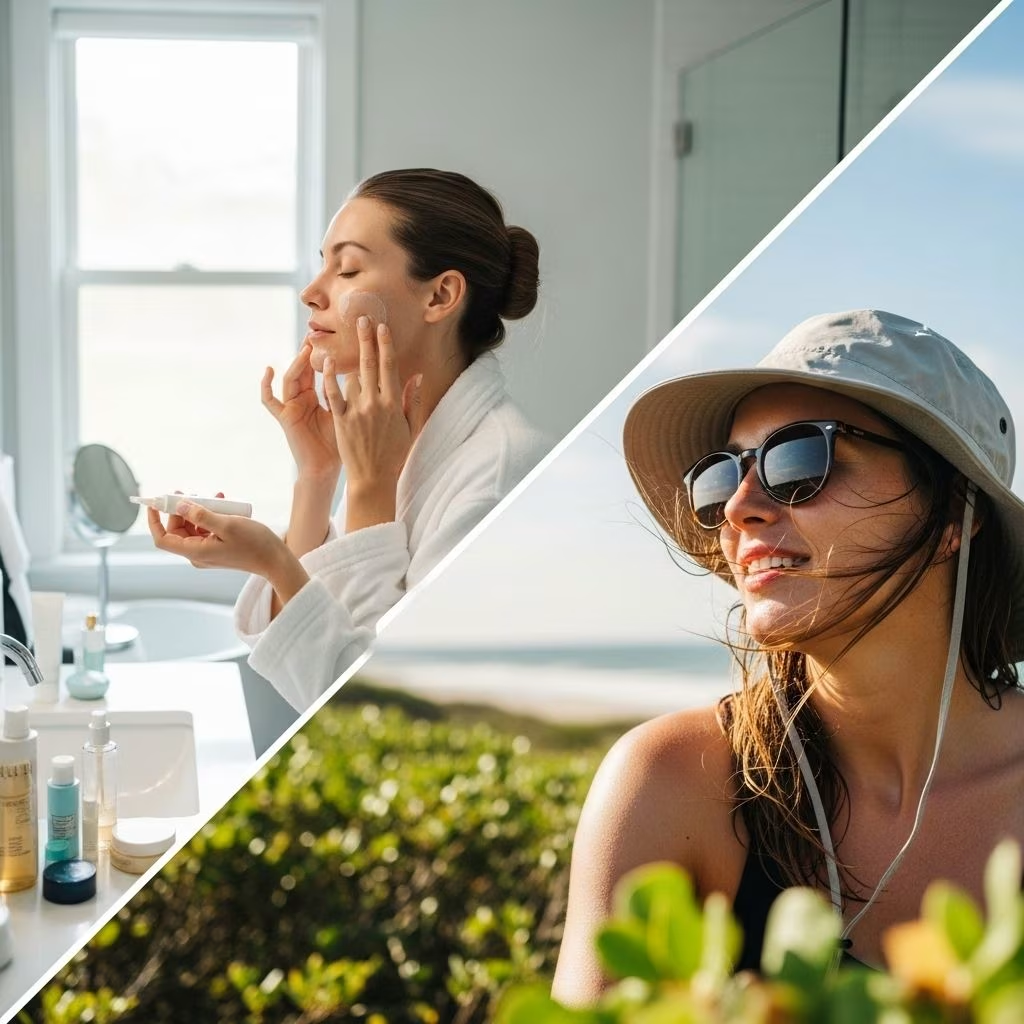
Your skin is your body’s largest organ, and it constantly reacts to the environment—whether you’re seeking comfort indoors or spending most of your time outdoors. Both settings bring unique challenges and risks that influence the health, appearance, and long-term wellbeing of your skin. Understanding the lifestyle impact of indoor versus outdoor living on your skin can help you develop a smarter, more effective skincare routine adapted to your daily reality.
Understanding the Skin Barrier
The skin barrier (stratum corneum) is a multilayered shield formed by skin cells (corneocytes) and lipids that prevents water loss and blocks external irritants. Its health is central to how skin responds to changing environments:
- Healthy skin barrier: Retains moisture, protects against pollutants, allergens, and pathogens, and appears smooth and supple.
- Compromised barrier: Allows excessive water loss (transepidermal water loss or TEWL), leading to dryness, sensitivity, inflammation, and faster aging.
Environmental Factors Affecting Skin
Several environmental elements interact with your skin daily and are especially significant depending on your lifestyle:
- Humidity (indoors/outdoors): Influences moisture retention and oil production.
- Temperature fluctuations: Cold can stiffen skin oils while heat can promote oiliness and sweat.
- Sun exposure & UV radiation: Increases risk of burns, pigmentation, and photoaging, even indoors via windows.
- Air quality and pollution: Outdoor pollutants and indoor particulates or irritants both stress the skin.
- Wind: Strips away natural oils and intensifies dryness, especially outdoors.
- Indoor climate control: Heating and air conditioning alter ambient moisture levels and can trigger skin imbalances.
The Effects of an Indoor Lifestyle on Skin
Modern life often means long hours inside—at home, in offices, or climate-controlled environments—which introduces distinct skin challenges.
Low Humidity & Dry Air
Indoor heating during the colder months or air conditioning in summer creates dry, low-humidity conditions. These environments accelerate transepidermal water loss (TEWL), pulling moisture from the skin and leading to sensations of tightness, flakiness, or rough texture. Over time, this impacts the activity of skin’s Natural Moisturizing Factors (NMFs), such as urea and lactate, reducing the skin’s ability to hold water.
- Common issues: Dehydrated skin, eczema flares, increased sensitivity, and more visible fine lines.
- Key triggers: Central heating, forced-air systems, prolonged screen time, and insufficient airflow.
Indoor Air Quality
Enclosed environments can concentrate dust, pet dander, mold, volatile organic compounds (VOCs) from furniture or cleaning products, and other irritants that spark inflammation, allergies or breakouts. Poor air circulation or lack of ventilation increases pollutant exposure, which can be especially problematic for sensitive or allergy-prone skin.
Artificial Light and Screen Time
Extended exposure to artificial light—especially blue light emitted by screens—has been implicated in oxidative stress and premature skin aging. While research continues, a growing body of evidence suggests that digital pollution is a real skin concern for dedicated indoor dwellers.
Summary Table: Common Indoor Skin Effects and Solutions
| Challenge | Impact on Skin | Key Solutions |
|---|---|---|
| Low Humidity | Dryness, tightness, flaking | Use humidifiers, rich moisturizers, hydrate well |
| Polluted Air | Sensitivity, breakouts, dullness | Air purifiers, frequent ventilation, antioxidant skincare |
| Screen Time | Potential premature aging | Blue-light protection, antioxidant serums |
The Effects of Outdoor Living on Skin
Outdoor lifestyles mean more direct contact with varied and sometimes harsh environmental conditions. Your skin is at the front lines, adapting to every shift in temperature, humidity, sunlight, and pollution.
Sun Exposure & UV Radiation
Ultraviolet rays are one of the most potent external skin stressors. Chronic exposure results in pigmentation changes, photoaging, dryness, loss of elasticity, and increased risk of skin cancers. UV rays penetrate even on cloudy days or through windows, causing cumulative damage to outdoor enthusiasts and unwary indoor dwellers alike.
Variable Humidity and Temperature
- High humidity: Common in tropical regions and during summer, it causes increased sweating and sebum production. This often leads to clogged pores, acne, and shiny skin texture.
- Low humidity or arid conditions: Outdoor time in dry or windy climates, especially at high altitudes or deserts, strips moisture and natural oils, resulting in dryness, roughness, irritation, and faster aging.
- Cold/windy climates: Exposure thickens and solidifies sebum, which can make the skin barrier patchy and less efficient at locking water—leading to chapping, redness, and sensitivity.
Pollution and Particulates
Urban dwellers face increased exposure to smog, exhaust fumes, and other airborne toxins. These irritants generate oxidative stress in the skin, provoke breakouts, and speed up the development of fine lines and uneven tone.
Climate-Smart Skincare Strategies
Adaptation is key: Each environment demands a tailored skincare approach that respects your unique challenges, from intensive hydration indoors to oil regulation and UV protection outdoors.
Adapting Indoors
- Install humidifiers to keep indoor humidity between 40–60%—ideal for healthy skin.
- Focus on replenishing moisture with hydrating serums and rich, barrier-supporting creams (look for ceramides, squalane, hyaluronic acid).
- Maintain indoor air quality using air purifiers or air washers, especially for sensitive or allergy-prone skin.
- Drink fluids and use occlusive moisturizers right after cleansing (within 3 minutes) to lock in water.
- Reduce screen time when possible; consider blue-light protective skincare.
Adapting Outdoors
- Use broad-spectrum sunscreen daily, regardless of weather, and reapply every two hours when exposed to direct sunlight or after sweating/swimming.
- In humid climates, opt for lightweight, oil-free products with ingredients such as salicylic acid and niacinamide to control shine and limit breakouts.
- Layer antioxidant serums (vitamin C, ferulic acid) to fight free radicals and pollution damage.
- In cold or windy weather, strengthen your barrier with thicker creams, peptides, and fatty acids; protect skin with scarves or hats for wind defense.
- Stay hydrated and cleanse thoroughly to remove pollutants and sweat.
Optimizing Your Skincare Routine for Any Environment
A balanced skincare routine adapts to both indoor and outdoor factors and ensures your barrier function is supported year-round. Consider these universal principles:
- Always start with a gentle cleanser to prevent stripping natural oils and prepare the skin for absorption.
- Layer products according to need: hydrating serums for thirst, occlusives for sealing in moisture, and actives for regeneration or specific concerns.
- Don’t forget SPF—even on cloudy days or when seated near windows.
- Switch to richer or lighter formulas as seasons and activities shift—your skin’s needs will change.
- Listen to your skin: signs of irritation, excessive oiliness, or flaking mean it’s time to adapt your routine.
Essential Skincare Tips for Different Environments
For Indoor Environments
- Run a humidifier in dry seasons or whenever using central heating.
- Open windows regularly to cycle out airborne irritants (weather permitting).
- Choose fragrance-free, soothing formulations to minimize reactivity.
- Keep hydrated inside and out: drink water and use moisturizers right after showering or washing your face.
For Outdoor Environments
- Always apply (and frequently reapply) sunscreen—at least SPF 30.
- Wear protective clothing and hats to shield against sun and wind.
- Use antioxidants (vitamin C, green tea extract) to combat particle and UV damage.
- Switch to richer creams for cold and windy days, lighter gels for humid or hot weather.
- Double cleanse in urban or polluted areas to thoroughly remove grime and pollutants.
For Changing Environments (Transitioning Between Indoors and Outdoors)
- Layer products for protection—just as you would put on and take off outerwear—tailoring moisturizer and sun protection as you go.
- Apply moisturizer within three minutes after washing to lock in hydration, especially when heading outdoors in winter.
Lifestyle Habits and Their Impact
- Diet: What you eat can impact inflammation and hydration. Focus on antioxidant-rich fruits, vegetables, and healthy fats to support skin resilience.
- Stress management: High stress can disrupt the skin barrier and trigger flareups. Regular relaxation and self-care benefit your skin.
- Sleep: Rest is essential for skin repair. Prioritize consistent, quality sleep to prevent dullness and irritation.
Frequently Asked Questions (FAQs)
Q: Does indoor living eliminate the need for sunscreen?
A: No. UVA rays penetrate through glass, so regular sunscreen application is important even when you’re near windows or driving.
Q: How can I tell if my skin issues are from indoor or outdoor factors?
A: Indoor dryness usually means tightness and flaking that worsens in heated or air-conditioned spaces, while outdoor issues often appear after exposure to sun, wind, or pollution, leading to redness, irritation, or oiliness. Tracking when symptoms occur can help pinpoint the cause.
Q: Should my skincare products change with the seasons?
A: Yes, adapting your routine to climate changes—thicker creams in winter, oil-controlling ingredients in summer—protects your barrier and maintains skin health.
Q: Can air purifiers really improve my skin?
A: Air purifiers and air washers can reduce indoor irritants like dust or pollen, which is helpful for sensitive or allergy-prone skin.
Q: How important is hydration for indoor and outdoor skin health?
A: Essential in both cases. Internal hydration keeps skin supple; external moisturizers seal in moisture and protect against environmental stressors.
Key Takeaways
- Your skin adapts dynamically to both indoor and outdoor environments; recognize and respond to its needs for best results.
- Maintain healthy humidity at home, use barrier-strengthening products, and protect your skin outdoors with SPF and antioxidants.
- Monitor changes in season and climate: update your routine accordingly as humidity and temperature rise or fall.
- Healthy skin is resilient; combining proper care with smart lifestyle choices keeps it vibrant—no matter where life takes you.
References
- https://pourmoiskincare.com/blogs/beautyforecast/from-indoors-to-outdoors-how-to-keep-your-skin-healthy-in-changing-environments
- https://www.stadlerform.com/en/health/humidify-air/how-does-humidity-affect-skin-care
- https://skincareinstitute.net/the-role-of-climate-and-geography-in-choosing-skincare-products/
- https://www.cetaphil.com/us/skincare-tips/skin-science/how-different-seasons-and-weather-can-affect-your-skin.html
- https://wu-next-prod-us-east-1-aws.wunderground.com/article/health/skin-health/news/2024-08-15-skin-health-in-different-regional-climates
- https://www.miquest.ai/blog/summer-vs-winter-skincare-whats-the-difference
- https://merrion.ca/blogs/advanced-skincare/seasonal-skin-care-products-and-routine
- https://elline-switzerland.com/en/blogs/elline-journal/saisonale-hautpflege-sommer-winter
- https://www.axis-y.com/blogs/clarity/winter-vs-summer-skincare-routine


