


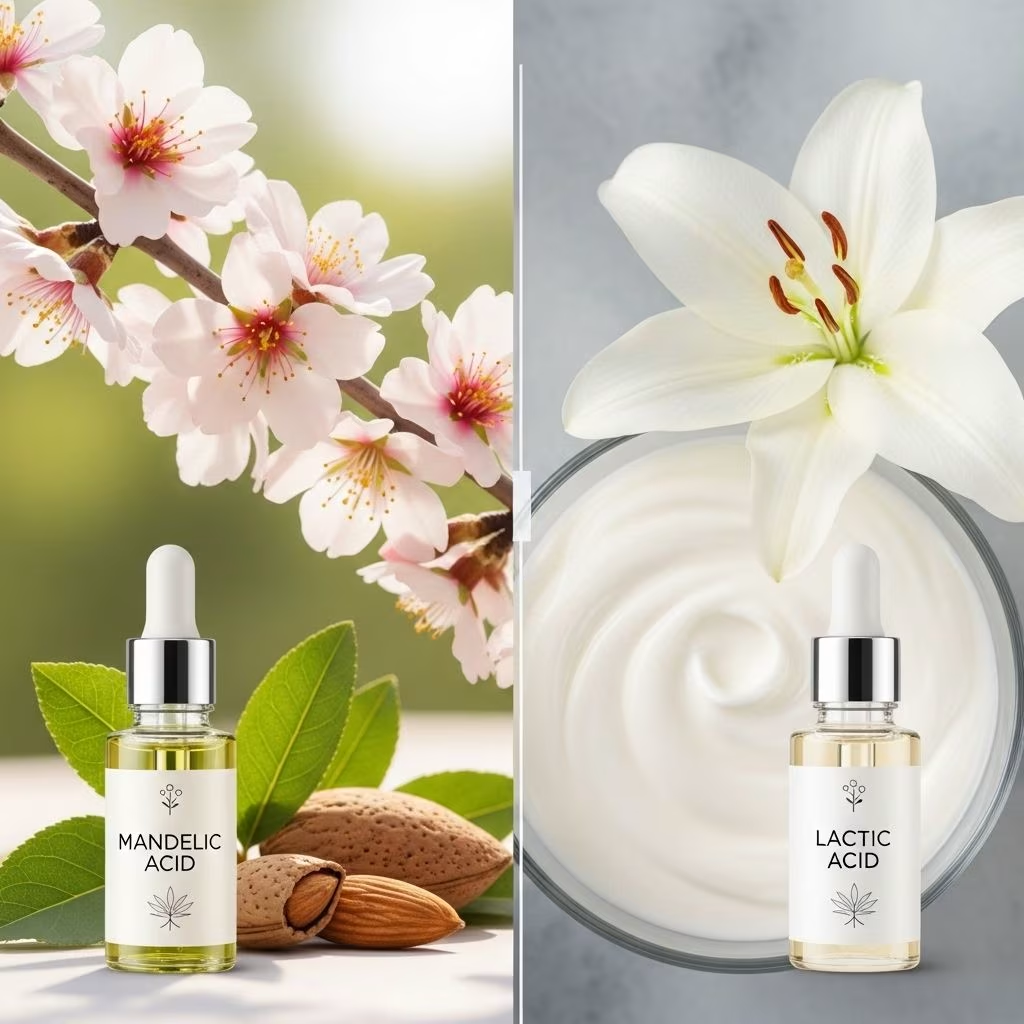
Mandelic vs. Lactic Acid: AHA for Sensitive Skin
Alpha hydroxy acids (AHAs) are a staple in many skincare routines due to their ability to exfoliate and improve skin texture, but choosing the right AHA can be challenging, especially for those with sensitive skin. Two popular AHAs are mandelic acid and lactic acid, each offering unique benefits and potential drawbacks. This article will delve into the differences between these two acids, helping you decide which one is best suited for your skin type.
## Table of Contents- [Introduction to AHAs](#introduction-to-ahas)- [What is Mandelic Acid?](#what-is-mandelic-acid)- [What is Lactic Acid?](#what-is-lactic-acid)- [Key Differences Between Mandelic and Lactic Acid](#key-differences-between-mandelic-and-lactic-acid)- [Benefits for Sensitive Skin](#benefits-for-sensitive-skin)- [How to Use Mandelic and Lactic Acid](#how-to-use-mandelic-and-lactic-acid)- [Frequently Asked Questions](#frequently-asked-questions)## Introduction to AHAsAlpha hydroxy acids (AHAs) are a class of compounds used widely in skincare products for their exfoliating properties. They work by breaking down dead skin cells, thereby improving skin texture and appearance. AHAs include glycolic acid, lactic acid, and mandelic acid, each varying in strength and penetration depth.## What is Mandelic Acid?Mandelic acid is an AHA known for its gentle nature, making it suitable for sensitive skin. It is oil-soluble, which allows it to penetrate pores easily, reducing the risk of irritation. Mandelic acid is particularly beneficial for those with dry or mature skin due to its large molecular size, which results in slower penetration, causing minimal irritation.### Benefits of Mandelic Acid- Gentle Exfoliation: Mandelic acid provides a gentle exfoliating experience, suitable for sensitive skin.- Acne Treatment: It has antibacterial properties, helping to control acne and reduce inflammation.- Skin Brightening: It aids in fading dark spots and improving skin tone.## What is Lactic Acid?Lactic acid is another AHA, but it is stronger and more effective at penetrating deeper into the skin due to its smaller molecule size compared to mandelic acid. It is known for its hydrating properties and often used in products for sensitive skin, though it can cause irritation in some cases.### Benefits of Lactic Acid- Deeper Penetration: Lactic acid penetrates quicker, providing more intense exfoliation.- Hydration: It acts as a humectant, retaining moisture in the skin.- Skin Brightening: It helps reduce hyperpigmentation and improve skin texture.## Key Differences Between Mandelic and Lactic AcidWhile both acids are beneficial, their differences are significant when it comes to choosing the right one for your skin type.| Characteristics | Mandelic Acid | Lactic Acid ||————————|—————————————-|——————————————|| Skin Type | Suitable for all skin types, especially sensitive or dry skin. | More suitable for oily or resilient skin. || Penetration | Slower penetration due to larger molecules. | Faster penetration due to smaller molecules. || Strength | Gentler and less irritating. | Stronger and may cause irritation. || Benefits | Gentle exfoliation, antibacterial. | Effective for hyperpigmentation, hydrating. || Smell | Less odor compared to lactic acid. | Typically has a bitter smell. |## Benefits for Sensitive SkinMandelic acid is generally more suitable for sensitive skin due to its gentle nature and ability to cause minimal irritation. Here are some benefits of using AHA for sensitive skin:- Reduced Irritation: Mandelic acid is less likely to cause irritation, making it ideal for sensitive skin.- Combined Benefits: It provides both exfoliation and antibacterial benefits without the harshness of other AHAs.- Hydration: While mandelic acid isn’t as hydrating as lactic acid, its gentle nature ensures the skin barrier remains intact.## How to Use Mandelic and Lactic AcidTo incorporate these acids into your skincare routine effectively:1. Patch Test: Always do a patch test on a small area before using any new skincare product to ensure you don’t have any adverse reactions.2. Application: Use either acid in the evening as they can increase skin sensitivity to the sun. – Mandelic Acid: Start with a lower concentration (around 5-10%) for sensitive skin. – Lactic Acid: Begin with a similar concentration but be cautious of potential irritation.3. Moisturize: Always follow up with a moisturizer to protect the skin barrier.Combining with Other Products:- Avoid Layering: Do not layer mandelic and lactic acids on the same night, as this can increase irritation risk. Instead, alternate nights if you choose to use both.- Sunscreen: Always use a broad-spectrum sunscreen during the day to protect your skin from UV damage.## Frequently Asked Questions
Q: Which AHA is better for acne-prone skin?
A: For acne-prone skin, mandelic acid is an excellent choice due to its antibacterial properties and gentle nature. However, if your skin is resilient, lactic acid can be more effective in unclogging pores.
Q: Can I use both mandelic and lactic acid together?
A: It is not recommended to use both acids on the same night. If you want to use both, try using them on alternate nights to minimize the risk of irritation.
Q: How often should I use mandelic or lactic acid?
A: Start with using these acids once or twice a week and gradually increase frequency as your skin becomes more tolerant. Always follow with a moisturizer to maintain the skin barrier.
Q: Are there any side effects of using mandelic acid?
A: Mandelic acid is generally gentle and has few side effects. However, as with any AHA, there is a potential for mild irritation, especially if used too frequently.
Q: Is lactic acid suitable for sensitive skin?
A: While lactic acid can be used on sensitive skin due to its hydrating properties, it may cause irritation in some individuals due to its stronger penetration. It’s best to start with a lower concentration and monitor your skin’s response.
References
- https://skincarestacy.com/mandelic-acid-vs-lactic-acid/
- https://naturium.com/blogs/ingredient-library-blog/mandelic-acid-vs-lactic-acid
- https://beminimalist.co/blogs/skin-care/confused-about-ahas-know-your-exfoliants-read-the-benefits-of-glycolic-mandelic-lactic-acid
- https://www.paulaschoice.com/expert-advice/skincare-advice/ingredient-spotlight/mandelic-acid-for-skin.html
- https://alamoheightsderm.com/the-magic-of-face-acids/
- https://chemistconfessions.com/blogs/mandelic-acid-should-you-choose-it-over-salicylic-acid-or-glycolic-acid
- https://www.paulaschoice-eu.com/mandelic-acid-what-is-it-and-how-can-i-use-it
- https://manukarx.com/blogs/news/best-skincare-acids-for-every-skin-type


