


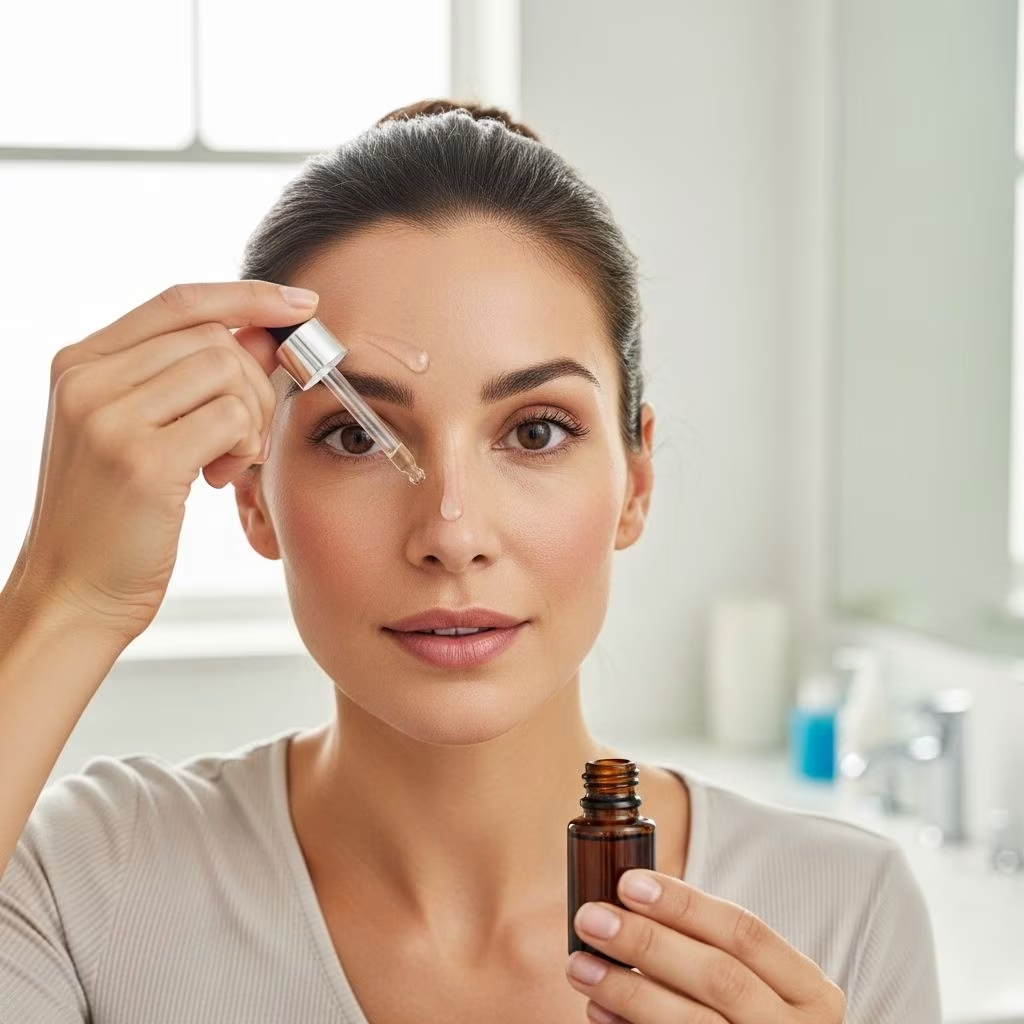
Retinoids are hailed as one of the most powerful and versatile prescription and over-the-counter topical skincare compounds. They are renowned for addressing signs of aging, treating blemishes, and improving overall skin texture. Yet, with potency often comes irritation—especially for those with combination or sensitive skin. Targeting retinoid application solely to the T-zone (the area encompassing the forehead, nose, and chin) can provide just the right blend of efficacy and tolerability. This article explores the science, techniques, and nuanced considerations for limiting retinoid application to the T-zone for optimal skin health.
Understanding Retinoids: Definition and Function
Retinoids are derivatives of vitamin A and encompass a range of compounds, such as retinol (over-the-counter) and tretinoin (prescription). They function primarily by infiltrating skin cells to:
- Stimulate turnover of dead skin cells (desquamation)
- Enhance collagen production, leading to thicker, more youthful skin
- Minimize hyperpigmentation by limiting melanin synthesis
- Regulate oil (sebum) production
- Reduce formation of acne lesions by unclogging pores and anti-inflammatory effects
Numerous peer-reviewed studies and clinical experience support these multifaceted benefits, making retinoids the cornerstone of anti-aging, acne, and general skin rejuvenation routines. However, their tolerability profile means that strategic, limited use—such as on the T-zone only—can be highly advantageous for certain individuals.
The T-Zone Explained: Anatomy and Skin Characteristics
The T-zone comprises the forehead (horizontal), nose, and chin (vertical line down the middle of the face). This area is distinct for several reasons:
- More sebaceous (oil) glands than other parts of the face
- Prone to excess sebum, resulting in oily skin, shine, and larger, visibly clogged pores
- Frequent site for comedones (blackheads and whiteheads), acne lesions, and enlarged pores
- Sometimes more resilient to irritation than lateral cheeks or the periorbital (around the eyes) area
These characteristics make the T-zone a primary target for topical therapies that control oil, prevent acne, and improve texture—an ideal focus for retinoid application.
Why Target the T-Zone for Retinoids?
Applying retinoids solely to the T-zone might be recommended for several reasons:
- Combination Skin: Individuals with oily T-zones but dry or sensitive cheeks may experience unwanted irritation when retinoids are applied all over.
- Retinoid Beginners: Those new to retinoids can build up tolerance by starting in the more resilient T-zone before expanding usage elsewhere.
- Localized Problem Areas: Acne, blackheads, and oiliness are often concentrated in the T-zone. Focused application targets the issue without unnecessary irritation.
- Skin Sensitivity: Retinoid-associated side effects (dryness, peeling, itching, burning) are less pronounced if only applied to thicker or more sebaceous skin.
This tailored approach is supported by dermatologists as a way to maximize efficacy while minimizing the most common drawbacks of retinoid use on sensitive or thin skin.
Benefits of T-Zone-Only Retinoid Application
Focusing retinoid therapy on the T-zone offers many unique advantages:
- Enhanced Acne Control: By treating the area most prone to sebum buildup and breakouts, users can effectively diminish blackheads, whiteheads, and inflamed acne.
- Refined Pores: Retinoids have a direct effect on both minimizing pore appearance and preventing their clogging, which is most relevant in the T-zone.
- Reduced Oiliness: Decreased oil production can lessen visible shine and improve overall complexion balance.
- Improved Texture and Tone: Faster cell turnover and increased collagen in the T-zone lead to smoother, fresher skin and decreased uneven pigmentation.
- Better Product Tolerability: Avoiding thin, delicate, or dry skin areas (cheeks, jawline, neck, under-eye) means fewer adverse effects like flaking, burning, and persistent redness.
- Efficient Product Use: Application to a limited area stretches the life of your retinoid product and can save money over time.
Scientific Evidence Supporting Targeted Use
Clinical data shows that retinoids improve acne, reduce oiliness, and stimulate collagen where sebaceous glands are prominent. Strategic use prevents the over-treatment of areas that may not benefit and may only experience irritation.
How to Apply Retinoids to the T-Zone: Step-by-Step Technique
For best results and minimal irritation, follow these carefully curated instructions endorsed by dermatologists:
- Start with a Mild Formulation: If you are new to retinoids, begin with lower-strength OTC retinol or a low-concentration prescription. Gradually increase concentration as skin tolerance improves.
- Prep Your Face Properly: Cleanse the skin gently to remove oil, sunscreen, and makeup. Pat dry thoroughly, as damp skin can increase retinoid absorption and risk of irritation.
- Use a Buffer if Sensitive: Apply a thin layer of moisturizer to the cheeks, jawline, nasolabial folds, lips, and around the eyes. This creates a ‘barrier’ to limit retinoid migration or accidental spread to delicate areas.
- Dispense a Pea-Sized Amount: More is not better. Dot a small, pea-sized quantity evenly across the T-zone: forehead, nose, and chin. Use the 13 Dot Technique™: three on the forehead, two on the nose, and two on the chin for even coverage.
- Blend Gently: Massage the retinoid gently into the T-zone using the third and fourth fingers to ensure precise application and minimize drag.
- Let Absorb, Then Moisturize: Allow the retinoid to fully absorb before applying moisturizer to the entire face (optional for further comfort and protection).
- Frequency: Start with 2–3 nights per week, gradually increasing frequency as tolerated. Monitor your skin; reduce or halt use if excessive dryness, itchiness, or irritation develops.
- Always Use Sun Protection: Retinoids make skin more sensitive to UV radiation. Apply broad-spectrum SPF 30+ sunscreen to your face every morning, focusing especially on the T-zone.
- Patience and Consistency: Visible results may take several weeks to months. Consistent use is key, but over-application can result in setbacks due to irritation.
Illustrative Table: Ideal Candidates for T-Zone-Only Application
| Skin Type | T-Zone Problems | Cheek/Jaw Sensitivity | Recommendation |
|---|---|---|---|
| Combination (oily T-zone, dry cheeks) | Acne, blackheads, visible pores | High | Retinoid for T-zone only |
| Oily (entire face) | General acne, oiliness | Low | Full-face retinoid (unless irritation) |
| Normal/Sensitive | Mild T-zone issues | Moderate/High | T-zone or spot application only |
Precautions, Risks, and Limitations
- Irritation is Still Possible: Even T-zone skin may temporarily redden, peel, or sting, especially with stronger retinoids like tretinoin. Ramp up usage slowly and buffer as needed.
- Don’t Apply to Broken or Eczema-Prone Skin: Avoid areas with open wounds, cuts, eczema, or severe irritation, which can worsen with retinoid exposure.
- Allergic/Severe Reactions Are Rare: Most people experience mild, transient irritation, but persistent rash, swelling, or hives require discontinuation and medical review.
- Pregnancy Warning: Topical retinoids are generally not recommended for use by pregnant or breastfeeding women due to potential (although low) risk.
- Sunburn Risk Increases: Retinoids can thin the stratum corneum making the skin more susceptible to sunburn and pigment changes. Vigilant daily SPF remains crucial.
Consult your dermatologist before starting, especially if you have a history of severe skin sensitivity, allergies, or are considering more potent prescription retinoids.
Combining Retinoids With Other Skincare Products in the T-Zone
Active skincare routines often combine multiple targeted ingredients. When applying retinoids to the T-zone, consider the following recommendations:
- Avoid Harsh Exfoliants: Skip strong alpha- or beta-hydroxy acids (AHAs/BHAs) and scrubs in the T-zone when starting retinoids to limit cumulative irritation.
- Moisturizer is Essential: Apply a non-comedogenic moisturizer after retinoids to counter dryness without clogging pores.
- Spot-Treat Acne as Needed: You can layer gentle benzoyl peroxide or salicylic acid on active lesions—just not at the same time as retinoids to avoid heightened irritation.
- Vitamin C and Niacinamide: These antioxidants may be safely used in the morning; retinoids at night.
- Prescription Therapies: If prescribed antibiotics or other prescription topicals, discuss with your dermatologist for the best application schedule.
Common Mistakes When Using Retinoids Only on the T-Zone
- Over-application: More product does not equal faster results. Excessive retinoid leads to irritation and will not improve efficacy.
- Omitting Moisturizer: Neglecting hydration increases barrier disruption and discomfort.
- Not Buffering Sensitive Edge Zones: Always use moisturizer goggles around the eyes and mouth to prevent accidental transfer.
- Ignoring Sun Protection: Failing to apply adequate sunscreen negates many of the benefits and increases risk of pigmentation issues.
- Expecting Immediate Results: Changes occur gradually; switching products or discontinuing prematurely is unhelpful.
Frequently Asked Questions (FAQs)
Who should consider retinoid application only on the T-zone?
Anyone with combination skin, localized breakouts, or a history of irritation from full-face retinoid use can benefit from this targeted approach.
Can I expand application beyond the T-zone over time?
Yes. As your skin tolerance improves, you can slowly widen coverage to other facial zones, always monitoring for irritation or dryness.
Are all retinoids suitable for T-zone-only use?
Both OTC retinol and prescription retinoids like tretinoin or adapalene can be used this way. Choose formulations and strengths tailored to your skin’s sensitivity and skincare goals.
Should moisturizer be applied before or after retinoid on the T-zone?
For sensitive skin, moisturizers can be applied before (buffering) and after to protect peripheral areas and soothe the T-zone.
How long does it take to see results from T-zone retinoid use?
Noticeable improvements in texture, acne, and oiliness typically emerge after 4–8 weeks with consistent, proper use, but full benefits may take several months.
What if I experience irritation?
Reduce frequency, buffer more liberally, and use protective moisturizers. Persistent or severe irritation may require a lower-strength product or discontinuation pending medical advice.
Conclusion
Strategic, T-zone-only retinoid application empowers those with combination or sensitive skin to harness the transformative effects of vitamin A derivatives. By concentrating on areas of greatest need and resilience, users can resolve acne, improve oiliness and skin texture, and reduce pore size—all while minimizing uncomfortable side effects. Consulting with a skincare professional ensures optimal product selection and incremental introduction, paving the way for healthy, clear, and glowing skin.
References
- https://www.youtube.com/watch?v=grxmyM7EuDk
- https://wellconnected.murad.com/what-are-the-benefits-of-retinoids/
- https://drsambunting.com/en-us/blogs/sam-bunting/when-why-and-how-to-use-a-retinoid
- https://www.healthline.com/health/beauty-skincare/retinol-vs-tretinoin
- https://drdavinlim.com/a-z-skin-care/tretinoin/
- https://my.clevelandclinic.org/health/treatments/23293-retinol
- https://www.healthline.com/health/beauty-skin-care/retinoid-benefits
- https://pmc.ncbi.nlm.nih.gov/articles/PMC9618501/


