


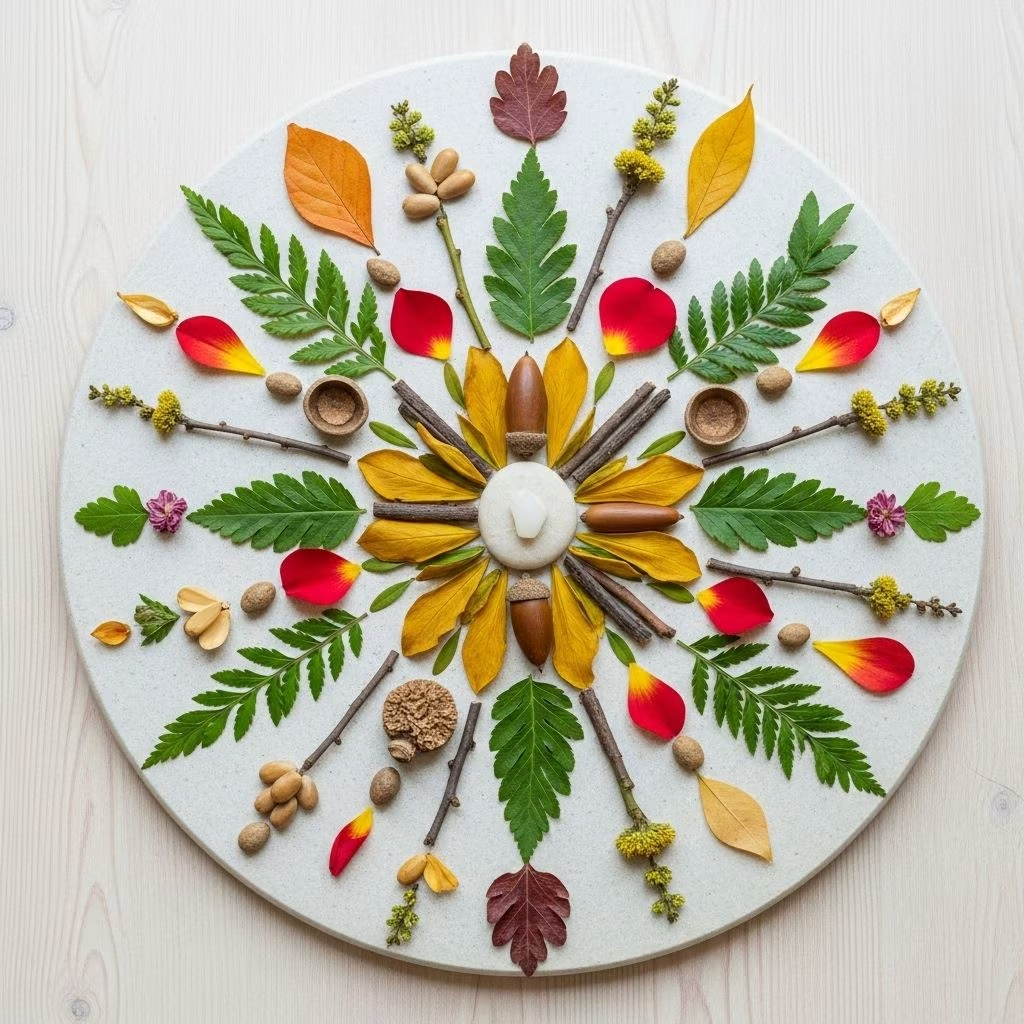
What is a Nature Mandala?
A nature mandala is a circular, often symmetrical design made from natural materials found outdoors—such as leaves, stones, flowers, and twigs. Originating from the ancient spiritual and artistic traditions of India and Tibet, mandalas symbolize unity, harmony, and the cycle of life. For children, creating nature mandalas is an accessible and tactile way to explore art, patterns, and the natural world.
Benefits of Nature Mandala Activities for Kids
Nature mandala making offers numerous benefits for children:
- Encourages creativity and self-expression
- Develops fine motor skills and hand-eye coordination
- Introduces basic math concepts like symmetry, patterns, and geometry
- Fosters mindfulness and a sense of calm
- Promotes teamwork and cooperation when done in groups
- Strengthens connection to the environment
- Provides sensory exploration through textures, colors, and shapes
Materials and Preparation
Before starting, gather the following items:
- Natural materials: leaves, flowers (petals only, not whole picked flowers), pine cones, stones, twigs, grass, feathers, shells, etc.
- A flat, clear outdoor space (lawn, park, beach, or backyard)
- Optional: muffin tins or small containers for collecting and sorting items
- Optional: camera to photograph the completed mandala
Remind children to use only fallen items and to leave no trace behind, respecting nature.
Step-by-Step Nature Mandala Activity
1. Decide How to Collect Materials
Discuss with kids what types of materials to look for. Consider making it a scavenger hunt by giving them a list—such as four green leaves, three yellow flowers, five small stones—to encourage observation and pattern recognition.
2. Explore and Collect
Head outdoors and let children gather a variety of natural items. Encourage them to pick up multiples of each type to create repeating patterns and symmetry in their mandala.
3. Choose a Location and Clear a Space
Find a flat, clear area large enough for the mandala. This could be on grass, sand, or a patch of dirt. Make sure the space is clear of debris or sharp objects.
4. Mark the Center
Select a special item (like a large rock or pine cone) to place at the center of the mandala. This helps anchor the design and serves as a starting point for building outward.
5. Create the First Ring
Place a circle of items around the centerpiece. Encourage children to choose similar items for this ring to start the pattern—for example, all seashells or all green leaves.
6. Add More Rings and Layers
Continue adding concentric circles, each time using different materials or colors to build the design. Alternate textures and colors for visual interest—for example, a ring of petals, then a ring of stones, then a ring of twigs.
7. Extend and Decorate
Kids can fill in the spaces between rings with smaller items, create rays or spokes, or add decorative touches like flower petals. Let them experiment with layout and design—there are no rules!
8. Observe and Discuss
Once the mandala is complete, take time to observe it together. Encourage children to describe the colors, shapes, and textures they used. This is a great opportunity for language development and reflection.
9. Document and Reflect
Take photos of the mandala to remember the creation. Some families like to keep a nature journal, sketching or noting the items used, which reinforces memory and observation skills.
10. Leave No Trace
After enjoying the mandala, gently return all materials to their natural places. This teaches respect for nature and the principle of leaving no trace behind.
Tips for a Successful Mandala Experience
- Encourage experimentation—there is no “right” or “wrong” way to create a mandala.
- Adapt the activity for different ages: younger children may need more guidance, while older kids can work independently.
- Make it a group activity to foster teamwork and social skills.
- Consider weather and wind—work quickly if it’s breezy, or choose a sheltered spot.
- Use the activity to discuss seasons, local plants, and environmental care.
Incorporating Learning Skills
| Skill | How Mandala Making Builds It |
|---|---|
| Math | Patterns, symmetry, fractions, measuring, geometry (radius, diameter, circumference) |
| Language | Descriptive vocabulary, storytelling, observation |
| Science | Identification of natural objects, understanding seasons and habitats |
| Art | Color theory, composition, creative expression |
| Social-Emotional | Cooperation, patience, mindfulness, self-esteem |
Seasonal Variations
Nature mandalas can be made year-round, with each season offering unique materials:
- Spring: Fresh leaves, blossoms, tender grasses
- Summer: Colorful flowers, seeds, feathers
- Autumn: Fallen leaves, acorns, pine cones, berries
- Winter: Evergreen sprigs, twigs, stones, ice crystals
Repeating the activity in different seasons helps children observe and appreciate the changing natural world.
Indoor and Alternative Ideas
If outdoor access is limited, try these alternatives:
- Indoor Mandala: Collect nature items in advance and create mandalas indoors on a table or tray.
- Picture Mandala: Use cut-out nature images from magazines, printed photos, or hand-drawn illustrations to arrange into a mandala on paper.
- Coloring Mandala: Print mandala templates for children to color, reinforcing the concept of patterns and symmetry.
Mindfulness and Wellbeing
Creating nature mandalas is inherently calming. The process requires focus, patience, and presence, making it an excellent mindfulness exercise for children (and adults). The repetitive, rhythmic placement of objects can help quiet the mind and reduce anxiety. Talking about the colors, textures, and shapes also grounds the experience in the present moment.
Frequently Asked Questions
Q: What age is this activity suitable for?
A: Nature mandala making is adaptable for all ages. Toddlers can participate with supervision, while older children can work independently. The complexity of the design can be adjusted based on the child’s age and interest.
Q: Do we need special materials?
A: No special materials are needed—just what you find outdoors. Avoid picking live plants or flowers; use only fallen items.
Q: How long does the activity take?
A: The activity can take anywhere from 20 minutes to over an hour, depending on the size and complexity of the mandala and the age of the participants.
Q: Can this be done as a group activity?
A: Absolutely! Group mandala making encourages teamwork, communication, and shared creativity. It’s a wonderful classroom or family activity.
Q: What if the weather is bad?
A: Try an indoor version using collected items, pictures, or coloring pages.
Q: How do we preserve the mandala?
A: Mandalas made from natural materials are temporary. Take photos to remember your creations, then return the items to nature.
Nature mandala making is more than just a craft—it’s a doorway to creativity, mindfulness, and a deeper connection with the environment. By following these simple steps, you can turn an ordinary outdoor excursion into a memorable, educational, and calming experience for children of all ages.
References
- https://www.howweelearn.com/nature-mandalas-an-outdoor-craft-for-kids/
- https://runwildmychild.com/making-mandalas/
- https://littlepinelearners.com/how-to-make-nature-mandalas-with-kids/
- https://ecohappinessproject.com/nature-mandala/
- https://marymakesgood.com/2020/05/nature-mandalas.html
- https://www.youtube.com/watch?v=z6IvXB0xTqI
- https://middlewayeducation.org/resources/nature-mandala-activity/
- https://creativeclassroomcore.com/wednesday-wanders-1-nature-mandalas/
- https://www.childhoodbynature.com/mandalas-a-practically-perfect-form-of-nature-art/


