


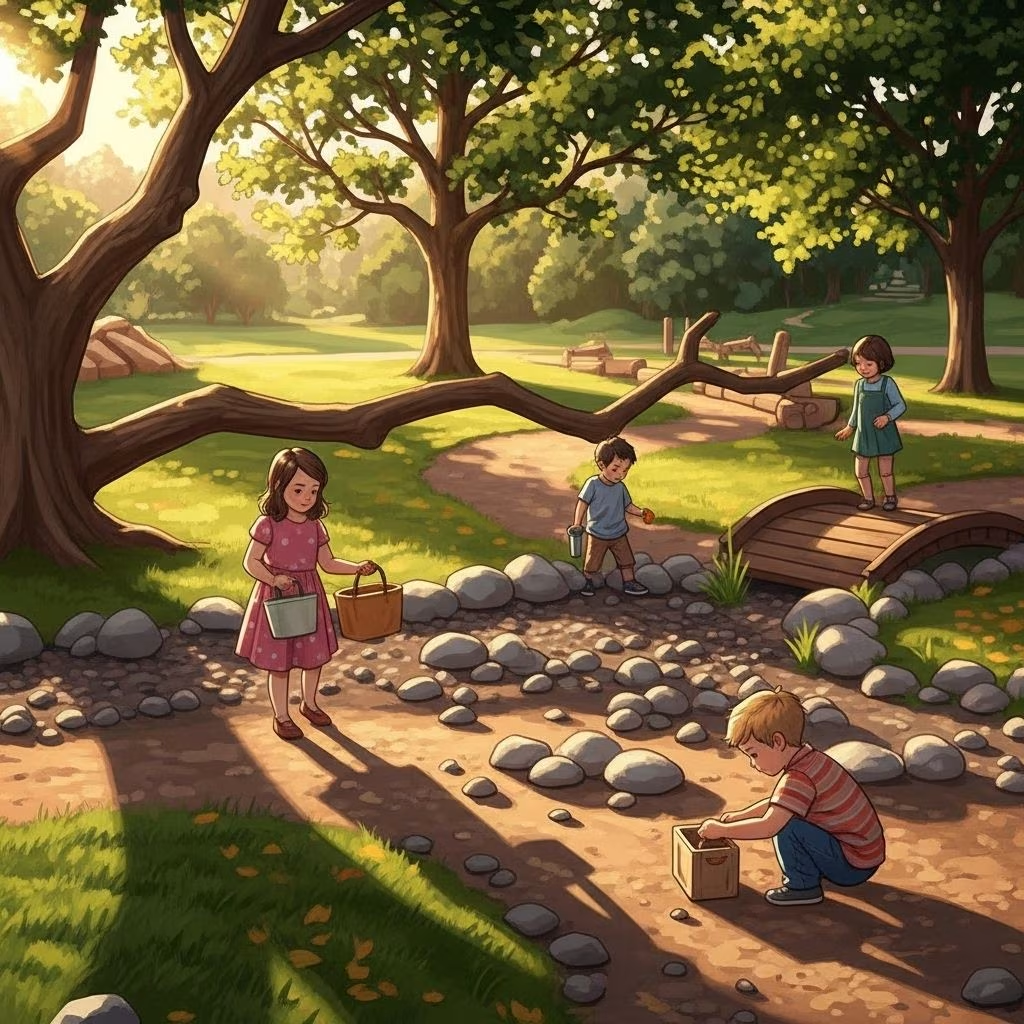
Introduction to Independent Outdoor Play
Independent outdoor play is a vital component of a healthy childhood, offering numerous benefits that extend beyond physical fitness to include emotional, cognitive, and social development. In today’s world, where screen time often dominates a child’s daily routine, it is more important than ever to encourage little ones to venture outside and engage in unstructured play. This article delves into the significance of independent outdoor play for young children, explaining its impact on various aspects of their growth and development.
Physical Benefits of Outdoor Play
Outdoor play is indispensable for the physical development of young children. It provides opportunities for them to engage in active games like running, skipping, jumping, and climbing, which are essential for building strength, coordination, and endurance. These activities help in the development of motor skills, such as agility, balance, and dexterity, making children more physically capable and less prone to obesity and related health issues.
Motor Skills Development
– Coordination and Balance: Activities like swinging help improve coordination and balance as children learn to navigate and adjust to movement.- Agility and Dexterity: Outdoor games that involve quick movements or manipulations enhance agility and dexterity, preparing children for more complex physical tasks.- Endurance Building: Regular active play helps build stamina, allowing children to engage in longer periods of physical activity without exhaustion.
Emotional and Mental Health Benefits
Outdoor play also has profound effects on the emotional and mental health of young children. By engaging in unstructured play outdoors, children develop independence, self-confidence, and a sense of self-awareness. They learn to navigate new situations, take risks, and handle failures, all of which are crucial for emotional resilience.
Emotional Development
– Confidence Building: Outdoor environments provide children with opportunities to try new things, leading to increased confidence in their abilities.- Risk-Taking and Resilience: Engaging in outdoor play encourages children to take risks and develop resilience, as they learn from successes and setbacks.- Social-Emotional Intelligence: Interacting with peers outdoors helps children understand and manage emotions, develop empathy, and build stronger relationships.
Cognitive Development through Outdoor Play
Outdoor play is not just beneficial for physical and emotional development; it also plays a significant role in cognitive growth. Children who engage in outdoor play are more likely to develop creativity, problem-solving skills, and a deeper understanding of the world around them. Outdoor environments provide endless opportunities for sensory engagement, which helps children process and respond to various stimuli more effectively.
Cognitive Advantages
– Sensory Engagement: Outdoor play engages all five senses, enhancing the ability to process sensory information and respond appropriately.- Creative Thinking: The unstructured nature of outdoor environments encourages children to invent games, fostering creativity and imagination.- Problem-Solving Skills: Outdoor play presents children with challenges that require creative problem-solving, such as navigating obstacles or finding materials for play.
Social Benefits of Outdoor Play
Engaging in outdoor play also has significant social benefits for young children. It provides opportunities for them to interact with peers, develop communication skills, and build meaningful relationships. Outdoor environments facilitate teamwork, cooperation, and conflict resolution, all of which are essential for social development.
Social Skills Development
– Relationship Building: Outdoor play allows children to meet new friends and develop social skills through shared experiences.- Communication Skills: Interacting with peers outdoors enhances communication skills, including expressing thoughts and understanding others’ feelings.- Teamwork and Cooperation: Participating in outdoor games encourages children to work together, fostering a sense of unity and cooperation.
Creating Opportunities for Independent Outdoor Play
Encouraging independent outdoor play requires creating safe and accessible environments where children can freely explore and engage in unstructured activities. Parents and caregivers can promote outdoor play by providing adequate time for children to engage in outdoor activities, setting up outdoor spaces that invite exploration, and modeling outdoor involvement themselves.
Practical Tips for Parents
– Schedule Outdoor Time: Prioritize outdoor play by setting aside dedicated time each day.- Create an Inviting Environment: Ensure outdoor spaces are safe and appealing, with opportunities for exploration and play.- Participate with Your Child: Spend time outdoors with your child to encourage and model outdoor involvement.
Frequently Asked Questions (FAQs)
Q: How much outdoor play is recommended for children?
A: Experts recommend at least one hour of active outdoor play for young children daily, with older children needing up to three hours.
Q: What are the benefits of sensory engagement through outdoor play?
A: Sensory engagement enhances children’s ability to process and respond to various stimuli, promoting better sensory integration and cognitive development.
Q: How can outdoor play impact children’s social skills?
A: Outdoor play provides opportunities for interacting with peers, developing communication skills, and learning teamwork and cooperation.
Conclusion
In conclusion, encouraging independent outdoor play in young children is crucial for their holistic development. By understanding and leveraging the benefits of outdoor play, parents and caregivers can offer children a rich and beneficial experience that sets them up for lifelong health, happiness, and success.
References
- https://www.cmosc.org/benefits-of-outdoor-play-in-early-childhood-development/
- https://kidsplaygarden.com/columbia/about/blog?post=importance-of-outdoor-play
- https://www.chop.edu/news/health-tip/benefits-outdoor-play-why-it-matters
- https://www.naeyc.org/resources/pubs/yc/may2019/outdoor-play-is-essential
- https://www.generationwild.com/outdoor-play-benefits
- https://adventureplaysystems.com/our-company/why-play-matters/
- https://www.healthychildren.org/English/family-life/power-of-play/Pages/playing-outside-why-its-important-for-kids.aspx
- https://pmc.ncbi.nlm.nih.gov/articles/PMC8037806/


