


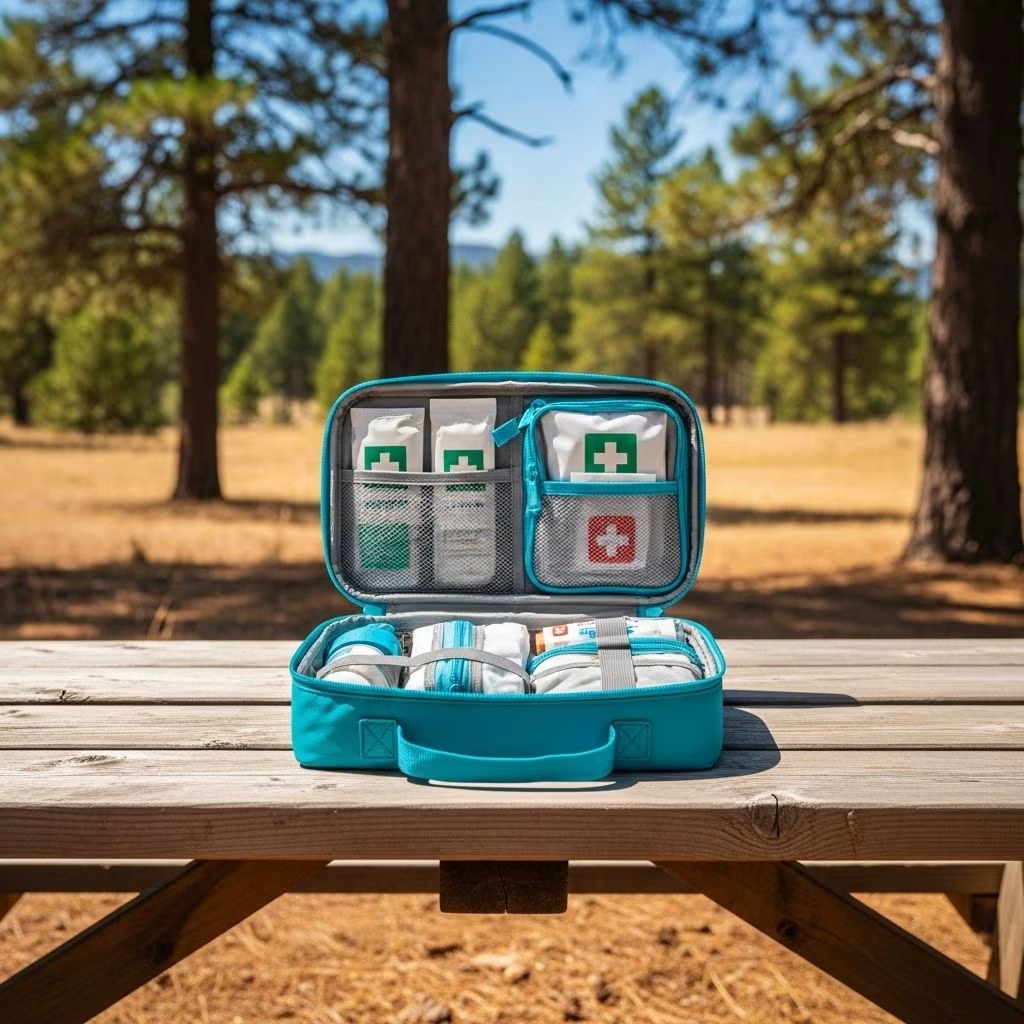
Outdoor play is vital for children’s growth, confidence, and well-being. However, the adventure and freedom of the great outdoors naturally come with increased risks of bumps, scrapes, bites, and unexpected emergencies. As a caregiver, parent, or educator, being prepared with a robust first aid kit specifically designed for outdoor kids play can make all the difference in responding quickly and effectively to minor injuries or urgent situations. This guide delivers a thorough checklist of must-have first aid items for children’s outdoor activities, explains their importance, and offers practical advice on storage, maintenance, and emergency preparedness.
Why a Special Kids Outdoor First Aid Kit?
While any first aid kit is better than none, outdoor play presents unique risks—think bug bites, splinters, sunburns, dehydration, and the occasional twisted ankle. Child-specific first aid kits take children’s smaller injuries, sensitivities, and active play styles into account, ensuring fast, age-appropriate care in familiar or remote outdoor settings. Having the right supplies packed and accessible can:
- Minimize discomfort for children and reduce anxiety after a minor injury
- Prevent wounds from worsening or getting infected
- Enable quick, on-the-spot first aid before seeking professional help if needed
- Promote independence and safety awareness in kids by involving them in first aid basics
Statistically, the majority of childhood injuries occur outside during active play, especially in warm months. Being prepared isn’t just practical—it’s essential.
Core Items for Your Outdoor First Aid Kit
Every outdoor first aid kit for kids should include a range of items designed to handle cuts, scrapes, stings, splinters, burns, and minor trauma. Here’s a detailed essentials checklist:
| Item | Purpose |
|---|---|
| Assorted Adhesive Bandages (Band-Aids) | Cover and protect small wounds, cuts, or scrapes |
| Sterile Gauze Pads (various sizes) | Dress larger wounds, manage bleeding |
| Antiseptic Wipes or Solution | Clean minor wounds to prevent infection (preferably not alcohol-based for kids’ skin) |
| Medical Tape | Secure gauze, dressings, or splints |
| Elastic Bandage | Stabilize sprains or strains, support joints |
| Non-latex Gloves | Protect caregiver and child from contamination |
| Splinter Forceps / Tweezers | Remove splinters, ticks, or debris |
| Blister Bandages | Treat friction blisters from activity or shoes |
| Small Scissors | Cut tape, gauze, clothing, or wrap |
| Instant Cold Pack | Reduce swelling, manage minor sprains or bruises |
| Thermometer (non-glass, digital preferred) | Monitor fever or check for heat exhaustion |
| Emergency Blanket | Treat for cold shock or cover during an emergency |
| First Aid Manual or Quick Guide | Reference for common injuries |
| Sterile Saline Solution | Flush eyes, rinse wounds |
Always check expiration dates on all items and restock used or outdated supplies regularly.
Other Highly Recommended Items
- Triangular bandage or cloth sling
- Safety pins for slings or bandages
- Small plastic bags for waste and contaminated material
- Rubber bulb syringe (for wound irrigation)
- Small flashlight with spare batteries (for night or dark conditions)
- Pen, pencil, and notepad (for recording incidents or symptoms)
- Emergency contact card for each child
- CPR breathing barrier or mask
- Plastic cups (for eyewash or drinking water)
- Plastic tweezers (for increased hygiene)
Recommended Medications and Treatments
Children’s outdoor injuries often require minor medications and topical treatments for pain, stings, or allergies. Include the following in your kit (with parental/caregiver consent and according to age/dosage guidelines):
- Antibacterial/antibiotic ointment: For treating minor cuts and scrapes
- Burn cream or gel: For minor burns or sunburns (consider aloe vera gel)
- Hydrocortisone cream: For insect bites, rashes, or poison ivy irritation
- Insect sting or anti-itch treatments: For bites or rashes
- Oral antihistamine (e.g., children’s Benadryl): For allergic reactions, stings, or hives
- Pain/fever medication (child-formulated ibuprofen or acetaminophen): For pain, headache, mild fever
- Electrolyte or oral hydration tablets: To treat mild dehydration or heat exhaustion
- Sunscreen (child-friendly) and after-sun cream
Always store medications in child-safe, waterproof containers and follow recommended dosages.
Tools and Support Gear
- Splinter forceps/tweezers: For safely removing thorns and ticks
- Magnifying glass: To inspect wounds or look for small debris
- Scissors: Safety scissors for cutting bandages or clothing
- Medical tape: To secure dressings
- Safety pins: For securing slings or bandages
- Duct tape: Versatile for emergency fixes (bandages, gear repair)
- Blister pads & moleskin: For friction-induced injuries
- Compact mirror: To help children check their faces or eyes
Keep these tools clean and periodically disinfect with antiseptic wipes.
Personal Care & Protection
- Non-latex gloves: For sanitary wound care
- Hand sanitizer: For cleaning hands before and after providing care
- Alcohol or baby wipes: For cleaning skin or equipment (prefer alcohol-free for children’s skin)
- Bug spray (kid-friendly): To prevent insect bites
- Sunscreen (broad-spectrum, SPF 30+): For UV protection
- Bottled water: For drinking and cleaning wounds
- Extra clothing, hats, or cooling bandanas: For heat and sun protection
- Waste disposal bags: For used supplies
How to Pack, Store, and Maintain Your Kit
Proper storage is critical so your supplies stay dry, usable, and easy to find in an emergency. Follow these best practices:
- Use a waterproof, durable bag or box. Look for bright colors or clear labels for easy spotting.
- Divide the kit into easy-to-access compartments (by type of injury, medication, or tool).
- Include a printed checklist for tracking what is inside and what needs replenishing.
- Keep your kit in an accessible location (car trunk, outdoor backpack, or near the exit of your house).
- Designate a responsible adult to check and restock the kit every three months, replacing all expired supplies and medications.
Tip: If going out for an extended period or in a remote area, carry a second kit as a backup or distribute mini-kits among adults.
Customizing Your First Aid Kit
Every family or group is different. Consider these personalizations:
- Allergy medications or EpiPen if any child is prone to severe allergic reactions
- Personal prescription medications (in clearly labeled containers with dosage instructions)
- Medical information cards with special health needs, allergies, and emergency contacts for each child
- Comfort items like a small toy or sticker to help calm distressed children
For group outings, communicate with parents ahead of time to ensure all needs are covered and medical concerns noted.
Key Safety and First Aid Tips for Parents and Caregivers
- Take a pediatric first aid and CPR course if possible. Practical knowledge is as important as the kit itself.
- Teach older kids basic wound cleaning, bandaging, and how to ask for help in case of injury.
- Supervise play, especially near water, on trails, or in new environments.
- Apply sunscreen and bug repellent before play begins; reapply as directed.
- Familiarize yourself with emergency contact protocols and the nearest urgent care center.
Preparedness isn’t just about supplies, but also about awareness and confidence—for adults and kids alike.
Frequently Asked Questions: Outdoor Kids First Aid Kits
How often should I check and restock my first aid kit?
Review your kit every three months. Replace anything that’s been used or has expired. Double-check before major outings or camps.
What’s the difference between home and outdoor first aid kits?
Outdoor kits include weather-proof containers, more supplies for cuts, stings, and environmental exposure, and tools like tweezers and instant ice packs not usually found in home kits.
Can I use a standard pre-made kit for kids?
You can, but it’s safer to customize it for children’s age and needs (size-appropriate bandages, child-safe medications, allergy info, etc.). Supplement standard kits with additional kid-focused supplies.
What if my child has severe allergies?
Include an EpiPen or prescription allergy medication, and inform all adults present about its location and how to use it.
Should I let my kids use the kit by themselves?
Older children can learn to apply simple first aid under supervision, but medicines, ointments, and sharp tools should always be handled by or under the guidance of an adult.
What is the best way to keep a kit organized?
Sort supplies by type using zip pouches, color coding, or labels, and include a printed inventory and usage instructions for anyone who might open the kit.
Conclusion
Building a reliable first aid kit for outdoor kids play is a proactive step every parent, caregiver, or educator can take to ensure minor incidents don’t overshadow the joys of play and exploration. With the right supplies, organization, and basic first aid skills, you’ll be able to respond confidently and keep outdoor adventures safe for all children involved.
Download and print this checklist, or bookmark it as you pack for your next adventure—and remember, growing up outdoors is safer, and a whole lot more fun, when you’re prepared!
References
- https://thrivewithoutdoorlearning.com/create-your-own-outdoor-education-first-aid-kit/
- https://childrenswi.org/-/media/chwlibrary/files/childrens-and-the-community/families-and-clients/safety-center/building-a-summer-first-aid-kit_en.pdf
- https://childcare.hhs.texas.gov/Child_Care/Search_Texas_Child_Care/CCLNET/Source/TALibrary/DownloadTADoc.ashx?ID=2422
- https://thefirstaidcoursesydney.com.au/blog/essential-items-in-a-summer-camp-first-aid-kit/
- https://www.rei.com/learn/expert-advice/first-aid-checklist.html
- https://naturopathicpediatrics.com/2018/05/23/camping-kids-natural-naturopathic-first-aid-kit/
- https://www.redcross.org/take-a-class/resources/articles/hiking-first-aid-kit-checklist
- https://earlychildhood.marylandpublicschools.org/system/files/filedepot/3/1staidlist_dec132010_102114.pdf
- https://www.etsy.com/listing/1379050796/first-aid-checklist-first-aid-kit


