


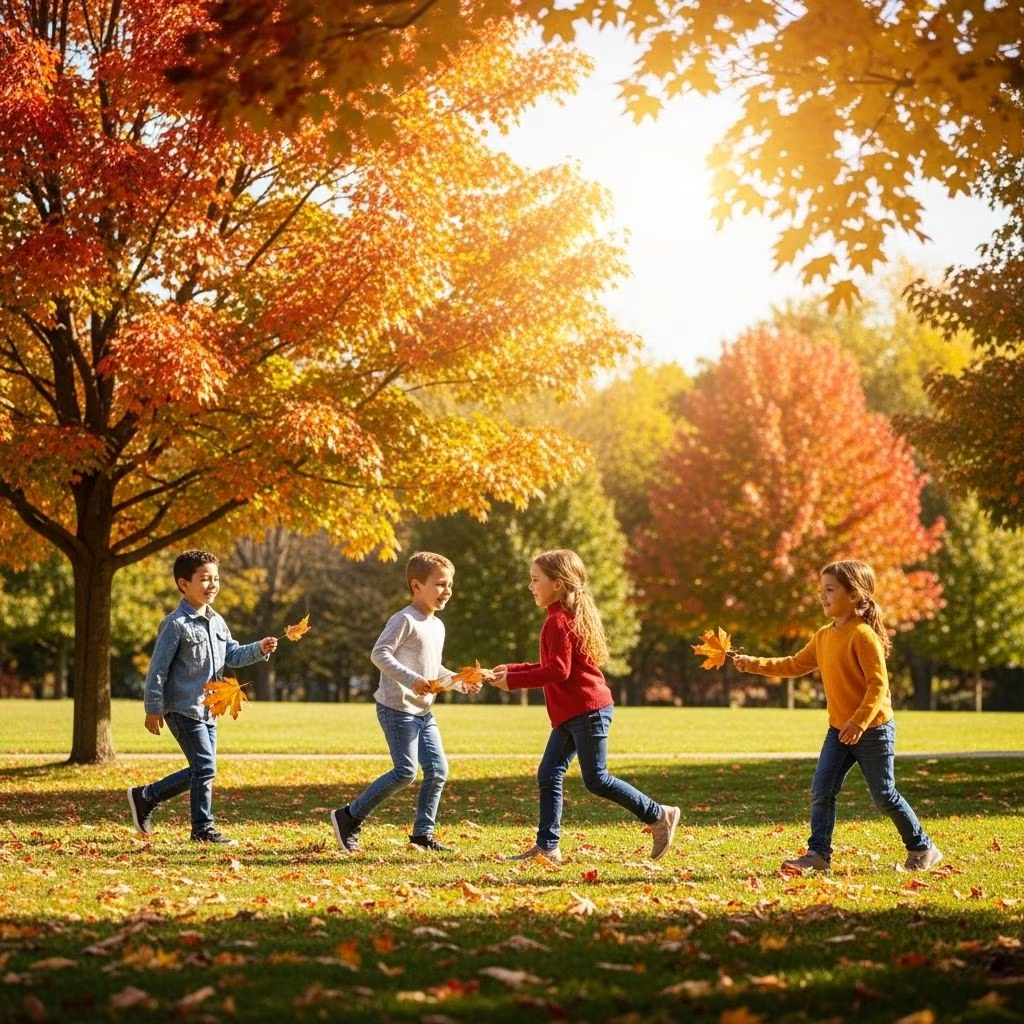
Seasonal Affective Disorder (SAD), a type of depression that occurs during specific times of the year, often affects individuals during the winter months when sunlight is scarce. For children, managing SAD can be particularly challenging due to their developing physical and mental health needs. One effective strategy for mitigating SAD symptoms in kids is outdoor play, which offers a range of benefits that can enhance mood, energy levels, and overall well-being.
Table of Contents:
- What is Seasonal Affective Disorder?
- Signs of SAD in Children
- Benefits of Outdoor Play for SAD
- Integrating Outdoor Play into Treatment Plans
- Frequently Asked Questions (FAQs)
What is Seasonal Affective Disorder?
Seasonal Affective Disorder is a type of depression that follows a seasonal pattern, typically occurring during the fall and winter months. The lack of sunlight during these seasons can affect brain chemicals that regulate mood and energy levels, leading to symptoms such as sadness, irritability, low energy, and changes in eating or sleeping habits.
Signs of SAD in Children
Identifying SAD in children can be challenging, as the symptoms may resemble those of other conditions. Common signs include:
- Sadness or Irritability: Children may appear more withdrawn or less enthusiastic about activities they usually enjoy.
- Low Energy: They might show less interest in playing or engaging in physical activities.
- Changes in Eating or Sleeping Habits: Increased appetite or changes in sleep patterns are common.
- Hopelessness: Children may express feelings of hopelessness or despair.
- Social Withdrawal: They might stop participating in social activities or show less interest in friends.
Benefits of Outdoor Play for SAD
Outdoor play offers numerous benefits for children with SAD, including:
- Increased Sunlight Exposure: Spending time outdoors increases exposure to natural sunlight, which can help regulate mood and energy levels.
- Physical Activity: Engaging in outdoor activities like playing sports or simply running around can boost mood and energy levels by releasing endorphins.
- Social Interaction: Participating in outdoor games with friends can enhance social connections and reduce feelings of isolation.
- Improved Sleep Patterns: Regular physical activity outdoors can help regulate sleep patterns, which is crucial for managing SAD symptoms.
Integrating Outdoor Play into Treatment Plans
Treatment plans for children with SAD often include a combination of therapies and lifestyle adjustments. Here’s how outdoor play can be integrated:
- Cognitive Behavioral Therapy (CBT): CBT can help children develop healthy routines, including scheduling regular outdoor activities.
- Light Therapy: While light therapy is effective, spending time outdoors during daylight hours can achieve similar benefits.
- Medication: In severe cases, antidepressants may be prescribed. However, outdoor play remains a valuable adjunctive therapy.
- Healthy Lifestyle Habits: Encouraging a balanced diet and regular exercise outdoors can support overall mental health.
Activities for Outdoor Play
Here are some activities that can be incorporated into a child’s daily routine to enhance outdoor play and combat SAD:
| Activity | Benefits |
|---|---|
| Walking or Hiking | Improves mood through exposure to sunlight and physical activity. |
| Playing Sports | Enhances social interaction and releases endorphins. |
| Gardening or Planting | Provides a sense of accomplishment and connection with nature. |
| Cycling or Scootering | Boosts energy levels and allows for social interaction. |
Frequently Asked Questions (FAQs)
Q: What is the primary cause of Seasonal Affective Disorder?
A: The primary cause of SAD is believed to be the lack of sunlight during certain seasons, affecting brain chemicals that regulate mood.
Q: How can I help my child who has SAD?
A: Helping your child involves encouraging regular outdoor play, ensuring a balanced diet, and considering therapy or light therapy if needed.
Q: Is outdoor play more effective than light therapy for SAD?
A: Both outdoor play and light therapy are effective, but they work differently. Outdoor play offers the additional benefits of physical activity and social interaction.
Q: Can SAD be treated without medication?
A: Yes, many cases of SAD can be managed without medication through therapies like CBT and lifestyle adjustments such as increased outdoor play.
Q: How can I ensure my child stays active during the winter months?
A: Encourage indoor activities if it’s too cold outside, and plan outdoor activities during the sunniest parts of the day to maximize sunlight exposure.
References
- https://childmind.org/article/seasonal-affective-disorder/
- https://www.mayoclinic.org/diseases-conditions/seasonal-affective-disorder/diagnosis-treatment/drc-20364722
- https://www.nhs.uk/mental-health/conditions/seasonal-affective-disorder-sad/treatment/
- https://healthcare.utah.edu/the-scope/kids-zone/all/2024/11/helping-kids-cope-seasonal-affective-disorder
- https://kidshealth.org/en/parents/sad.html
- https://www.nimh.nih.gov/health/publications/seasonal-affective-disorder
- https://www.tanner.org/the-scope/7-ways-to-help-a-child-with-seasonal-affective-disorder-sad
- https://thereachinstitute.org/diagnosing-seasonal-affective-disorder/


