


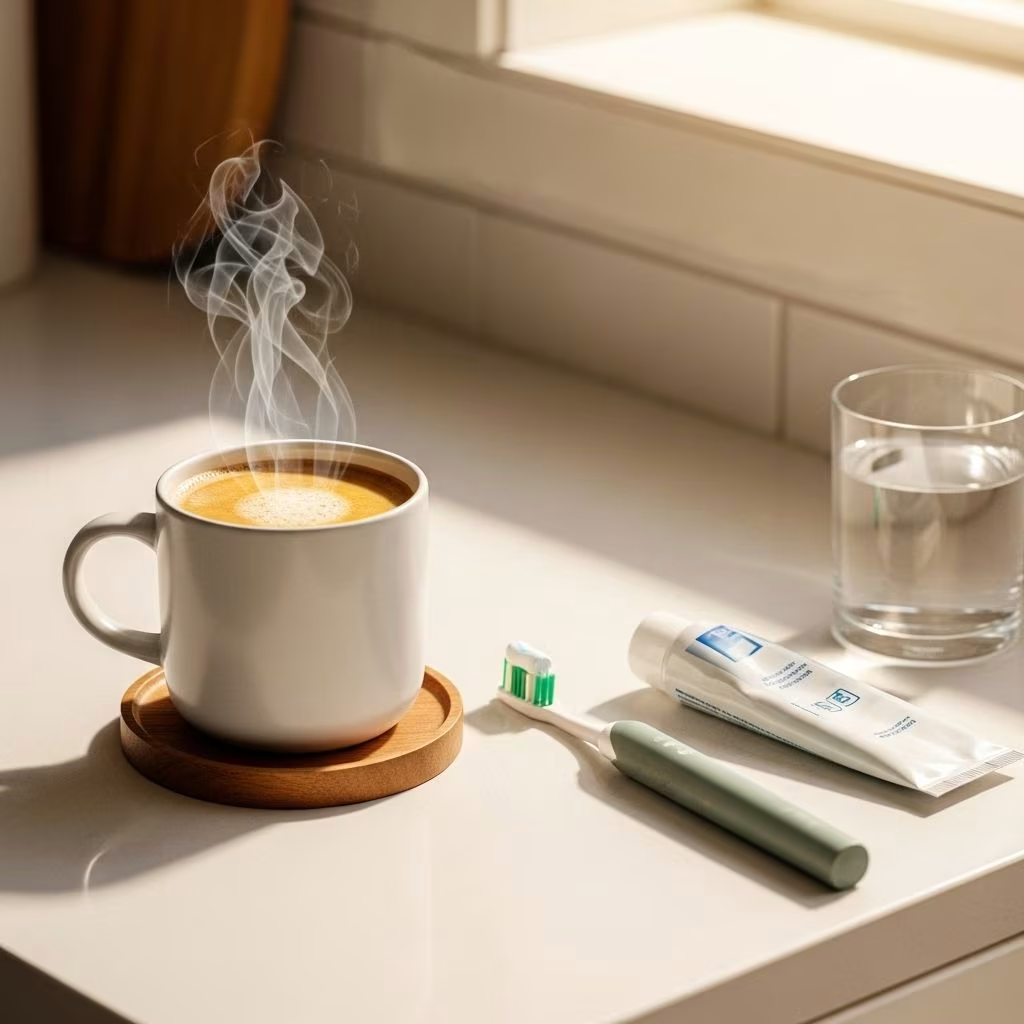
Millions of people begin their day with a comforting cup of coffee, yet few consider the impact this daily ritual has on their oral health. An ongoing debate persists among dental professionals and coffee lovers alike: should you brush your teeth before or after your morning coffee? This comprehensive guide dives deep into the science, best practices, and expert advice so you can confidently craft your morning routine for both enjoyment and dental health.
Introduction: Coffee and the Morning Ritual
Coffee plays a central role in morning routines worldwide, providing a much-needed energy boost and a moment of calm before a busy day. However, for those who also prioritize dental health, the timing of brushing relative to coffee consumption is an important consideration. Should you prioritize oral freshness or savor your coffee’s full flavor? Or can you have both?
How Coffee Affects Your Teeth
Coffee is not only beloved for its robust flavor and invigorating properties, but also scrutinized for its impact on oral health. Let’s examine the ways in which your daily brew may affect your teeth and gums:
- Teeth Staining: Coffee contains pigmented compounds (tannins) that can stick to your enamel, causing yellow or brown stains if consumed regularly.
- Acidic Erosion: As an acidic beverage (pH around 6.1), coffee can soften the enamel, making it more vulnerable to erosion and decay, especially when sipped over long periods.
- Bad Breath: Coffee can leave behind compounds on your tongue and in your mouth, resulting in noticeable bad breath or halitosis.
- Dry Mouth: Coffee, particularly in excess, can reduce saliva production, leading to a dry mouth. This lack of moisture facilitates cavity formation and increases the risk of gum disease.
Brushing Before Coffee: Pros and Cons
Many dentists recommend brushing your teeth before your first cup of coffee. Here’s why:
Benefits of Brushing Before Coffee
- Removes Plaque and Bacteria: Brushing cleans away plaque and bacteria that could otherwise react with coffee’s acids, reducing risk of enamel damage.
- Creates a Protective Barrier: Clean teeth are less susceptible to staining, as pigments have fewer surfaces to stick to.
- Freshens Breath: Starting your day with fresh breath is a social and professional advantage, especially important if coffee is part of your work or social routine.
Drawbacks of Brushing Before Coffee
- Alters Coffee’s Taste: Toothpaste—especially minty—can leave a residue that temporarily changes the flavor of your coffee, making it taste less rich or slightly bitter.
- Stains May Linger: If you only brush before drinking coffee, stains may accumulate unless you later brush or rinse your mouth strongly.
Bottom line: Brushing before coffee helps protect your enamel and minimize staining, though some may find the coffee taste affected by lingering toothpaste.
Brushing After Coffee: Pros and Cons
Some coffee lovers prefer to brush after their morning cup, aiming to remove coffee residue and stains right away. This approach has unique pros and important cons:
Benefits of Brushing After Coffee
- Prevents Bad Breath: Brushing afterwards eliminates coffee residues that contribute to unpleasant odors.
- Removes Stains: Cleaning your teeth after coffee minimizes residues that would otherwise cause surface staining.
Drawbacks of Brushing After Coffee
- Enamel Vulnerability: Coffee’s acid temporarily softens enamel. Brushing too soon after drinking (<30 minutes) can cause micro-abrasions, leading to enamel erosion and sensitive teeth.
- Heightened Risk of Damage: Rubbing abrasive toothpaste on acid-weakened enamel increases the possibility of lasting damage and greater susceptibility to cavities.
- Potential Taste Disruption: If you rush to brush immediately after coffee, the lingering taste (not the protective effect) may make post-brushing less pleasant for those who eat or drink again soon.
Bottom line: If you choose to brush after coffee, wait 30–60 minutes to allow your enamel to re-harden. Drinking or rinsing with plain water during this wait can help neutralize acidity.
The Science: Why Timing Matters for Your Enamel
Tooth enamel is your teeth’s outermost protective layer, but it is not indestructible. Acidic foods and beverages, like coffee, lower the mouth’s pH and soften enamel temporarily. Brushing during this window can:
- Remove the softened enamel, resulting in irreversible thinning over time.
- Leave teeth more susceptible to further staining, sensitivity, cavities, and even chipping.
According to dental experts, enamel begins to erode at a pH lower than 5.5. Coffee’s pH is about 6.1—acidic enough to soften the enamel but not as acutely as citrus juices or soda. Still, repeated, prolonged exposure to coffee every day can add up to more significant enamel damage over the years.
Expert Recommendations
| Practice | Benefit | Drawback |
|---|---|---|
| Brushing before coffee | Removes bacteria, protects against acid, minimizes staining | May alter taste of coffee temporarily |
| Brushing immediately after coffee | Removes residue, fights bad breath | Risks enamel erosion due to acidity; should wait 30+ min |
| Brushing 30–60 minutes after coffee | Reduces risk of enamel damage, removes stains effectively | Requires patience; coffee residue remains on teeth temporarily |
Dentists and oral health experts agree: if you’re not waiting at least 30–60 minutes, it’s better to brush before your coffee. But if you can wait, rinsing with water in the meantime minimizes downsides.
Tips for an Optimal Morning Oral Hygiene Routine
- Brush before coffee if your schedule is tight or you prefer the easiest routine for long-term protection.
- If brushing after: Always wait at least 30–60 minutes post-coffee for enamel to re-harden.
- Rinse your mouth with water immediately after your coffee to help neutralize acids and wash away residue.
- Use a straw when possible (especially with iced coffee) to keep coffee from direct contact with teeth, reducing both acidity impact and staining.
- Limit coffee exposure: Drink your coffee in one sitting, rather than sipping throughout the morning. Prolonged exposure increases risk for enamel erosion and stains.
- Maintain daily flossing and twice-daily brushing to remove bacteria and food debris, supporting overall oral health.
- Schedule regular dental check-ups for professional cleaning and advice tailored to your habits and dental condition.
- Opt for less acidic coffee blends (such as cold brew or arabica beans) to further reduce risk.
- Try whitening toothpastes or dental treatments if coffee stains have already set in, always with your dentist’s guidance.
Long-Term Oral Health Considerations
Over years of coffee drinking, neglecting proper timing and oral care can lead to:
- Persistent teeth discoloration and yellowing
- Enamel erosion causing increased sensitivity and a higher risk of cavities and decay
- Chronic dry mouth, which raises the likelihood of gum disease and tooth loss
- Ongoing bad breath that can impact social and professional confidence
Proactive oral hygiene mitigates these risks, allowing you to enjoy coffee without sacrificing your dental health.
Frequently Asked Questions (FAQs)
Q: Is it ever safe to brush right after drinking coffee?
A: Only if you wait 30 to 60 minutes. Brushing sooner risks damaging your softened enamel. Rinse with water immediately after coffee as a safer alternative while waiting.
Q: Will using a straw really help prevent stains?
A: Yes, especially with iced coffee. A straw bypasses much of the dental surface, minimizing both staining and acidity exposure. However, it won’t completely eliminate the risk—proper oral hygiene is still needed.
Q: Can switching to lighter roasts or cold brew reduce tooth damage?
A: Cold brew and some lighter roasts tend to be less acidic, potentially offering a gentler impact on enamel. However, regular coffee, regardless of roast, can still stain teeth and require careful hygiene.
Q: How can I remove coffee stains if they already exist?
A: Use a whitening toothpaste, schedule dental cleanings, and consider professional whitening options if stains are significant. Daily brushing and flossing will help prevent new stains from forming.
Q: Do any dental products help block staining?
A: Some toothpastes contain ingredients designed to make it harder for stains to stick, but no product replaces brushing and good oral hygiene. Consult your dentist for individualized recommendations.
Q: Can decaffeinated coffee have the same effects on teeth?
A: Yes. Decaf has similar acidity and pigmentation as regular coffee, so its effects on enamel and staining are comparable.
Q: Is tea better for teeth than coffee?
A: Tea, especially black tea, also contains tannins and can stain teeth, although it’s often less acidic than coffee. Habits and hygiene are more important than beverage choice.
Conclusion: Finding Your Dental-Coffee Balance
Choosing when to brush your teeth—before or after coffee—ultimately comes down to personal preference, lifestyle, and a commitment to oral health. The science clearly indicates that brushing before your coffee is safest for enamel and effective at reducing stains and bad breath. If you must brush after, waiting a full 30 to 60 minutes and rinsing with water will help protect your teeth.
A healthy smile and a satisfying morning coffee aren’t mutually exclusive. With awareness, timely care, and a few strategic routine tweaks, you can enjoy both for years to come.
References
- https://www.newbernsmiles.com/2024/09/03/when-to-drink-coffee/
- https://canyonsfamilydental.com/brushing-before-or-after-coffee/
- https://www.legacycommunityhealth.org/newsblog-can-your-morning-brew-harm-your-teeth/
- https://www.cedarparkdental.com/drink-coffee-in-moderation-for-healthier-teeth-and-gums/
- https://upbeatpediatricdentistry.com/the-effects-of-coffee-on-teeth-what-you-should-know/
- https://www.chaskafamilydental.com/blog/can-coffee-and-tea-damage-your-teeth
- https://www.metrodental.com/blog/three-reasons-to-skip-morning-cup-coffee/
- https://www.kidzfamilydental.com/how-to-enjoy-your-morning-coffee-without-staining-your-teeth/
- https://www.gentrydentistryofsuwanee.com/post/can-drinking-coffee-damage-my-teeth-2024


