


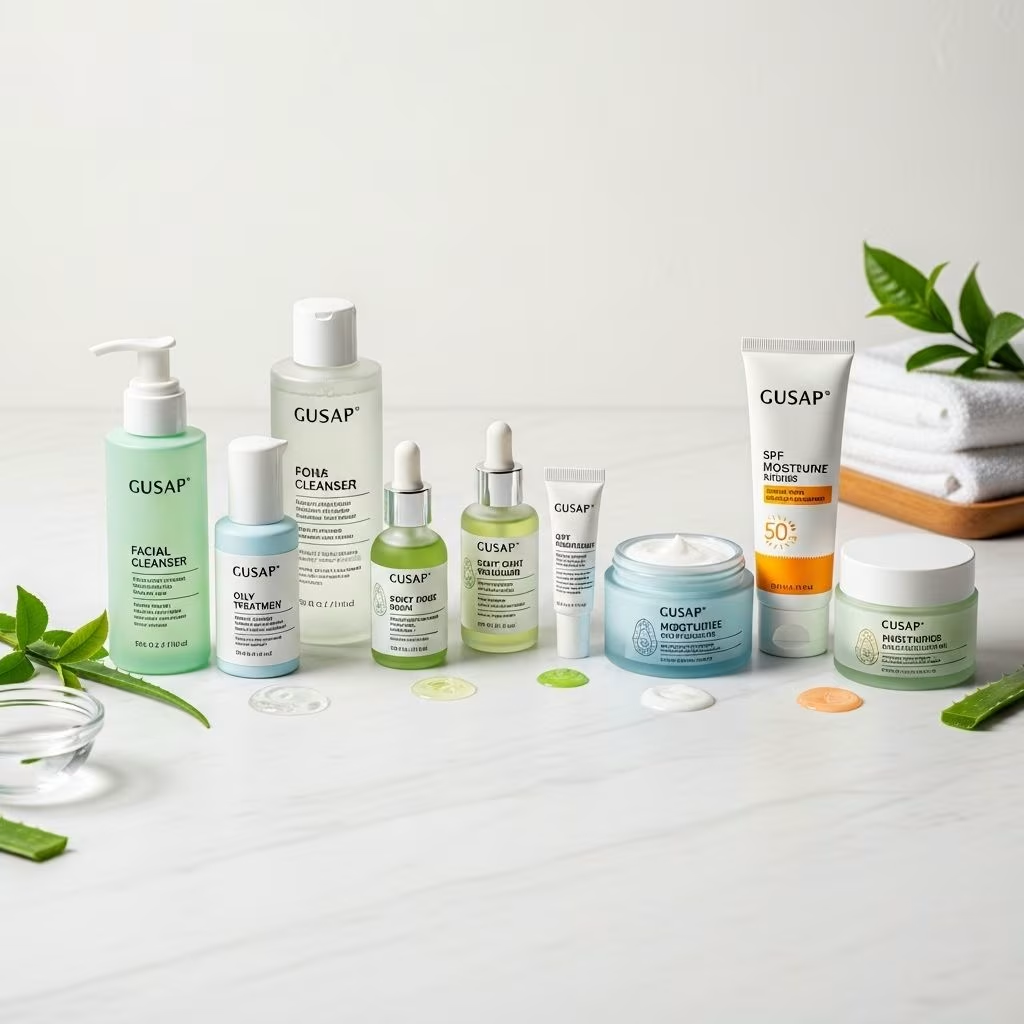
Understanding Oily, Acne-Prone Skin
Oily, acne-prone skin is characterized by excess sebum (oil) production, clogged pores, and a tendency toward breakouts, blackheads, and whiteheads. This skin type can be frustrating to manage, as the excess oil can lead to inflammation, bacteria buildup, and persistent acne. Despite the shine, oily skin still requires hydration to maintain a healthy skin barrier and prevent further issues such as irritation and overproduction of oil.
Why Layering Matters
Effective layering of skincare products is crucial for oily, acne-prone skin. Applying products in the right order ensures that each ingredient can penetrate the skin properly, maximizing their benefits while minimizing irritation and clogged pores. Improper layering can lead to product pilling, reduced efficacy, or even worsened breakouts. The key is to start with lightweight, water-based products and finish with thicker, occlusive formulas—always following the “thin to thick” rule and considering the specific needs of acne-prone skin.
Building a Core Skincare Routine
Morning Routine
A simple, consistent morning routine can set the tone for clear, balanced skin throughout the day. Focus on cleansing, treating, moisturizing, and protecting.
- Cleanser: Use a gentle, salicylic acid-based cleanser to remove excess oil and unclog pores without stripping the skin.
- Treatment: Apply a targeted acne treatment such as benzoyl peroxide, sulfur, or niacinamide to reduce bacteria and inflammation.
- Moisturizer: Hydrate with a lightweight, oil-free, non-comedogenic moisturizer to balance and protect the skin barrier.
- Sunscreen: Finish with a broad-spectrum SPF (at least SPF 30) to prevent sun damage and hyperpigmentation, especially important when using acne-fighting ingredients that can increase sun sensitivity.
Evening Routine
The evening routine is your opportunity to treat and repair the skin while you sleep.
- Cleanser: Double cleanse if you wear makeup or sunscreen—start with an oil-based cleanser to remove impurities, then follow with a water-based cleanser for a thorough clean.
- Treatment: Apply a retinol or retinoid product to promote cell turnover and unclog pores. Avoid using retinol and benzoyl peroxide together, as this can cause irritation—alternate nights if necessary.
- Moisturizer: Use a hydrating, non-comedogenic night cream or lotion to replenish moisture without clogging pores.
Choosing the Right Products
Cleansers
- Salicylic Acid Cleanser: Exfoliates and unclogs pores, reducing oil and preventing breakouts.
- Gentle Foaming Cleanser: Removes dirt and oil without over-drying.
Treatments
- Benzoyl Peroxide: Kills acne-causing bacteria and reduces inflammation.
- Sulfur: Helps dry out active breakouts and soothes irritation.
- Niacinamide: Regulates oil, reduces redness, and strengthens the skin barrier.
- Retinol/Retinoids: Promotes cell turnover and prevents clogged pores, best used at night.
Moisturizers
- Oil-Free, Non-Comedogenic: Lightweight formulas hydrate without clogging pores.
- Hyaluronic Acid: Attracts and retains moisture, ideal for oily skin.
Sunscreen
- Broad-Spectrum SPF 30+: Protects against sun damage and post-inflammatory hyperpigmentation.
- Oil-Free Formulas: Prevents excess shine and breakouts.
Other Products (Toner, Serum, Masks)
- Toner: Alcohol-free, hydrating toners can help restore pH balance and prep skin for treatments.
- Serum: Water-based serums with niacinamide, vitamin C, or hyaluronic acid can target specific concerns without heaviness.
- Masks: Clay or charcoal masks once or twice a week can absorb excess oil and purify pores.
| Product Type | Key Ingredients | Benefits | Best For |
|---|---|---|---|
| Cleanser | Salicylic Acid | Unclogs pores, reduces oil | Morning & Evening |
| Treatment | Benzoyl Peroxide, Niacinamide, Retinol | Kills bacteria, reduces inflammation, promotes turnover | Morning (Benzoyl Peroxide), Evening (Retinol) |
| Moisturizer | Hyaluronic Acid, Glycerin | Hydrates without clogging | Morning & Evening |
| Sunscreen | Zinc Oxide, Octinoxate | Protects, prevents pigmentation | Morning |
Step-by-Step Layering Guide
Follow this order to ensure optimal product absorption and effectiveness:
- Cleanser: Start with a gentle, acne-fighting cleanser to remove impurities and excess oil.
- Toner (optional): Use a hydrating, alcohol-free toner to restore skin’s pH and prep for treatments.
- Serum/Treatment: Apply water-based serums or treatments such as niacinamide or benzoyl peroxide.
- Moisturizer: Lock in hydration with a light, oil-free moisturizer.
- Sunscreen (AM): Finish your morning routine with sunscreen to protect against UV damage.
- Treatments (PM): At night, follow cleanser and serum with a retinol product for added exfoliation and repair.
- Spot Treatment (as needed): Dab on benzoyl peroxide or sulfur for active breakouts.
Dos and Don’ts for Layering
Dos:
- Start with water-based, lightweight products and finish with thicker formulas.
- Introduce new products one at a time to monitor skin’s reaction.
- Always moisturize, even if your skin is oily—a lack of hydration can trigger more oil production.
- Use sunscreen daily, especially when using acne treatments that increase sun sensitivity.
Don’ts:
- Don’t layer benzoyl peroxide and retinol at the same time—alternate to avoid irritation.
- Don’t use products with heavy fragrances or comedogenic oils that can clog pores.
- Don’t over-exfoliate or use too many active ingredients at once, as this can damage the skin barrier and worsen acne.
- Don’t skip moisturizer, even if your skin feels oily.
Frequently Asked Questions
Can I layer multiple acne treatments together?
It depends on the ingredients. Benzoyl peroxide and salicylic acid can be used together, but start slowly to prevent dryness. Avoid using benzoyl peroxide and retinol at the same time—alternate nights instead.
Should I still use moisturizer if my skin is oily?
Yes! Skipping moisturizer can trigger even more oil production. Choose a lightweight, oil-free formula that won’t clog pores.
In what order should I apply sunscreen?
Always apply sunscreen last in the morning, after your moisturizer. If using a moisturizer with SPF, you can skip an extra sunscreen step.
How long should I wait between layers?
Most products absorb in 30 seconds to a minute. If layering strong actives like retinol and vitamin C, wait a couple of minutes to prevent irritation.
Can I use an oil cleanser if I have oily skin?
Yes, oil-based cleansers can help break down sunscreen, makeup, and excess sebum, especially before a water-based cleanser in a double-cleansing routine.
Conclusion
Layering skincare for oily, acne-prone skin doesn’t have to be complicated. By focusing on the right ingredients, following the correct order of application, and listening to your skin’s needs, you can achieve a clearer, more balanced complexion. Start with a simple routine and gradually introduce new products, always prioritizing hydration and sun protection. Consistency, patience, and gentle care are the cornerstones of managing oily, acne-prone skin effectively.
References
- https://slmdskincare.com/blogs/learn/how-to-layer-skincare-oily-acne-prone-skin
- https://www.dermapenworld.com/en-au/blog/stop-your-acne-with-the-best-skincare-routine-for-oily-skin
- https://theordinary.com/en-us/blog/skincare-layering-guide.html
- https://www.healthline.com/health/beauty-skin-care/skin-care-routine-for-oily-skin
- https://www.laroche-posay.us/skincare-tips-and-advice/acne-oily-skin/skincare-routine-for-acne-prone-skin.html
- https://dorisdaymd.com/blogs/dr-days-blog/how-to-layer-your-skincare-products
- https://www.becoolasacucumber.com/blogs/news/how-to-layer-products-for-acne-prone-skin


