


- What Is the Soak and Seal Method?
- Science Behind the Soak and Seal Method
- Step-by-Step Soak and Seal Protocol
- Who Can Benefit?
- Best Practices and Tips
- Potential Risks & Precautions
- Alternative and Complementary Treatments
- Home Care for Eczema: Beyond the Bath
- Frequently Asked Questions (FAQs)
- Conclusion
What Is the Soak and Seal Method?
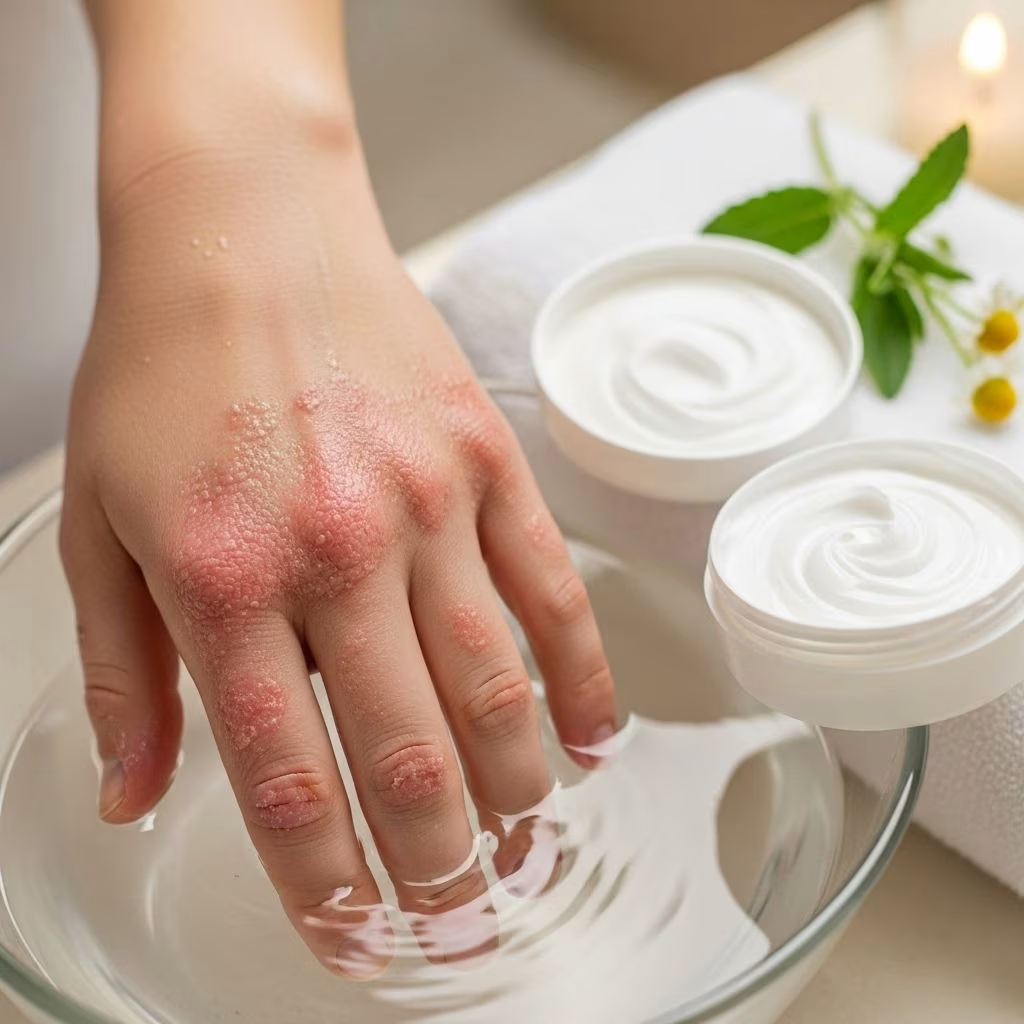
Atopic dermatitis, or eczema, is a chronic inflammatory skin condition affecting millions worldwide, especially children, and is often difficult to manage, particularly in severe cases. Among the most widely recommended therapeutic approaches by dermatologists and the National Eczema Association is the soak and seal method (sometimes called “soak and smear”). This technique involves soaking in lukewarm water for a set period, then immediately and liberally applying a topical medication and/or a moisturizer to “seal” the hydration into the skin.
The goal is to maximize skin hydration, reduce dryness, minimize itching, and allow for optimal penetration of prescription creams or ointments into the affected areas. The method is endorsed by major dermatological organizations as a foundational home therapy for both mild and severe atopic dermatitis.
Science Behind the Soak and Seal Method
The effectiveness of the soak and seal technique is rooted in its ability to hydrate and soften the outermost layer of the skin, the stratum corneum, making it more receptive to topical therapies. Bathing in water allows the skin to absorb moisture, while the rapid application of emollients or medications afterward traps this water, preventing evaporation and further dryness.
Clinical studies suggest that bathing for 15–20 minutes in plain water, followed by immediate application of a mid-to-high potency corticosteroid ointment, can dramatically improve symptoms in cases refractory to conventional therapy. This aggressive topical regimen is especially beneficial for severe atopic dermatitis, where standard treatments may fall short.
Despite some debate over whether medications are more effective on dry or damp skin, most dermatologists agree that the “smear” or “seal” step should occur within three minutes of bathing for optimal absorption.
Key Evidence
- Retrospective studies show significant symptomatic and objective improvement in patients with chronic, pruritic eruptions after adopting the soak and seal protocol.
- Major skin care organizations, including the National Eczema Association and the American Academy of Dermatology, recommend this method as part of a comprehensive eczema care plan.
Step-by-Step Soak and Seal Protocol
Here is a detailed, evidence-based protocol for performing the soak and seal method at home:
- Prepare the Bath: Fill a tub with lukewarm (not hot or cold) water. Avoid harsh soaps, bubble baths, or perfumed cleansers, as these can further irritate eczema-prone skin.
- Soak: Soak for 5–20 minutes, depending on your dermatologist’s recommendation. For severe cases, longer soaks (up to 20 minutes) may be beneficial.
- Pat Dry: Gently pat the skin with a towel—do not rub—leaving the skin slightly damp. This is crucial for maximizing moisture retention.
- Apply Medication: Apply prescription topical medication (such as a corticosteroid) directly to the affected eczema areas as directed by your healthcare provider.
- Moisturize (Seal): Within three minutes of bathing, liberally apply a thick, fragrance-free moisturizer or ointment over the entire body, not just the affected areas. This step “seals” in the moisture.
- Allow Absorption: Wait a few minutes for the moisturizer to absorb before dressing or applying wet wraps if recommended by your dermatologist.
Table: Soak and Seal Method Steps
| Step | Description | Duration |
|---|---|---|
| Bath Preparation | Fill tub with lukewarm water, no harsh soaps | N/A |
| Soak | Immerse in water | 5–20 minutes |
| Pat Dry | Gently pat, leave skin damp | N/A |
| Apply Medication | Topical prescription to affected areas | Immediately |
| Moisturize | Apply moisturizer/ointment all over | Within 3 minutes |
| Absorption | Wait before dressing | A few minutes |
Who Can Benefit?
The soak and seal method is recommended for individuals of all ages with atopic dermatitis, especially those with moderate to severe disease or those whose symptoms are not adequately controlled with standard treatments. It is particularly useful in pediatric populations, where eczema is common and often disruptive to daily life and sleep.
Patients with the following characteristics may benefit most:
- Chronic, severe, or recurrent eczema flares
- Extensive skin involvement
- History of poor response to standard moisturizers or topical steroids
- Pruritus (itching) that interferes with sleep or daily activities
Best Practices and Tips
To maximize the effectiveness of the soak and seal method, follow these expert recommendations:
- Frequency: Perform the soak and seal routine once or twice daily, as tolerated and as recommended by your dermatologist.
- Water Temperature: Use lukewarm water—never hot or cold—to avoid skin irritation.
- Soap Selection: Opt for gentle, fragrance-free cleansers or avoid soap altogether if possible.
- Moisturizer Choice: Use thick, fragrance-free creams or ointments (petroleum-based products are often preferred over lotions for their occlusive properties).
- Timing: Apply moisturizer within three minutes of bathing to lock in moisture.
- Medication: Apply prescription topical medications only to affected areas, as directed by your healthcare provider.
- Wet Wrap Therapy: For severe cases, your dermatologist may recommend “wet wrap therapy”—applying damp cotton dressings over the moisturized skin, then dry dressings, to enhance medication absorption and moisture retention.
Potential Risks & Precautions
While the soak and seal method is generally safe, especially with proper technique, there are some risks and precautions:
- Overhydration Risk: Prolonged or excessive soaking, especially in hot water, can paradoxically dry out the skin and worsen eczema.
- Infection Risk: If skin is broken, ensure the bath is clean to reduce infection risk; your dermatologist may recommend diluted bleach baths in some cases.
- Medication Side Effects: Long-term or inappropriate use of potent topical steroids can lead to skin thinning or other local side effects; always follow your provider’s instructions.
- Consultation Required: Wet wrap therapy and other advanced techniques should only be performed under the guidance of a dermatologist due to risks of occlusion and systemic absorption.
Alternative and Complementary Treatments
In addition to the soak and seal method, several adjunct therapies can be considered for severe atopic dermatitis:
- Bleach Baths: Adding a small amount of household bleach to lukewarm bathwater can reduce skin bacteria and inflammation, but should only be done with medical supervision.
- Occlusion Therapy: Covering medicated areas with plastic wrap for a few hours can enhance drug absorption in stubborn lesions.
- Systemic Medications: For refractory cases, oral or injectable medications (e.g., biologics, immunosuppressants) may be prescribed by a specialist.
- Diet & Allergy Management: Identifying and avoiding triggers, such as certain foods or environmental allergens, may help reduce flares in some patients.
Home Care for Eczema: Beyond the Bath
Managing severe atopic dermatitis requires more than bathing and moisturizing. A holistic approach includes:
- Hydration: Drink plenty of water and use a humidifier in dry environments.
- Clothing: Wear soft, breathable fabrics such as cotton; avoid wool and synthetic materials.
- Nail Care: Keep nails short and clean to minimize scratching and skin damage.
- Stress Management: Stress can trigger flares—techniques like meditation, yoga, or counseling may help.
- Avoid Irritants: Steer clear of harsh chemicals, fragrances, and extreme temperatures.
Frequently Asked Questions (FAQs)
How often should I perform the soak and seal method?
For most people with moderate to severe eczema, soaking and sealing once or twice daily is recommended, but frequency should be tailored by your dermatologist based on disease severity and skin tolerance.
Can I use regular soap?
Harsh soaps, bubble baths, and scented cleansers can irritate eczema-prone skin. Use only mild, fragrance-free cleansers or avoid soap altogether in the bath.
Is it better to apply medication to dry or damp skin?
Most studies and dermatologists recommend applying medications to slightly damp skin immediately after bathing for optimal absorption and therapeutic effect.
Can this method be used for infants and young children?
Yes, the soak and seal method is safe and effective for children, but always consult your pediatrician or dermatologist for individualized instructions.
What should I do if my eczema worsens?
If symptoms worsen despite consistent soak and seal therapy, contact your dermatologist. You may need a change in medication or additional therapies.
Are there any side effects?
Side effects are rare when the protocol is followed correctly. Risks include over-drying from hot water, skin irritation from harsh products, and (with wet wraps) occlusion-related effects. Always follow your provider’s instructions to minimize risk.
Can I shower instead of bathe?
Showers can be used, but soaking in a tub may provide better hydration. If showering, keep it brief and lukewarm, and moisturize immediately after drying off.
Conclusion
The soak and seal method is a cornerstone of atopic dermatitis management, especially for severe or refractory cases. Backed by clinical evidence and dermatological guidelines, it combines hydration with optimized topical therapy to reduce symptoms and improve quality of life. While safe for most, it should be performed with care, using the right products and under professional guidance. For those struggling with severe eczema, this protocol—often enhanced by wet wrap or occlusion therapy—can offer meaningful relief and better skin health when integrated into a comprehensive care plan.
Always consult with your dermatologist to tailor the soak and seal method to your specific needs, especially if you have severe or persistent symptoms.
References
- https://pediatrichealthnetwork.org/wp-content/uploads/2020/07/Eczema-Care-Packet.pdf
- https://www.healthline.com/health/eczema/soak-and-smear-eczema
- https://www.aad.org/public/diseases/eczema/childhood/treating/three-techniques-stregthen
- https://nationaleczema.org/treatments/bathing/
- https://pubmed.ncbi.nlm.nih.gov/16365257/
- https://www.nationaljewish.org/conditions/eczema/eczema-treatment
- https://www.clinicaltrials.gov/study/NCT03397979
- https://www.nationaljewish.org/conditions/pediatric-eczema/eczema-atopic-dermatitis/eczema-lifestyle-management


