


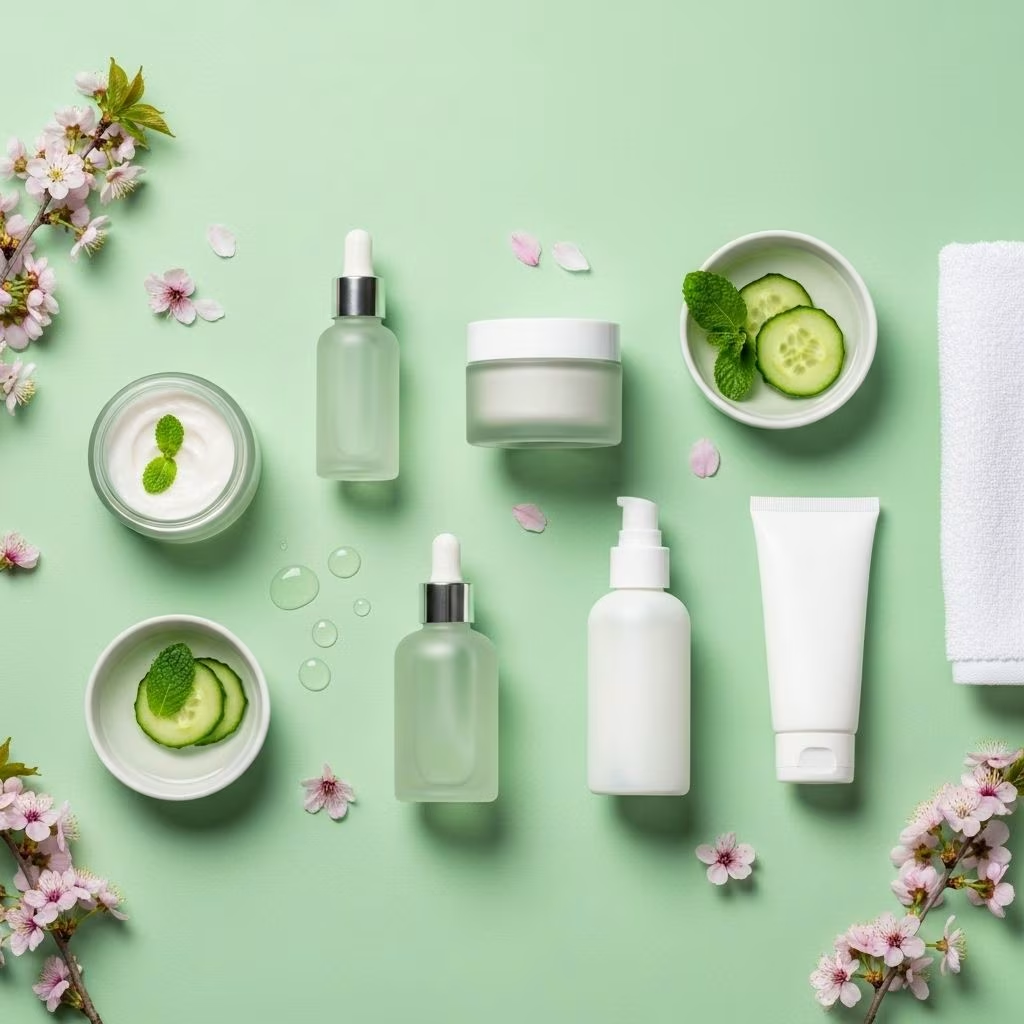
The change of season brings new energy—not only to nature, but also to our skin. As harsh winter conditions fade and spring’s warmth and humidity blossom, it’s essential to transition your skincare routine for optimal health and radiance. Discover the expert-backed steps, ingredient swaps, and best practices that will help you adapt your routine and reveal your springtime glow.
Why Transition Your Skincare Routine for Spring?
As daylight lengthens and temperatures rise, several critical environmental factors shift. Increased humidity, higher UV radiation, and allergen surges all play a role in how your skin behaves. Persisting with a winter routine—heavy creams, minimal sun protection, and infrequent exfoliation—can result in dullness, breakouts, or sensitivity.
Adapting your routine ensures skin remains hydrated, balanced, and protected, allowing you to enjoy the season with a luminous complexion.
How Does Skin Change in Spring?
Understanding skin biology during seasonal transitions is key to proper care. Dermatologists observe these common springtime changes:
- Increase in Sebum (Oil) Production: As temperatures rise, oil glands may become more active, leading to shinier skin and potential breakouts.
- Higher Transepidermal Water Loss (TEWL): Changing humidity can actually increase dehydration as the skin acclimates, making lightweight hydrating ingredients essential.
- Rise in UV Radiation: Longer, sunnier days mean amplified exposure to harmful UVA and UVB rays—even on cloudy days.
- Increased Free Radical Activity: Greater sunlight and pollution generate more environmental stress, accelerating the need for antioxidant protection.
- Allergen Impact: Springtime pollen triggers allergies in many, often manifesting as puffiness, redness, or dryness in skin.
Stepwise Spring Skincare Transition
Follow these dermatologist-guided steps for a comprehensive seasonal switch:
1. Refresh and Declutter Your Beauty Shelf
- Check expiration dates and toss out old, expired products.
- Switch out heavier creams, outdated sunscreen, and thick makeup for lighter, fresher alternatives.
2. Switch Cleansers—But Maintain Gentle Cleansing
- Normal/Dry Skin: Choose a hydrating, non-foaming cleanser that sweeps away sweat and daily grime without stripping the skin.
- Oily/Acne-Prone Skin: Opt for a clarifying cleanser containing gentle exfoliants or BHAs like salicylic acid to keep pores clear as oil production rises.
3. Exfoliate Gently and Routinely
- Shed winter’s build-up once or twice a week using a gentle chemical or physical exfoliant suited for your skin type.
- Focus on AHAs (glycolic, lactic acid) for surface radiance, and consider a BHA (salicylic acid) if prone to clogged pores.
- Do not over-exfoliate; irritation can leave skin vulnerable as it adjusts to new conditions.
4. Switch to a Lightweight Moisturizer
- Replace winter’s heavy occlusive creams with gel-based or lotion textures rich in humectants like hyaluronic acid, glycerin, or squalane.
- Look for non-comedogenic formulas to ensure pores stay clear as humidity and oil production rise.
5. Prioritize Hydration—Inside and Out
- Boost topical hydration with serums and mists.
- Keep your internal hydration up, as allergy medications or increased outdoor activities may lead to greater water loss.
6. Infuse Your Routine with Antioxidants
- Introduce an antioxidant serum (vitamin C, niacinamide, ferulic acid) each morning to shield against pollution and UV damage.
- These also help brighten post-winter dullness and even skin tone.
7. Upgrade Your Sun Protection
- Apply broad-spectrum SPF (at least SPF 30) every morning, rain or shine.
- Reapply every two hours when outdoors, and integrate protective accessories (hats, sunglasses, shade) for further defense.
Key Product Swaps and Ingredient Focus
| Winter Product | Spring Swap | Why |
|---|---|---|
| Rich, Occlusive Cream | Gel-Based Moisturizer with Hyaluronic Acid or Glycerin | Lighter texture, non-clogging, keeps skin hydrated in humidity |
| Heavy, Oil-Based Cleanser | Gentle Foaming or Water-Based Cleanser | Removes increased sweat and oil without overdrying |
| Minimal Exfoliation | Regular Gentle AHA/BHA Exfoliation | Sloughs off winter buildup, prevents spring dullness and breakouts |
| Muted, Minimal SPF (or only in sun) | Daily SPF 30+ (rain or shine) | Protects from stronger UV rays, prevents premature aging and hyperpigmentation |
| Basic Hydration | Hydrating Serums and Face Mists | Counters allergy or medication-induced dryness and keeps skin plump |
Extra Protection: Sun, Allergies, and Skin Sensitivity
Springtime brings more than heat; it introduces environmental stress your skin must buffer. Focus on these extra layer strategies:
- Sun Safety: Apply SPF 30+ each morning, reapplying every 2 hours outdoors. Wear wide-brim hats, sunglasses, and seek shade during peak sunlight (10am–4pm).
- Anti-Allergy: If you regularly battle allergies, monitor your skin for new sensitivities, especially around the eye and mouth area—hydrating eye creams and gentle formulas help reduce puffiness and chapping.
- Barrier Repair: If seasonal allergies, retinoids, or increased exfoliation cause irritation, bolster your routine with a barrier-protective cream featuring ceramides or niacinamide.
Spring Routine Refresh Checklist
- Discard old or expired skincare and makeup products
- Clean your makeup brushes and facial tools
- Check your sunscreen’s expiration date—replace if needed
- Book a professional spring facial or mild chemical peel for a deep clean and glow boost
- Simplify makeup with lighter textures and fewer layers
- Upgrade or introduce a facial mist for on-the-go hydration
- Consider adding mattifying products if prone to shine
- Adjust routines as needed for travel or increased outdoor activities
Frequently Asked Questions
How often should I exfoliate during the spring?
Dermatologists recommend gentle exfoliation one to two times a week in spring. Avoid over-exfoliating, which can compromise your skin barrier and increase sensitivity.
Do I need sunscreen if I’m indoors most of the day?
Yes. UVA rays penetrate windows and contribute to photoaging. Apply a broad-spectrum SPF every morning, regardless of your indoor or outdoor exposure.
Is switching to a lighter moisturizer really necessary?
Heavy creams can clog pores as humidity and oil production increase. Lighter, hydrating formulas help maintain a healthy moisture balance without causing breakouts.
Are antioxidant serums important for spring?
Absolutely. Antioxidants help neutralize free radicals from increased sun and pollution exposure, protecting skin from premature aging and dullness.
What if my skin feels tight or irritated after changing products?
Transition gradually. Introduce new products one at a time, monitor reactions, and always prioritize barrier-friendly ingredients like ceramides and niacinamide if sensitivity arises.
Conclusion: Your Path to Springtime Radiance
The arrival of spring is an invitation to reevaluate, refresh, and revitalize your daily skincare. By following the steps outlined—exfoliating, hydrating in harmony with the season, protecting your skin barrier, and committing to daily SPF—you’ll step into spring with a complexion that’s not only protected but truly glowing. Embrace the seasonal shift, and let your skin reflect the renewal happening all around you.
References
- https://www.glowupstudio.com/blog/spring-into-glowing-skin-transition-your-skincare-routine
- https://www.mdcsnyc.com/post/how-to-prepare-your-skin-for-spring-seasonal-transition-tips
- https://slmdskincare.com/blogs/learn/transition-skincare-routine-from-winter-to-spring
- https://www.dermalogica.com/blogs/living-skin/seasonal-transition-skincare
- https://jennakutcherblog.com/spring-skincare-routine-refresh/
- https://drnikoleta.com/podcast/7-steps-to-consider-for-your-spring-skincare-routine/
- https://dermelect.com/blogs/the-confidence-edit-blog/confidence-edit-beauty-journalspring-skin-transition-your-routine-for-warmer-weather
- https://www.theskimm.com/shopping/transition-to-spring-skincare-routine
- https://eightsaintsskincare.com/blogs/page-eight/how-to-transition-your-skincare-routine-from-spring-to-summer


