


Introduction to the STOP Technique
The STOP technique is a simple yet effective method used to help individuals, especially children, manage their emotions and respond more thoughtfully to stressful situations. It is based on the principles of mindfulness and is often used in Dialectical Behavior Therapy (DBT). This technique can be particularly beneficial for kids, as it provides them with a tool to pause and reflect before acting impulsively, thereby improving their emotional regulation and crisis management skills.
Understanding the STOP Technique
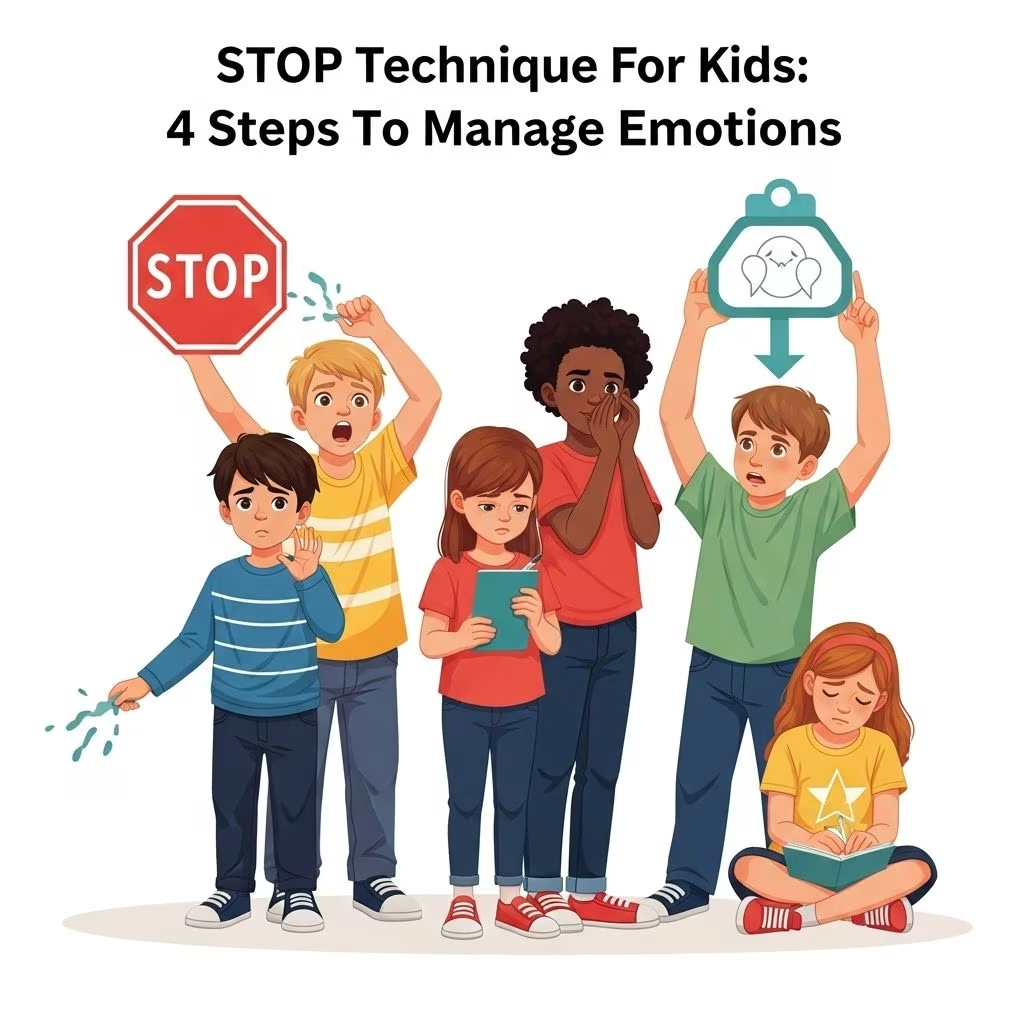
The STOP technique is an acronym that stands for four key actions: Stop, Take a Breath, Observe, and Proceed. These steps work together to interrupt impulsive reactions and encourage mindful decision-making.
Breakdown of the STOP Technique
- S – Stop: This involves taking an immediate pause when feeling overwhelmed or emotional. It’s crucial to freeze and not react impulsively.
- T – Take a Breath: This step encourages taking a deliberate and mindful breath. It helps calm the body and mind, reducing the intensity of emotions.
- O – Observe: Here, individuals observe their thoughts, feelings, and surroundings without judgment. This helps them understand their current state and make informed decisions.
- P – Proceed: Finally, proceed with intentionality, choosing a response that aligns with one’s values and goals rather than acting impulsively.
Benefits of the STOP Technique for Kids
The STOP technique offers several benefits for children, including improved emotional regulation, better crisis management, and enhanced decision-making skills. It helps kids to recognize and accept their emotions without being controlled by them, leading to more balanced responses to stressors.
Role in Emotional Regulation
Emotional regulation is a key component of mental health, and the STOP technique plays a significant role in this process. By incorporating mindfulness, it helps children gain greater control over their emotional reactions, promoting emotional resilience and well-being.
Implementing the STOP Technique for Kids
Implementing the STOP technique in daily life can be challenging, especially for children. However, with practice and consistency, it can become an effective tool for managing emotions and responding to stressful situations.
Strategies for Encouraging Use
- Teach Coping Strategies: Encourage children to use coping mechanisms like going to a quiet room or engaging in soothing activities when feeling overwhelmed.
- Visualize Success: Role-playing different scenarios can help kids practice using the STOP technique effectively.
- Identify Triggers: Understanding what triggers emotional responses can help children prepare and use the STOP technique more effectively.
Connection to Dialectical Behavior Therapy (DBT)
The STOP technique is closely associated with DBT, which emphasizes mindfulness and distress tolerance skills. DBT teaches individuals to accept and observe their emotions without judgment, allowing for more thoughtful responses to challenging situations.
Importance of Mindfulness in DBT
Mindfulness is central to DBT, helping individuals stay focused on the present moment and manage their emotions more effectively. The STOP technique embodies this principle by encouraging a mindful pause before reacting.
Frequently Asked Questions (FAQs)
Q: What is the STOP technique?
A: The STOP technique is a mindfulness tool used to manage stress and emotions by pausing, breathing, observing, and proceeding thoughtfully.
Q: How does the STOP technique help kids?
A: It helps kids regulate their emotions, respond mindfully to stressors, and improve their decision-making skills.
Q: Is the STOP technique part of DBT?
A: Yes, the STOP technique is often used in DBT as a distress tolerance skill to manage emotional responses.
Conclusion
The STOP technique is a powerful tool for kids, offering a simple yet effective way to manage emotions and respond more thoughtfully to challenging situations. By incorporating mindfulness and encouraging intentional decision-making, it helps children develop crucial life skills that promote emotional well-being and resilience.
References
- https://thinkpsych.com/blogs/posts/how-children-can-use-stop-technique-to-manage-emotions
- https://cogbtherapy.com/mindfulness-meditation-blog/mindfulness-stop-skill
- https://counselingcentergroup.com/stop-dbt-crisis-survival-skill/
- https://www.greenchimneys.org/wp-content/uploads/2020/11/Stress-Model-of-Crisis-Behavior-Support-Tech-11.24.20.pptx.pdf
- https://dbt.tools/emotional_regulation/stop.php
- https://compasshealthcenter.net/blog/supporting-clients-in-crisis-through-the-application-of-dialectical-behavior-therapy/
- https://www.youtube.com/watch?v=8ykrSYe6UMk
- https://www.ncbi.nlm.nih.gov/books/NBK559081/
- https://www.wesleyan.edu/caps/CAPS%20at%20Home/Crisis%20Survival%20Skills%20Handout.pdf


