


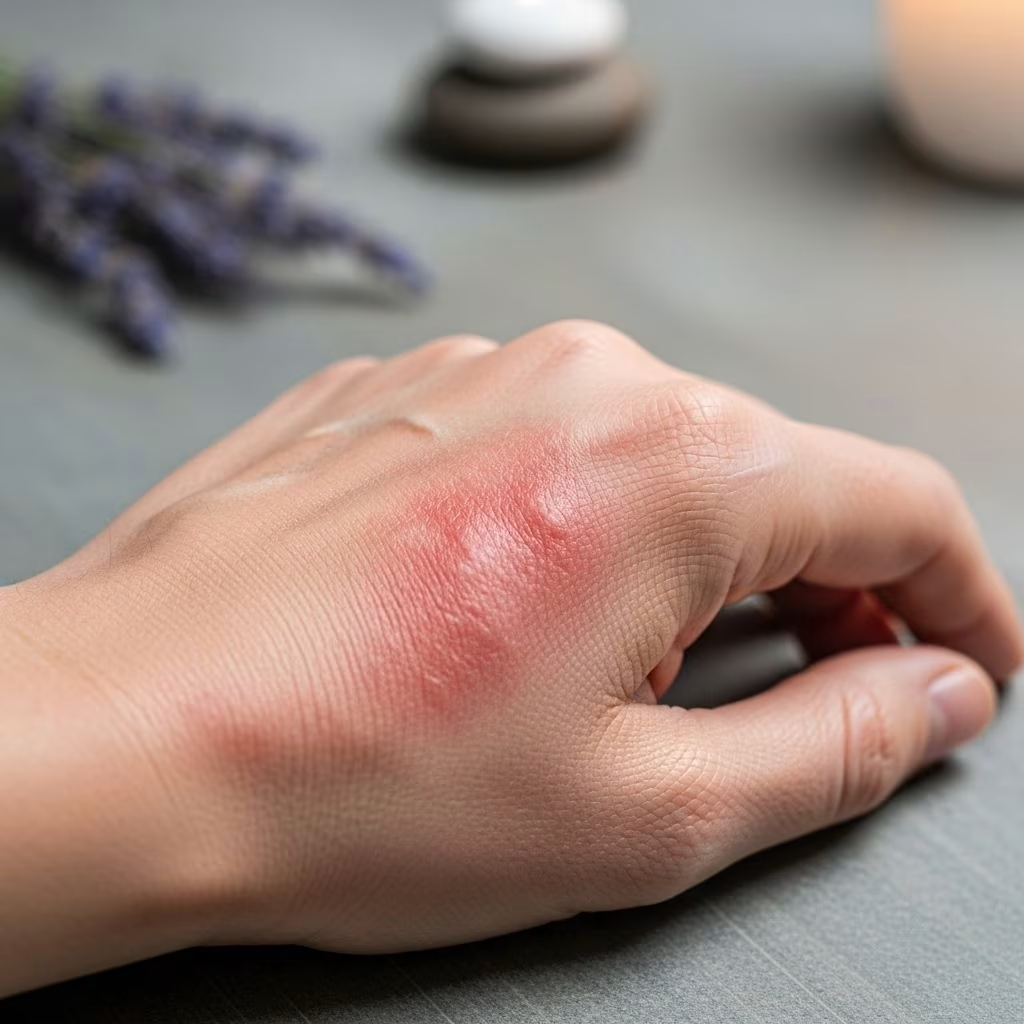
Eczema, medically known as atopic dermatitis, affects millions of people worldwide with its characteristic itchy, inflamed, and irritated skin patches. While many individuals recognize major life events as triggers for their eczema flare-ups, the insidious impact of chronic low-grade stressors often goes unnoticed. These subtle, persistent stressors—ranging from ongoing work pressures to daily family concerns—can create a continuous cycle of inflammation that keeps eczema symptoms active and resistant to treatment.
Understanding the relationship between chronic stress and eczema flare-ups is essential for anyone struggling with persistent skin symptoms. Unlike acute stress responses that cause temporary spikes in stress hormones, chronic low-grade stress maintains elevated cortisol levels over extended periods, fundamentally altering how your immune system functions and how your skin maintains its protective barrier. This comprehensive guide explores the science behind stress-induced eczema, identifies common low-grade stressors, and provides actionable strategies for breaking the stress-eczema cycle.
Understanding Chronic Stress and Its Impact on Skin Health
Chronic stress differs fundamentally from acute stress in both duration and physiological impact. When you encounter a stressful situation, your body initiates a fight-or-flight response, releasing hormones like cortisol and adrenaline. This response serves an important evolutionary purpose, preparing your body to react quickly to threats. However, when stress becomes chronic, this protective mechanism transforms into a persistent state of heightened alert that damages various body systems, including your skin.
The skin represents the body’s largest organ and serves as a critical barrier between your internal environment and external threats. Chronic stress fundamentally compromises this barrier function through multiple pathways. Elevated cortisol levels disrupt the production of natural moisturizing factors, leading to increased dryness and sensitivity. This compromised barrier allows irritants, allergens, and microorganisms to penetrate more easily, triggering inflammatory responses that manifest as eczema flare-ups.
Research demonstrates that chronic psychological stressors affect eczema symptoms more significantly than acute stressors. Participants in clinical studies consistently report that ongoing concerns related to work, family dynamics, educational pressures, and unexpected life events contribute more substantially to their eczema severity than isolated stressful incidents. This finding highlights the importance of identifying and addressing persistent low-grade stressors rather than focusing solely on major life events.
The Biological Mechanisms Behind Stress-Induced Eczema
The connection between stress and eczema operates through several interconnected biological pathways that work together to compromise skin health and trigger inflammatory responses.
Cortisol and Immune System Dysregulation
When you experience chronic stress, your body maintains elevated baseline cortisol levels. While cortisol serves important regulatory functions in normal amounts, prolonged elevation suppresses immune system function and paradoxically increases inflammation throughout the body. This creates a particularly problematic situation for individuals with eczema, as their condition already involves dysregulated immune responses and chronic inflammation.
High cortisol levels specifically trigger the release of pro-inflammatory cytokines and affect how immune cells respond to environmental triggers. This immune-mediated inflammatory response extends to the skin, where it manifests as the redness, swelling, and intense itching characteristic of eczema flare-ups. The inflammation also impairs the skin’s ability to heal from damage, creating a situation where flare-ups persist longer and prove more resistant to standard treatments.
Skin Barrier Dysfunction
Your skin’s outermost layer, the stratum corneum, functions as a protective barrier that retains moisture and prevents harmful substances from entering your body. Chronic stress fundamentally disrupts this barrier through multiple mechanisms. Elevated cortisol interferes with the production of ceramides, cholesterol, and fatty acids—the lipid molecules that cement skin cells together and maintain barrier integrity.
As barrier function deteriorates, trans-epidermal water loss increases, leading to the dry, flaky skin commonly associated with eczema. Simultaneously, the compromised barrier allows allergens, irritants, and microorganisms to penetrate more easily, triggering immune responses that further damage the skin. This creates a self-perpetuating cycle where barrier dysfunction leads to inflammation, which causes additional barrier damage.
Neurotransmitter and Neuropeptide Release
The skin contains an extensive network of nerve endings that communicate directly with the brain through the release of neurotransmitters and neuropeptides. Chronic stress affects these neural pathways, causing the release of substance P and other inflammatory mediators that contribute to itching and inflammation. This neurogenic inflammation represents an additional pathway through which psychological stress directly triggers physical skin symptoms.
Low-Grade Stressors: The Hidden Triggers
Low-grade stressors differ from major life events in their subtlety and persistence. While most people recognize that events like job loss, relationship breakdowns, or serious illness can trigger eczema flare-ups, the cumulative impact of smaller daily stressors often goes unrecognized. These persistent, low-level stressors maintain chronic elevation of stress hormones without creating the obvious distress that prompts people to seek stress management interventions.
Common Sources of Low-Grade Chronic Stress
Workplace Pressures: Ongoing job demands, difficult relationships with colleagues or supervisors, concerns about job security, and the challenge of balancing work with personal life create persistent background stress. Even when these factors don’t cause acute distress, they maintain elevated cortisol levels that impact skin health.
Family Dynamics: Complex family relationships, parenting challenges, caregiving responsibilities, and managing household logistics generate continuous low-level stress. The emotional labor involved in maintaining family harmony while managing your own eczema symptoms adds another layer of chronic stress.
Financial Concerns: Ongoing money worries, even when not severe enough to cause financial crisis, create persistent anxiety that elevates stress hormone levels. The cost of managing eczema itself—including medications, special skincare products, and medical appointments—can become an additional financial stressor.
Sleep Disruption: Eczema-related itching often disrupts sleep quality, creating a chronic state of sleep deprivation. Poor sleep represents both a consequence of eczema and an independent stressor that weakens immune function and increases skin sensitivity, creating another vicious cycle.
Social and Environmental Factors: Concerns about appearance, social stigma related to visible skin conditions, environmental pollution, and daily exposure to potential allergens or irritants create ongoing low-grade stress that accumulates over time.
The Cumulative Effect
Individual low-grade stressors might seem manageable in isolation, but their cumulative impact creates a significant burden on your stress response systems. This chronic activation of stress pathways maintains the physiological conditions that promote eczema flare-ups even when no single stressor seems severe enough to explain your symptoms. Recognizing this cumulative effect represents an important step in developing effective management strategies.
Recognizing Stress-Related Eczema Flare-Ups
Identifying when stress contributes to your eczema flare-ups helps you develop targeted interventions and break the stress-eczema cycle. Stress-induced flare-ups often display characteristic patterns that distinguish them from flare-ups triggered by other factors.
Timing and Pattern Recognition: Stress-related flare-ups typically worsen during periods of increased pressure or anxiety, even when your exposure to known environmental triggers remains constant. You might notice that your skin deteriorates during busy work periods, family conflicts, or times of uncertainty, regardless of whether the weather, your diet, or your skincare routine has changed.
Treatment Resistance: When stress drives your flare-ups, standard treatments often prove less effective than usual. Moisturizers that normally control your symptoms might provide minimal relief, and prescription medications may take longer to work or fail to fully resolve inflammation. This treatment resistance occurs because stress continuously regenerates the inflammatory cascade, overwhelming the anti-inflammatory effects of topical medications.
Absence of Clear Environmental Triggers: If your eczema worsens without obvious exposure to known triggers like specific foods, fabrics, soaps, or environmental allergens, stress likely plays a significant role. This pattern suggests that internal factors related to stress physiology, rather than external irritants, drive your symptoms.
Increased Scratching Behavior: Many people scratch unconsciously during times of stress or anxiety, creating or worsening skin damage. You might notice that you touch, rub, or scratch your skin more frequently during stressful periods, perpetuating the itch-scratch cycle that characterizes eczema flare-ups.
The Vicious Cycle: How Eczema Creates More Stress
The relationship between stress and eczema operates bidirectionally, creating a self-perpetuating cycle that can be difficult to break. Understanding this cycle helps explain why eczema often becomes increasingly difficult to manage over time and why stress management must address both the sources of external stress and the stress created by eczema itself.
Eczema symptoms directly create stress through multiple pathways. The intense itching associated with flare-ups disrupts sleep, leading to chronic sleep deprivation that weakens immune function and increases sensitivity to stressors. Poor sleep quality also impairs emotional regulation, making it harder to cope with daily challenges and increasing overall stress levels.
Visible skin lesions create social and emotional stress related to appearance concerns, fear of judgment, and experiences of discrimination or stigma. Many people with eczema report avoiding social situations, experiencing anxiety about others noticing their skin condition, and dealing with low self-esteem. These emotional impacts represent significant chronic stressors that elevate cortisol levels and perpetuate inflammation.
The unpredictability of eczema flare-ups creates ongoing anxiety and hypervigilance. Not knowing when symptoms might worsen or what might trigger a flare-up generates persistent worry that maintains chronic stress activation. This anticipatory anxiety represents a form of low-grade stress that contributes to the very flare-ups people fear.
For parents of children with eczema, the condition creates additional stress related to managing their child’s symptoms, feeling guilty or helpless, and dealing with disrupted family sleep patterns. This caregiver stress adds another dimension to the stress-eczema cycle, affecting both the parent’s wellbeing and potentially influencing the child’s stress levels and symptoms through emotional contagion.
Evidence-Based Stress Management Strategies
Breaking the stress-eczema cycle requires comprehensive strategies that address both the sources of chronic stress and the physiological stress response. Research supports several evidence-based approaches for managing stress-related eczema flare-ups.
Mind-Body Interventions
Meditation and Mindfulness: Regular meditation practice helps reduce cortisol levels and calm the nervous system’s stress response. Mindfulness-based stress reduction techniques teach you to observe thoughts and sensations without judgment, reducing the emotional reactivity that amplifies stress. Even brief daily meditation sessions of 10-15 minutes can produce measurable improvements in stress hormone levels and immune function.
Deep Breathing Exercises: Controlled breathing techniques activate the parasympathetic nervous system, counteracting the fight-or-flight response. Diaphragmatic breathing, box breathing, and progressive relaxation exercises can be performed anywhere and provide immediate stress relief. Incorporating breathing exercises into your daily routine creates cumulative benefits for stress management.
Yoga and Gentle Movement: Yoga combines physical postures, breathing techniques, and meditation to address stress through multiple pathways. The practice reduces cortisol levels, improves sleep quality, and enhances body awareness. Gentle forms of yoga are particularly suitable for people with eczema, as they avoid excessive sweating or skin friction that might trigger flare-ups.
Cognitive and Behavioral Approaches
Cognitive Behavioral Therapy (CBT): CBT helps identify and modify thought patterns that contribute to stress and anxiety. For people with eczema, CBT can address catastrophic thinking about symptoms, anxiety related to appearance, and habitual scratching behaviors. Research demonstrates that CBT effectively reduces both stress levels and eczema severity.
Habit Reversal Training: This specialized behavioral approach specifically targets unconscious scratching that worsens eczema. The training teaches you to recognize urges to scratch and substitute alternative behaviors, breaking the itch-scratch cycle that perpetuates flare-ups.
Journaling and Emotional Processing: Writing about stressful experiences and emotions provides an outlet for processing difficult feelings and identifying patterns in your stress responses. Keeping a combined stress-symptom journal helps you recognize connections between specific stressors and eczema flare-ups, enabling more targeted interventions.
Professional Psychological Support
Working with a mental health professional who understands the mind-body connection in chronic illness can provide invaluable support for managing stress-related eczema. Therapists can help you develop personalized coping strategies, address trauma or anxiety disorders that contribute to chronic stress, and provide guidance for navigating the emotional challenges of living with a chronic skin condition.
Lifestyle Modifications for Stress Reduction
Beyond specific stress management techniques, broader lifestyle modifications create an environment that supports lower stress levels and better eczema control.
Sleep Optimization
Prioritizing sleep quality represents one of the most important interventions for managing stress-related eczema. Aim for at least eight hours of sleep per night, establishing a consistent sleep schedule even on weekends. Create a bedtime routine that promotes relaxation, such as taking a lukewarm bath with colloidal oatmeal, applying moisturizer, and practicing gentle stretching or meditation.
Address eczema-related sleep disruption directly by working with your dermatologist to optimize nighttime symptom control. Using antihistamines as directed, applying appropriate topical medications before bed, and wearing soft cotton gloves or clothing to minimize scratching can significantly improve sleep quality.
Regular Physical Activity
Exercise provides powerful stress relief through multiple mechanisms, including endorphin release, cortisol regulation, and improved sleep quality. However, people with eczema need to approach exercise carefully, as sweating can trigger flare-ups. Choose activities that minimize overheating, shower promptly after exercise, and apply moisturizer immediately to protect your skin barrier.
Outdoor activities provide additional benefits by exposing you to natural light and fresh air, both of which support circadian rhythm regulation and mood. Walking, hiking, swimming in properly chlorinated pools, and cycling represent excellent options for stress-reducing exercise that accommodates eczema concerns.
Social Connection and Support
Strong social connections buffer the impact of stress on health. Prioritize time with supportive friends and family members, join eczema support groups (either in-person or online), and don’t hesitate to ask for help when you need it. Sharing your experiences with others who understand the challenges of living with eczema reduces feelings of isolation and provides practical advice for managing symptoms.
Nutritional Considerations
While diet doesn’t directly cause eczema, certain nutritional factors can influence inflammation and stress responses. Eating a balanced diet rich in anti-inflammatory foods like fatty fish, colorful vegetables, and whole grains supports overall health and may help moderate inflammatory responses. Limiting caffeine and alcohol, both of which can disrupt sleep and exacerbate stress, may provide additional benefits.
Some people find that identifying and avoiding food sensitivities reduces their eczema burden, which in turn lowers the stress associated with managing symptoms. Working with a registered dietitian who specializes in inflammatory conditions can help you develop an eating plan that supports both stress management and eczema control.
Medical Interventions and Professional Support
While stress management and lifestyle modifications form the foundation of managing stress-related eczema, medical interventions play an important complementary role.
Optimizing Eczema Treatment
Work closely with your dermatologist to ensure your basic eczema management plan effectively controls inflammation and protects your skin barrier. This includes using appropriate prescription medications as directed, selecting gentle fragrance-free moisturizers, and avoiding known irritants. When baseline eczema control improves, the condition generates less stress, helping break the vicious cycle.
Your dermatologist may recommend adjusting your treatment plan during particularly stressful periods, using more intensive therapies temporarily to prevent stress-triggered flare-ups from spiraling out of control. Proactive treatment during high-stress times can prevent minor flare-ups from becoming severe episodes that create additional stress.
Addressing Mental Health Conditions
If you experience anxiety or depression alongside your eczema, treating these conditions directly can significantly improve both your mental health and your skin symptoms. Anxiety and depression represent substantial chronic stressors that maintain elevated cortisol levels and impair immune function. Working with a psychiatrist or psychiatric nurse practitioner can help determine whether medication might benefit your overall stress management approach.
Integrated Care Approaches
The most effective management of stress-related eczema often involves integrated care that coordinates dermatological treatment, mental health support, and lifestyle interventions. Some medical centers offer specialized programs that bring together dermatologists, psychologists, and other specialists to address the complex interplay between stress and chronic skin conditions. If available in your area, these programs can provide comprehensive support for breaking the stress-eczema cycle.
Frequently Asked Questions
Q: How long does it take for stress management to improve eczema symptoms?
A: The timeline varies depending on individual factors and the severity of chronic stress. Some people notice improvements within a few weeks of implementing stress management strategies, while others require several months of consistent practice. Remember that stress management works best as part of a comprehensive treatment plan that includes appropriate medical care and skincare.
Q: Can low-grade stress cause eczema in someone who never had it before?
A: While stress alone doesn’t directly cause eczema in people without genetic predisposition, chronic stress can trigger the initial onset of symptoms in individuals who have underlying susceptibility. Stress may unmask latent eczema by compromising skin barrier function and triggering immune dysregulation.
Q: Is stress-related eczema worse than eczema caused by other triggers?
A: Stress-related eczema isn’t necessarily more severe, but it can be more persistent and harder to treat because the underlying trigger—chronic stress—often remains active even during treatment. Flare-ups triggered by environmental factors typically resolve once you remove the trigger, while stress-driven inflammation can continue as long as stress persists.
Q: Should I stop my eczema medications while focusing on stress management?
A: No, you should never discontinue prescribed eczema medications without consulting your dermatologist. Stress management works best as a complement to, not a replacement for, medical treatment. The combination of appropriate medical care and effective stress management provides the best outcomes for controlling eczema.
Q: How can I identify which low-grade stressors are affecting my eczema?
A: Keep a detailed journal tracking both your stress levels and eczema symptoms. Record daily stressors, even minor ones, along with changes in your skin condition. Over several weeks, patterns typically emerge that help identify which stressors most strongly correlate with your flare-ups. This information guides more targeted stress management interventions.
Q: Can children experience stress-related eczema from low-grade stressors?
A: Yes, children can definitely experience stress-related eczema. Common low-grade stressors for children include school pressures, social challenges, family tensions, and disruptions to routine. Parents should watch for behavioral changes that might indicate stress and work with pediatricians or child psychologists to address both the stress and the eczema symptoms.
Q: What should I do during an acute stress-triggered eczema flare-up?
A: During an acute flare-up, combine immediate stress-reduction techniques (like deep breathing or brief meditation) with intensified skincare. Apply moisturizer more frequently, use prescribed anti-inflammatory medications as directed, and avoid scratching by wearing soft gloves or using cold compresses to relieve itching. Contact your dermatologist if symptoms don’t improve within a few days or if the flare-up is severe.
References
- https://www.sinyderm.com/blog/can-stress-really-cause-eczema-flare-ups-breaking-down-the-link
- https://www.pfizer.com/news/articles/eczema_and_stress_what_s_the_link
- https://www.healthline.com/health/eczema-stress
- https://www.eucerinus.com/skin-care-101/eczema/eczema-flare-up
- https://www.nemluvio.com/eczema/about-eczema/emotional-impact
- https://eczema.org/information-and-advice/triggers-for-eczema/stress-and-eczema/
- https://pmc.ncbi.nlm.nih.gov/articles/PMC10579569/
- https://my.clevelandclinic.org/health/diseases/9998-eczema
- https://allergyasthmanetwork.org/what-is-eczema/moderate-to-severe-eczema/


