


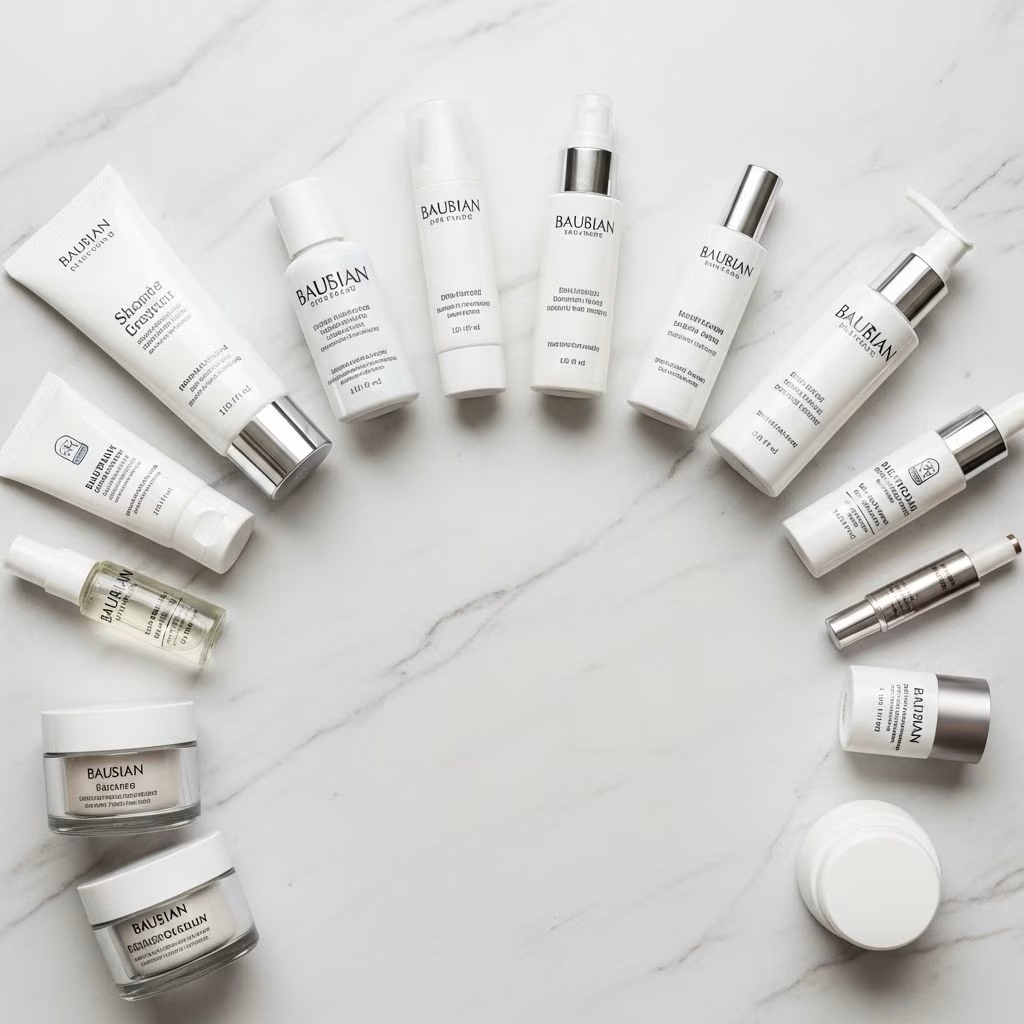
Understanding Combination Skin: The Unique Challenges
Combination skin—where the T-zone is oily but cheeks are dry—is among the most challenging skin types to manage. The forehead, nose, and chin tend to produce excess oil, while the cheeks may feel tight, flaky, or even itchy. This mixed landscape demands a tailored skincare routine—treat each area based on its needs to avoid both breakouts and dehydration.
Most people with this skin type make the mistake of treating their entire face as oily or dry, often leading to irritation, more oiliness, or worsened dryness. The solution lies in understanding your skin and addressing its unique characteristics with the right products and techniques.
What Is an Oily T-Zone and Dry Cheeks?
The T-zone, which comprises the forehead, nose, and chin, is especially prone to oiliness due to a higher concentration of sebaceous glands. This can lead to shine, enlarged pores, and acne breakouts. In stark contrast, the cheeks typically have fewer oil glands, leaving them vulnerable to dryness, especially after exposure to harsh cleansers or environmental factors.
Symptoms of combination skin include:
- Shiny, slick, or greasy appearance in the T-zone
- Enlarged or clogged pores on the nose and forehead
- Breakouts, especially in the T-zone
- Redness, tightness, or flaking on the cheeks
- Occasional itchiness in dry areas
Common Cleansing Mistakes
Using Harsh or Foaming Cleansers Across the Entire Face
Many people gravitate toward strong, foaming cleansers to strip away oil, often as a first line of defense against oily T-zone. However, these can be too harsh for dry cheeks, stripping away not just oil but also essential moisture, leaving those areas tight and flaky. Over time, this can stimulate even more oil production in the T-zone, as the skin tries to compensate for dryness.
Neglecting to Moisturize the T-Zone
It may seem counterintuitive, but skipping moisturizer on the T-zone is a mistake. Even oily skin needs hydration. Without it, the skin can become dehydrated, prompting more oil production and congestion. Look for lightweight, non-comedogenic moisturizers that hydrate without clogging pores.
Over-Exfoliating or Using the Wrong Exfoliants
Physical scrubs and strong acids can be great for dissolving dead skin and unclogging pores in the T-zone, but they can easily irritate dry, sensitive cheeks. Stick to mild exfoliants, and focus them only on oily areas.
Ignoring pH Balance
A cleanser with an unbalanced pH can disrupt your skin’s natural barrier, making oily areas oilier and dry areas drier. Look for pH-balanced cleansers and toners formulated for combination skin to maintain harmony.
Applying Heavy Creams to the Cheeks Only
While dry cheeks may benefit from richer creams, avoiding lighter options in the T-zone can lead to clogged pores and breakouts. Use layering wisely—thicker products on dry areas, lightweight gels on oily zones.
Cleansing Practices for an Oily T-Zone
Choose the Right Cleanser
Opt for a gentle, oil-free, non-comedogenic cleanser that removes excess oil without stripping your skin. Ingredients like salicylic acid, clay, and niacinamide can help control oil and minimize pores without causing irritation. Avoid cleansers with alcohol, which can over-dry and stimulate more oil production.
Double Cleansing
Oil cleansers, followed by a gentle foaming or water-based cleanser, can be effective for oily zones—just avoid the dry cheek area. Oil cleansers dissolve sebum, sunscreen, and makeup, while the second cleanse removes residue and impurities.
Targeted Exfoliation
Incorporate a mild exfoliant, such as a product with salicylic acid or enzymatic exfoliators, into your T-zone routine 2–3 times per week. This helps prevent clogged pores and breakouts but should be avoided on dry cheeks.
Use Oil-Control Products Wisely
Blotting papers, mattifying primers, and oil-free moisturizers are great tools for managing shine throughout the day. However, don’t overdo it—frequent blotting without rehydration can lead to dehydration.
Don’t Skip Sunscreen
Even oily skin needs sun protection. Choose a lightweight, oil-free, non-comedogenic sunscreen to avoid clogging pores or increasing shine.
Cleansing Practices for Dry Cheeks
Gentle, Hydrating Cleansers
Use a creamy, hydrating cleanser on dry cheeks to maintain the skin’s moisture barrier. Avoid soaps or foaming cleansers, which can further strip the skin. Look for ingredients like ceramides, glycerin, and hyaluronic acid to help attract and retain moisture.
No Over-Cleansing
Wash your face only twice a day—morning and night. Over-cleansing can exacerbate dryness and irritation, especially for sensitive cheeks.
Hydrating Serums
Apply serums rich in hyaluronic acid or saccharide isomerate to dry areas after cleansing and before moisturizing. These ingredients help deeply hydrate without heaviness.
Layering Moisturizers
For extra hydration, apply an emollient-rich cream over a hydrating serum on the cheeks. This layering technique builds a protective moisture barrier, preventing transepidermal water loss and soothing dryness.
Avoid Alcohol-Based Toners
Toners containing alcohol are too harsh for dry cheeks. Instead, try alcohol-free, hydrating mists with ingredients like green tea or rosewater to soothe and prep the skin for additional skincare steps.
Building the Perfect Cleansing Routine
Here’s how to structure a targeted, efficient skincare routine for combination skin:
| Step | T-Zone (Oily) | Cheeks (Dry) |
|---|---|---|
| Cleanser | Gentle, non-comedogenic, oil-free | Creamy, hydrating, ceramide-enriched |
| Toner | Alcohol-free, balancing, perhaps salicylic acid | Hydrating mist, no alcohol |
| Serum | Optional: Oil-control, niacinamide | Hyaluronic acid, glycerin |
| Moisturizer | Oil-free, lightweight gel or gel-cream | Rich, emollient cream with ceramides |
| Sunscreen | Lightweight, oil-free, SPF 30–50 | Same, or slightly richer formula if tolerated |
Morning Routine
- Cleanse: Use a gentle, pH-balanced cleanser all over. Rinse thoroughly.
- Tone: Apply a balancing, non-drying toner to the T-zone and a hydrating mist to the cheeks.
- Serum: Focus hydration serum on the cheeks; if using, apply oil-control serum to the T-zone.
- Moisturize: Use a lightweight, non-comedogenic moisturizer on the T-zone and a richer cream on the cheeks.
- Sunscreen: Finish with a broad-spectrum SPF; opt for a matte finish in the T-zone.
Evening Routine
- First Cleanse: Oil-based cleanser on the T-zone, gentle cream cleanser on cheeks.
- Second Cleanse: Follow with a gentle, non-comedogenic cleanser.
- Tone: Balance and hydrate as in the morning.
- Serum: Apply hydrating serum to cheeks; use targeted treatment (e.g., salicylic acid) on T-zone if needed.
- Moisturize: As in morning, but consider a slightly richer night cream on the cheeks.
- Occasional Exfoliation: Exfoliate the T-zone only, 2–3 times per week, never on dry cheeks.
Frequently Asked Questions (FAQs)
Q: Can I use the same cleanser for my oily T-zone and dry cheeks?
A: Ideally, no. The T-zone benefits from a gentle, oil-free cleanser, while dry cheeks should be treated with a hydrating, creamy cleanser. If you must use one product, choose a mild, pH-balanced option and layer moisturizer accordingly.
Q: How often should I exfoliate my T-zone?
A: 2–3 times per week is safe for most people with an oily T-zone. Over-exfoliation can irritate the skin and increase oil production. Avoid exfoliating dry cheeks unless you use a very gentle hydrating exfoliant.
Q: Does drinking water help control oil in the T-zone?
A: While hydration is important for overall skin health, drinking water alone will not eliminate oiliness. Use targeted skincare and proper cleansing habits for best results.
Q: Can I use heavy creams on my T-zone?
A: Avoid heavy, oil-based creams on the T-zone, as they can clog pores and cause breakouts. Stick with lightweight, oil-free, non-comedogenic options in this area.
Q: What’s the biggest mistake people make with combination skin?
A: Treating the whole face as either only oily or only dry. Combination skin requires different products and approaches for different facial zones to avoid both breakouts and dryness.
Conclusion
Managing combination skin with an oily T-zone and dry cheeks is possible—and neither complicated nor time-consuming—when you understand the unique needs of each area and avoid common cleansing pitfalls. Choose the right cleansers for each zone, moisturize strategically, and always protect your skin from the sun. With these tailored routines, even the most challenging combination skin can look balanced, healthy, and radiant.
References
- https://www.healthline.com/health/t-zone-face
- https://www.kiehls.com/skincare-advice/oily-t-zone.html
- https://www.annmariegianni.com/combination-skin-what-it-is-how-to-cope-and-the-best-products-for-you/
- https://www.fresh.com/us/stories/skincare-education/article-how-to-manage-an-oily-t-zone.html
- https://www.cerave.com/skin-smarts/skincare-routines/a-gentle-skincare-routine-for-oily-skin
- https://www.paulaschoice.com/expert-advice/skincare-advice/combination-skin/what-to-do-when-you-have-combination-skin.html
- https://www.sephora.com/buy/t-zone-skin-care-products
- https://www.naturalorganicskincare.com/collections/combination
- https://rejuvaskin.com/blogs/science-and-health/understanding-your-skin-type-a-comprehensive-guide-to-oily-dry-combination-and-sensitive-skin


