


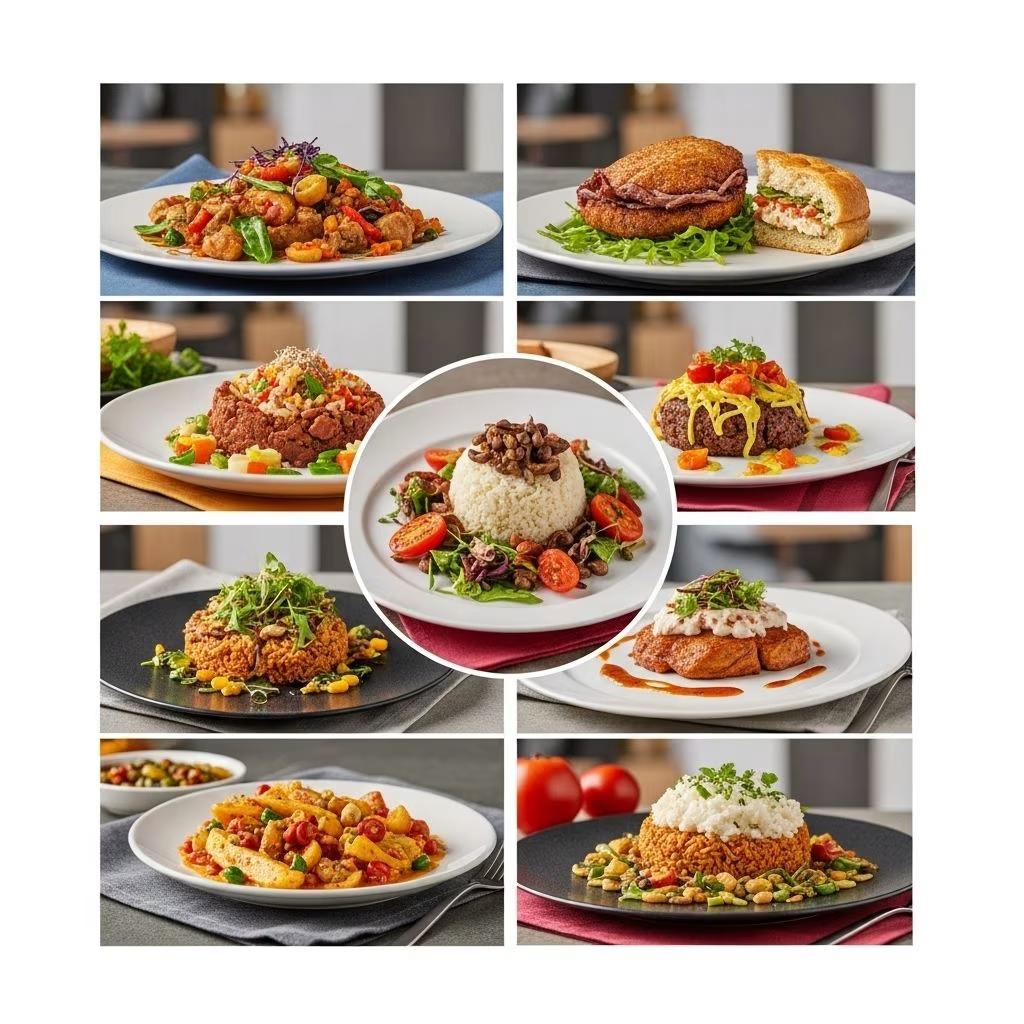
The constant question of “what’s for dinner?” can drain even the most organized parent. Between managing schedules, dietary preferences, and the desire to provide nutritious meals, dinner planning often becomes a source of daily stress. Themed meal nights offer a brilliant solution by creating a structured yet flexible approach to meal planning that brings consistency and routine to your family’s dining experience.
Themed meal nights work by assigning specific food categories or cuisines to particular days of the week. Instead of facing endless recipe options every single day, you narrow your choices to a defined theme, making decision-making faster and more manageable. This approach has transformed dinner planning for countless families, turning a daily challenge into an organized system that actually works.
Understanding the Power of Themed Meal Planning
The beauty of themed meal nights lies in their ability to provide structure without monotony. Unlike eating the same meal every Monday, themed nights give you variety within a consistent framework. Monday might be Meatless Monday, but that could mean vegetable lasagna one week, black bean burgers the next, and mushroom risotto the week after.
This system addresses one of the most significant challenges modern families face: decision fatigue. Throughout the day, parents and caregivers make countless decisions for themselves and their families. By the time dinner rolls around, the mental energy required to choose from thousands of possible recipes can feel overwhelming. Themed nights eliminate this burden by automatically reducing your options to a manageable category.
The consistency that themed meal nights provide goes beyond just planning. Children thrive on routine and predictability, and knowing that Tuesday means tacos or Thursday brings pasta helps them feel secure and engaged with family meals. This familiarity often makes children more willing to try new dishes within familiar themes, expanding their palates gradually and naturally.
Popular Theme Night Ideas for Every Family
Selecting the right themes for your family depends on your preferences, dietary needs, and cooking style. The most successful themed meal plans incorporate foods your family already enjoys while leaving room for experimentation. Here are some widely popular theme night options that work well for many households:
Meatless Monday has become a cultural phenomenon, encouraging families to explore plant-based meals at the start of each week. This theme promotes health benefits while often reducing grocery costs. Options range from hearty vegetarian chilis to creative grain bowls and everything in between.
Taco Tuesday remains the most recognized themed dinner night, but it extends far beyond traditional tacos. This theme can encompass any Mexican-inspired cuisine, including enchiladas, quesadillas, burrito bowls, tamales, or Mexican street corn salads. The versatility makes it endlessly adaptable.
International Wednesdays open the door to exploring global cuisines. One week might feature Thai curry, another could showcase Moroccan tagine, and the next might bring Japanese teriyaki. This theme educates children about different cultures while expanding everyone’s culinary horizons.
Slow Cooker Thursdays or One-Pot Wednesdays address practical needs by focusing on cooking methods rather than cuisine types. These themes work perfectly for busy days when you need dinner to practically cook itself. Prep in the morning, and return home to a ready meal.
Pizza Fridays celebrate the end of the work week with a family favorite. Whether you order takeout, use store-bought dough, or make everything from scratch, pizza night becomes a beloved tradition. Consider making it interactive by letting family members build their own personal pizzas.
Breakfast for Dinner delights children and adults alike. Pancakes, waffles, omelets, French toast, and breakfast sandwiches all make acceptable dinner fare. This theme often uses ingredients you already have on hand, making it budget-friendly and convenient.
Soup and Sandwich Saturdays provide comfort food that’s surprisingly easy to prepare. Pair homemade or quality store-bought soup with gourmet sandwiches or grilled cheese for a satisfying meal that feels special without requiring hours in the kitchen.
Sunday Family Traditions honors recipes passed down through generations or creates new family favorites. This night might feature grandma’s pot roast, dad’s famous spaghetti sauce, or any dish that holds special meaning for your family.
Creating Your Personalized Theme Night Schedule
Building a themed meal schedule that works for your unique family requires some thoughtful planning. Start by identifying four to six themes that genuinely appeal to your household. Don’t feel pressured to fill every night with a different theme—incorporating leftover nights and flexible days makes the system sustainable long-term.
Consider your weekly schedule when assigning themes to specific days. Place more time-intensive themes on weekends or days when you typically have more cooking time. Reserve simpler themes or slow cooker meals for your busiest weekdays. For example, if Wednesdays involve after-school activities and evening commitments, that’s the perfect day for a crockpot meal that cooks while you’re away.
Write your schedule down and post it somewhere visible in your kitchen. This visibility serves multiple purposes: it reminds you what theme to plan for, helps other family members know what to expect, and allows older children or partners to contribute meal ideas or even take over cooking occasionally.
A sample weekly schedule might look like this:
Monday: Meatless Monday
Tuesday: Taco Tuesday (Mexican cuisine)
Wednesday: Slow Cooker Wednesday
Thursday: Pasta Thursday
Friday: Leftovers or Pizza Night
Saturday: Breakfast for Dinner
Sunday: Comfort Food or Family Recipe Night
Remember that this schedule isn’t set in stone. Adjust it as needed based on what works and what doesn’t. Some families find that having one completely flexible night per week allows for spontaneity without abandoning the overall structure.
Implementing Theme Nights Successfully
Once you’ve selected your themes and created a schedule, implementation becomes the next crucial step. The transition to themed meal planning works best when approached systematically rather than attempting to overhaul everything overnight.
Start with a Recipe Collection: For each theme, compile ten to fifteen recipes that your family enjoys or wants to try. Create Pinterest boards, bookmark websites, or maintain a physical recipe binder organized by theme. This collection becomes your go-to resource when planning meals, eliminating the need to search the entire internet each week.
Shop with Themes in Mind: When grocery shopping, think about your themed nights for the upcoming week. If Tuesday is Taco Tuesday and Thursday is Pasta Night, ensure you have tortillas, taco seasoning, pasta, and sauce on your shopping list. This focused approach reduces impulse purchases and ensures you have necessary ingredients when cooking time arrives.
Prep Ingredients in Advance: Spending thirty minutes on Sunday chopping vegetables, marinating proteins, or measuring dry ingredients for themed meals throughout the week dramatically reduces daily cooking time. This preparation makes it easier to stick with your plan even on hectic evenings.
Involve the Whole Family: Make theme nights a collaborative effort. Let children choose between two recipes for upcoming themed dinners, assign age-appropriate cooking tasks, or have family members take turns being responsible for specific theme nights. This involvement builds cooking skills and increases investment in family meals.
Keep Backup Options: Life happens, and some nights won’t go according to plan. Keep emergency meals on hand that fit your themes—frozen pizza for Pizza Friday, pasta and jarred sauce for Pasta Night, or canned beans and tortillas for Taco Tuesday. These backups prevent the system from falling apart when unexpected complications arise.
The Benefits of Routine Consistency Through Themed Meals
The advantages of implementing themed meal nights extend far beyond simply knowing what to cook. This approach creates multiple layers of benefits that improve family life in meaningful ways.
Time Savings: What once took hours of recipe searching now takes minutes. When you know Thursday is Pasta Night, you simply choose from your curated collection of pasta recipes rather than contemplating every possible dinner option in existence. Over time, these minutes add up to hours saved each month.
Reduced Mental Load: Decision fatigue affects everyone, but particularly those responsible for feeding families day after day. By removing the daily “what’s for dinner” question and replacing it with a themed framework, themed meal nights significantly reduce the mental burden of meal planning. This freed mental energy can be redirected toward other important aspects of life.
Financial Benefits: Meal planning with themes helps control grocery spending in several ways. You buy ingredients with specific meals in mind, reducing waste from unused produce or random purchases. Shopping with a theme-based list also decreases impulse buying and reduces reliance on expensive takeout or restaurant meals.
Healthier Eating Patterns: When meals are planned in advance, you naturally make more nutritious choices. Instead of reaching for convenient processed foods at the last minute, you prepare balanced meals with fresh ingredients. Themes like Meatless Monday encourage plant-based eating, while having a plan prevents the nutritional roulette of random eating.
Family Bonding and Traditions: Themed nights create anticipation and shared experiences. Children look forward to Taco Tuesday or Pizza Friday. These consistent patterns become family traditions that children remember fondly and may carry into their own families someday. The regularity of sitting down together for planned meals also increases quality family time.
Expanded Culinary Horizons: Themes encourage experimentation within safe boundaries. Trying a new Thai recipe feels less risky when you know your family already enjoys Asian-themed nights. This gradual exposure to diverse foods and flavors expands everyone’s palate without the pressure of completely unfamiliar territory.
Reduced Food Waste: Planning meals by theme means buying ingredients purposefully. You’re more likely to use everything you purchase because each item has a planned role in a themed meal. This intentional shopping dramatically reduces the amount of food that spoils unused in your refrigerator.
Overcoming Common Challenges
While themed meal nights offer numerous benefits, some families encounter obstacles when implementing this system. Understanding these common challenges and their solutions helps ensure long-term success.
Boredom with Repetition: Some worry that themed nights mean eating the same meals repeatedly. The solution lies in maintaining variety within themes. Italian Night doesn’t mean spaghetti every single week—it could be lasagna, chicken parmesan, risotto, minestrone soup, or countless other Italian-inspired dishes. Build a robust recipe collection for each theme to prevent monotony.
Picky Eaters: Not every family member will love every theme. Address this by offering choices within themes or including one component that even the pickiest eater will accept. On Mexican Night, if someone doesn’t like spicy food, serve mild options. Keep the theme but accommodate individual preferences when reasonable.
Schedule Disruptions: Life doesn’t always cooperate with meal plans. Handle this flexibility by remembering that themes are guidelines, not rigid rules. If you need to swap Tuesday’s and Wednesday’s meals, do it. If an unexpected event means eating out, adjust the following day rather than abandoning the entire system.
Limited Cooking Skills: Not everyone feels confident in the kitchen, which can make theme implementation intimidating. Start with themes based on simple cooking methods or familiar foods. As confidence grows, gradually introduce more complex themes or recipes. Remember that themed meals can be as simple or elaborate as your skill level allows.
Dietary Restrictions: Allergies, intolerances, or lifestyle choices may seem incompatible with certain themes. Actually, themes are highly adaptable. Gluten-free pasta works for Pasta Night, corn tortillas suit Taco Tuesday for gluten-free diets, and plant-based proteins fit into most themes. Modify themes to meet your family’s specific nutritional needs.
Adapting Themes Throughout the Year
One underappreciated aspect of themed meal planning is its natural adaptability to seasons and circumstances. Your themes don’t need to remain static throughout the year—in fact, they shouldn’t.
During summer months, when produce is abundant and grilling is enjoyable, consider themes like Grill Nights or Fresh Salad Nights. Take advantage of farmers market finds with a Local Harvest Theme that showcases seasonal vegetables and fruits.
Winter naturally calls for heartier themes. Soup and Stew Nights or Casserole Nights provide warming comfort during cold months. Slow cooker themes become especially appealing when you want the house to smell amazing and stay warm.
Holiday seasons offer opportunities for special themed variations. During December, you might replace one theme with Holiday Recipe Testing Night, trying dishes you’re considering for upcoming celebrations. Summer might include Picnic Night where you eat outdoors and enjoy warm weather.
As children grow and family circumstances change, themes should evolve too. What worked for a family with toddlers may need adjustment when those children become teenagers with opinions and preferences. Regularly reassess your themes—perhaps quarterly—to ensure they still serve your family’s current needs.
Making Theme Nights Work for Different Family Structures
Themed meal nights aren’t just for traditional nuclear families. This system adapts beautifully to various household configurations, making it valuable for singles, couples, roommates, multigenerational homes, and non-traditional family structures.
For Singles and Couples: Themed nights prevent cooking boredom and encourage trying new recipes. They also facilitate efficient grocery shopping and reduce food waste by ensuring ingredients get used. Consider themes that generate planned leftovers for lunch the next day.
For Busy Professionals: Focus themes around efficient cooking methods—Instant Pot Mondays, Sheet Pan Dinners, or 30-Minute Meals. The theme provides structure while acknowledging time constraints.
For Multigenerational Households: Themes can honor different cultural traditions and dietary needs. Rotate which generation chooses recipes for specific themes, creating opportunities for knowledge sharing and cultural preservation.
For College Students and Roommates: Split responsibility by theme. Each roommate owns specific nights, making grocery shopping and cooking duties clear. This prevents the “what’s for dinner” negotiation and ensures everyone contributes fairly.
Advanced Theme Night Strategies
Once you’ve mastered basic themed meal planning, several advanced strategies can enhance the system further.
Batch Cooking Within Themes: When preparing a themed meal, make double batches and freeze portions for future weeks. If it’s Pasta Night and you’re making bolognese sauce, make enough for three meals. Freeze two portions for future Pasta Nights, reducing cooking time on those weeks.
Theme Night Challenges: Keep things exciting by occasionally introducing challenges within themes. Try cooking a completely new cuisine for International Night, use only pantry ingredients for one Pasta Night, or create themed meals using a specific seasonal ingredient.
Recipe Rating System: As you try new recipes within themes, rate them and note family feedback. This creates a collection of proven winners and helps you remember which recipes to repeat and which to skip.
Theme Night Meal Kits: Many meal kit services allow theme-based selections. If you’re short on time or inspiration, ordering theme-appropriate meal kits occasionally maintains your routine without requiring full planning and shopping.
Educational Themes: Use theme nights as learning opportunities. On International Nights, research the country whose cuisine you’re featuring. Discuss geography, culture, and traditions while enjoying the meal, turning dinner into an educational experience.
Frequently Asked Questions
How many theme nights should I start with?
Begin with four to six theme nights per week, leaving room for leftover nights and flexibility. This provides structure without overwhelming your schedule. As you become comfortable with the system, you can add more themes or adjust existing ones to better suit your family’s preferences and routine.
What if my family gets tired of the same themes every week?
Variety comes from the recipes within each theme, not from changing themes constantly. Build a collection of 10-15 different recipes per theme to prevent repetition. You can also rotate between two different theme schedules every other month, or adjust themes seasonally to keep things fresh and interesting throughout the year.
Can themed meal nights work with dietary restrictions?
Absolutely. Themed meal nights are highly adaptable to any dietary needs including gluten-free, dairy-free, vegetarian, vegan, or allergy-specific requirements. Simply modify recipes within each theme to meet your restrictions, or choose themes that naturally align with your dietary approach, such as making every night include plant-based options.
How do I handle unexpected schedule changes that disrupt my theme plan?
Theme nights are meant to provide structure, not create stress. When life disrupts your plan, simply swap themes between days or roll a theme forward to the next available day. Keep some quick-prep meals on hand for emergencies. The flexibility to adjust while maintaining the overall framework is what makes themed planning sustainable long-term.
Should theme nights be the same every week or can they rotate?
Most families find success keeping themes consistent on the same days each week because the predictability helps with planning and creates routine. However, some families prefer rotating themes or having different themes every other week. Experiment to find what works best for your household—the key is creating a pattern you can maintain consistently.
How can I get my picky eater to accept themed meal nights?
Involve picky eaters in choosing themes and selecting recipes within those themes. Offer choices between two options for themed nights to give them ownership. Include at least one familiar element in each meal even when trying new recipes. Gradual exposure to variety within the safety of familiar themes often helps picky eaters expand their preferences over time.
What’s the best way to organize recipes for each theme?
Create a system that works for your preferences—Pinterest boards organized by theme, a physical binder with printed recipes separated by tabs, bookmarked websites in folders, or a meal planning app that allows categorization. The goal is quick access to theme-appropriate recipes when planning your weekly menu without spending time searching the entire internet.
Can I use theme nights if I meal prep for the entire week?
Theme nights pair wonderfully with meal prep strategies. Dedicate your meal prep session to preparing components for your weekly themes—cook proteins for Taco Tuesday, prepare pasta sauce for Thursday, chop vegetables for multiple themed meals. This combination provides maximum efficiency while maintaining variety and routine throughout the week.
References
- https://eatdrinkandsavemoney.com/why-dinner-theme-nights-is-the-ultimate-meal-planning-hack/
- https://makingtimeforgiggles.com/theme-nights/
- https://www.thefoodnanny.com/blogs/blog/theme-nights
- https://www.slenderkitchen.com/article/easy-meal-planning-with-theme-nights
- https://meaganrosewilson.com/2023/06/4-reasons-you-should-start-meal-planning-today/
- https://haleywynndesigns.com/blog/2021/8/28/our-meal-rotation-our-dinner-themes
- https://www.fwmadebycarli.com/2022/08/easy-themed-weekly-meal-planning.html
- https://www.cleaneatzkitchen.com/a/blog/how-to-stick-to-your-meal-plan-when-life-gets-busy


