


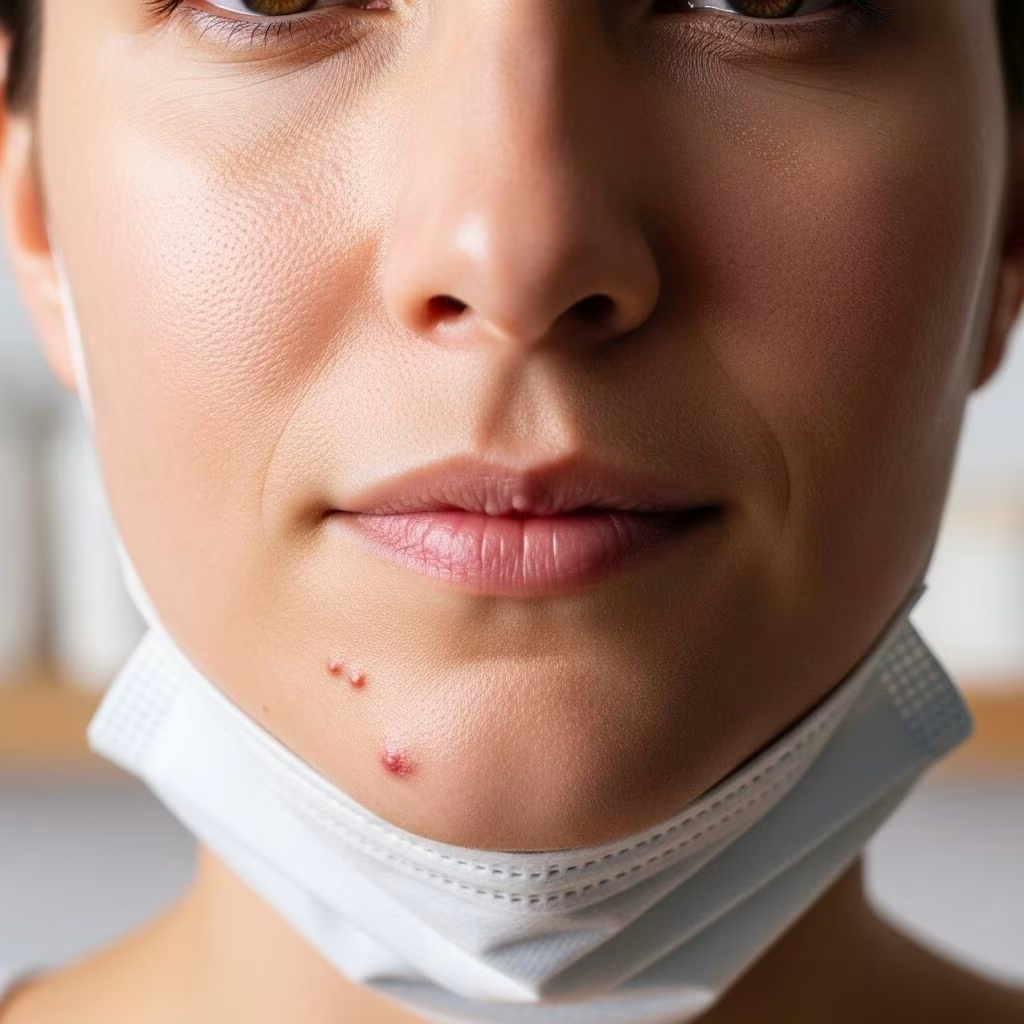
Maskne, or mask-induced acne, has become a global skincare concern, especially affecting the T-zone (forehead, nose, and chin) and lower cheeks where masks typically rub and trap heat. Whether you are a healthcare worker, student, or simply someone who wears a mask daily, understanding why these areas are prone to breakouts and adopting a targeted routine can make a significant difference. This guide addresses causes, specific solutions, and expert prevention strategies to keep your skin healthy and clear.
What is Maskne?
Maskne is a form of acne mechanica—breakouts caused by friction, heat, and trapped moisture that typically appear where masks contact the skin, namely the T-zone and lower cheeks. These areas are prone to clogged pores, increased oil production, and irritation from continuous mask use.
Why the T-Zone & Lower Cheeks Are Vulnerable
- T-Zone: Naturally oilier due to denser sebaceous (oil) glands. When covered by a mask, heat and sweat amplify oiliness and pore blockages.
- Lower Cheeks and Chin: Experience the most friction and compression from mask edges, causing direct irritation and micro-breaks in the skin barrier.
The mask’s fit, fabric, and duration of wear all aggravate these issues, leading to unique challenges for both areas.
Root Causes of Maskne
Several intertwined factors cause and exacerbate maskne:
- Friction (“Mask Rubbing”): Physical contact and rubbing disrupt the protective skin barrier, promoting irritation and inflammation.
- Occlusion: Masks trap moisture, sweat, oil, and breath, creating a warm, humid environment ideal for bacteria and yeast growth.
- Impaired Skin Barrier: Repeated disruption makes skin more susceptible to acne-causing bacteria and environmental irritants.
- Increased Sebum (Oil) Production: Heat generated under the mask increases oil secretion, particularly in the T-zone.
- Microbial Imbalance: Changes in local flora may trigger inflammation and acne flare-ups.
- Material Sensitivity: Some mask fabrics or detergents cause contact dermatitis, which may mimic or exacerbate acne.
These compounding factors explain why maskne persists even in individuals who had previously well-controlled or minimal acne symptoms.
Maskne Prevention Strategies
While maskne is frustrating, adopting proactive habits can dramatically reduce breakouts. Focused prevention is vital for the T-zone and lower cheeks:
- Choose the Right Mask: Use soft, breathable cotton fabric. Avoid synthetic materials, tight elastics, and rough seams that increase friction, especially along cheekbones and jawlines.
- Wash Masks Regularly: Launder after each use with fragrance-free detergent. Unwashed or reused masks harbor bacteria and oil.[10]
- Take Mask Breaks: When safe and permitted, remove your mask in a clean environment for 15-minute intervals, ideally every 2-4 hours.[10]
- Ensure Proper Fit: A well-fitted mask minimizes movement while preventing overly tight pressure.
- Minimize Makeup: Heavy foundations and concealers under the mask block pores. Opt for oil-free, non-comedogenic formulations or skip makeup entirely.
Skincare Routine for T-Zone & Lower Cheeks
Gentle Daily Cleansing
- Wash your face morning and night, plus after sweating or prolonged mask wear.
- Use a gentle, fragrance-free cleanser. Harsh cleansers and scrubbing exacerbate irritation.
- After cleansing, pat dry with a clean towel; avoid rubbing.
Moisturizing and Barrier Protection
- Apply a light, non-comedogenic moisturizer to reduce friction and protect the skin barrier.
- For irritation or visible rawness, use moisturizers with ceramides or a mild cortisone cream (as directed by a dermatologist).
- Avoid heavy, occlusive creams with pore-clogging oils if you have acne-prone skin.
Exfoliation and Leave-On Treatments
- Exfoliate gently only once or twice a week. Choose salicylic acid exfoliants for the T-zone; avoid overuse.
- Alternate acne treatments: Use benzoyl peroxide or salicylic acid products in the evening on breakouts.
- For sensitive skin, consider sulfur-based spot treatments, topical antibiotics, or non-irritating anti-acne agents.
Sunscreen Use
- Mineral (zinc oxide) sunscreens offer both UV protection and a barrier effect, ideal under the mask.
- Avoid chemical and fragranced sunscreens, which may increase sensitivity under occlusion.
Sample Daily Routine Table
| Step | Morning | Evening |
|---|---|---|
| Cleanse | Gentle, hydrating cleanser | Gentle, thorough cleanser |
| Exfoliate | – | 1-2x per week: salicylic acid for T-zone |
| Treat | Moisturizer with ceramides, topical antibiotic (if needed) | Benzoyl peroxide (2.5-5%) or sulfur spot/leave-on |
| Moisturize | Noncomedogenic moisturizer | Noncomedogenic moisturizer |
| Sunscreen | Zinc oxide SPF 30+ (if outdoors) | – |
Targeted Treatments & OTC Solutions
For T-Zone Acne
- Prioritize oil-control products—mattifying moisturizers, gels, or blotting papers throughout the day.
- Apply salicylic acid in low concentrations (0.5-2%) to unclog pores and prevent blackheads/whiteheads.
- Overnight spot treatments with benzoyl peroxide effectively target active pimples.
- Avoid continuous, aggressive exfoliation that leads to over-drying or flaking.
For Lower Cheek & Jawline Maskne
- These areas are prone to frictional acne and irritation. Focus on barrier repair and calming ingredients like niacinamide or centella asiatica.
- Short-term use of hydrocortisone cream can relieve inflammation, especially for red, itchy rashes. Avoid long-term use without doctor oversight.
- If acne persists, discuss topical antibiotics (clindamycin/dapsone) with your dermatologist.
Medical and Prescription Therapies
- Oral Antibiotics: For moderate to severe maskne, short courses (3-4 months) help reduce bacteria and inflammation. Combine with topical agents to minimize resistance.
- Hormonal Therapy: Women with persistent breakouts may benefit from oral contraceptives or spironolactone.
- Isotretinoin: Considered for refractory, severe maskne, but may increase skin dryness and irritation under masks.
Lifestyle Factors & Mask Hygiene
- Mind your diet: Studies link high glycemic foods and dairy to acne flares. Focus on low-glycemic, anti-inflammatory foods rich in antioxidants.
- Hydration: Drink sufficient water to support skin healing and barrier function.
- Stress Management: Chronic stress (common during pandemics) increases cortisol and skin oil production, triggering breakouts.
- Proper Mask Care:
- Never reuse disposable masks.
- Rotate fresh fabric masks daily.
- Store clean masks in a breathable bag; do not leave them loose in purses or cars.
When to See a Dermatologist
If maskne does not improve after 4-6 weeks of consistent at-home care, or if you develop painful cysts, red scaly patches, or severe swelling, consult a board-certified dermatologist. You may be experiencing another condition, such as perioral dermatitis, contact dermatitis, or rosacea, which require different interventions.
FAQs and Maskne Myths
Q: Does maskne mean my mask is dirty?
A: Not necessarily. Even a clean mask can trap enough moisture and friction to cause breakouts, though regular washing is key for prevention.[10]
Q: Should I stop wearing a mask to heal my skin?
A: No. Continue mask use as recommended by public health authorities. Focus instead on improving your skincare and mask hygiene.
Q: Is maskne the same as regular acne?
A: Maskne is a type of acne mechanica. It shares features with acne vulgaris, but physical triggers (friction, occlusion) are more significant. Treatment overlaps but avoids harsh, irritating products.
Q: Will stopping makeup stop maskne?
A: Heavy, comedogenic makeup increases the risk. Switch to oil-free options or avoid makeup to support healing.
Q: Can maskne be permanent?
A: With early and appropriate care, maskne usually resolves without lasting marks, though severe cases can cause scars or hyperpigmentation.
Conclusion & Additional Resources
Tackling maskne demands patience and daily effort, particularly for oily T-zones and friction-prone cheeks. Adopt a holistic approach: select the right mask, commit to a gentle skincare regimen, and stay vigilant with mask hygiene. Early professional guidance prevents escalation and lasting skin changes.
- For persistent maskne, book an appointment with a dermatologist.
- For updated mask-wearing and skincare guidance during health emergencies, consult authoritative sites like the American Academy of Dermatology or the Centers for Disease Control and Prevention.
Consistent, evidence-based care makes clear, healthy skin beneath your mask an achievable goal.
References
- https://www.healthline.com/health/maskne
- https://practicaldermatology.com/columns/clinical-focus-1/a-definitive-guide-to-recognizing-and-treating-maskne/23520/
- https://blog.rsfh.com/2020/09/10/maskne-is-real-heres-how-to-treat-it/
- https://www.herocosmetics.us/blogs/news/maskne-is-real-6-dermatologists-tips-to-treat-mask-acne
- https://www.aad.org/public/everyday-care/skin-care-secrets/face/prevent-face-mask-skin-problems
- https://www.rush.edu/news/6-tips-avoid-maskne
- https://www.apderm.com/blog/maskne-how-to-treat-and-prevent/
- https://chantecaille.com/blogs/le-magazine/how-to-handle-maskne
- https://www.heydayskincare.com/blogs/skin-deep/what-to-do-about-maskne
- https://www.bareluxeskincare.com/blogs/elevated-simplicity/maskne-comprehensive-guide


