


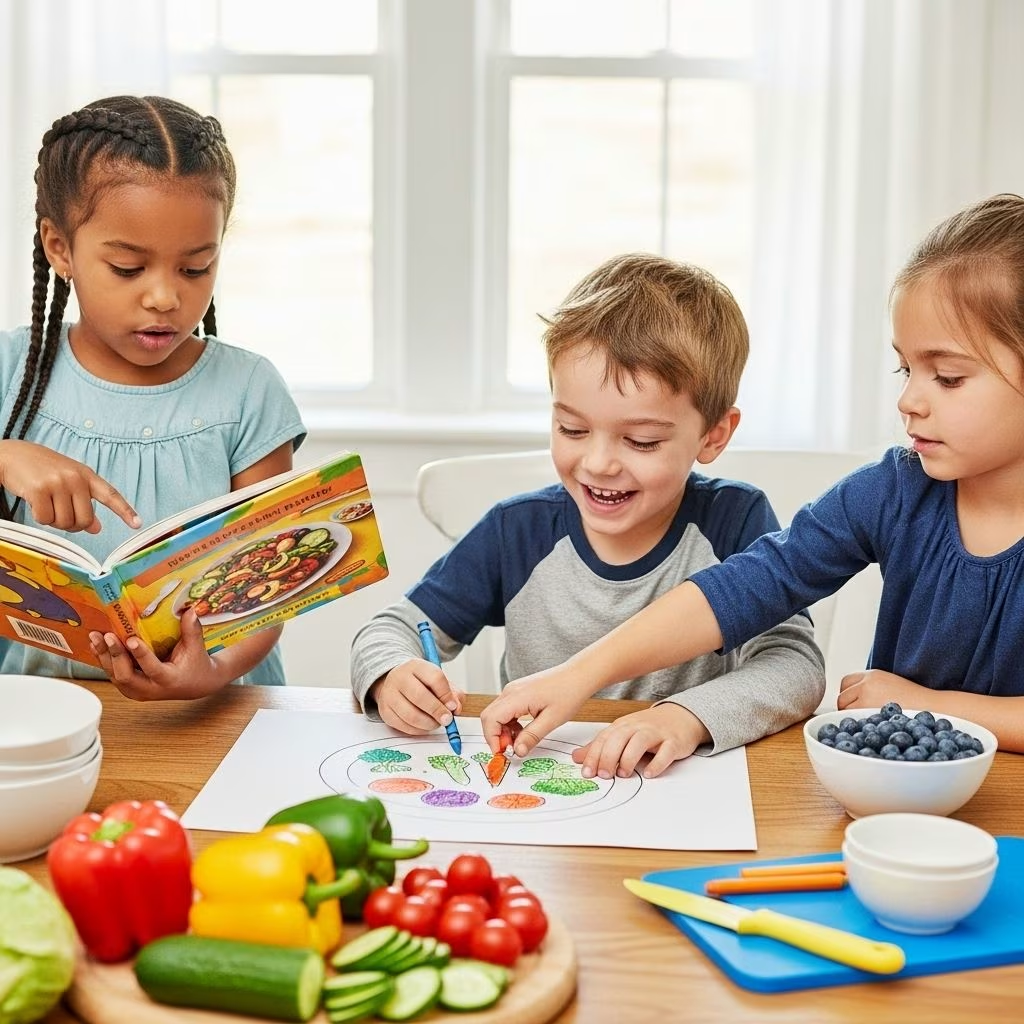
Involving young children in meal planning is a powerful parenting strategy with meaningful impacts on their nutritional choices, confidence, practical skills, and family relationships. While this inclusive approach can foster lifelong healthy habits, it is not without challenges regarding time, cost, and potential conflicts. This comprehensive guide explores the full range of advantages and drawbacks, practical tips, hidden skills children develop, and expert insights for making mealtimes both enriching and manageable for all families.
Introduction
Meal planning is more than just organizing what the family eats. When young children participate in meal planning, they learn the value of healthy choices, develop vital life skills, and strengthen bonds within the household. This holistic approach is endorsed by pediatricians and nutritionists, as it sets the foundation for well-rounded growth and reduces health risks, including childhood obesity and behavioral issues. Yet, families often face hurdles such as lack of time, cost, and picky eating that can complicate this positive process.
Why Involve Children in Meal Planning?
- Establish healthy eating patterns early to support growth and development.
- Create opportunities for bonding and cultural sharing with family members.
- Encourage responsible habits such as budgeting, shopping, and organization.
- Build confidence and self-esteem through participation and achievement.
Children who are involved are more likely to appreciate the value of nutrition and adopt positive attitudes toward food.
Pros: The Benefits of Involving Children
Research consistently shows that when children join in planning, shopping for, and preparing meals, they and their families reap a variety of lasting benefits.
1. Healthier Eating Habits
- Increased consumption of fruits and vegetables: Children are more open to trying new and nutritious foods they help select or prepare.
- Reduction in processed food intake: Families with strong meal planning habits eat fewer packaged, unhealthy items.
2. Improved Physical Health
- Lower risk of obesity: Regular family meals and nutritional involvement are linked to decreased rates of childhood obesity.
- Better nutrient intake: Children learn how to balance their meals, including adequate portions of protein, vegetables, and grains.
3. Cognitive and Academic Gains
- Stronger vocabulary and academic performance: Shared meals are correlated with better language skills and school success.
- Enhanced math, science, and reading skills: Practical meal tasks integrate core academic concepts, from measuring ingredients to reading recipes.
4. Emotional and Social Benefits
- Increased family connection: Children feel more loved and secure when participating in regular family routines like meal planning.
- Better mental health: Adolescents who share family meals regularly show fewer symptoms of depression, anxiety, and behavioral problems.
5. Development of Critical Life Skills
- Budgeting and shopping: Learning to compare prices and plan with available resources nurtures financial awareness.
- Household management: Children practice organizing, scheduling, and teamwork in real-life contexts.
6. Cultural and Traditions Preservation
- Sharing family heritage: Planning meals together is an opportunity to pass on cultural recipes, food rituals, and family stories.
- Understanding diverse foods: Children gain knowledge about cooking methods and the significance of different foods in cultural contexts.
Table: Summary of Benefits When Children Are Involved in Meal Planning
| Benefit Category | Key Impact |
|---|---|
| Nutrition | Greater intake of healthy foods, lower obesity risk |
| Skills | Organization, math, reading, budgeting, teamwork |
| Emotional | Increased self-esteem, bonding, mental health |
| Cultural | Shared traditions, expanded food knowledge |
Cons: Challenges and Potential Drawbacks
Despite the well-documented advantages, involving children in meal planning can pose logistical, financial, and interpersonal challenges for families.
1. Time and Scheduling Constraints
- Busy routines can make it difficult for families to regularly include children in meal planning and preparation.
- Meal planning takes longer when accommodating children’s contributions, especially younger or less experienced ones.
2. Increased Cost and Budget Pressure
- Healthy foods and fresh ingredients may be more expensive than processed alternatives.
- Children’s choices may not always align with the family budget, especially if they request specialty items.
3. Picky Eating and Limited Preferences
- Some children may resist trying new foods or insist on familiar, less nutritious meals.
- Accommodating food allergies, intolerances, or aversions can further complicate planning.
4. Parental Cooking Ability
- If parents lack confidence or skills in cooking, involving children may feel intimidating and lead to reliance on ready-made or convenience foods, reducing health benefits.
5. Food Waste
- Experimenting with unfamiliar foods and recipes may result in increased food waste if meals aren’t enjoyed.
6. Safety Concerns
- Young children may be exposed to risks in the kitchen, such as using knives or being near hot appliances; parental supervision and age-appropriate tasks are essential.
Developmental Skills Children Gain
Children acquire a diverse set of life skills through meal planning activities, many of which support academic growth and independent living:
- Math: Measuring, dividing, and timing ingredients develops numerical competence.
- Reading & Writing: Reading recipes and writing grocery lists foster literacy.
- Organization: Planning meals, making schedules, and tracking ingredients teach structured thinking.
- Budgeting: Making choices within a budget builds financial skills.
- Science: Cooking introduces basic chemistry and nutrition concepts.
- Social Studies: Understanding food origins and cultural contexts broadens worldviews.
Success in these areas translates into improved confidence and self-reliance for children at home and beyond.
Practical Strategies for Effective Involvement
- Start with familiar dishes: Introduce children to meal planning using meals they already enjoy, tweaking ingredients for better nutrition.
- Assign age-appropriate tasks: For young children, involve them in simple steps like washing produce or mixing ingredients.
- Create a weekly meal calendar: Plan meals together in advance, so every member knows what to expect.
- Make it fun: Turn tasks into little games (e.g., who can find or pick out the healthiest ingredient).
- Encourage shopping together: Let children help create grocery lists and select produce at the store.
- Teach about food waste: Repurpose leftovers and discuss ways to avoid throwing away unused ingredients.
These strategies make the process engaging, manageable, and rewarding for children and parents alike.
Overcoming Common Barriers
- Lack of time: Prepare ingredients in advance or cook in batches; use weekends for planning together.
- Budget constraints: Focus on seasonal produce, bulk buying, and planning meals that stretch ingredients across several dishes.
- Picky eating: Let children choose between several healthy options, and involve them in adjusting recipes to their tastes.
- Cook skill gaps: Seek simple, quick recipes; take advantage of online resources and cooking classes.
- Food allergies: Educate children about allergies and safe substitutes, and make inclusion part of learning.
Expert Recommendations
- Prioritize regular family mealtimes; consistency leads to better outcomes in health and academic success.
- Adapt involvement to age and ability; even toddlers can participate in selecting or arranging food.
- Emphasize communication; encourage children to express their preferences and thoughts about meals.
- Model positive eating attitudes and openness to new foods.
Frequently Asked Questions (FAQs)
Q: What age should children start participating in meal planning?
Children as young as preschool can begin with basic tasks like choosing vegetables or helping stir; tasks should match age and developmental ability.
Q: How can I encourage a picky eater to be more adventurous?
Let them help prepare new recipes or select alternatives for ingredients. Studies show that children are more likely to try foods they helped make.
Q: How do I manage cooking with limited time?
Use strategies like prepping ingredients ahead, batch cooking, or making a weekly meal plan. Involve children in planning to streamline preparation.
Q: Does meal planning with children cost more money?
Not necessarily. Involving children can result in more efficient shopping and reduced food waste, but parents should guide choices to stay within budget.
Q: What life skills will my child learn by meal planning?
They develop planning, budgeting, literacy, math, teamwork, and cultural awareness, among other foundational skills.
Conclusion
Inviting young children to participate in meal planning is an investment in their long-term health, independence, and connection to family. While there are challenges, the benefits—healthier eating, stronger relationships, practical skills, and cultural enrichment—far outweigh the drawbacks when approached thoughtfully. Adapting routines, maintaining patience, and fostering a positive, flexible atmosphere ensure that mealtimes become a source of joy, growth, and lifelong learning for every family member.
References
- https://pmc.ncbi.nlm.nih.gov/articles/PMC10297414/
- https://food-guide.canada.ca/en/healthy-eating-recommendations/cook-more-often/involve-others-in-planning-and-preparing-meals/involving-kids-in-planning-and-preparing-meals/
- https://www.goaupair.com/childcare-advice/childcare-advice-healthy-meal-plan-for-kids/
- https://pmc.ncbi.nlm.nih.gov/articles/PMC9702545/
- https://www.adventhealth.com/hospital/adventhealth-children/blog/how-nutrition-influences-kids-mental-health
- https://www.heart.org/en/healthy-living/healthy-eating/cooking-skills/meal-planning/meal-planning-benefits–how-tos-of-family-dinners
- https://www.fmi.org/family-meals-movement
- https://www.mayoclinic.org/healthy-lifestyle/childrens-health/in-depth/nutrition-for-kids/art-20049335
- https://www.rch.org.au/kidsinfo/fact_sheets/Nutrition_older_children/


