


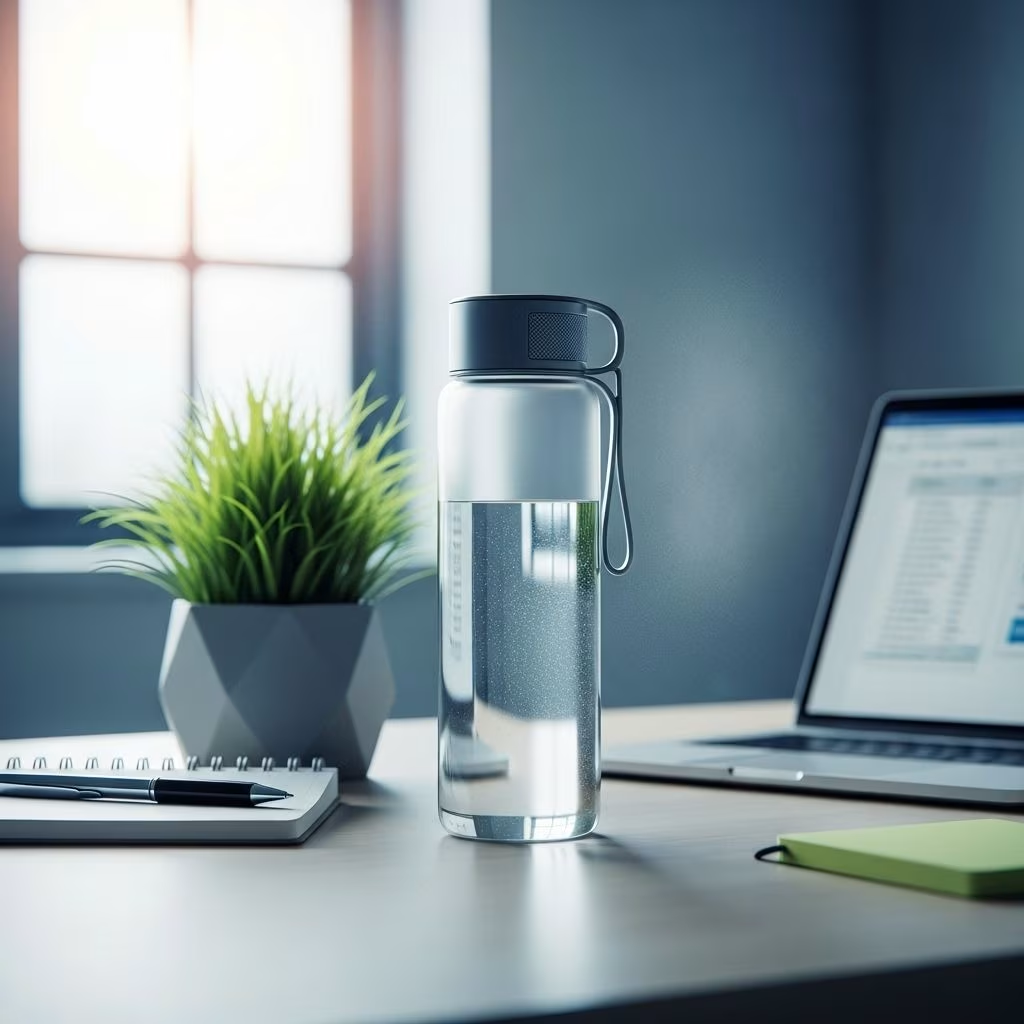
Why Hydration Matters in the Workplace
Proper hydration is a cornerstone of employee health, safety, and productivity. Studies have shown that even mild dehydration—as little as a 1% loss of body moisture—can lead to a noticeable 12% drop in productivity, and a 3–4% loss can cause productivity to plummet by 25–50%. Dehydration affects not just physical workers in hot environments, but also office employees, contributing to fatigue, decreased concentration, and impaired cognitive function such as slower processing speed, reduced working memory, and diminished attention. Therefore, implementing effective hydration strategies benefits everyone in the workplace, regardless of their role.
Signs and Risks of Dehydration
Symptoms of Dehydration
- Thirst (though by the time you feel thirsty, you may already be 2–4% dehydrated)
- Dry mouth, lips, and skin
- Fatigue and dizziness
- Headaches
- Concentration difficulties
- Dark yellow urine (a reliable indicator of dehydration)
Risks in the Workplace
- Increased risk of heat-related illness, especially in hot or physically demanding environments
- Higher likelihood of accidents due to impaired judgment and reaction times
- Long-term health impacts, including kidney stones and urinary tract infections
- Reduced morale and increased absenteeism
Core Hydration Strategies for Employees
Best Practices for Staying Hydrated
- Begin each shift well hydrated: Start the day by drinking water, as dehydration can develop quickly once work begins.
- Drink regularly, not just when thirsty: Sip cool water every 15–20 minutes during physical work—about 5–8 ounces at a time. For office settings, set reminders to drink regularly.
- Monitor urine color: Light yellow or clear urine generally indicates good hydration; dark yellow signals dehydration.
- Replace fluids lost to sweat: In hot or strenuous conditions, consider beverages with electrolytes to replenish sodium and minerals lost through perspiration.
- Avoid dehydrating drinks: Limit caffeine and alcohol, as they increase urine output and can worsen dehydration.
Hydration During Breaks
- Use scheduled breaks to rehydrate, even when indoor or in cooler months.
- Take advantage of hydration stations or water coolers placed in high-traffic areas.
- Carry a reusable water bottle to make drinking water convenient throughout the day.
Employer Responsibilities and Best Practices
Employers play a critical role in fostering a hydrated, safe, and productive workforce. Employers should:
- Provide easy access to clean, cool water: Place hydration stations or water coolers in convenient, accessible locations for all employees.
- Offer electrolyte options: Supply sports drinks or electrolyte supplements for workers in physically demanding or hot environments.
- Educate employees: Train staff on the signs of dehydration, the importance of regular hydration, and how to self-monitor.
- Use visual reminders: Posters, signage, and urine color charts in restrooms or locker rooms can reinforce hydration habits.
- Encourage the buddy system: Have workers check on each other, especially in high-risk environments.
- Adjust work schedules: In extreme conditions, modify work hours or provide more frequent breaks to reduce heat stress.
- Stock water-rich foods: Provide snacks like fruits and vegetables that contribute to overall fluid intake.
Environmental and Task-Specific Considerations
Hot and Physically Demanding Work Environments
- Increase fluid intake: OSHA recommends one cup (8 ounces) of water every 20 minutes in hot or extreme conditions.
- Wear breathable PPE: Choose protective gear that allows sweat to evaporate and cool the body.
- Replace sweat-soaked clothing: Wet clothes impair the body’s natural cooling mechanisms.
- Acclimatize new workers: Gradually increase exposure to heat for new or returning employees to build tolerance.
Office and Sedentary Workplaces
- Make hydration convenient: Offer water carbonators or flavored waters to encourage drinking.
- Promote wellness: Provide branded reusable water bottles and encourage their use.
- Offer healthy snacks: Stock break rooms with water-rich fruits and vegetables.
Electrolyte Supplementation and Drink Choices
Pure water is sufficient for most situations, but physical labor, high heat, or heavy sweating may require additional electrolytes such as sodium, potassium, and magnesium. Sports drinks or specialized rehydration solutions can help, but they should not completely replace water. Avoid sugary, caffeinated, or alcoholic beverages, which can exacerbate dehydration.
| Beverage | Hydration Value | Notes |
|---|---|---|
| Water | Excellent | Essential for all workers |
| Sports drinks | Good (with electrolytes) | Useful during heavy sweating |
| Coffee, tea, soda | Poor (diuretic) | Limit intake during shifts |
| Alcohol | Very poor | Avoid during/before work |
Effective Hydration Tools and Technologies
- Hydration stations: Strategically placed water coolers or filtered dispensers ensure all employees have access.
- Reusable bottles: Provided by employers, these encourage regular drinking and reduce plastic waste.
- Mobile apps: Set reminders to drink water or track daily intake.
- Electrolyte products: Ready-to-drink options, powders, or freezer pops for quick rehydration in demanding environments.
- Urine color charts: Visual tools to help employees self-assess hydration status.
Building a Hydration-Focused Workplace Culture
Hydration should be treated as a core element of workplace safety and wellness. This requires commitment from both management and employees:
- Leadership commitment: Integrate hydration into safety programs, training, and daily routines.
- Employee feedback: Gather input on preferred hydration products and break times to tailor programs to workforce needs.
- Ongoing education: Regular toolbox talks, training sessions, and refreshers keep hydration top of mind.
- Celebrate successes: Recognize teams or individuals who exemplify good hydration habits.
- Emergency preparedness: Have protocols in place for heat illness and dehydration emergencies.
Frequently Asked Questions (FAQs)
How much water should employees drink at work?
A general guideline is 8–10 cups (64–80 ounces) per day for most adults. In hot or physically demanding environments, drink about 8 ounces every 15–20 minutes during work. Adjust based on activity level, environment, and individual needs.
What are the best drinks for workplace hydration?
Plain water is best for most situations, but sports drinks or electrolyte solutions can be beneficial during heavy sweating. Avoid drinks with caffeine or alcohol, as these can dehydrate you.
How can employers encourage hydration?
Employers should provide easy access to water and electrolyte drinks, educate employees, offer reusable bottles, use visual reminders, and encourage regular breaks for hydration.
What are the signs that I am dehydrated?
Common signs include thirst, dry mouth, fatigue, dizziness, headache, and dark yellow urine. Don’t wait until you feel thirsty—drink regularly throughout the day.
Are there any foods that help with hydration?
Yes, fruits and vegetables with high water content—such as cucumbers, watermelon, oranges, and grapefruit—can contribute to your daily fluid intake.
References
- https://www.sqwincherindustrial.com/?p=7854
- https://www.wellable.co/blog/6-tips-for-keeping-employees-hydrated/
- https://slatesafety.com/how-to-maintain-proper-worker-hydration/
- https://safeworksillinois.com/how-to-stay-hydrated-in-the-workplace/
- https://www.mscdirect.com/knowledge-center/articles/hydration-safety-tips-what-you-can-do-protect-your-teams
- https://www.osha.gov/sites/default/files/publications/OSHA4372.pdf
- https://blogs.cdc.gov/niosh-science-blog/2011/08/12/heat-2/
- https://www.rakenapp.com/features/toolbox-talks/hydration-the-importance-of-water
- https://www.saif.com/safety-and-health/stay-hydrated.html


