


What Is Androgyny?
Androgyny describes the possession or expression of both masculine and feminine characteristics within an individual, whether through physical appearance, behavior, or identity. While traditionally linked to gender, androgyny transcends boundaries, encouraging more fluid and inclusive ways to express the self and relate to others.
The term itself is derived from Ancient Greek roots—andro meaning ‘man’ and gyne meaning ‘woman.’ Androgyny may manifest through a blend of gendered behaviors, physical features, clothing styles, or psychological traits.
Theoretical Foundations and Definitions
Androgyny can refer to several overlapping concepts, including:
- Physical androgyny: A body composition or appearance that blends male and female traits. This can range from subtle facial or bodily features to more overt expressions within some intersex conditions.
- Psychological androgyny: The presence of both traditionally ‘masculine’ (assertive, analytical) and ‘feminine’ (nurturing, empathetic) personality traits within the same individual.
- Gender expression: How people externally present their gender, regardless of their natal sex, may be androgynous—through clothing, hairstyle, mannerisms, or speech patterns.
The American Psychological Association defines androgyny as the blending of masculinity and femininity, expressed through identity, appearance, or behavior.
The History and Cultural Significance of Androgyny
Androgyny is not a modern phenomenon; its roots can be traced to myth, religion, art, and literature across numerous cultures. Ancient texts and mythologies often feature androgynous figures representing wisdom, transcendence, or spiritual wholeness. For example:
- Greek mythology: Deities and seers such as Tiresias were depicted as embodying both male and female traits, signifying wisdom or spiritual insight.
- Religious traditions: Some religious texts reference androgynous forms as ideal or divine, reflecting harmonious balance or the unity of opposites.
- Historical societies: Several non-Western cultures respected or honored gender-diverse people, seeing androgyny as a sacred or elevated state.
In Western history, the rise of feminism and the push for gender equality in the late twentieth century contributed significantly to the visibility and social acceptance of androgynous behaviors.
Psychological Androgyny
Psychological androgyny, a concept influential in both psychology and gender studies, describes individuals who express high levels of both masculine and feminine traits, as opposed to aligning exclusively with one gender role. This approach challenges rigid binary norms and supports more adaptive, flexible behavior.
Key Psychological Traits
| Masculine Traits | Feminine Traits |
|---|---|
| Assertive, Confident, Analytical, Independent | Empathetic, Nurturing, Expressive, Cooperative |
Androgynous individuals combine these strengths, which can lead to greater creativity, resilience, and adaptability in a wide range of situations.
Research and Theories: Sandra Bem and the Bem Sex-Role Inventory
Psychologist Sandra Bem developed the influential Bem Sex-Role Inventory (BSRI) in the 1970s. The BSRI classifies individuals into one of four categories based on self-reported personality traits:
- Masculine: High in masculine traits, low in feminine traits.
- Feminine: High in feminine traits, low in masculine traits.
- Androgynous: High in both sets of traits.
- Undifferentiated: Low in both sets of traits.
Bem posited that androgynous people enjoy greater psychological flexibility, mental health, and competence than those confined to traditional sex roles. More recent analyses suggest that some benefits may derive from the assertiveness/independence aspect, traditionally considered masculine, but there is a consensus that rigid gender roles can constrain psychological growth.
Androgyny in Appearance and Self-Expression
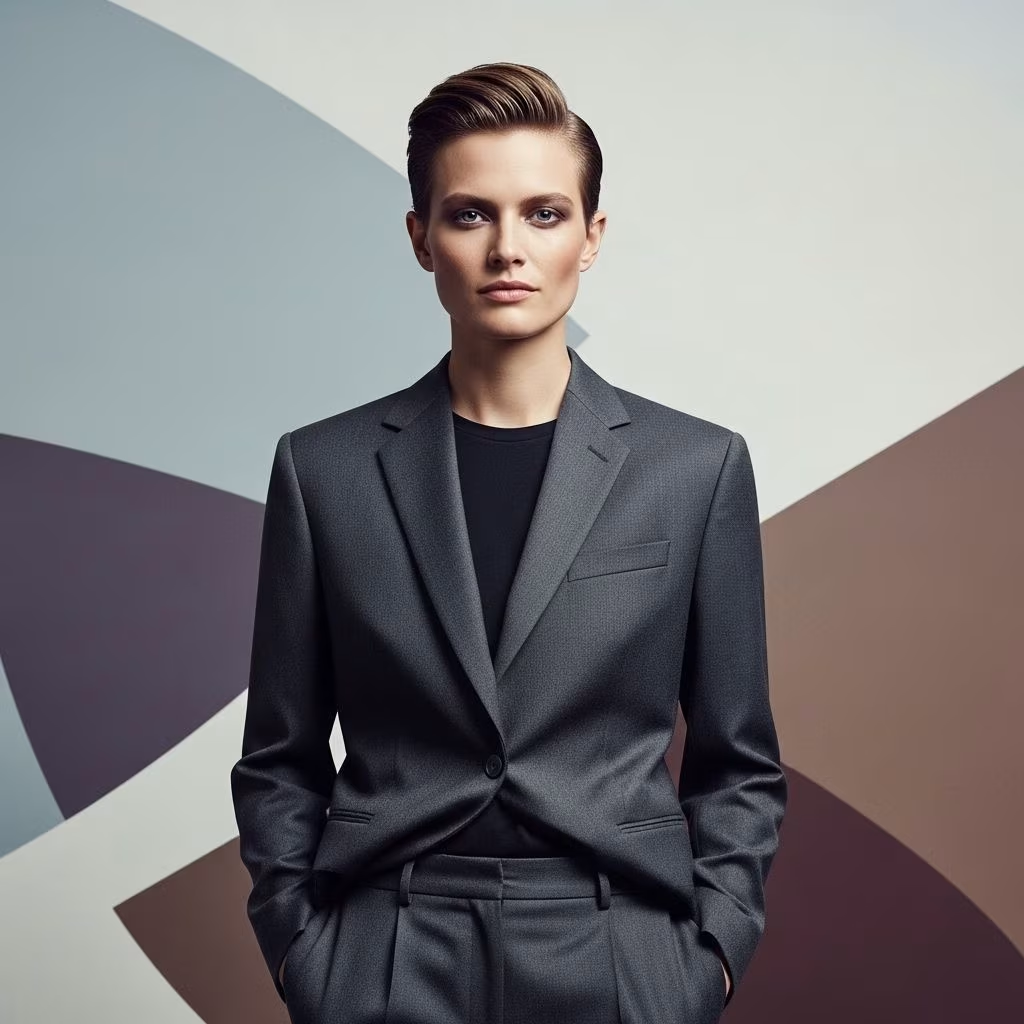
Androgynous appearance is increasingly visible in fashion, media, and art. Key characteristics can include:
- Neutral or blended clothing styles (mixing traditionally male and female garments)
- Hairstyles that defy traditional gender conventions
- Use of makeup, accessories, or body language that transcends binary norms
This aesthetic is often celebrated for its association with individuality, nonconformity, and a rejection of stereotypical gender expectations.
Androgyny and Mental Health
A significant body of research investigates how androgyny relates to well-being. While not universally beneficial, psychological androgyny is frequently linked to greater mental health, self-esteem, and adaptability.
- Flexibility and Resilience: Androgynous people may better navigate diverse social situations, adjusting their behavior based on the context rather than being limited by gendered expectations.
- Creativity: Studies indicate a strong link between androgyny and creative thinking, with the ability to draw on a broader spectrum of traits.
- Self-Acceptance: Embracing both masculine and feminine characteristics can foster a deeper sense of authenticity and personal wholeness.
However, the cultural value placed on assertiveness and independence may confound some study results, and the unique blend of traits—not merely the presence of so-called masculine tendencies—underlies the observed benefits.
Androgyny Versus Intersex: A Distinction
It is important not to conflate androgyny with intersex, although the two share some conceptual space. Intersex individuals are born with physical or biological sex characteristics that do not align strictly with traditional definitions of male or female.
- Intersex: Concerns biological variation; historically treated with medical interventions but increasingly recognized as a natural, valid aspect of human diversity.
- Androgyny: Primarily relates to gender expression, identity, behavior, and psychology; not defined by biological sex.
Contemporary discourse promotes autonomy, respect, and the right of self-determination for both intersex and androgynous people.
Androgyny in Art, Fashion, and Popular Culture
Androgyny has had a profound influence on the evolution of fashion, music, and other creative fields. Iconic artists and cultural figures have used androgynous aesthetics to challenge gender roles and encourage broader definitions of beauty and identity. Examples include:
- David Bowie’s Ziggy Stardust persona
- Prince’s flamboyant blend of styles
- Contemporary models and designers prioritizing gender-fluid fashion
This cultural prominence has helped expand social acceptance and validate diverse forms of gender expression.
Benefits and Challenges of Being Androgynous
| Potential Benefits | Potential Challenges |
|---|---|
|
|
Cultivating Androgyny: Embracing Fluidity and Authenticity
Embracing androgyny means valuing a full range of human traits, rather than adhering to narrow binary roles. This may involve:
- Developing self-awareness about one’s preferences and tendencies
- Challenging traditional expectations in behaviors, clothing, and roles
- Seeking environments that foster acceptance and inclusivity
- Valuing strength, empathy, independence, and cooperation equally in oneself and others
Society’s increasing openness to androgyny can support individuals in living more authentic, fulfilling lives, while also enriching communities through greater diversity of expression.
Common Myths and Facts About Androgyny
- Myth: Androgynous people are confused about their gender.
Fact: Androgyny represents a conscious blend of traits and/or expressions; it is not indicative of confusion but of self-acceptance or creativity. - Myth: Androgyny is a recent trend.
Fact: The concept can be traced back thousands of years in myth, culture, and religion. - Myth: Androgyny only refers to appearance.
Fact: While androgynous appearance is one aspect, androgyny also encompasses identity, behaviors, and psychological traits.
Frequently Asked Questions (FAQs)
Q: Is androgyny the same as being non-binary?
A: Not exactly. Non-binary is an umbrella term for gender identities outside the traditional male/female binary. Androgyny often refers to blending masculine and feminine characteristics in any gender, and some non-binary people identify as androgynous, but not all do.
Q: Does androgyny affect sexual orientation?
A: No. Androgyny relates to the expression or blend of gendered traits and does not dictate one’s sexual orientation. Androgynous people may have any sexual orientation.
Q: Is androgyny healthy?
A: Many studies link psychological androgyny with adaptability, creativity, resilience, and strong self-esteem, though individual experiences vary.
Q: Can anyone become more androgynous?
A: Many people can cultivate androgynous traits by fostering a broader range of self-expression and valuing both masculine and feminine qualities within themselves.
Q: How does society view androgyny today?
A: Attitudes are increasingly accepting, especially in urban and creative communities. However, stigma and misunderstanding may persist in some social environments.
Further Reading and Support
- Books on gender and psychology, including works by Sandra Bem
- Resources from support organizations for LGBTQ+ and gender-diverse individuals
- Articles on the evolution of gender roles and fashion
If you are exploring or questioning your own gender expression or identity, consider reaching out to supportive communities, counselors, or therapists specialized in gender and sexuality topics.
References
- https://www.ebsco.com/research-starters/social-sciences-and-humanities/androgyny
- https://www.britannica.com/topic/androgyny
- https://psychepedia.arabpsychology.com/general-info/androgyny/androgyny-embracing-the-beauty-of-gender-fluidity/
- https://en.wikipedia.org/wiki/Androgyny
- https://dictionary.apa.org/androgyny
- https://www.psychologytoday.com/us/blog/he-speaks-she-speaks/201703/how-androgyny-works-part-3
- https://fashionispsychology.com/the-future-of-self-expression-and-androgyny/


