


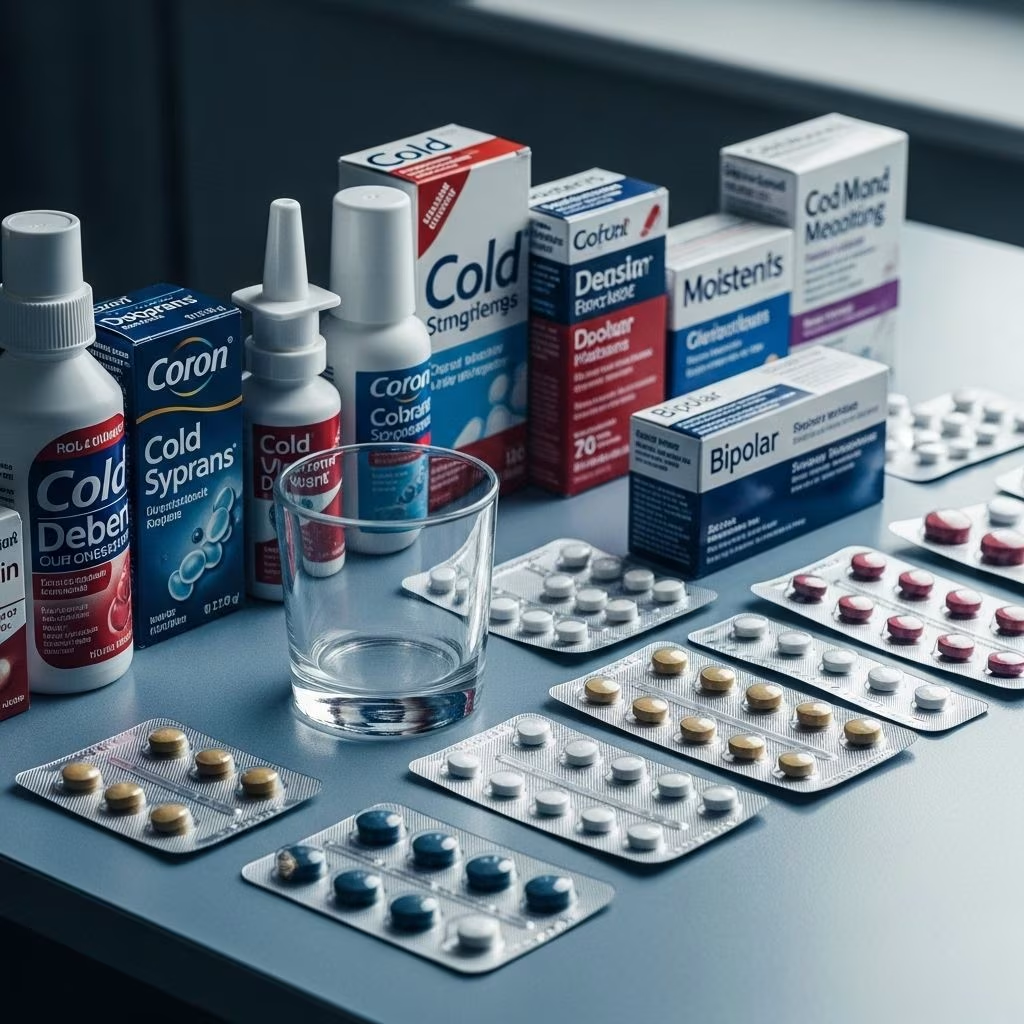
Bipolar disorder requires careful medication management. When you catch a cold, finding relief isn’t as simple as reaching for any over-the-counter (OTC) medicine. Some cold remedies can interact with bipolar medications—particularly mood stabilizers, antipsychotics, and antidepressants—resulting in serious side effects, diminished efficacy, or health risks. This article explains the most important interactions to watch for, which ingredients to avoid, and safer ways to treat cold symptoms when you’re managing bipolar disorder.
Why Cold Medicine Interactions Matter for Bipolar Disorder
People diagnosed with bipolar disorder commonly take mood stabilizers (like lithium), anticonvulsants, or second-generation antipsychotics. Many also use antidepressants, especially during depressive episodes.
OTC cold medicines—decongestants, cough suppressants, antihistamines—contain active ingredients that may interact with prescription bipolar medications in a variety of ways:
- Altering blood levels of mood stabilizers, raising the risk of toxicity or ineffectiveness.
- Increasing sedation or cognitive impairment, especially with antipsychotics or sedating antihistamines.
- Exacerbating side effects such as high blood pressure, heart rhythm abnormalities, or serotonin syndrome when combined with antidepressants.
Consultation with your doctor or pharmacist is essential before starting any new medication, including OTC cold remedies.
How Bipolar Medications Work—and Why Interactions are Problematic
Bipolar disorder treatment often involves complex medication plans targeting different neurotransmitter systems. Key drug classes include:
- Mood stabilizers (e.g., lithium, valproate, carbamazepine)
- Antipsychotics (e.g., risperidone, olanzapine, quetiapine)
- Antidepressants (e.g., SSRIs, bupropion, tricyclics)
These medications affect serotonin, dopamine, and other neurotransmitter pathways. Interactions can disrupt their delicate balance, leading to increased side effects, intensified symptoms, or medical emergencies like serotonin syndrome.
| Mood Stabilizer | Common Interactions | Potential Risks |
|---|---|---|
| Lithium | NSAIDs, diuretics, ACE inhibitors, decongestants | Li toxicity, renal issues, heart rhythm disturbances |
| Valproate | Aspirin, other anticonvulsants, antihistamines | Liver toxicity, sedation, bleeding risks |
| Antipsychotics | Alcohol, sedating antihistamines, decongestants | CNS depression, heart arrhythmias |
| Antidepressants | Dextromethorphan, pseudoephedrine, NSAIDs | Serotonin syndrome, GI bleeding |
Cold Medicine Ingredients to Avoid With Bipolar Medications
Many cold remedies contain ingredients that can trigger dangerous interactions with bipolar medications. Here’s what to watch for:
- Dextromethorphan (DXM): A cough suppressant found in many OTC products. When combined with antidepressants (especially SSRIs, SNRIs, MAOIs), it can increase serotonin, risking serotonin syndrome—a potentially life-threatening condition marked by confusion, fever, muscle rigidity, and agitation.
- Decongestants (Pseudoephedrine, Phenylephrine): These may raise blood pressure and heart rate, and interact with mood stabilizers or antipsychotics to increase cardiovascular risk. They can also contribute to anxiety, agitation, or sleep disturbances.
- NSAIDs (Ibuprofen, Aspirin): These pain relievers can interact with SSRIs, increasing the risk of gastrointestinal bleeding, and with lithium, potentially causing lithium toxicity by affecting renal function.
- Sedating Antihistamines (Diphenhydramine, Chlorpheniramine): Combining these with antipsychotics or other sedating drugs can worsen drowsiness and impair cognition or motor function, raising the risk of accidents.
- Alcohol: Never mix alcohol with bipolar medications or OTC cold remedies. Alcohol worsens side effects and can dangerously interact with many psychiatric drugs.
Safe Cold Remedies for Those With Bipolar Disorder
The safest approach is to treat symptoms individually and avoid combination cold preparations that contain multiple active ingredients. Whenever possible, use non-systemic remedies or single-symptom medications, and always check labels carefully.
For Nasal Congestion & Stuffy Nose
- Nasal saline sprays or rinses: These moisturize and clear nasal passages naturally without interacting with medications.
- Nasal decongestant sprays (like oxymetazoline/Afrin): Limited use (under 3 days) avoids systemic effects, but overuse can cause rebound congestion.
For Runny Nose & Watery Eyes
- Non-sedating antihistamines (loratadine, fexofenadine, cetirizine): These are less likely to cause drowsiness or interact with bipolar drugs, but always confirm with your doctor before use.
For Fever, Headache, Muscle Aches
- Acetaminophen (Tylenol): Generally safe with most psychiatric medications. Stick to recommended dosing.
- Ibuprofen (Advil, Motrin): Use only if your physician okays it, and preferably with food to reduce stomach irritation. Never mix chronic lithium therapy with NSAIDs without a doctor’s management.
For Cough
- Honey: Soothes sore throats and mild coughs (not safe for infants under one year).
- Saltwater gargle: Reduces throat irritation naturally.
- Steam inhalation: Helps clear airways and ease coughing.
- Throat lozenges: Choose those without sedating antihistamines or DXM.
Special Concerns With Lithium and Other Mood Stabilizers
Lithium remains a first-line treatment for bipolar disorder but is very sensitive to interactions. Dehydration (from fever or cold symptoms), NSAIDs, and certain decongestants can spike lithium levels, raising toxicity risk.
- Signs of lithium toxicity include tremor, nausea, vomiting, diarrhea, muscle weakness, and confusion.
- Anticonvulsant mood stabilizers (valproate, lamotrigine): Watch for increased sedation and liver risks if combined with OTC cold medicines or alcohol.
When to Call Your Doctor or Pharmacist
- Develop new or severe symptoms (shivering, tremors, heart palpitations, confusion).
- Not sure which cold medicine is safe given your prescription list.
- Symptoms last longer than a week or worsen unexpectedly.
Do not stop or change your bipolar medications without medical supervision. If your doctor says it’s unsafe to combine cold and bipolar meds, they may recommend alternate symptom relief options.
Safe Self-Care Tips When Sick With Bipolar Disorder
- Stay hydrated to prevent dehydration, especially if taking lithium.
- Take extra rest days and avoid strenuous physical activity.
- Avoid alcohol and recreational drugs.
- Eat nutritious, easy-to-digest foods.
- Monitor yourself for mood changes, as illness can impact psychiatric stability.
- Keep a medication list handy for pharmacists and healthcare providers.
Cold Medicine Ingredient Safety Table
| Ingredient | Common Products | Interaction Risk | Symptoms To Watch For |
|---|---|---|---|
| Dextromethorphan | Robitussin DM, Delsym | Serotonin syndrome risk with antidepressants | Confusion, fever, agitation, muscle rigidity |
| Pseudoephedrine | Sudafed | BP/heart rate increase, mood destabilization | Rapid heartbeat, nervousness, insomnia |
| Phenylephrine | Many combination tablets | CNS stimulation, BP elevation | Headache, restlessness, high blood pressure |
| Ibuprofen | Advil, Motrin | GI bleeds, lithium toxicity risk | Stomach pain, nausea, confusion |
| Diphenhydramine | Benadryl | Drowsiness, impaired cognition | Extreme fatigue, confusion, falls |
| Loratadine, Cetirizine | Claritin, Zyrtec | Generally safe, minimal CNS effects | Rare drowsiness |
| Oxymetazoline | Afrin spray | Generally safe short-term | Rebound congestion if >3 days |
| Acetaminophen | Tylenol | Safe with most bipolar meds | Rare liver effects at high dose |
Quick Reference: Tips for Avoiding Dangerous Interactions
- Review every ingredient in OTC cold products before taking them.
- Avoid products with multiple active ingredients; select the simplest option for your symptoms.
- Ask your doctor or pharmacist for recommendations specific to your medication regimen.
- If in doubt, choose non-drug remedies (saline sprays, honey, steam).
- Use extra caution during illnesses involving dehydration or fever, especially if taking lithium or other medications that affect fluid/electrolyte balance.
Frequently Asked Questions (FAQs)
Q: Can I take Sudafed if I’m on bipolar medication?
A: Pseudoephedrine (Sudafed) is often discouraged for people on mood stabilizers, antipsychotics, or antidepressants because it can raise blood pressure, trigger anxiety, and may interact negatively with your prescription drugs. Confirm with your psychiatrist or pharmacist first.
Q: Is it safe to use cough medicine with dextromethorphan?
A: Dextromethorphan can interact dangerously with many antidepressants, increasing the risk of serotonin syndrome. If you take SSRIs, SNRIs, MAOIs, or other serotonergic drugs, avoid DXM products.
Q: What’s the best pain/fever reliever to use?
A: Acetaminophen (Tylenol) is typically the safest choice for pain and fever in people taking bipolar medications, but always check with your provider—especially if you have liver concerns or other health conditions.
Q: Can I use antihistamines for a runny nose?
A: Non-sedating antihistamines (loratadine, cetirizine, fexofenadine) are generally safe and effective for allergy-like symptoms. Avoid sedating antihistamines unless your doctor approves them.
Q: What symptoms should prompt me to call my doctor?
A: If you experience new confusion, tremors, heart palpitations, severe headache, intense drowsiness, or feel unusually ill, contact your healthcare provider immediately.
Q: Is it ever safe to stop taking my bipolar medications when I’m sick?
A: Never stop or change your medications without first consulting your psychiatrist. Stopping abruptly can trigger mood episodes or withdrawal symptoms.
Conclusion: Managing Colds Safely With Bipolar Disorder
Managing cold symptoms when you’re on psychiatric medication requires vigilant attention to ingredient lists, symptoms, and your own health history. Consultation with a provider is the safest strategy when in doubt, and many cold symptoms can be alleviated with simple, non-drug approaches. With careful planning and communication, you can avoid dangerous interactions and care for your health safely.
References
- https://kollipsych.com/what-cold-medication-can-i-take-with-my-antidepressant/
- https://strbehavioralhealth.com/blog/can-you-take-cold-medicine-while-youre-on-antidepressants/
- https://www.goodrx.com/lithium/interactions
- https://www.helpguide.org/mental-health/bipolar-disorder/bipolar-medication-guide
- https://my.clevelandclinic.org/health/drugs/20391-risperidone-tablets


