


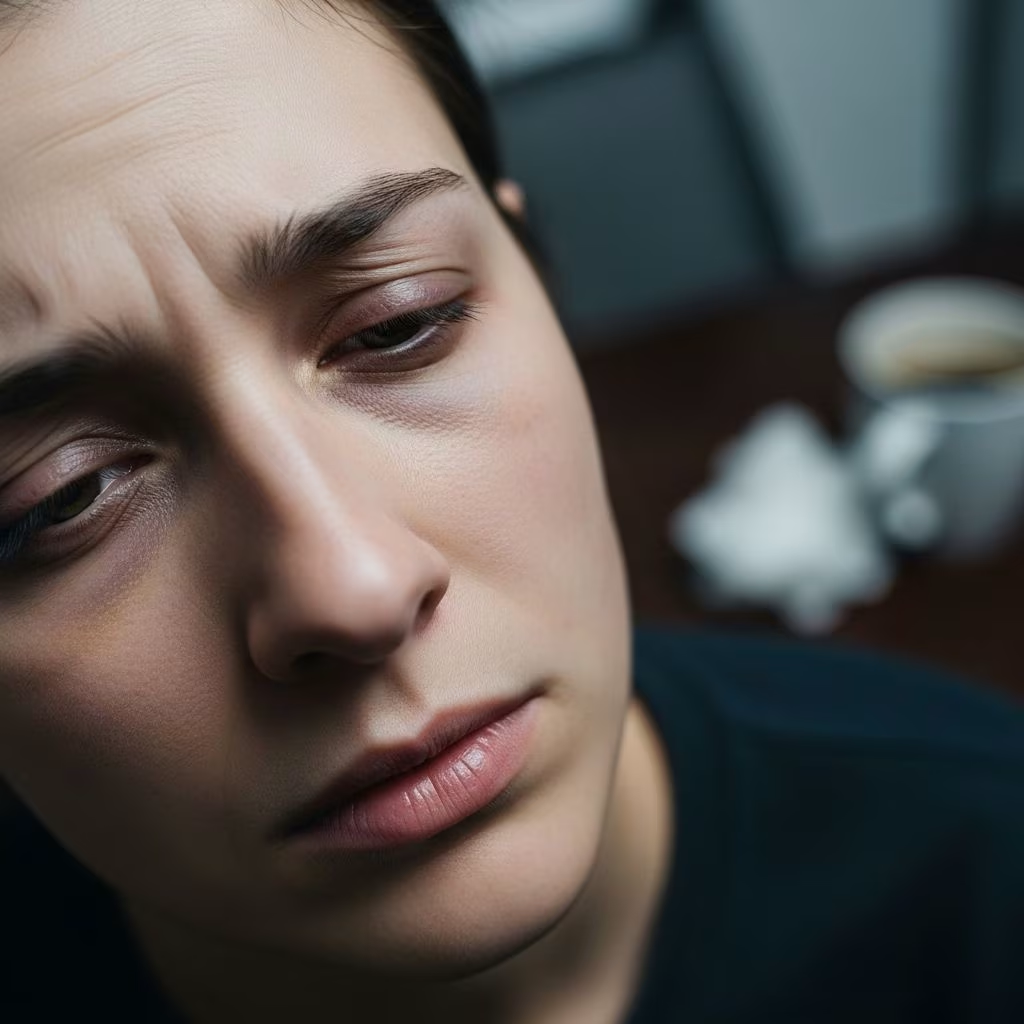
What to Expect from Caffeine Withdrawal
Caffeine is one of the most widely used psychoactive substances globally, found in coffee, tea, soda, energy drinks, and even some medications. For millions, its stimulating effects are a staple in daily routines. However, regular or high consumption can lead to dependence, and quitting can bring on a set of unpleasant symptoms known as caffeine withdrawal. This detailed guide will walk you through the symptoms, timeline, underlying causes, risk factors, coping strategies, and frequently asked questions about caffeine withdrawal.
Why Does Caffeine Withdrawal Occur?
Caffeine works by blocking the action of adenosine, a neurotransmitter that promotes sleep and relaxation. By inhibiting adenosine, caffeine temporarily decreases drowsiness and increases alertness. It also stimulates the release of other neurotransmitters like dopamine and adrenaline, which further enhance mood and wakefulness.
With regular consumption, your body adapts to caffeine’s effects. When intake stops, your central nervous system must adjust, which causes withdrawal symptoms. The more habitual your caffeine use, the more intense the withdrawal may be.
“Symptoms are a consequence of caffeine dependence or caffeine addiction … their bodies and minds struggle to function when it’s not present.”
Most Common Symptoms of Caffeine Withdrawal
- Headaches: The most common symptom. As caffeine constricts blood vessels in the brain, stopping intake causes them to widen, triggering headaches or even migraines.
- Irritability: Mood swings are frequent, including feeling cranky or anxious.
- Feeling Low or Depressed: Many people report a depressed mood or increased emotional sensitivity.
- Fatigue and Drowsiness: Energy levels drop sharply, leaving you sleepy, sluggish, and less motivated.
- Difficulty Concentrating (Brain Fog): Cognitive performance decreases; thinking feels slower and less clear.
- Flu-like Symptoms: Nausea, vomiting, muscle pain, stiffness, and chills may occur.
- Gastrointestinal Symptoms: Constipation, stomach pain, or changes in appetite are possible.
- Hot or Cold Spells: Sensations of sudden temperature changes or sweats.
- Shakiness or Muscle Tremors: Minor involuntary shaking can develop.
- Blurred Vision: Rare, but some experience visual changes during withdrawal.
How Caffeine Withdrawal Symptoms Happen
By blocking adenosine receptors, caffeine prevents the feeling of sleepiness and increases alertness. It also raises dopamine and adrenaline. When you stop caffeine suddenly, adenosine activity rebounds, and the central nervous system is temporarily thrown out of balance.
Caffeine Withdrawal Timeline: What to Expect
| Timeline | Typical Symptoms and Experiences |
|---|---|
| First 12–24 hours | Lower energy, slight headache, brain fog, uneasy feeling, poor sleep quality. |
| 2–3 days (peak symptoms) | Headaches intensify, extreme fatigue, crankiness, sluggishness, difficulty focusing, mood swings, anxiety, low mood. |
| 4–6 days | Symptoms begin to ease, headaches subside, energy slowly returns, but lingering tiredness and lack of motivation may persist. |
| 7–14 days | Most people feel completely normal; withdrawal symptoms fade, mood and sleep improve, steadier energy levels. |
“Caffeine withdrawal usually lasts at least 2 to 9 days … symptoms are usually at their worst initially and seldom require medical intervention.”
Factors That Affect Caffeine Withdrawal Severity
- Amount Consumed: Larger daily doses mean more severe withdrawal.
- Duration of Use: Long-term users may face harder withdrawal than those with only a short habit.
- Individual Sensitivity: Genetics and individual metabolism can alter withdrawal experience.
- Existing Health Conditions: Anxiety, depression, sleep disorders, or other medical concerns may intensify symptoms.
- Lifestyle and Stress Levels: High-stress or highly active individuals might experience more significant drops in energy.
Is Caffeine Withdrawal Dangerous?
Unlike withdrawal from substances such as alcohol or opioids, caffeine withdrawal is rarely considered serious from a medical perspective. Symptoms can be very uncomfortable but are not life-threatening and typically resolve without the need for medical intervention.
Tips for Coping With Caffeine Withdrawal
Several steps can help minimize caffeine withdrawal discomfort and make the process more bearable.
- Gradual Reduction (Tapering): Reduce your caffeine intake slowly over several days or weeks. This lessens withdrawal severity and helps your body adjust.
- Stay Hydrated: Drink plenty of water to combat headaches and lethargy.
- Prioritize Sleep: Rest is crucial; take naps if needed during this period.
- Eat Balanced Meals: Avoid skipping meals, as this can worsen fatigue and mood swings.
- Gentle Exercise: Light physical activity, like walking or stretching, can boost your energy and mood.
- Try OTC Remedies: Over-the-counter pain medicines (acetaminophen, ibuprofen) can help with headaches.
- Manage Stress: Mindfulness, meditation, or deep breathing may ease irritability and anxiety.
- Limit Competing Stimulants: Avoid replacing caffeine with other stimulants (energy drinks, high-sugar foods) as these can interfere with sleep and recovery.
Should You Stop Caffeine Cold Turkey or Taper?
Most experts recommend tapering your caffeine intake instead of quitting abruptly. This method reduces the intensity of withdrawal symptoms. For example:
- Cut back by 25% per day or less.
- Switch to drinks with lower caffeine content, such as decaf coffee or herbal tea.
- Track your progress to stay motivated.
Who Is at Risk for Severe Caffeine Withdrawal?
People most likely to experience severe symptoms include:
- Those who consume high amounts of caffeine daily (over 400mg per day).
- Individuals with a history of mood or anxiety disorders.
- Long-term caffeine users (multi-year habits).
- People with low sleep quality (using caffeine to counteract poor sleep).
Caffeine Withdrawal: Is It Good or Bad?
While caffeine can increase alertness and performance, dependence can impact your health over time. Withdrawal symptoms are a sign that your body has become dependent. Cutting back or quitting caffeine offers benefits:
- Improved, more natural energy levels.
- Better sleep quality and duration.
- Stabilized mood without artificial boosts.
- Reduced risk for headaches and gastrointestinal complaints.
- Less reliance on stimulants to function.
Frequently Asked Questions (FAQs) About Caffeine Withdrawal
- How long does caffeine withdrawal last?
- Usually withdrawal lasts between 2 and 9 days, with most symptoms resolving by the end of the first week. Some mild symptoms—such as slight fatigue or headaches—may persist up to two weeks.
- What is the fastest way to reduce caffeine withdrawal symptoms?
- Gradually decrease your intake, drink more water, get extra rest, and use OTC medications for headaches. Tapering is more effective than quitting abruptly.
- Can caffeine withdrawal make you feel sick?
- Yes. Withdrawal can cause flu-like symptoms, including nausea, muscle pain, and digestive upsets. These usually pass within a few days.
- Is caffeine withdrawal different for everyone?
- Symptoms vary based on how much you consume, your genetic sensitivity, length of use, and personal health factors. Some have only mild symptoms, others find it very challenging.
- Should I see a doctor for caffeine withdrawal?
- You only need medical help if you experience severe, persistent symptoms or if underlying health conditions worsen. Most cases respond well to self-care and gradual reduction.
- Do children and teens get caffeine withdrawal?
- Yes. Caffeinated sodas, energy drinks, and even chocolate can cause dependence in younger users. Withdrawal symptoms occur similarly, but may be more subtle.
Summary Table: Caffeine Withdrawal Symptoms & Duration
| Symptom | Typical Duration | Management Tips |
|---|---|---|
| Headaches | 2–7 days | Hydration, OTC pain relief, rest |
| Fatigue | 2–9 days | Extra sleep, light exercise |
| Mood changes/irritability | 1–7 days | Mindfulness, gradual reduction |
| Difficulty concentrating | 1–6 days | Gentle mental tasks, rest |
| Gastrointestinal symptoms | 1–4 days | Bland diet, hydration |
Practical Advice for Reducing Caffeine Intake
- Plan for a withdrawal period, especially if you have work or commitments that require focus or energy.
- Replace caffeinated drinks with alternatives (herbal tea, decaf coffee, water).
- Enlist social support from friends or family to keep up motivation.
- Track your symptoms and progress in a journal or app to see improvements.
When to Seek Help
- Persistent, severe headaches beyond two weeks
- Extreme fatigue that doesn’t resolve with extra sleep
- Worsening mood symptoms such as depression or anxiety
- Any symptoms that interfere significantly with daily functioning
Key Takeaways About Caffeine Withdrawal
- Caffeine withdrawal is common and temporary, typically peaking within 24–72 hours after cessation.
- Most people recover fully within two weeks.
- The best strategy is gradual reduction of intake and supportive self-care.
- Quitting caffeine can improve sleep, mood, and overall well-being.
Further Resources
- Consult registered dietitians or healthcare providers for personalized advice.
- Support groups (online forums, apps) can help those struggling with dependence.
- For those with chronic headaches, sleep disorders, or anxiety, seek a doctor’s input before making major changes to caffeine intake.
References
- https://www.addictionhelp.com/caffeine/withdrawal-symptoms/
- https://visaliarecoverycenter.com/caffeine-withdrawal-symptoms-timeline/
- https://www.healthline.com/health/how-long-does-caffeine-withdrawal-last
- https://recovered.org/stimulants/caffeine/withdrawal
- https://www.ncbi.nlm.nih.gov/books/NBK430790/
- https://priorityphysicianspc.com/caffeine-withdrawal-timeline/
- https://ethancrossingspringfield.com/rehab-blog/caffeine-withdrawal/


