


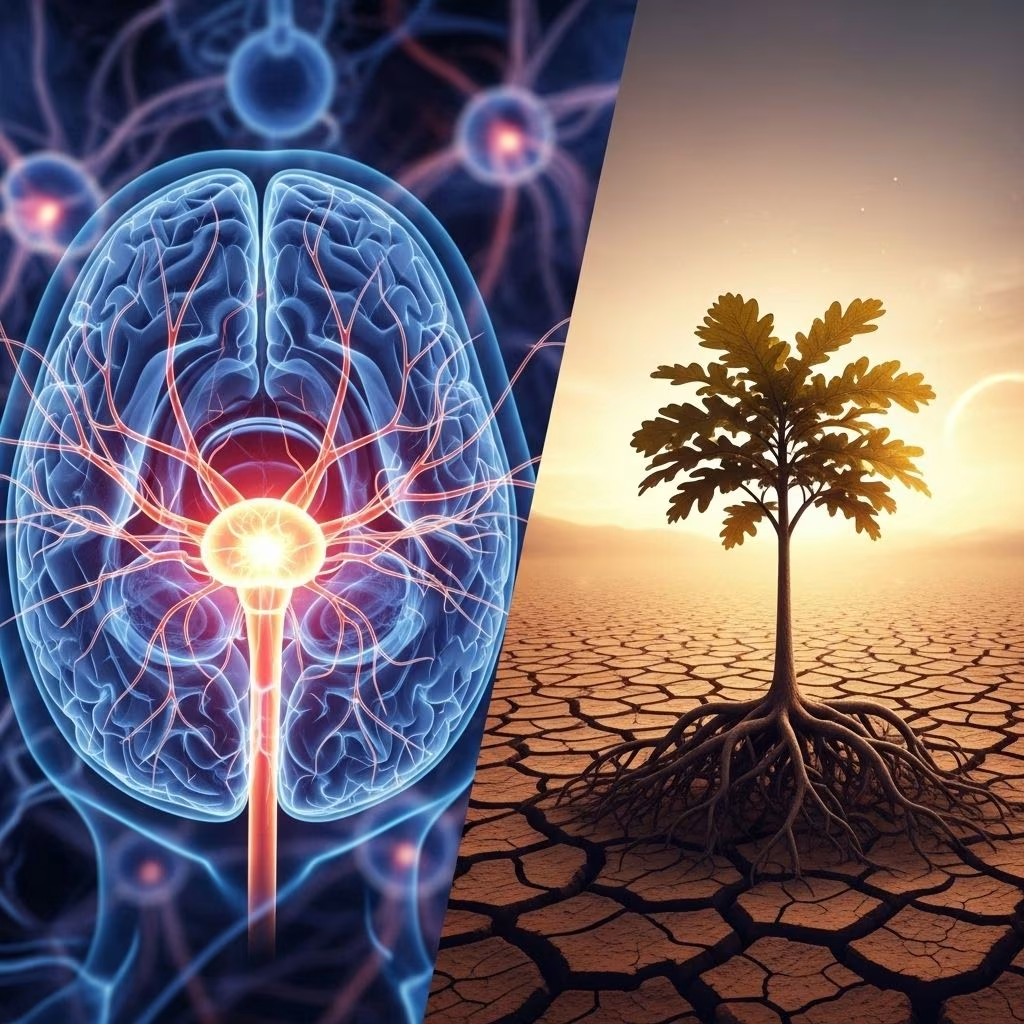
Self-control is one of the most vital psychological traits shaping our behavior, decision-making, and ability to achieve personal goals. Defined as the capacity to regulate impulses, desires, emotions, and behaviors in pursuit of longer-term objectives, self-control is central to healthy living and overall well-being. In this article, we will explore the foundational concepts of self-control, the psychological science behind willpower, reasons why self-control can break down, and research-backed strategies to strengthen it.
What Is Self-Control?
Self-control, often referred to as willpower, is the mental ability to override short-term temptations or impulses in order to pursue long-term goals. This act of self-regulation is necessary in a variety of everyday situations, including resisting unhealthy food, controlling one’s temper, focusing on work, or managing emotional responses. Psychologists frequently distinguish between two related but distinct concepts:
- Inhibitory self-control: Suppressing impulses, habits, or responses that conflict with goals or social expectations.
- Initiatory self-control: Initiating actions in pursuit of values or goals, such as beginning a difficult task or maintaining exercise regularly.
Strong self-control is linked to benefits across numerous domains, including academic achievement, physical health, emotional stability, and social relationships. Failures of self-control, on the other hand, underlie a host of societal and personal problems—from addiction and overeating to financial debt and underperformance at work.
Why Self-Control Matters
Research demonstrates that self-control is a key predictor of success and psychological well-being. Many everyday behaviors—whether eating healthily, exercising, studying, saving money, or avoiding harmful substances—rely heavily on consistent willpower. Studies have shown that individuals with higher self-control experience:
- Better physical health and lower rates of chronic illness
- Greater educational and professional achievement
- Healthier relationships and social interactions
- Higher overall life satisfaction
Notably, while intelligence also plays a role in long-term achievement, psychology has found that unlike intelligence, self-control can be developed and strengthened, making it an especially valuable trait to study and cultivate.
The Science of Willpower
Willpower is not infinite. In recent decades, researchers have investigated the mechanisms behind self-control—uncovering both its strengths and vulnerabilities. Key findings include:
Self-Control as a Limited Resource
One influential model posits that self-control relies on a finite mental resource (sometimes likened to a muscle) that can become depleted with use. Each act of self-control draws from this resource, leading to a temporary state known as ego depletion when reserves run low and willpower falters.
This explains why, after a long day of making difficult choices or exerting restraint, individuals may find it harder to exercise self-control—succumbing to temptations, losing patience, or making impulsive decisions.
Decision Fatigue and Ego Depletion
The concept of decision fatigue is closely related: repeatedly making decisions (even minor ones) depletes mental energy and erodes willpower. Studies indicate that acts of self-control and decision-making draw on the same pool of psychological resources. For example, someone resisting sweets all day may later snap at a colleague or give in to an impulse buy.
- Ego depletion refers to the temporary reduction in self-control capacity after prolonged exertion of willpower.
- This phenomenon has implications for anything requiring sustained discipline—such as dieting, studying, or conflict management.
The Biological Basis: Glucose and Self-Control
Research has shown a physical basis for ego depletion: glucose, the brain’s primary fuel, plays a measurable role in replenishing self-control. Experiments demonstrate that acts of self-regulation consume glucose, and low blood glucose predicts poorer performance on self-control tasks. Moderate replenishment, such as consuming a sweet drink, may temporarily restore willpower—though long-term solutions are more complex.
| Factor | Description | Impact |
|---|---|---|
| Stress | Psychological or environmental stressors drain mental energy | Lowers willpower, increases impulsivity |
| Lack of Sleep | Insufficient sleep impairs cognitive regulation | Weakens self-control |
| Glucose Depletion | Acts of self-control lower blood glucose levels | Reduces self-regulation capacity |
| Repeated Decisions | Frequent decision-making drains willpower | Leads to decision fatigue and ego depletion |
Examples of Self-Control in Daily Life
Self-control influences a broad spectrum of human behaviors. Here are some common scenarios where willpower is at play:
- Dieting and Healthy Eating: Choosing nutritious foods while resisting sweet or fatty options
- Physical Exercise: Adhering to a regular workout routine despite fatigue or competing priorities
- Academic Performance: Concentrating on studying while ignoring distractions like social media
- Financial Management: Delaying gratification by saving money instead of impulsive spending
- Emotional Regulation: Remaining calm during conflicts and controlling anger or frustration
- Substance Use: Abstaining from harmful behaviors such as smoking, drug use, or excessive drinking
Nearly all achievements – in health, career, and relationships – involve some form of persistent self-regulation.
Why Self-Control Sometimes Fails
No one has unlimited willpower. Understanding why self-control can break down is key to avoiding pitfalls and achieving sustainable change. The following factors are major contributors to lapses in self-control:
- Ego Depletion: When mental resources are depleted by continuous acts of willpower or decision-making, impulse control is compromised.
- High Stress: Stressful circumstances reduce cognitive resources, making resistance to temptation harder.
- Emotional Distress: Negative emotions (anger, sadness, loneliness) can undermine determination and increase impulsivity.
- Fatigue: Physical or mental exhaustion impairs the ability to self-regulate.
- Unrealistic Goals: Overly ambitious objectives set people up for failure and demotivating setbacks.
Moreover, the environment plays a pivotal role: strong cues for temptation—such as sweets on display or notifications from social media—make self-regulatory efforts much harder.
How to Strengthen Self-Control
While self-control can fluctuate, extensive research shows it is possible to build one’s willpower like a muscle. Developing better self-regulation is a process requiring intention, planning, and practice. Specific strategies include:
- Set Specific, Achievable Goals: Break larger tasks into smaller, actionable steps. Clear intentions prevent overwhelm and support gradual success.
- Self-Monitoring: Track progress towards goals. Regular self-assessment increases accountability and highlights areas for improvement.
- Develop Habits and Routines: Transforming desired behaviors into habits reduces reliance on willpower and makes actions automatic.
- Practice Mindfulness: Mindfulness-based techniques increase awareness of impulses and help manage emotional triggers.
- Avoid Tempting Environments: Restructure surroundings to minimize exposure to triggers (e.g., keeping junk food out of sight, silencing distracting notifications).
- Allow for Occasional Indulgences: Total deprivation is rarely sustainable—planned treats can reduce feelings of restriction and guilt.
- Build Up Willpower Gradually: Repeatedly practicing self-control in small ways can increase overall self-regulation capacity over time.
Tips for Maintaining Self-Control
- Plan Ahead: Prepare for situations where temptation or stress is likely. Pre-commitment (e.g., deciding meals ahead of time) can prevent impulsive decisions.
- Take Breaks: Allow regular mental breaks to recover from cognitive fatigue and restore willpower.
- Get Enough Sleep: Adequate rest supports executive function and improves impulse control.
- Manage Stress: Use healthy stress management techniques, such as exercise or relaxation practices.
- Reward Progress: Celebrate achievements to reinforce motivation and persistence.
The Role of Motivation and Beliefs
Emerging research suggests that beliefs about willpower itself can influence self-control performance. People who view willpower as a limited resource are more likely to feel depleted after exertion, whereas those who believe it can be replenished by rest or motivation are more resilient. Key motivational factors include:
- Intrinsic Motivation: Internal desires, such as personal growth or a sense of mastery, sustain effort better than external rewards alone.
- Growth Mindset: Seeing self-control as improvable increases perseverance and success rates.
- Positive Self-Talk: Encouraging, future-oriented thoughts bolster willpower during moments of doubt.
Self-efficacy—the belief in one’s ability to succeed—is highly predictive of perseverance in self-regulation. Adopting empowering beliefs about your capacity for change can boost follow-through on even the most challenging goals.
Challenges in Sustaining Self-Control
Despite best intentions, sustaining self-control over time remains challenging. Some of the most common obstacles include:
- Prolonged Deprivation: Strict diets or all-or-nothing goals often lead to burnout and relapse.
- Social Pressures: Peer expectations or societal norms can undermine individual efforts.
- Lack of Immediate Feedback: Benefits of self-control are often delayed, while temptations provide instant gratification.
Building a social support system, celebrating interim milestones, and focusing on incremental progress are effective ways to overcome these hurdles.
Frequently Asked Questions (FAQs)
What are the main benefits of strong self-control?
Strong self-control improves physical health, enhances academic and career performance, supports healthier relationships, and contributes to higher life satisfaction overall.
How does ego depletion affect everyday behavior?
Ego depletion, resulting from overuse of willpower or decision fatigue, temporarily reduces your ability to resist temptations, manage emotions, and make considered choices.
Can self-control be improved, or is it fixed?
While some aspects of self-control may be influenced by genetics, research indicates that self-control is a skill that can be strengthened through practice, habit development, and strategic planning.
How does glucose relate to self-control?
Engaging in acts of self-regulation uses glucose, the brain’s primary energy source. Restoring glucose levels—through nutrition—can temporarily boost self-regulation, but a healthy lifestyle and good sleep are more sustainable solutions.
What are quick strategies for boosting willpower?
Some quick but effective strategies include taking short breaks, practicing mindfulness, removing temptations from your environment, and reminding yourself of long-term goals during moments of weakness.
Conclusion
Self-control is a powerful driver of personal achievement, healthy living, and emotional well-being. Understanding its psychological and biological mechanisms enables us to recognize why willpower sometimes falters—and how to strengthen it through intentional action. By applying evidence-based strategies and cultivating supportive beliefs, anyone can improve their self-control and move closer to the life they aspire to lead.


