


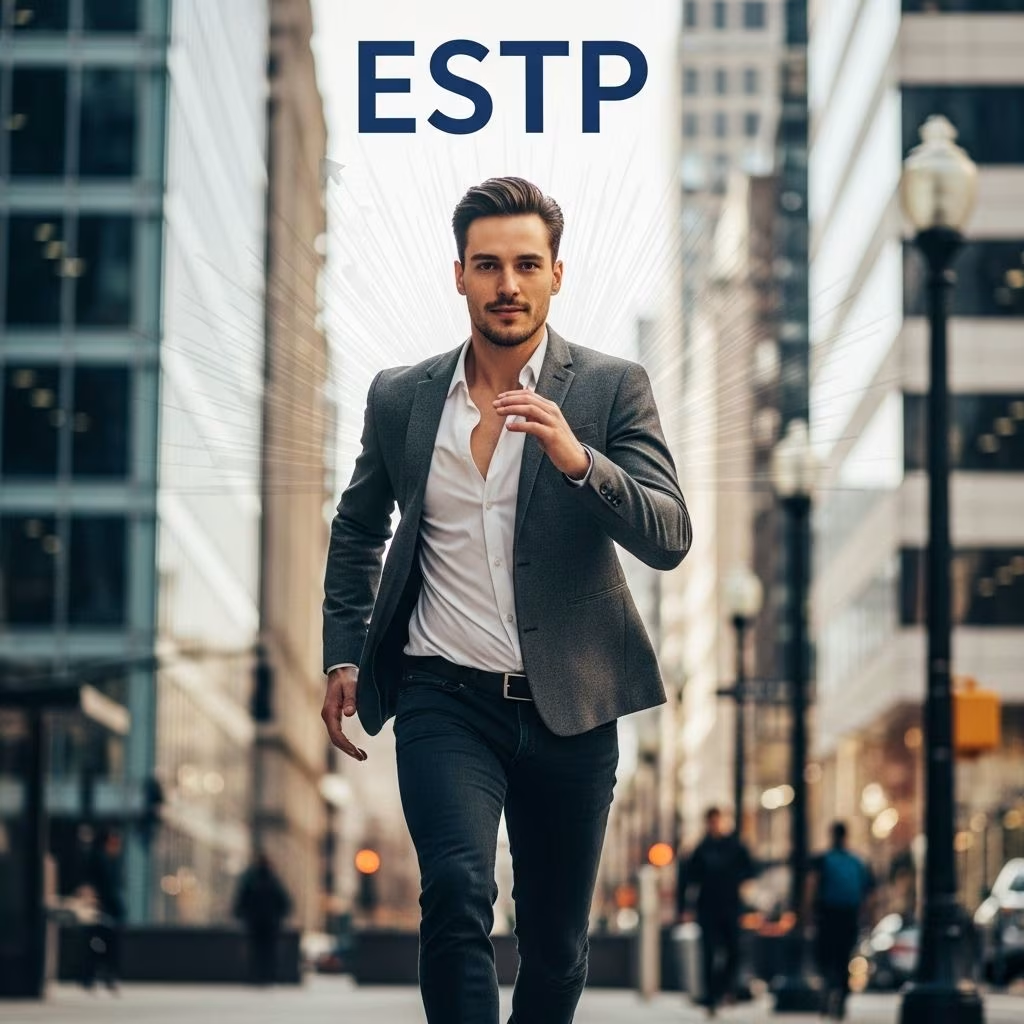
The ESTP personality, also known as the Entrepreneur or the Dynamo, is energetic, action-oriented, and driven by logic and the senses. This article provides an in-depth exploration of the ESTP type, including its defining traits, core cognitive functions, strengths and weaknesses, social and romantic tendencies, career patterns, and lifelong development.
What Is the ESTP Personality Type?
The ESTP personality is one of the 16 types identified by the Myers-Briggs Type Indicator (MBTI). The four core dimensions of ESTP stand for:
- Extraverted (E): Gains energy from interaction with people and the environment.
- Sensing (S): Prefers practical, real-world information over abstractions or theoretical concepts.
- Thinking (T): Prioritizes logic, objectivity, and efficiency over emotions when making decisions.
- Perceiving (P): Values flexibility and spontaneity, preferring to adapt rather than plan rigidly.
People with ESTP preferences are often described as vibrant, quick-thinking, and pragmatic problem solvers who thrive on variety and hands-on experiences.
Key Characteristics of ESTPs
- Highly energetic and outgoing: ESTPs are often the most animated presence in any group, fueling social activity and stimulating conversation.
- Loves excitement and stimulation: They seek out new adventures and struggle with monotony or routine.
- Observant and pragmatic: ESTPs notice details others may overlook and make decisions based on what works in the moment.
- Direct and action-oriented: They prefer to act rather than theorize, jumping into challenges with decisiveness.
- Natural social skills: With charm and resourcefulness, ESTPs find it easy to connect with a wide range of people.
- Highly adaptable: They are comfortable improvising and shifting plans as situations evolve.
How ESTPs Approach Life
ESTPs believe in seizing life as it comes. They’re attracted to fast-paced environments where their keen observation and quick responses provide an edge. They process information rapidly and are at their best when troubleshooting immediate problems rather than theorizing about distant possibilities.
Cognitive Functions: How ESTPs Think
The MBTI framework describes personality types using cognitive functions. For ESTPs, the function stack is:
| Order | Cognitive Function | Description |
|---|---|---|
| Dominant | Extraverted Sensing (Se) | Absorbs and reacts to sensory information in the present moment. |
| Auxiliary | Introverted Thinking (Ti) | Analyzes ideas using internal logic and consistency. |
| Tertiary | Extraverted Feeling (Fe) | Seeks harmony and social connection, though less prominently. |
| Inferior | Introverted Intuition (Ni) | Occasionally provides insights or hunches about future possibilities. |
This combination gives ESTPs their hallmark blend of immediacy, logical problem-solving, and social engagement. However, it also means they may overlook future consequences or struggle with abstract concepts.
Core Strengths of ESTPs
- Resourceful and practical: They focus on finding workable solutions using available resources.
- Bold and decisive: ESTPs are willing to take risks and act quickly, even under pressure.
- Charismatic and persuasive: Their directness and confidence often inspire others.
- Adaptable and flexible: They change course effortlessly as circumstances demand.
- Energetic leadership: Natural at motivating teams or spearheading group initiatives.
Common Weaknesses and Challenges
- Insensitive: Their focus on facts and logic can make them seem blunt or unfeeling, sometimes overlooking the emotional needs of others.
- Impatient: ESTPs dislike slow processes or extensive details that impede action.
- Impulsive: They may rush into decisions or actions without considering long-term outcomes or risks.
- Dislikes routine: Monotony is demotivating, making it hard for them to persist through repetitive tasks.
- Defiant toward authority: ESTPs resist strict rules or rigid expectations, preferring autonomy and hands-on engagement.
- May miss the bigger picture: Their present-focus can occasionally prevent them from seeing future implications.
ESTP Relationships and Social Dynamics
Friendships
As friends, ESTPs are adventurous, generous, and fun to be around. They enjoy sharing experiences, organizing activities, and bringing people together. Their straightforward communication style means they often say what they mean, which can be refreshing but may sometimes come across as tactless.
Romantic Relationships
- ESTPs bring excitement and energy to their relationships.
- They prefer spontaneity and physical expressions of affection.
- While charming and attentive, they can struggle with emotional depth or communicating abstract feelings.
- Partners who appreciate action-oriented love and direct communication often thrive with ESTPs.
Family Dynamics
- As family members, ESTPs are supportive in practical ways and tend to keep things lively and upbeat.
- They can be protective and hands-on, though they may find it difficult to relate to family members who are deeply sensitive or indirect in their communication.
Best Career Choices for ESTPs
ESTPs excel in roles requiring on-the-spot decision-making, practical problem-solving, and frequent interaction with others. They gravitate toward careers that are fast-paced, hands-on, and reward initiative.
- Sales and marketing
- Entrepreneurship
- Emergency services (police, firefighter, EMT)
- Skilled trades (mechanics, construction supervisor)
- Sports and athletics/coaching
- Business management
- Military or law enforcement roles
Conversely, ESTPs may struggle in careers that require extensive repetitive tasks, prolonged theory-based work, or rigid hierarchical management systems.
Tips for Growth and Development
- Practice patience: Learning to accept processes and the time needed for meaningful growth can reduce frustration with slower-paced environments.
- Consider consequences: Taking time to think through potential long-term outcomes before acting helps avoid problems down the road.
- Develop empathy: Making a conscious effort to tune in to the feelings and perspectives of others can improve communication and deepen relationships.
- Embrace structure when needed: While flexibility is a strength, incorporating some structure can help with focus and follow-through.
- Explore new challenges: Regularly seeking out variety and novel experiences keeps ESTPs motivated and engaged.
Developmental Stages and Function Growth
ESTP growth often follows three main phases through life:
- Early Years (Teens–20s): Focus on living in the present and exploring the world energetically. Development of Extraverted Sensing (Se) and, to a degree, their logical side (Ti).
- Adulthood (20s–30s): Balancing dominant habits with insights from their least developed function (Ni), leading to richer problem-solving and increased awareness of long-term effects.
- Maturity (30s+): Achieving greater balance and self-understanding by integrating intuition with action, gaining peace and stability over time.
Famous ESTP Personalities
- Ernest Hemingway (author)
- Theodore Roosevelt (U.S. president)
- Madonna (performer)
- Bruce Willis (actor)
- Winston Churchill (often typed as ESTP)
Note: MBTI typings of public figures are speculative and may vary by source.
Frequently Asked Questions (FAQ)
What is the ESTP personality type?
ESTP stands for Extraverted, Sensing, Thinking, and Perceiving. These individuals are dynamic, rational, and highly pragmatic, enjoying action and immediate results.
What is the greatest strength of ESTPs?
Resourcefulness and adaptability: ESTPs quickly assess situations, find practical solutions, and take decisive action.
What challenges do ESTPs face?
They may rush into decisions, overlook emotions, or become frustrated with routine and structure, sometimes missing long-term consequences.
Which careers suit ESTPs best?
Sales, emergency response, entrepreneurship, athletics, and other action-oriented, people-focused roles tend to suit them well.
Can ESTPs improve their emotional intelligence?
Yes, by practicing empathy, reflection, and considering the perspectives of others, ESTPs can develop stronger emotional awareness and communication skills.
Summary Table: ESTP at a Glance
| Aspect | ESTP Style |
|---|---|
| Social Interaction | Outgoing, energetic, thrives on variety and stimulation |
| Decision Making | Logical, practical, prefers facts over feelings |
| Work Habits | Action-oriented, adaptable, results-focused |
| Weaknesses | Impatient, blunt, may overlook long-term impacts |
| Ideal Careers | Sales, entrepreneurship, emergency services, sports |
Further Resources
- Personality assessments (like MBTI or similar typology tools)
- Coaching and workplace development programs
- Books and resources on personal growth for ESTP types
References
- https://www.calm.com/blog/estp
- https://www.simplypsychology.org/estp-personality.html
- https://www.16personalities.com/estp-strengths-and-weaknesses
- https://personalityjunkie.com/estp/
- https://www.16personalities.com/estp-personality
- https://www.truity.com/blog/personality-type/estp
- https://eu.themyersbriggs.com/en/tools/MBTI/MBTI-personality-Types/ESTP
- https://www.youtube.com/watch?v=YWm6tKxM8
- https://robertsmith.com/blog/entrepreneur-personality/


