


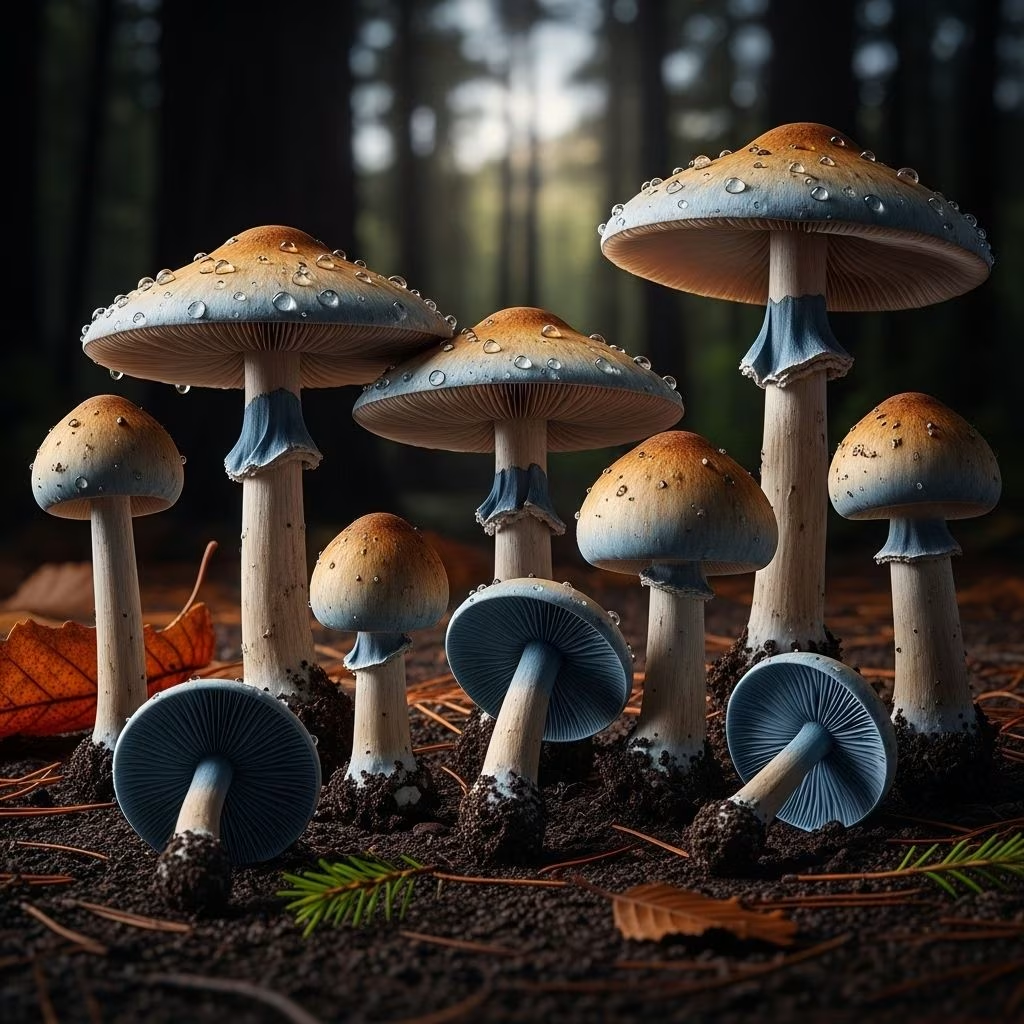
What Are Magic Mushrooms?
Magic mushrooms are fungi that contain the psychoactive compound psilocybin, which is known for altering perception, mood, and consciousness. When psilocybin is ingested, the body converts it to psilocin, the active molecule responsible for the mushrooms’ hallucinogenic effects. These mushrooms have been used for spiritual, recreational, and, more recently, therapeutic purposes for centuries.
Psilocybin Mushroom Species and Description
- Psilocybe cubensis – most widely known and cultivated.
- Psilocybe semilanceata – “Liberty Cap”, prominent in Europe.
- Panaeolus cyanescens – high in psilocybin potency.
- Typically, magic mushrooms are small, brown or tan and may resemble non-hallucinogenic or even poisonous species.
How Psilocybin Works in the Brain
Psilocybin primarily activates serotonin 2A receptors in the central nervous system, especially in brain regions such as the prefrontal cortex and amygdala. These areas manage mood, cognition, and perception, causing changes in thought patterns, sensory input, and emotional state.
History and Cultural Use of Magic Mushrooms
Humans have used psilocybin mushrooms for thousands of years in religious rituals, healing ceremonies, and spiritual practices. Archaeological evidence suggests ceremonial mushroom use as far back as 8,000 years ago. Contemporary use, while often recreational or for spiritual exploration, is increasingly being investigated for clinical psychiatric and psychological applications.
Consumption Methods
- Fresh or dried mushrooms – eaten directly, blended into food, or made into tea.
- Capsule or powder form – manufactured for precise dosing.
- Chocolate preparations – used to mask bitter taste and enhance palatability.
It is important to note that misidentification is common in the wild, leading to accidental ingestion of toxic mushrooms.
Prevalence and Patterns of Use
According to the National Survey on Drug Use and Health, almost 8.8 million Americans aged 12 and older reported using hallucinogens, including psilocybin, in 2023. Young adults (18–25 years) are disproportionately represented among users.
Psychological Effects of Magic Mushrooms
Psilocybin mushrooms cause profound changes in perception, mood, and thought. Effects may vary widely depending on mushroom species, dosage, individual physiology, expectations, and surrounding environment.
- Euphoria: Elevated mood, joy, and sense of wonder.
- Hallucinations: Visual or auditory distortions (seeing patterns, hearing sounds).
- Distorted sense of time and reality: Time can appear to slow, speed up, or lose meaning altogether.
- Introspective or spiritual experiences: Many users report feelings of insight or transcendence.
- Nervousness, anxiety, paranoia: Possible especially in stressful settings or at high doses.
- Panic reactions or psychosis in predisposed individuals.
Timeline of Effects
The hallucinogenic effects typically begin within 30 minutes of ingestion and last 4–6 hours. However, changes in cognition and perception may linger for days in some cases.
Physical Effects and Risks
Physical responses to magic mushrooms can be both subtle and pronounced, often intertwined with psychological effects.
- Dilated pupils
- Drowsiness
- Headaches
- Increased heart rate, blood pressure, and body temperature
- Lack of coordination
- Muscle weakness
- Nausea, vomiting, diarrhea
- Yawning
Negative effects such as nausea or vomiting are more likely at higher doses or with certain mushroom species. Accidental poisoning is a risk if non-psilocybin mushrooms are consumed.
Risks and Side Effects
Risks of psilocybin consumption include both acute reactions and longer-term psychosocial effects.
- Bad trip: Intense fear, paranoia, or disturbing hallucinations can occur.
- Mood instability: Emotional shifts from elation to anxiety or depression.
- Difficulty distinguishing fantasy from reality: Can lead to dangerous behaviors.
- Health conditions exacerbation: Those with mental illness may experience worsened symptoms.
- Accidental poisoning: Mistaking toxic mushrooms for psilocybin species can result in severe illness or death.
There are no documented cases of fatal overdose from psilocybin itself, but accidental poisoning from misidentification is a leading risk.
Signs of Magic Mushroom Use
- Isolation from friends or family, especially during use.
- Developing tolerance, leading to larger or more frequent doses.
- Combining with other substances, such as LSD or MDMA (which can enhance or alter effects and risks).
- Mood shifts, ranging from happiness, laughter, and joy to depression or paranoia.
- Difficulty differentiating reality from fantasy, especially in prolonged or high-dose usage.
Potential for Addiction and Dependence
Magic mushrooms are not considered addictive, as they do not produce physical dependence or withdrawal symptoms. Use is generally self-limiting due to the development of tolerance; repeated exposure causes diminished effects that require increased dosing. However, some individuals may develop psychological dependence or maladaptive use patterns.
Interactions with Medications and Other Substances
Research on interactions between psilocybin and prescription medications is limited. Since psilocybin acts on serotonin receptors, it may interact with antidepressants, antipsychotics, and other central nervous system drugs. It is recommended to avoid combining magic mushrooms with medications unless under medical supervision.
Combining psilocybin with other psychoactive substances, especially LSD or ecstasy, can amplify effects, increase risks of adverse psychological states, and cause unpredictable reactions.
Therapeutic Potential and Research
Recent clinical trials have explored the potential therapeutic benefits of psilocybin for several mental health conditions:
- Depression: Studies suggest that psilocybin-assisted therapy may yield significant reductions in depressive symptoms.
- Anxiety: Especially in patients with terminal illnesses, psilocybin has been shown to reduce anxiety and existential despair.
- Addiction: Early research is investigating psilocybin’s impact on substance use disorders.
- Eating disorders: Investigations into psilocybin for eating disorder treatment are ongoing.
The Drug Enforcement Administration classifies psilocybin as a Schedule I drug, citing a high potential for abuse and no currently accepted medical use. Research is ongoing and regulatory change is possible as evidence grows.
Frequently Asked Questions (FAQs)
Q: What are magic mushrooms?
A: Magic mushrooms are fungi containing the psychoactive compound psilocybin, known for producing hallucinations and altering mood and perception.
Q: Are magic mushrooms addictive?
A: Magic mushrooms are not physically addictive, and most users do not experience withdrawal. However, some individuals may develop psychological dependence.
Q: How long do the effects last?
A: Hallucinogenic effects usually begin within 30 minutes and last between four and six hours. Residual changes in thought and perception may persist longer.
Q: What are the risks of using magic mushrooms?
A: Risks include hallucinations, disturbing psychological experiences (“bad trips”), mood swings, nausea, and accidental poisoning from misidentified mushrooms.
Q: Are there medical uses for psilocybin?
A: Research is ongoing, but early evidence suggests psilocybin may help treat depression, anxiety, PTSD, and addiction. Therapeutic use is strictly regulated and not widely available.
Table: Summary of Magic Mushroom Effects
| Category | Effects | Risks |
|---|---|---|
| Psychological | Euphoria, hallucinations, altered time perception, introspection | Bad trip, paranoia, psychosis, mood swings |
| Physical | Dilated pupils, nausea, headaches, increased heart rate | Vomiting, diarrhea, muscle weakness, accidental poisoning |
| Social | Isolation during use, altered social interactions | Risky behavior, difficulty distinguishing reality |
| Medical/Therapeutic | Possible reductions in depression, anxiety, addiction | Limited access, regulatory restrictions, ongoing research |
Additional Information and Safety Tips
- Never consume wild mushrooms unless identified by an expert. Many poisonous species look similar to psilocybin mushrooms and can be fatal.
- Be aware of local laws: Psilocybin remains illegal in most countries, with penalties ranging from fines to imprisonment.
- Seek medical help if you or someone you know experiences severe psychological distress or physical symptoms after consumption.
- Research is evolving: Therapeutic use remains experimental and should only occur within approved clinical settings.
References
- https://sandiegodetox.com/magic-mushrooms/
- https://whitesandstreatment.com/2025/02/05/know-the-dangers-of-taking-chocolate-psychedelic-mushrooms/
- https://www.medicalnewstoday.com/articles/308850
- https://pmc.ncbi.nlm.nih.gov/articles/PMC8156539/
- https://www.britannica.com/science/psilocybin-mushroom
- https://www.oregon.gov/oha/PH/PREVENTIONWELLNESS/Documents/Psilocybin%20evidence%20report%20to%20OHA%206-30-21_Submitted.pdf
- https://www.britannica.com/science/psilocybin
- https://stemchocolate.com/very-well-mind-psychedelic-treatment-for-eating-disorders/


