


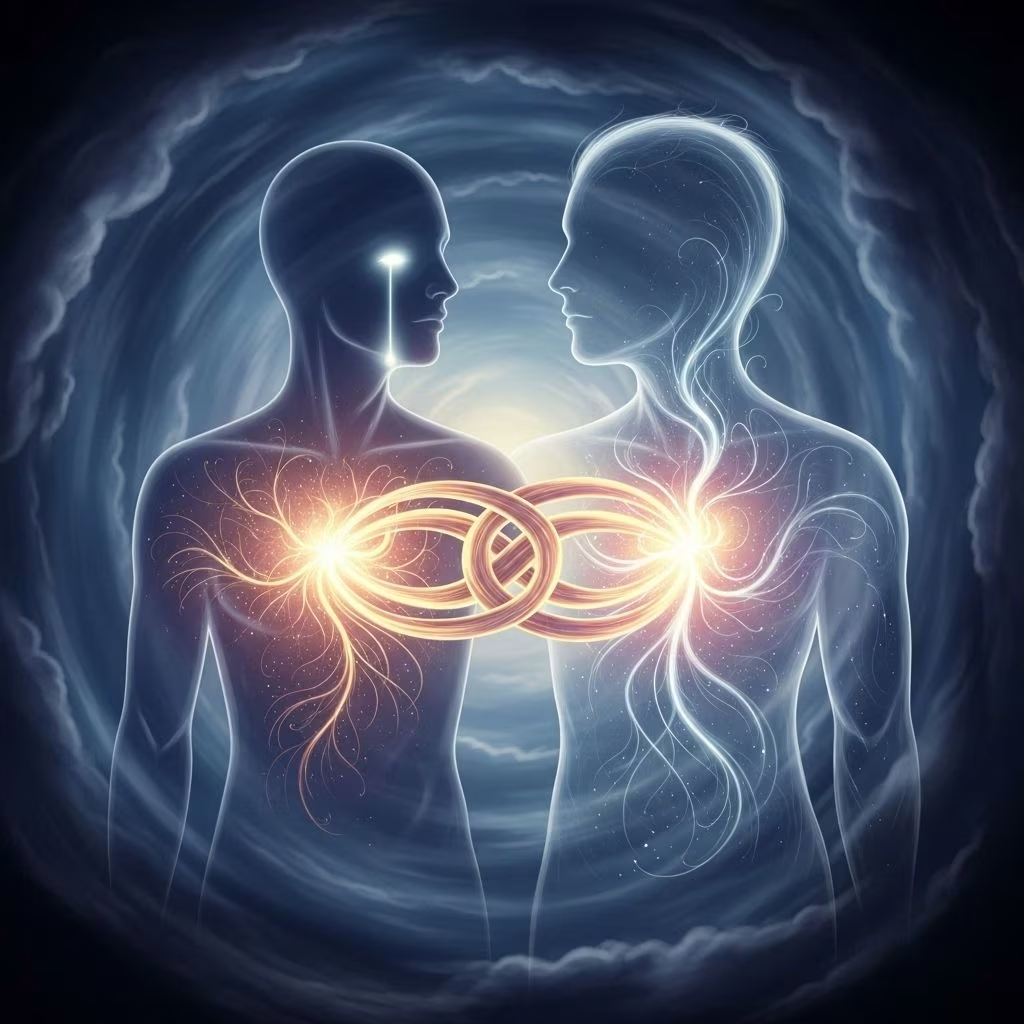
Soul ties are powerful emotional and spiritual bonds that form between individuals, often creating an almost magnetic sense of connection. While soul ties can enrich our lives with deep meaning and belonging, they can also lead to lingering emotional pain or unhealthy patterns when the connection becomes toxic or imbalanced. This article explores what soul ties are, how to recognize their signs, the science and beliefs behind them, and actionable steps you can take to break free from unhealthy ties.
What Are Soul Ties?
A soul tie is commonly described as a profound emotional and spiritual link that forms between two people, allowing their lives to intertwine in ways that may persist long after their relationship changes or ends. Soul ties are not limited to romantic or sexual relationships—they can develop from friendships, familial relationships, shared experiences, or deep spiritual connections.
While the term is often used in spiritual contexts, especially in Christianity and New Age thought, modern psychology also recognizes similar phenomena in the form of emotional or attachment bonds. These connections can influence thoughts, behaviors, and even shape your worldview, persisting in memory, emotion, or even dreams long after the initial relationship has ended.
- Soul ties may feel immediate or develop over time: Some experience an instant sense of knowing or kinship, while others find a tie building slowly through shared experiences or emotional vulnerability.
- Positive and negative soul ties: Healthy ties support growth and connection; unhealthy ones may foster dependency, confusion, emotional exhaustion, or pain.
- Soul ties aren’t always mutual: Even if one person feels deeply connected, the other might not reciprocate the same intensity.
Common Cultural and Spiritual Interpretations
Diverse beliefs surround soul ties:
- Christianity: Often connected to the concept of “two becoming one flesh” through sexual intimacy or deep covenantal relationships.
- New Age: Seen as bonds that may transcend lifetimes, with spiritual or cosmic roots linking souls across time and space.
- Secular psychology: Focuses on persistent emotional attachments—sometimes akin to codependency or trauma bonds.
How Soul Ties Form
Soul ties may develop in several ways, each influencing the depth and quality of the connection.
| Connection Method | Description |
|---|---|
| Emotional Bonding | Deep empathy, shared vulnerability, or strong familial, platonic, or romantic love form lasting emotional imprints. |
| Physical Intimacy | Sexual or physical intimacy creates powerful neurochemical and emotional bonds, often magnifying soul tie effects. |
| Covenantal Commitments | Marriage vows, promises, or spiritual pacts may reinforce a sense of unbreakable connection. |
| Shared Experiences | Intensive collective events (trauma, travel, accomplishments) can unite people at a deep level. |
| Spiritual Practices | Co-experiencing spiritual rituals, beliefs, or group ceremonies can create lasting ties rooted in shared meaning. |
6 Major Signs of a Soul Tie
How do you know if you’re experiencing a soul tie? While each tie is unique, there are several common indicators that signal a deep emotional or spiritual connection:
- Persistent emotional attachment: You find yourself thinking about the person constantly, regardless of time or distance apart.
- Difficulty letting go: Even after a relationship ends, the emotional pull lingers, making it hard to move on.
- Unexplainable emotions: Experiencing strong feelings—joy, guilt, pain, even obsession—triggered by memories or reminders of the person.
- Dreams or telepathic experiences: Sharing dreams, having sudden thoughts about each other, or feeling a sense of what the other is experiencing, sometimes described as ‘telephone telepathy’.
- Emotional or physical responses: Experiencing anxiety, energy shifts, or even physical sensations when thinking about, seeing, or being near the person.
- Feeling incomplete or lost without them: Sensing that your own identity or wellbeing is closely tied to the other person’s presence, actions, or approval.
Deep Dive: Healthy vs. Unhealthy Soul Ties
| Aspect | Healthy Soul Tie | Unhealthy Soul Tie |
|---|---|---|
| Emotional Impact | Supportive, nurturing, secure | Draining, obsessive, emotionally dependent |
| Communication | Open, honest, and respectful | Manipulative, guilt-driven, inconsistent |
| Autonomy | Promotes independence and growth | Creates dependency or confusion about self-identity |
| After Interaction | Feel energized, peaceful | Feel anxious, exhausted, emotionally unstable |
| Spiritual Energy | Uplifting, purposeful | Burdensome, conflicted, or spiritually draining |
Why Soul Ties Can Be Hard to Break
Soul ties often linger due to the intensity of emotional, spiritual, or even neurochemical bonding involved. Romantic or sexual relationships, in particular, can produce a surge of neurotransmitters (oxytocin, dopamine) that reinforce attachment. Even when a connection is negative or toxic, these bonds may persist, much like patterns seen in behavioral addiction or trauma bonds.
- Attachment rhythms: The brain often interprets the loss of an emotional attachment as a threat, intensifying thoughts and emotions related to the relationship.
- Pattern repetition: Unresolved issues or traumas may play out through soul ties, repeating emotional patterns or ‘unfinished business.’
- Identity fusion: Sometimes people entwine their sense of self with their tie, fearing loss of identity or purpose if the connection ends.
How to Break Unhealthy Soul Ties
Breaking a soul tie can be a complex, emotional experience. This process requires both emotional and, for some, spiritual effort. Here are evidence-based and widely recommended steps for letting go of unhealthy or lingering emotional bonds:
- Acknowledge the tie: Recognize and validate your feelings, accept the existence of the bond, and clarify why it may be holding you back.
- Set strong boundaries: Limit or end contact with the person when possible. Remove reminders—gifts, photos, digital communications—that keep the tie active.
- Engage in self-reflection: Journaling, therapy, or mindful meditation helps clarify your feelings and patterns related to the connection.
- Forgive and release: Forgiveness means letting go of anger or guilt—whether directed at the other person or yourself—to free emotional energy tied to the bond.
- Seek professional support: Therapists, counselors, or support groups can offer guidance and coping tools, especially for trauma-based or codependent soul ties.
- Spiritual or ritual acts (optional): Many people use spiritual practices—prayer, energy work, or rituals for release—to symbolically cut unhealthy ties and reclaim autonomy.
- Focus on personal growth: Pursuing new skills, hobbies, and supportive relationships can rebuild identity and self-worth apart from the bond.
Steps for Establishing Healthy Emotional Boundaries
- Communicate needs and limits clearly with those in your life
- Prioritize self-care practices that nurture emotional resilience
- Respond assertively if old patterns or triggers are activated
- Use support systems: friends, family, groups, or professional help as needed
Frequently Asked Questions (FAQs) About Soul Ties
Are soul ties always romantic or sexual?
No. While many soul ties form through romantic or sexual relationships, strong ties can also form through close friendships, familial bonds, shared trauma, or even mentor-student dynamics.
How do you know if a soul tie is unhealthy?
Signs include persistent emotional pain, obsessive thoughts, emotional or physical symptoms when exposed to memories, feeling unable to move on, or sensing your own identity is lost in the relationship.
Can a soul tie be one-sided?
Yes. One person may feel much more strongly about the bond, sometimes leading to unreciprocated longing or attachment.
Do rituals or spiritual practices really help break soul ties?
Many people find spiritual or symbolic acts—like prayer, cutting cords meditation, writing letters (then discarding them), or guided visualizations—helpful for emotional closure. These should be combined with practical steps and psychological support for best results.
What if I feel guilty about letting go?
Emotional guilt is common, especially if the tie was once positive. Remind yourself that honoring your boundaries and wellbeing allows both parties to grow and heal, and that releasing a tie is not the same as erasing the past.
When to Seek Help
Sometimes, breaking a soul tie is especially challenging—such as when trauma, abuse, or long-term codependency is involved. Professional therapy or counseling can be crucial in:
- Processing unresolved trauma related to the connection
- Unpacking codependent or repetitive attachment patterns
- Developing effective coping and boundary-setting skills
- Validating your feelings and providing strategies for emotional freedom
Final Thoughts: Embracing Your Own Growth
Soul ties remind us of the profound capacity humans have for connection—but also of the need for autonomy, healing, and resilience. Whether you are seeking to nurture healthy attachments or break free from unhealthy ones, remember that change is possible with intention, support, and time. The journey to healing often includes recognizing what you’ve learned from the bond, reclaiming your energy, and focusing forward on relationships that uplift and empower you.
References
- https://treatmhtexas.com/mental-health/soul-ties-unraveling-the-mysteries-of-deep-connections/
- https://www.centreofexcellence.com/soul-ties-and-breaking-them/
- https://psychcentral.com/relationships/soul-ties
- https://mikesignorelli.com/mike-writes/the-truth-about-soul-ties-what-they-are-and-how-to-break-them
- https://healthymindsphilly.org/blog/are-soul-ties-codependent-relationships/
- https://www.youtube.com/watch?v=KczOjvZqn6A


