Few canine breeds have influenced agriculture and culture as profoundly as the Border Collie. Renowned for their intelligence, agility, and dedication, Border Collies have a heritage steeped in the pastoral traditions of the British Isles, and their rise to prominence is a story of purposeful breeding, legendary dogs, ancient migrations, and world-class competition.
Ancient Roots: The Origins of the Border Collie
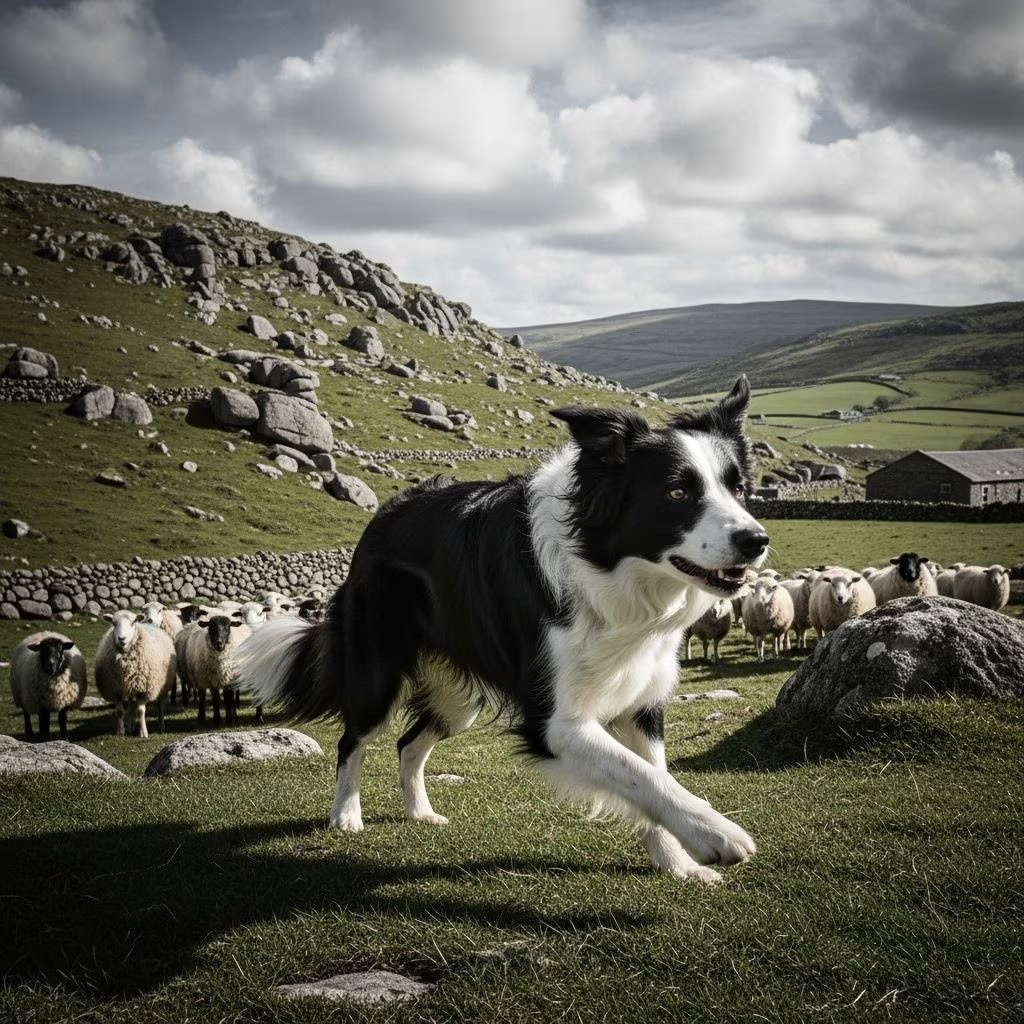
The history of the Border Collie begins along the Anglo-Scottish border, where fertile sheep pastures demanded efficient working dogs. Early herding dogs evolved not from a single ancestor but through crossbreeding over centuries, blending the qualities needed to control rugged, expansive herding landscapes.
- Roman Influence: Around 2,000 years ago, Romans introduced their own drover dogs to Britain, providing strong, stable working dogs ideal for moving livestock over distance.
- Viking Contributions: The Norse invasions introduced spitz-type Viking sheepdogs, prized for their agility and stamina.
- Adaptation: Over generations, these imported breeds intermingled with native sheepdogs to create a line that balanced endurance, speed, the famous “eye,” and unwavering focus—forming the forerunners of the Border Collie.
The result was a dog uniquely suited to the tough climate and challenging terrains of the British borderlands.
Queen Victoria and Border Collie Popularity
During the 19th century, the Border Collie became more widely recognized. Queen Victoria, an avid dog lover, helped shape the breed’s reputation, keeping several collies at her Balmoral Estate.
- Companionship: Her favorites, such as Sharp and Noble, exemplified not just the work ethic but also the companionship potential of the breed.
- Societal Influence: The Queen’s patronage broadened awareness and appreciation of the dogs well beyond their original shepherding roles.
By the end of the 19th century, the collie-type breeds, including the earliest Border Collies, appeared in both country estates and urban dog shows.
The Rise of Sheepdog Trials
Sheepdog trials became a pivotal force in the Border Collie’s development and exposure. The first formal sheepdog trial took place in Wales in 1873, on the estate grounds that had hosted gun dog trials for years.
- Purpose: Shepherds and farmers tested their dogs’ skills in front of audiences, fueling local pride and friendly rivalry.
- International Sheepdog Society (ISDS): Founded in 1906, the ISDS established the first studbook for the breed and held its official trial in 1922, helping to standardize desirable traits.
- Influence: Victory at prestigious trials guaranteed that top-performing dogs would become foundational sires for the breed.
Old Hemp: The Breed’s Founding Sire
While many dogs contributed to the Border Collie’s ancestry, none is more significant than Old Hemp, born in 1893 and bred by Adam Telfer.
- Characteristics: Old Hemp was famed for working sheep quietly yet intensely, favoring gentle control over the aggressive tactics of previous dogs.
- Legacy: He sired over 200 pups and is recognized as the foundation sire of the modern Border Collie. Almost every purebred Border Collie today traces its heritage back to Old Hemp.
- Name: The name “Border Collie” was first recorded in 1915, officially distinguishing the breed from other collie-related types.
Old Hemp’s influence remains so pervasive that his genetics appear repeatedly in international pedigrees.
Key Milestones in Breed Recognition and Organization
As the Border Collie’s reputation grew, so did the need for formal breed organizations and registries.
- Formation of Clubs: The North American Sheepdog Society (1940), American International Border Collie Registry, and the Border Collie Society of America all contributed to the promotion and preservation of the breed, each with a focus on maintaining the herding instinct.
- AKC Recognition: The American Kennel Club included the Border Collie in its Miscellaneous Class in 1955, granting full breed recognition by 1995.
- Global Standardization: The ISDS continues to govern registry and working trials in Britain and many other countries, helping coordinate international standards of excellence.
Border Collies Go Global
With thriving sheep industries in countries such as Australia, New Zealand, the United States, and Argentina, it was inevitable that Border Collies would be exported worldwide to improve local stock work.
- Australia: First introductions more than 200 years ago led to crossbreeding with the native dingo, influencing the Australian Kelpie. By the early 1900s, champion British dogs were exported to help further establish both Border Collie and Kelpie breeds in Australia.
- New Zealand: Pioneers like James Lilico brought top Scottish dogs to New Zealand, including Hindhope Jed, a direct Old Hemp descendant, who became a noted champion.
- The Americas: As sheep ranching expanded in North and South America, Border Collies were quickly identified as the breed of choice, renowned for their stamina and reliable training.
Throughout the 19th and 20th centuries, British dog breeders sent their best working Border Collies all over the globe, cementing the breed’s supreme status amongst herding dogs and spreading its genetic legacy worldwide.
The Unique Herding Instinct: The “Eye” and Intelligence
Of all working breeds, Border Collies are celebrated most for their use of the “eye”—a distinctive, intense, and controlled gaze used to direct and move sheep. This natural talent, paired with exceptional intelligence and trainability, allows them to master intricate herding maneuvers and respond to sight, sound, and subtle handler cues.
- Work Ethic: Border Collies are tireless, focused, and eager to please, qualities that have enabled them to dominate sheepdog trials and competitive obedience arenas.
- Versatility: Beyond herding, Border Collies excel in agility, search and rescue, and as service dogs, thanks to their fast learning and adaptability.
- Mental Engagement: Their intelligence demands constant stimulation through work or advanced training.
Modern Border Collie: Dual Identity as Working Dog and Companion
Despite their fame and accomplishments, Border Collies retain the instincts bred into them for centuries. Today, they are both esteemed working dogs and popular, if demanding, family companions.
- Herding Champions: Many Border Collies still work full-time on farms and ranches across the globe.
- Show and Performance: Others compete in dog sports, from sheepdog trials to elite agility competitions, consistently setting the highest standards.
- Pet and Service Roles: With adequate exercise and mental stimulation, Border Collies can excel as devoted pets, therapy dogs, or assistance animals. However, their drive requires knowledgeable owners willing to meet their needs.
Key Attributes of the Modern Border Collie
| Trait | Description |
|---|---|
| Intelligence | Consistently ranked among the world’s smartest dog breeds |
| Work Ethic | Highly energetic, thrives on having purposeful tasks |
| The “Eye” | Unique, intense focus for silent control of livestock |
| Trainability | Excels at learning commands and advanced behaviors |
| Global Influence | Integral to sheep farming and ranching on five continents |
Legacy: The Border Collie’s Enduring Contribution
The Border Collie has repeatedly redefined what humans expect from working dogs. In addition to transforming sheep farming, the breed’s influence is felt in arenas as diverse as dog sports, police and rescue work, and therapy animal programs. Today, breeders remain committed to preserving both conformation and functional herding aptitude, ensuring the Border Collie’s legacy as the undisputed champion of working breeds endures.
Frequently Asked Questions (FAQs)
Q: What makes the Border Collie’s herding style unique?
A: Border Collies use an intense, controlled stare known as “the eye” to influence and direct livestock, combining focus with subtle movements rather than loud barking or aggressive charging.
Q: Who was Old Hemp and why is he significant?
A: Old Hemp, whelped in 1893, is recognized as the founding sire of the modern Border Collie. Renowned for his gentle control and work ethic, he sired over 200 pups and appears in most breed pedigrees today.
Q: When was the Border Collie officially named and recognized?
A: The name “Border Collie” was first used in 1915 by James Reid of the International Sheep Dog Society to distinguish the breed from other collie types. The breed received full AKC recognition in 1995.
Q: Do Border Collies make good household pets?
A: They can be excellent companions for active families with the time and resources to provide daily physical and mental challenges. Without sufficient engagement, their intelligence and drive can lead to behavioral problems.
Q: Where did Border Collies spread after becoming established?
A: After gaining acclaim in the British Isles, Border Collies were exported to Australia, New Zealand, the United States, Canada, and Argentina, impacting sheep farming and dog breeding worldwide.
References
- https://www.akc.org/expert-advice/dog-breeds/border-collie-history-the-herding-dogs-development-through-time/
- http://www.rigelbordercollies.com/BC_Info.html
- https://backseatbordercollie.com/border-collie-history/
- https://en.wikipedia.org/wiki/Border_Collie
- https://a-z-animals.com/animals/border-collie/border-collie-facts/border-collie-progression/
- https://colliepoint.com/border-collie-history/
- https://www.bordercollie.org/culture/history/historypt1/
- https://worldanimalfoundation.org/dogs/border-collie/
- https://www.doc-developpement-durable.org/file/Elevages/Chiens/Chiens%20de%20conduite/presentationBorderCollie.pdf