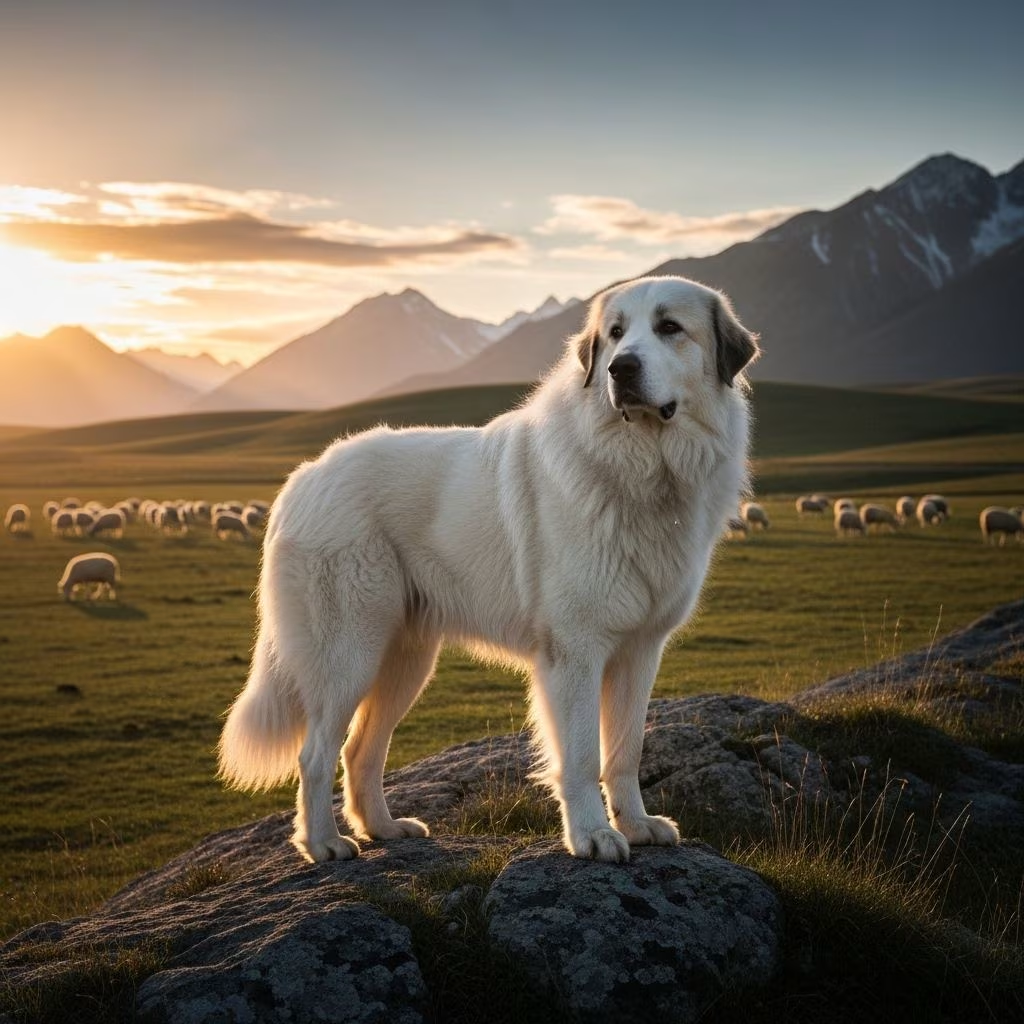
The Great Pyrenees stands as one of the most majestic and noble dog breeds, combining impressive size with elegant beauty and a gentle, devoted temperament. Originally bred to guard flocks in the rugged Pyrenees Mountains between France and Spain, these magnificent white giants have transitioned from mountain guardians to beloved family companions while retaining their protective instincts and independent spirit.
Breed Overview and History
The Great Pyrenees, also known as the Pyrenean Mountain Dog, boasts a rich heritage spanning centuries as a livestock guardian in the mountainous regions of southwestern Europe. These dogs were specifically developed to protect sheep from predators including wolves and bears in the harsh, steep terrain of the Pyrenees Mountains. Their striking white coat served a practical purpose, allowing shepherds to distinguish them from predators in low light conditions.
The breed gained prominence beyond the mountains when French nobility discovered these impressive dogs and brought them to royal courts as guard dogs and companions. By the 17th century, the Great Pyrenees had become the official dog of the French Royal Court, cementing their status as dogs of both beauty and purpose. This dual heritage of working ability and aristocratic elegance continues to define the breed today.
The breed conveys an unmistakable impression of elegance and unsurpassed beauty combined with great overall size and majesty. Possessing keen intelligence and a kindly yet regal expression, the Great Pyrenees exhibits a unique elegance of bearing and movement that showcases its breeding purpose: the strenuous work of guarding flocks in all kinds of weather on steep mountain slopes.
Physical Characteristics and Appearance
The Great Pyrenees is a large, heavily built dog that commands attention with its impressive stature and distinctive appearance. Males typically stand between 27 and 32 inches at the withers, with weights starting at 100 pounds and often exceeding this substantially. Females are slightly smaller, ranging from 25 to 29 inches in height with weights beginning at 85 pounds. The breed is proportioned as a balanced, somewhat rectangular dog, being slightly longer than tall when measured from shoulder to buttock.
The breed’s most striking feature is its luxurious double coat, consisting of a long, thick outer layer and a fine, dense undercoat. This weather-resistant coat provided essential protection during the breed’s working days in harsh mountain conditions. The outer coat is particularly long and flowing around the neck, creating an impressive mane, as well as on the tail and backs of the legs. The coat appears predominantly white or white with markings of gray, badger, reddish brown, or varying shades of tan. These markings typically appear on the ears, head (sometimes including a full face mask), tail, and occasionally as body spots, though outer coat markings covering more than one-third of the body are considered faulty.
The head is proportionate to the body without being overly large, featuring a long, broad, slightly pointed muzzle. The lips are not pendulous, and the small triangular ears hang flat against the head. The neck is short and strong, supporting the noble head carriage that gives the breed its regal expression. One unique physical characteristic is the double dewclaws on the hind legs, which are considered an essential breed trait and their absence is a disqualifying fault in show rings.
Temperament and Personality
Character and temperament represent aspects of utmost importance in the Great Pyrenees breed. These dogs are naturally confident, gentle, and affectionate, displaying a calm and well-mannered demeanor that has earned them the reputation of being true gentle giants. While territorial and protective of their flock or family when necessary, their general disposition is one of quiet composure, demonstrating both patience and tolerance in everyday situations.
The breed is known for great devotion to family, including well-behaved children. Great Pyrenees are generally trustworthy, affectionate, and gentle with family members, and if the need arises, they will not hesitate to protect their family and territory. This protective instinct stems from centuries of breeding as livestock guardians, where independent decision-making was essential. The breed’s strong-willed and independent nature, combined with a somewhat reserved demeanor, creates a dog that is attentive, fearless, and loyal to its charges, both human and animal.
However, this independence can present training challenges. Great Pyrenees were bred to be left alone and guard sheep in mountain valleys, making them naturally more independent than many other breeds. They tend to be reserved around strangers, which is a natural extension of their guarding heritage. The strong guarding instinct also manifests in a tendency to bark, as vocalization was historically used to warn predators and alert shepherds to potential threats.
Despite their imposing size and protective nature, properly socialized Great Pyrenees are courageous yet gentle, very loyal and obedient with those they love. They are devoted to family even if self-sacrifice is required, making them exceptional companions for those who understand and respect their unique temperament. Any signs of excessive shyness, nervousness, or aggression toward humans are considered extremely serious faults and are unacceptable in the breed.
Training and Socialization Requirements
Training a Great Pyrenees requires patience, consistency, and an understanding of the breed’s independent nature. These dogs reach physical adulthood at one year of age but can take up to two years to fully mature mentally and emotionally. The same guarding instincts that make them excellent protectors also mean that obedience training can be more challenging compared to breeds bred specifically for following commands.
Early and extensive socialization is especially important for this breed due to its natural guarding tendencies. Exposure to as many new people, places, and situations as possible during puppyhood helps moderate any excessive protectiveness and ensures the dog can distinguish between normal situations and genuine threats. Without proper socialization, a Great Pyrenees may become overly territorial or suspicious of harmless everyday occurrences.
The breed does best with children when raised with them from puppyhood, and consistent socialization with people, places, and noises is essential for dogs not being used as working flock guardians. Training should be firm but gentle, as harsh methods will not be effective with this sensitive, intelligent breed. Owners should not expect their Great Pyrenees to win obedience championships; rather, the goal should be establishing mutual respect and basic manners while appreciating the dog’s natural independence.
A Great Pyrenees may try to dominate a less secure or meek owner, particularly if treated as if it were human rather than being provided proper leadership. Establishing yourself as a calm, confident leader without resorting to harsh corrections is essential for successful training. The breed responds best to positive reinforcement methods combined with clear, consistent boundaries.
Exercise and Activity Needs
Despite their very large size, the Great Pyrenees has moderate exercise requirements compared to some other large breeds. These dogs do best when they receive approximately 30 to 40 minutes of exercise per day, which can be divided into multiple sessions. This relatively modest need stems from their breeding as guardians rather than herding dogs; they were designed to be alert and ready to spring into action when needed, but to conserve energy during quiet periods.
The Great Pyrenees moves smoothly and elegantly, exhibiting both power and agility with a well-balanced stride featuring good reach and strong drive. Ease and efficiency of movement are more important than speed for this breed. Appropriate exercise might include leisurely walks, supervised time in a securely fenced yard, and gentle play sessions. These dogs appreciate having space to patrol and observe their territory, making them better suited to homes with yards rather than apartments.
While they enjoy outdoor time, Great Pyrenees also like having quiet time in the house and thrive with a predictable, orderly routine. They are not typically suited for activities requiring intense bursts of energy or prolonged high-speed running. The breed can be a wonderful companion for those living in suburban or rural areas who lead fairly placid lives and can provide consistent but not overly demanding exercise opportunities.
Grooming and Coat Care
The Great Pyrenees’ magnificent double coat requires regular maintenance to keep it healthy and free from mats. The long, thick coat was designed to protect the dog from harsh weather conditions in the mountains, and while beautiful, it demands commitment from owners. Regular brushing several times per week is essential, with daily brushing recommended during seasonal shedding periods when the dense undercoat is being released.
The breed experiences significant seasonal shedding, typically twice a year, when the undercoat sheds heavily. During these periods, more intensive grooming is necessary to remove loose hair and prevent matting. The long outer coat, particularly around the neck, tail, and backs of the legs, can easily become tangled if not properly maintained. Using appropriate grooming tools designed for double-coated breeds helps make the process more efficient and comfortable for the dog.
Bathing should be done as needed, though the white coat may require more frequent baths than darker-coated breeds to maintain its stunning appearance. However, over-bathing can strip natural oils from the coat, so balance is important. Pay particular attention to the ears, which hang flat against the head and can be prone to moisture retention and infection if not kept clean and dry.
Regular nail trimming, teeth brushing, and ear cleaning should be part of the grooming routine. The distinctive double dewclaws on the hind legs require special attention during nail trimming sessions. Starting grooming routines early in puppyhood helps the Great Pyrenees become accustomed to handling and makes maintenance easier throughout the dog’s life.
Nutrition and Feeding Guidelines
The Great Pyrenees has substantial nutritional needs due to its large size. These dogs typically require approximately four and a half cups of high-quality dog food per day, though individual needs vary based on age, activity level, metabolism, and overall health. It is strongly recommended to divide this daily portion into two to three separate meals rather than feeding once daily.
Splitting meals serves multiple important purposes. First, it helps prevent bloat, a serious and potentially life-threatening condition that large, deep-chested breeds are particularly susceptible to. Bloat occurs when the stomach fills with gas and potentially twists, cutting off blood flow. Feeding smaller, more frequent meals reduces the risk. Second, multiple meals help keep the dog feeling fuller throughout the day, reducing begging behavior and maintaining more stable energy levels.
The Great Pyrenees is generally a fairly hearty breed that usually does well on high-quality commercial dog food formulated for large breeds. They are not extremely prone to food allergies or intolerances, though these can occasionally occur. When selecting food, look for options with appropriate protein levels for large breeds, adequate fat for coat health, and proper calcium and phosphorus ratios to support bone and joint health.
Puppies have different nutritional requirements than adults and should be fed food specifically formulated for large-breed puppies. This specialized nutrition helps ensure proper growth rates, as growing too quickly can contribute to developmental orthopedic problems in giant breeds. Always provide fresh, clean water, and consult with your veterinarian about the best feeding plan for your individual dog.
Health Considerations and Lifespan
Like all large and giant breeds, the Great Pyrenees faces certain health considerations that potential owners should be aware of. The breed has an average lifespan of 10 to 12 years, which is typical for dogs of this size. Responsible breeders screen for genetic health issues and work to produce the healthiest puppies possible, but some conditions occur with higher frequency in the breed.
Hip dysplasia and elbow dysplasia are developmental conditions affecting the joints that can occur in large breeds. These conditions involve malformation of the joint, leading to arthritis and pain. Reputable breeders have their breeding dogs evaluated and certified for healthy hips and elbows through organizations like the Orthopedic Foundation for Animals. Maintaining appropriate weight and providing proper nutrition during growth stages helps minimize the risk of these conditions developing or worsening.
Bloat, as mentioned in the feeding section, is a serious emergency condition that requires immediate veterinary attention. Owners should familiarize themselves with the signs of bloat, which include unsuccessful attempts to vomit, distended abdomen, restlessness, and excessive drooling. Preventive measures include feeding multiple smaller meals, avoiding vigorous exercise immediately before and after eating, and using elevated food bowls cautiously as their benefit is debated.
The breed can also be affected by certain eye conditions, including cataracts and progressive retinal atrophy. Regular veterinary check-ups including eye examinations help catch these conditions early when intervention may be most effective. Some Great Pyrenees may experience luxating patellas (loose kneecaps), particularly in smaller or improperly structured individuals.
Regular veterinary care, including annual wellness examinations, appropriate vaccinations, parasite prevention, and dental care, contributes significantly to a long, healthy life. Maintaining appropriate body condition is particularly important in large breeds to reduce stress on joints and organs. Early detection and management of health issues can help ensure your Great Pyrenees enjoys the best quality of life possible.
Living Requirements and Ideal Home Environment
The Great Pyrenees can be a wonderful companion for the right family, but the breed has specific needs that must be considered. These dogs are best suited to suburban or rural homes with adequate space, particularly securely fenced yards where they can patrol and observe their territory. The combination of large size, moderate exercise needs, and strong guarding instincts makes apartment living generally unsuitable for this breed.
A securely fenced yard is essential, both for exercise and for the dog’s natural desire to patrol and protect its territory. The fencing should be sturdy and of adequate height, as these large dogs can be surprisingly athletic when motivated. However, Great Pyrenees are not typically fence jumpers or escape artists; their independent nature means they may wander if they perceive a threat to their flock or if their protective instincts are triggered by activity outside the property.
The breed’s tendency to bark should be seriously considered, particularly in neighborhoods with close neighbors. The Great Pyrenees was bred to use vocalization as a warning and deterrent, and this instinct remains strong. While training can help manage excessive barking, completely eliminating this natural behavior is neither realistic nor fair to the dog. Potential owners should ensure they live in an environment where reasonable barking will not cause conflicts.
These dogs thrive with predictable routines and calm household environments. They are not suited to chaotic, high-energy households or families wanting a highly active outdoor companion for intense activities like long-distance running or agility competitions. Instead, they excel as steady, dependable companions for families who appreciate their gentle nature, can provide consistent leadership, and understand their need for both family interaction and independent observation time.
Great Pyrenees do best when they have a job to do, even if that job is simply being the family guardian. They are happiest when they can fulfill their natural protective role, whether that involves watching over children at play, alerting to visitors, or simply keeping an eye on their domain from a comfortable vantage point.
Is the Great Pyrenees Right for You?
Deciding whether a Great Pyrenees is the right breed for your family requires honest assessment of your lifestyle, experience, and expectations. This breed is not suitable for first-time dog owners or those seeking a highly obedient, eager-to-please companion. The independent nature that makes them excellent guardians also means they require owners who can provide firm, patient, consistent leadership without resorting to harsh methods.
Ideal Great Pyrenees owners appreciate the breed’s unique combination of gentle affection with family and natural wariness of strangers. They understand that this is a breed that thinks independently and may not always comply immediately with commands, not out of stubbornness but because they were bred to make their own decisions about their flock’s safety. Patience during training and realistic expectations about obedience are essential.
The time and financial commitment required for a dog of this size should not be underestimated. Grooming needs are substantial, requiring regular brushing and maintenance. Food costs are significant given the quantity required daily. Veterinary care for giant breeds can be expensive, from routine medications dosed by weight to potential treatment for size-related health issues. Additionally, equipment like crates, beds, and vehicles must accommodate a dog that can easily exceed 100 pounds.
Families with young children can successfully raise a Great Pyrenees, but supervision is always necessary given the dog’s large size. These gentle giants can inadvertently knock over small children during play. The breed does best when raised with children from puppyhood and when children are taught to interact respectfully with the dog. The natural protective instinct means a well-socialized Great Pyrenees often becomes a devoted guardian of children in the family.
For those who can meet the breed’s needs and appreciate its unique qualities, the Great Pyrenees offers unwavering devotion, gentle companionship, and impressive beauty. These majestic dogs form deep bonds with their families and provide both physical presence and emotional comfort. Watching a Great Pyrenees calmly surveying its domain, moving with elegant power, or resting peacefully with trusted family members showcases why this ancient breed continues to capture hearts centuries after its development in the Pyrenees Mountains.
Frequently Asked Questions
Q: How much does a Great Pyrenees typically weigh?
A: Male Great Pyrenees typically weigh 100 pounds or more, while females usually weigh 85 pounds and up. A 27-inch male weighs approximately 100 pounds, and a 25-inch female weighs around 85 pounds, though many individuals exceed these weights.
Q: Are Great Pyrenees good with children?
A: Yes, Great Pyrenees are generally very good with children, especially when raised with them from puppyhood. They are gentle, patient, and protective. However, supervision is necessary due to their large size, as they can accidentally knock over small children during play.
Q: Do Great Pyrenees bark a lot?
A: Yes, Great Pyrenees have a strong instinct to bark, stemming from their heritage as livestock guardians who used vocalization to warn off predators. While training can help manage excessive barking, this is a natural breed characteristic that cannot be completely eliminated.
Q: How much exercise does a Great Pyrenees need?
A: Despite their large size, Great Pyrenees have moderate exercise needs, requiring approximately 30 to 40 minutes of exercise daily. They prefer leisurely walks and supervised yard time rather than intense athletic activities.
Q: Are Great Pyrenees easy to train?
A: Great Pyrenees can be challenging to train due to their independent nature. They were bred to make their own decisions while guarding flocks, which makes them less eager to please than some breeds. Training requires patience, consistency, and realistic expectations.
Q: How much grooming does a Great Pyrenees require?
A: Great Pyrenees require substantial grooming due to their thick double coat. They need brushing several times weekly, with daily brushing during seasonal shedding periods. Regular bathing, nail trimming, ear cleaning, and teeth brushing are also necessary.
Q: Can Great Pyrenees live in apartments?
A: Great Pyrenees are generally not well-suited to apartment living due to their large size, tendency to bark, and need for space to patrol and observe their territory. They do best in suburban or rural homes with securely fenced yards.
Q: What is the lifespan of a Great Pyrenees?
A: The average lifespan of a Great Pyrenees is 10 to 12 years, which is typical for large and giant breed dogs. Proper nutrition, regular veterinary care, and maintaining appropriate weight contribute to longevity.
Q: Are Great Pyrenees aggressive?
A: No, properly bred and socialized Great Pyrenees are not aggressive. They are naturally confident, gentle, and calm. While protective of their family and territory, they should be well-mannered and composed. Any signs of aggression toward humans are considered serious faults.
Q: Do Great Pyrenees shed a lot?
A: Yes, Great Pyrenees shed significantly, particularly during seasonal coat changes twice yearly when they shed their dense undercoat. Regular brushing helps manage shedding but prospective owners should expect to find white hair throughout their homes.
References
- https://www.akc.org/dog-breeds/great-pyrenees/
- http://greatpyrenees.club/great-pyrenees-official-standard/
- https://www.hillspet.com/dog-care/dog-breeds/great-pyrenees
- https://brownvethospital.com/blog/great-pyrenees-dogs/
- https://www.dogbreedinfo.com/greatpyrenees.htm
- https://www.nepyresq.org/page/breed-characteristics-17.html
- https://en.wikipedia.org/wiki/Pyrenean_Mountain_Dog