Jack Russell Terrier: The Bold, Energetic Working Dog
The Jack Russell Terrier is a compact, robust, high-energy breed with a storied history as a working terrier. Known for their fearless nature and remarkable intelligence, these dogs are a perpetual favorite among active families and hunt enthusiasts alike. Whether you are considering adopting a Jack Russell or seeking guidance on their care, this comprehensive guide covers everything from their origins to daily life with this exuberant dog.
At a Glance
- Height: 10–15 inches at the withers
- Weight: 14–18 pounds
- Life Expectancy: 13–16 years
- Coat: Smooth, rough, or broken (combination)
- Temperament: Intelligent, energetic, fearless, alert, vocal
- Best For: Experienced owners, active individuals, homes with plenty of stimulation
History and Origins of the Jack Russell Terrier
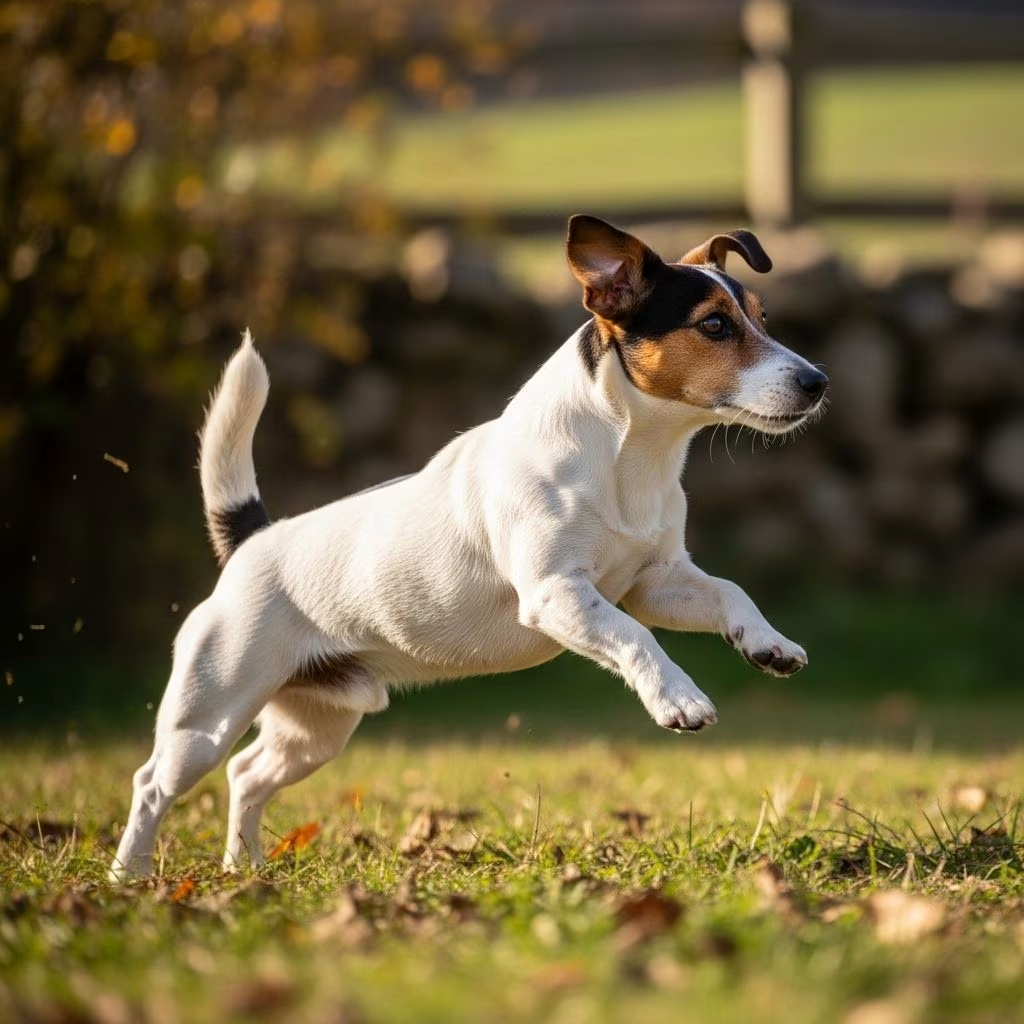
The Jack Russell Terrier’s lineage dates back to early 19th-century England, where Reverend John “Jack” Russell developed this breed for fox hunting. Their compact size, relentless drive, and distinctive white-and-tan coloring allowed them to bolt foxes from their dens while remaining easy to distinguish from their quarry.
Throughout decades, the breed maintained its focus as a working terrier. Bred to match the size of the red fox, the Jack Russell had to be small, fast, and fearless, excelling in agility and stamina. This working background remains central to their nature today.
Physical Characteristics
Size and Build
- Height: Typically 10–15 inches at the shoulder.
- Weight: 14–18 pounds, with body proportionate to height.
- The body is compact and sturdy, designed for maneuverability and endurance underground.
Coat Types
- Smooth: Short, dense coat that lies close to the body.
- Rough: Harsh, longer, and straight coat with distinct whiskers and eyebrows.
- Broken: A combination of both, often with longer hair on the face or tail.
Most Jack Russells are predominantly white (over 51% of their body), with markings in black, tan, or brown. This helped distinguish them from foxes during hunts.
Head and Face
- The head is flat between the ears, of moderate width, and narrows towards the muzzle.
- Eyes are almond-shaped, dark, and full of alert intelligence.
- Ears are small, V-shaped, and fold forward close to the head.
- Nose is always black.
Tail
The Jack Russell’s tail is set high, often carried upright when alert. Historically, tails were docked to allow for an easy grip during work, though this practice is less common today.
Jack Russell Terrier Temperament and Personality
The Jack Russell Terrier is defined by its boundless energy, curiosity, and drive to work. Key traits include:
- Intelligence: Exceptionally smart and quick learners, but also independent thinkers.
- Energy: Inexhaustible stamina. Without significant daily activity, they can become restless or destructive.
- Vocal: Prone to barking, especially when bored, excited, or alerting owners to perceived threats.
- Fearlessness: Bold and confident, never shy from a challenge.
- Assertiveness: Can be bossy or stubborn, requiring an owner who is consistent and firm yet positive.
- Working Instinct: Instinctively driven to chase and hunt small animals—this prey drive is deeply ingrained and cannot be fully suppressed.
This breed does well with experienced owners who thrive on activity and are committed to ongoing training and socialization.
Interaction with Family and Other Pets
- Best with older children; may not tolerate rough handling by younger kids.
- Can show aggression toward other dogs and small pets, especially those it perceives as prey.
- May coexist with other animals if raised together and socialized from a young age.
Living Needs and Ideal Environment
- Exercise Requirements: Needs vigorous daily activities such as walking, running, agility, or play—ideally at least 1-2 hours every day.
- Mental Stimulation: Boredom leads to unwanted behaviors. Puzzle toys, training sessions, and interactive games are a must.
- Space: Best in homes with a securely fenced yard. Not ideal for apartment living unless their exercise needs are rigorously met.
- Companionship: Enjoys the company of active families; not suitable for those away from home frequently.
Training the Jack Russell Terrier
While highly intelligent and eager, Jack Russells are known for their independent streak. Training success depends on consistency, patience, and positive reinforcement methods.
- Begin training and socialization early, ideally during puppyhood.
- Use short, engaging sessions to keep their attention.
- If left untrained and bored, Jack Russells may become destructive or even attempt to escape fenced yards.
- Participate in canine sports like agility, flyball, or obedience to channel their energy and intelligence.
Jack Russells challenge their owners mentally as much as physically and thrive when given a “job” to do.
Common Health Issues
The Jack Russell Terrier is a generally hardy breed, but like all dogs, is susceptible to certain hereditary conditions.
- Patellar Luxation: Dislocation of the kneecap, a common condition in small breeds.
- Legg-Calvé-Perthes Disease: Degeneration of the femoral head, leading to hip pain or limping.
- Deafness: More common in dogs with predominantly white coats.
- Eye Disorders: Including cataracts and lens luxation.
- Atopy: Allergic skin diseases may arise in some individuals.
Good breeders will screen for these issues, and regular veterinary check-ups are essential to maintain your Jack Russell’s health.
Grooming and General Care
Coat Maintenance
- Smooth coats require weekly brushing to remove loose hair and maintain condition.
- Rough and broken coats may need stripping several times a year to remove dead hair, plus regular brushing.
Other Care Essentials
- Routine bathing every couple of months or as needed.
- Periodic nail trimming to prevent splitting and overgrowth.
- Ear cleaning and dental care should be integrated into the regular grooming routine.
Feeding and Nutrition
Jack Russells thrive on a balanced, high-quality diet appropriate for their age, size, and activity level. Given their boundless energy, calorie needs can be higher than for other breeds of similar size, especially for working or highly active dogs.
- Split meals into two portions daily to maintain steady energy levels.
- Monitor weight carefully to avoid obesity, as the breed’s small frame can quickly show excess weight.
- Consult with your veterinarian for dietary recommendations specific to your dog’s age and activity level.
Breed Standard and Official Recognition
| Feature | Standard |
|---|---|
| Height at withers | 10–15 inches (JRTCA), 12–14 inches (AKC) |
| Weight | 14–18 lbs |
| Coat | Smooth, rough, or broken |
| Color | Predominantly white with black/tan/brown markings |
| Temperament | Bold, intelligent, energetic, and assertive |
The Jack Russell Terrier is recognized by multiple kennel clubs, with varying standards across the American Kennel Club (AKC) and Jack Russell Terrier Club of America (JRTCA). All emphasize their compact size, energetic nature, and working instincts.
Is the Jack Russell Terrier Right for You?
Before bringing a Jack Russell into your life, consider the following:
- Time and Activity: Are you able to commit to multiple daily exercise and play sessions?
- Experience: Have you handled strong-willed or high-energy breeds before?
- Other Pets: If you have small animals, can they be kept separate?
- Children: Are your children old enough to respect a smaller, assertive dog?
- Living Space: Do you have adequate room (and a secure yard) for an active dog?
If you’re an active, experienced dog owner seeking an intelligent, amusing, and always-on-the-move canine companion, the Jack Russell could be an ideal fit!
Frequently Asked Questions (FAQs)
Are Jack Russell Terriers good family pets?
Jack Russells can make wonderful companions for families with older children who understand and respect a dog’s boundaries. Early socialization is key for harmonious interactions.
How much exercise does a Jack Russell need?
These dogs need at least 1-2 hours of vigorous activity and mental stimulation each day to prevent boredom and discourage unwanted behaviors.
Can Jack Russells live with other pets?
Jack Russells have a strong hunting instinct and may chase small animals. Early socialization can help, but supervision is always required around smaller pets.
Are Jack Russells hard to train?
Their intelligence makes them trainable, but their independent nature requires patience, consistency, and positive reinforcement. Engaging, short training sessions work best.
What are common health risks for this breed?
Patellar luxation, Legg-Calvé-Perthes disease, deafness (especially in predominantly white dogs), and some hereditary eye conditions are most prevalent.
Why do Jack Russells dig?
Digging is instinctual. These terriers were bred to follow prey underground, and providing mental and physical activities can reduce unwanted digging in the garden.
Conclusion
The Jack Russell Terrier is not a typical lapdog—it’s a dynamic, fearless, and highly intelligent breed for those seeking adventure and an actively engaged pet. With proper training, plenty of exercise, and mental stimulation, they provide unwavering loyalty, entertainment, and companionship. For the right owner, their larger-than-life personality is a perfect match.
References
- https://www.akc.org/dog-breeds/russell-terrier/
- https://www.hillspet.com/dog-care/dog-breeds/jack-russell-terrier
- https://en.wikipedia.org/wiki/Jack_Russell_Terrier
- https://www.aspcapetinsurance.com/resources/russell-terrier/
- https://www.therealjackrussell.com/jrtca/standard.php
- https://www.youtube.com/watch?v=SHFFIF-GzNE