


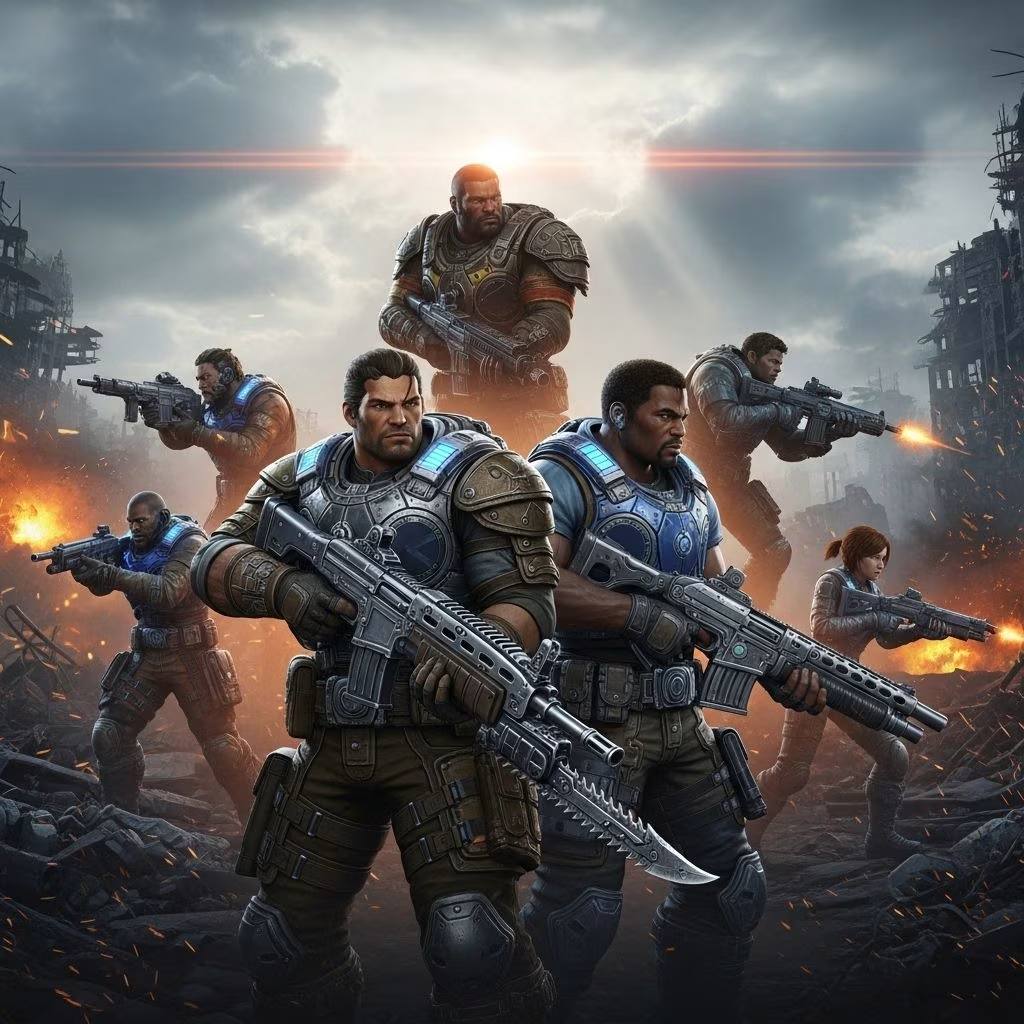
Gears of War Games in Order: Chronological and Release Date Guide
The Gears of War franchise is a cornerstone of modern gaming, best known for its intense third-person shooter action, gripping storylines, and memorable characters. With several core entries, spin-offs, and an ever-expanding universe, it can be challenging to decide where to start or how to experience the saga in the most impactful way. This guide organizes every major Gears of War game in both release order and chronological order, providing essential context, story highlights, and gameplay details for each title.
Why Play in Release Order?
Playing the Gears franchise in release order is generally the best way to experience the evolving gameplay mechanics, narrative twists, and character development. While the timeline occasionally jumps around, most players and experts agree that you get a fuller appreciation of lore and technology progression by following the original launch sequence.
Every main Gears title is available on modern Xbox consoles through backward compatibility and Game Pass, making it easier than ever to play the full saga.
Gears of War Games in Release Order
- Gears of War (2006)
- Gears of War 2 (2008)
- Gears of War 3 (2011)
- Gears of War: Judgment (2013)
- Gears of War 4 (2016)
- Gears 5 (2019)
- Gears Tactics (2020)
- Gears of War: E-Day (TBA)
Gears of War Games in Chronological Order
The Gears of War timeline is somewhat complex due to flashbacks, multiple campaigns, and overlapping story segments. Below is a chronological list of the main games, reflecting how their narratives fit within the saga’s internal universe.
- Gears of War: E-Day (TBA)
- Gears Tactics (2020)
- Gears of War: Judgment (2013)
- Gears of War (2006)
- Gears of War 2 (2008)
- Gears of War 3 (2011)
- Gears of War 4 (2016)
- Gears 5 (2019)
Overview of Each Gears of War Game
Gears of War (2006)
Setting: The conflict between humanity and the monstrous Locust Horde begins on the planet Sera. Players follow Marcus Fenix, a soldier tasked with leading the fight to save humanity. The game introduces cover-based shooting mechanics that revolutionized action games.
Why it matters: Sets the tone for the trilogy, introducing the central cast, the Locust threat, and Sera’s wartorn landscape.
Key gameplay features: Cover system, squad-based tactics, cooperative campaign.
Gears of War 2 (2008)
Setting: Picks up soon after the first game, with escalating war against the Locust. Marcus and Delta Squad dig deeper into the enemy’s underground world.
Major story moments: Explores personal loss, heroism, and changes to the Locust’s motives.
Key gameplay features: Larger battles, more varied environments, new weapons and enemy types.
Gears of War 3 (2011)
Setting: Concludes the original trilogy. Humanity faces a three-way struggle between the COG, the Locust Horde, and the mutated Lambent.
Major story moments: Emotional storyline features sacrifice, leadership struggles, and the fate of Marcus Fenix and his squad.
Key gameplay features: Four-player cooperative campaign, expanded multiplayer modes, new characters.
Gears of War: Judgment (2013)
Setting: Prequel, set years before the original trilogy. Follows Damon Baird and Augustus Cole as they are court-martialed during the early days of the Locust War.
Major story moments: Focuses on the defense of Halvo Bay, introduces new enemy types.
Key gameplay features: Mission-based structure, scoring system, alternate campaign (Aftermath) during Gears of War 3 timeline.
Gears Tactics (2020)
Setting: Set before the first main game, this tactical role-playing spin-off explores the origins of the COG’s struggle against the Locust.
Major story moments: Follows Gabe Diaz and his squad as they confront the mastermind behind the Locust Horde’s monstrous army.
Key gameplay features: Turn-based strategy, customizable squads, permadeath mechanics.
Gears of War 4 (2016)
Setting: Set 25 years after the original trilogy. Marcus Fenix’s son, JD Fenix, and his friends battle a new threat, the totalitarian COG regime and the reemergent Swarm (evolved Locust).
Major story moments: Explores generational trauma, introduces the “Swarm” as new primary antagonists.
Key gameplay features: Enhanced graphics, new characters, improved online play.
Gears 5 (2019)
Setting: Continues the story of JD Fenix’s friend, Kait Diaz. Kait investigates her heritage and uncovers shocking truths about the connection between her family and the Locust.
Major story moments: Focuses on identity, legacy, and the burden of leadership.
Key gameplay features: Expanded open-world segments, new multiplayer modes, improved cooperative play.
Gears of War: E-Day (TBA)
Setting: Announced as the next epic in the saga, E-Day chronicles the earliest moments of the Locust emergence, providing fans with long-awaited answers about the origins of the war.
Expected features: Next-gen visuals, fresh mechanics, deep narrative ties to the franchise’s lore.
Release date to be announced.
Comparison Table: Release Order vs. Chronological Order
| Game Title | Release Year | Chronological Position |
|---|---|---|
| Gears of War: E-Day | TBA | 1 |
| Gears Tactics | 2020 | 2 |
| Gears of War: Judgment | 2013 | 3 |
| Gears of War | 2006 | 4 |
| Gears of War 2 | 2008 | 5 |
| Gears of War 3 | 2011 | 6 |
| Gears of War 4 | 2016 | 7 |
| Gears 5 | 2019 | 8 |
Spin-Offs & Expanded Universe
- Gears of War: Ultimate Edition (2015): Remastered version of the original for updated consoles, with improved visuals and content.
- Gears Pop! (2019): Mobile strategy game featuring characters as Funko Pops; not included here as it doesn’t impact main story continuity.
- Books and Comics: The universe is expanded through novels and comics that fill story gaps, provide background to characters, and explore alternate perspectives.
Main Story Arcs and Themes
- Survival: Humanity’s fight against extinction, first versus the Locust, then the Lambent, and finally the Swarm.
- Legacy and Leadership: The series traces generational changes, leadership styles, and the psychological toll of constant war.
- Identity: Especially with characters like Kait Diaz, the narrative questions belonging and the burden of heritage.
Where to Play
All primary Gears of War games are available on Xbox consoles. Most entries can also be played on Windows PC. Backward compatibility on Xbox Series X|S and Game Pass support makes it easy to access the saga.
Frequently Asked Questions (FAQs)
Which order should I play the Gears of War games?
Most players recommend starting with the release order to get natural exposure to narrative changes and gameplay improvements. However, story purists may prefer the chronological order for a logical progression of events.
Are the spin-off games essential to the story?
Gears Tactics adds background to the origins of the Locust war, but playing only the numbered entries (and Judgment) will deliver the main saga without feeling lost.
Do I need to read the comics or novels?
Not required for understanding the main story, but fans seeking deeper lore and alternative viewpoints will find the comics and novels rewarding.
Is Gears of War suitable for all ages?
The games are rated for mature audiences due to violence, themes of war, and strong language.
Can I play all the games on modern hardware?
Yes. Xbox platforms offer backward compatibility for all main titles and Game Pass subscribers have access to the whole series.
Summary: The Complete Gears of War Experience
Whether you’re new to the saga or a longtime fan, using this guide to follow the entire Gears of War series—in release date or chronological order—will ensure you experience all pivotal story arcs, mechanical innovations, and character journeys. With new titles on the horizon and backward compatibility in place, there’s never been a better time to dive into Sera’s turbulent history and shape the fate of its heroes.
References
- https://www.trueachievements.com/news/gears-of-war-games-in-order
- https://www.space.com/gears-of-war-games-in-order
- https://en.wikipedia.org/wiki/Gears_of_War
- https://www.beyondvideogaming.com/en/timelines/gears-of-war-timeline-everything-in-chronological-order/
- https://thegameorder.com/gears-of-war-game-order/
- https://www.cheatcc.com/articles/the-complete-list-of-gears-of-war-games-in-chronological-release-order/
- https://gg.deals/franchise/gears-of-war/
- https://gg.deals/franchise/gears-of-war/playstation/
- https://gearsofwar.fandom.com/wiki/Timeline
- https://en.wikipedia.org/wiki/Gears_of_War_(video_game)
- https://gearsofwar.fandom.com/wiki/Gears_of_War_(franchise)
- https://answers.microsoft.com/en-us/xbox/forum/all/gears-timeline/7adfbb9f-975e-4628-97d8-0db9ec7e09ab
- https://news.xbox.com/en-us/2025/05/05/gears-of-war-reloaded-release-date/
- https://www.sportskeeda.com/esports/all-gears-war-games-order-chronological-release
- https://www.youtube.com/watch?v=KfcBNI7pQ00
- https://sportsrant.indiatimes.com/gaming/all-gears-of-war-games-in-release-order-from-original-to-eday-prequel-667936.html
- https://www.youtube.com/watch?v=2cp9AY5PQeQ


