Hamburg: Germany’s Undiscovered Gem
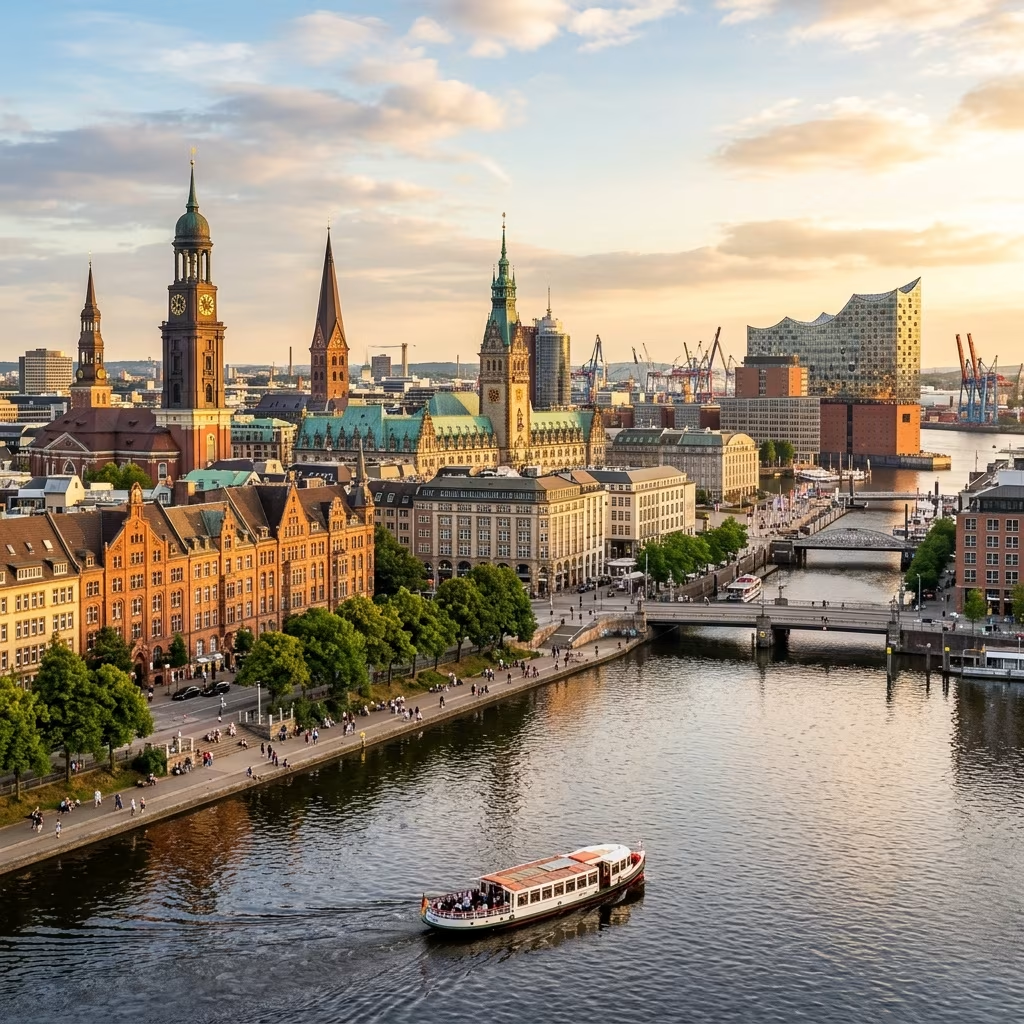
Though often overlooked by travelers, Hamburg shines as one of Europe’s most dynamic, atmospheric cities—melding centuries of maritime heritage with futuristic architecture, spirited neighborhoods, and a creative pulse uniquely its own. Germany’s second-largest city has been destroyed, rebuilt, reimagined, and revitalized, emerging from hardship as a beacon of innovation and culture on the Elbe River. Join us as we uncover the many dimensions of this vibrant port town, from tidal warehouses and historic migration to cutting-edge design and the legendary Reeperbahn.
The Rise, Fall, and Rebirth of Hamburg’s Port
Hamburg’s identity is inextricably linked to its status as a major port city, located about 60 miles from the North Sea but firmly anchored on the Elbe River. Once home to the third-largest seaport in the world, Hamburg’s fortunes rose on merchant trade, shipbuilding, and a storied role as a crossroads for people and goods. But history has not always been kind.
- 19th-century boom: Hamburg flourished as a key jumping-off point for European emigrants seeking new lives across the Atlantic, especially during the period from 1850–1930.
- World War II devastation: Fierce Allied bombings reduced much of the city center to rubble, crippling the commercial heart that had powered the city’s prosperity.
- Cold War stagnation: With trade to Eastern Europe cut off, Hamburg’s influence and maritime traffic dwindled, posing major challenges to recovery and relevance.
- Modern resurgence: Since reunification, strategic investment, visionary urban development, and a spirit of reinvention have once again established Hamburg as one of Europe’s busiest ports and most creative urban centers.
A Walk through the Waterfront: From Speicherstadt to HafenCity
The waterfront is Hamburg’s beating heart—ever evolving as shipping technology and the city’s ambitions change. Two areas, in particular, tell the story of Hamburg’s transformation:
- Speicherstadt:
The Historic Warehouse District
Distinguished by its monumental red-brick warehouses rising above the canals, Speicherstadt is the world’s largest contiguous warehouse complex. Today: - It’s a UNESCO World Heritage Site that blends industrial heritage with contemporary culture.
- The area now houses unique attractions: the International Maritime Museum, displaying artifacts from centuries of seafaring, and the family-friendly Miniatur Wunderland—the world’s largest model railway, re-creating landscapes from the Alps to the American West in intricate miniature detail.
- HafenCity:
Hamburg’s New Urban Quarter
One of Europe’s largest urban regeneration projects, HafenCity is ambitious in scope. Covering an area that enlarges downtown Hamburg by around 40%, its striking mix of glass, steel, and brick pays homage to the city’s industrial past while embracing a sustainable, modern future. Iconic landmarks include: - The Elbphilharmonie, a stunning concert hall perched above an old warehouse, capping the skyline with a wave-like flourish.
- Expansive riverside promenades lined with cafes, shops, and green spaces, perfect for a relaxed stroll with harbor views.
Hamburg’s Storied Past: Emigration, War, and Memory
Few cities so seamlessly combine joyous reinvention with deep engagement in their troubled histories. In Hamburg, poignant reminders of the past are never far from view.
The BallinStadt Emigration Museum
Between 1850 and 1930, millions of Europeans—Germans as well as Poles, Russians, and many others—departed for the New World from Hamburg’s bustling docks. The BallinStadt Emigration Museum brings these stories vividly to life, tracing routes, hardships, and the hopes of travelers whose journeys often began in the city’s Emigrants’ Halls, where they awaited passage across the Atlantic. Today, visitors to BallinStadt can:
- Walk through restored halls and immersive exhibits, seeing what life was like for the emigrants.
- Use interactive family history stations to search for ancestors who passed through Hamburg’s port.
- Reflect on the city’s role as both gateway and farewell point for generations in search of a better future.
World War II: Destruction and Commemoration
Hamburg’s cityscape still bears the scars—and the markers—of its tragic past during World War II. Bombing raids in 1943 devastated the city, with the firestorm claiming tens of thousands of lives and destroying historic districts. Yet even amid ruin, symbols of memory endure:
- St. Nicholas Church (Nikolaikirche): While much of the structure was reduced to rubble, the standing spire remains a powerful memorial. The ruins and its museum commemorate not only Hamburg’s losses but also the suffering inflicted by Germany across Europe, underscoring a message of reconciliation and remembrance.
- WWII Bunkers: Too solid to dismantle, massive concrete air-raid bunkers have been integrated into modern life—reimagined as music studios, dance clubs, parks, and even vibrant climbing walls. Few places better showcase the city’s ability to transform the vestiges of war into platforms for creativity and daily life.
Neighborhood Spirit: From Counterculture to the Reeperbahn
Hamburg’s urban fabric is stitched with neighborhoods that each project their own personality—never more so than in the Schanze quarter and the famous Reeperbahn.
Schanze Quarter: Bohemian Energy
Schanzenviertel, often simply called the Schanze, brims with youthful creativity and cosmopolitan attitude. What makes this district special?
- Laid-back, with an abundance of espresso bars and cafes—its main road has earned the nickname “Latte Macchiato Boulevard” for a reason.
- Streets are alive with musicians, artists, street murals, and dynamic nightlife, reflecting a tradition of counterculture and a spirit of inclusivity.
- Independent shops, pop-up markets, and parks give the district a local flavor far removed from chain stores or tourist gimmicks.
The Reeperbahn: From Sailors’ Haunt to Broadway of Germany
Few places in Germany are as famous—or notorious—as the Reeperbahn in Hamburg’s St. Pauli district. Traditionally the capital of sailors’ after-hours pleasures, the area has continually reinvented itself:
- Historic allure: Rope-making workshops for the shipping trade gave the Reeperbahn its name; soon enough, brothels, smoky taverns, and disreputable music halls swelled its reputation.
- The Beatles connection: In 1960, a little-known British band honed their musical chops here—The Beatles’ time in Hamburg’s clubs helped launch them to legend status.
- Modern transformation: While still home to a raunchy underbelly, the Reeperbahn now also sparkles as Germany’s musical theater avenue, often dubbed the “Broadway of Germany” for its array of playhouses, musicals, and live shows. Bold, brash, and endlessly entertaining, it attracts culture vultures and night owls alike.
Green Spaces, Lakes, and Urban Design
Hamburg isn’t just a city of bricks, ships, and neon. It’s also renowned for its lush green spaces, tranquil waterways, and thoughtful city planning. The Elbe and Alster rivers wind through the city, creating picturesque lakes and idyllic spots to recharge.
- Alster Lake: A peaceful urban oasis, perfect for sailing, kayaking, or simply strolling along tree-lined promenades.
- Planten un Blomen: An expansive park in the city center, beloved for its themed gardens, rare plant collections, and nightly summer water-light concerts.
- New embankments: With climate change driving concerns over sea level rise, Hamburg has fortified its city center with innovative embankments—doubling as parklands and festival spaces in fair weather, exemplifying the city’s fusion of safety, beauty, and forward-thinking design.
Modern Marvels: The Elbphilharmonie and Contemporary Architecture
Perhaps nothing embodies Hamburg’s transformation better than the Elbphilharmonie: a glass structure that captivates with its curving roofline, rising atop a historic warehouse. Opened in 2017, this architectural icon draws visitors not just for its world-class acoustics, but for its sweeping panoramic views of the city, harbor, and beyond.
Modern Hamburg is a showcase of:
- Striking contrasts between restored historic buildings and visionary new structures.
- Creative use of old industrial zones for cultural, residential, and commercial spaces.
- Commitment to sustainability, flexibility, and citizen engagement in urban planning.
Unforgettable Experiences: The Ultimate Hamburg Harbor Tour
No trip to Hamburg is complete without a harbor tour. These boat excursions offer an immersive look at:
- Mammoth container ships and the ongoing bustle of international trade.
- Ingenious locks, dry docks, and the intricate network of transport arteries.
- Views of the skyline, from historic steeples to the gleaming lines of the Elbphilharmonie and ultramodern office towers.
Harbor tours are available day and night, in all seasons, with options for small group tours, private charters, or classic steamboats. They deliver the best vantage point for understanding why Hamburger identity is forever tied to the water.
Table: Key Attractions and Experiences in Hamburg
| Attraction | Highlights | Location |
|---|---|---|
| Speicherstadt | Warehouse district, UNESCO World Heritage, Miniatur Wunderland, Maritime Museum | Downtown/Waterfront |
| Elbphilharmonie | Modern concert hall with city views, iconic architecture | HafenCity |
| BallinStadt Emigration Museum | Interactive exhibits, family history research, emigration history | Veddel (south of city center) |
| Reeperbahn | Nightlife, Beatles history, theaters, music venues | St. Pauli District |
| Planten un Blomen | Gardens, lakes, water-light concerts | City Center |
| Harbor Cruise | Boat tours, container port, city skyline | Port of Hamburg |
Frequently Asked Questions (FAQs)
Q: Why is Hamburg often called ‘undiscovered’ by travelers?
A: Many international tourists bypass Hamburg in favor of Berlin or Munich, yet the city offers a remarkable blend of vibrant culture, rich history, innovative architecture, and harbor-centric charm that makes it a hidden gem in northern Europe.
Q: What are the best neighborhoods to explore for nightlife and food?
A: The Schanze quarter is known for its eclectic bars, cafes, and relaxed creative vibe, while the Reeperbahn delivers world-famous nightlife, theaters, and live music venues. HafenCity also offers trendy restaurants amidst modern architecture.
Q: How can I experience Hamburg’s maritime heritage?
A: Explore the Speicherstadt warehouse district, visit the International Maritime Museum, and take a harbor cruise to witness Hamburg’s ongoing importance as a global trading port. Don’t miss the Elbphilharmonie for its unique harbor views.
Q: Is Hamburg family-friendly?
A: Absolutely. Attractions like Miniatur Wunderland, the BallinStadt Emigration Museum, and expansive parks such as Planten un Blomen make Hamburg an engaging destination for travelers of all ages.
Q: When is the best time to visit Hamburg?
A: While Hamburg is a year-round city, late spring through early fall offers pleasant weather for enjoying the city’s lakes, parks, and outdoor festivals. Winter adds festive markets and a cozy harbor ambiance to the experience.
Final Thoughts: A City Reborn
Hamburg is a city that honors its past while fearlessly embracing the future—a thriving port reinvented for a new era. Visitors are treated to an urban landscape where warehouses pulse with new life, history sparks reflection, and the beat of creative expression is felt around every corner. Whether you’re uncovering the remnants of WWII, tracing emigration stories, or losing track of time in a riverside cafe, you’ll find Hamburg to be every bit as rewarding—and surprising—as the more celebrated metropolises of Europe.
References
- https://www.ricksteves.com/watch-read-listen/read/articles/hamburg-germany-undiscovered
- https://www.ricksteves.com/watch-read-listen/video/tv-show/germany-hamburg
- https://www.youtube.com/watch?v=oCDkPmhbTs8
- https://www.ricksteves.com/europe/germany/hamburg
- https://community.ricksteves.com/travel-forum/germany/things-to-do-in-or-around-hamburg-germany-as-well-as-berlin-and-dresden
- https://www.ricksteves.com/watch-read-listen/read/articles
- https://www.travelagentcentral.com/destinations/rick-steves-hamburg-germany-at-its-modern-best