


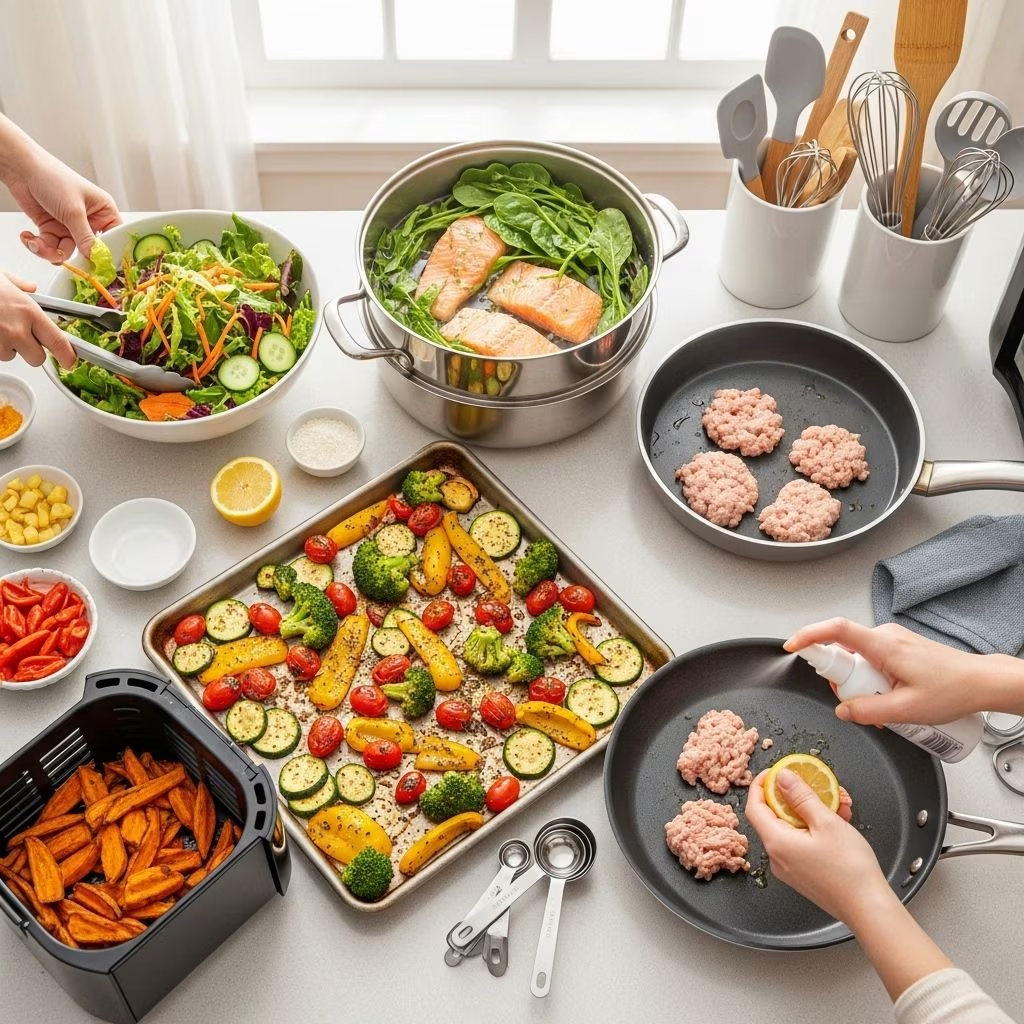
10 Calorie-Cutting Cooking Methods That Transform Everyday Meals
For many striving for healthier eating and weight loss, simply recalibrating how you cook everyday meals can make a measurable difference. Recent scientific findings and chef-approved techniques reveal that it’s possible to significantly reduce the calorie load of staple foods—often by 20%, 40%, or even up to 60%—with just a few easy changes in the kitchen. In this comprehensive guide, discover the science, the methods, and practical tips to enjoy your favorite meals with a leaner, healthier twist.
Introduction: Why Calorie-Cutting Matters
Calorie management remains a cornerstone of effective weight loss and healthy weight maintenance. While controlling how much you eat matters, how your food is prepared can dramatically affect the actual calories your body absorbs. The latest research shows that by using smarter cooking methods, you can:
- Reduce calorie content of meals without sacrificing volume or taste
- Increase overall food satisfaction and satiety
- Promote greater digestive and metabolic health
This article focuses on science-backed cooking techniques that you can use immediately, particularly for carbohydrate-rich staples most susceptible to hidden calories.
The Breakthrough: Cooking and Cooling Starches to Slash Calories
In an exciting development, scientists from Sri Lanka uncovered that you can cut the calories in rice by up to 50-60% just by changing your cooking protocol. The method is simple:
- Add a scant teaspoon of a healthy oil (like coconut or olive oil) into the boiling water for every ½ cup of uncooked rice.
- Use 1 cup of water per ½ cup of uncooked rice and cook as usual.
- Once cooked, place the rice in the refrigerator overnight. Cooling the rice is crucial.
- Reheat and enjoy—but with substantially fewer absorbable calories.
According to Sudhair James, the researcher behind this method, this trick increases the rice’s content of resistant starch (RS)—a form of carbohydrate your small intestine can’t readily digest or convert into calories. Even when you reheat the rice, the calorie-reducing effect persists.
Why Does This Work?
- Cooking with oil changes the molecular structure of rice’s starch, making more of it resistant to digestion.
- Cooling lets the starch molecules “retrograde,” becoming even less digestible and lower in available calories.
In tests, improved-yield rice varieties cooked by this method had 10-12% fewer calories, while traditional varieties—especially red rice—may see a calorie cut of up to 60%.
Other Calorie-Cutting Cooking Techniques
The benefits of this approach aren’t limited to rice. Extending this logic, several other healthy cooking methods can help you routinely reduce calories:
- Steaming, boiling, poaching, and stewing instead of deep-frying or pan-frying.
- Roasting without added fat or using low-calorie sprays rather than oils and butters.
- Grilling or broiling to allow fat to drip away from meat and vegetables.
- Choosing tomato-based sauces and broths over cream-based or cheese-heavy sauces to shave off unnecessary calories.
- Cooking with whole fruits and vegetables to increase the fiber and water content, reducing calorie density.
Let’s look at a comparative table of calorie-saving swaps for common kitchen methods:
| Traditional Cooking | Calorie-Smart Alternative | Potential Calorie Savings |
|---|---|---|
| Frying rice with oil or butter | Oil + boil + chill method | Up to 60% |
| Deep-fried potatoes | Boiled, cooled, then roasted potatoes | Up to 40% |
| Creamy pasta sauces | Tomato-based sauces with added veg | 10-30% per serving |
| Full-fat meats (with skin on) | Skinless lean cuts, grilled or broiled | Up to 30% |
Method in Action: How It Works for Pasta, Beans, and Potatoes
The cooking-and-cooling technique applies to other carbohydrate staples as well. Studies have shown that pasta, beans, oats, and potatoes all develop significantly more resistant starch after they’re cooked, chilled, and then reheated—even more so if a bit of fat is present.
Step-by-Step Example: Lower-Calorie Potatoes
- Boil potatoes until tender. Add a dash of healthy oil if desired.
- Drain and cool completely in the fridge, preferably overnight.
- When ready to serve, reheat the potatoes using your preferred method (roasting, microwaving, or sautéing lightly).
The result: A side dish that delivers the same fullness but with far fewer calories. The process works with:
- Oats for overnight oats (soak, chill, then eat cold or reheat gently)
- Beans in salads (cook, cool, then toss with other ingredients)
- Pasta salads (boil, drain, rinse, cool, and serve cold or reheated)
Benefits Beyond Calories: Why Resistant Starch Is a Game Changer
Resistant starch is not just about calorie reduction—it’s a powerhouse for overall digestive and metabolic health. According to research:
- Controls blood sugar: As it resists digestion, less glucose is released into your bloodstream, leading to steadier energy and better insulin sensitivity.
- Promotes gut health: Resistant starch acts as food for healthy gut bacteria, improving digestion and supporting a robust microbiome.
- Enhances satiety: Meals higher in resistant starch promote a greater sense of fullness, helping control overeating later in the day.
- May aid fat burning: Early studies connect resistant starch intake with increased fat oxidation and improved weight loss.
For calorie-conscious cooks, building these ingredients and methods into your regular routine pays dividends beyond the number on your food scale.
Practical Tips for Calorie Cutting at Home
Implementing these calorie-cutting cooking methods is straightforward. Here’s how to make them work in a busy home kitchen:
- Batch cook and chill: Prepare larger pots of rice, beans, or pasta in advance, and store portions in the fridge to boost resistant starch.
- Use healthy oils in moderation: For the oil-chilling method, choose coconut or extra-virgin olive oil for added health benefits—but stick to about 1 teaspoon per ½ cup raw ingredient.
- Embrace leftovers: Chilled and reheated grains and starchy veggies are often tastier, more resistant to over-digesting, and easier to portion control.
- Swap creamy, cheesy sauces for tomato or vegetable-based alternatives to keep calories in check while increasing nutrients.
- Try different grains: Traditional and heritage rices, especially red or black varieties, can see the largest calorie drop with the oil-cool-reheat method.
Sample Daily Meal Plan Using Calorie-Cutting Methods
- Breakfast: Overnight chilled oats with berries and a teaspoon of coconut oil.
- Lunch: Bean salad with chilled, boiled potatoes and mixed vegetables, dressed in olive oil and lemon.
- Dinner: Stir-fry with cooled rice, lean grilled chicken, and plenty of vegetables, tossed in a tomato-based sauce.
Frequently Asked Questions (FAQs)
Q: Does this method really cut calories in rice and starches by 50%?
A: According to Sri Lankan research presented at the American Chemical Society, cooling and oil-treating select rice varieties can cut calorie absorption by 10-60%, depending on the rice. More traditional varieties, such as red rice, show the greatest benefit.
Q: Is chilled or reheated rice less safe?
A: As long as you refrigerate rice promptly after cooking and reheat it thoroughly before eating, safety is maintained. Always avoid letting cooked rice sit at room temperature for long periods to prevent food-borne illness.
Q: Will the taste or texture change if I use these methods?
A: Most people report no major flavor difference, though rice or potatoes may feel slightly firmer or chewier after chilling and reheating—a texture many actually enjoy.
Q: Can I use this method with whole wheat pasta?
A: Yes, the technique works with any grain-based starch—regular or whole grain.
Q: What is the biggest health benefit aside from calorie cutting?
A: Increasing resistant starch not only reduces net caloric intake but also supports a healthier gut, steadier blood sugar, and longer-lasting fullness after meals.
Key Takeaways
- Adding a little healthy oil, then cooling and reheating rice or starchy foods, can cut their calorie impact by up to 60%.
- Steaming, boiling, baking, and using tomato-based sauces instead of frying or creamy dressings also lower calorie density.
- These easy techniques can lower daily calorie intake, boost gut health, and keep you fuller for longer—all with everyday ingredients and minimal extra effort.
References
- https://www.healthline.com/nutrition/35-ways-to-cut-calories
- https://pmc.ncbi.nlm.nih.gov/articles/PMC3035041/
- https://www.prevention.com/weight-loss/a20451861/calorie-cutting-cooking-methods/
- https://www.eatforhealth.gov.au/eating-well/tips-eating-well/low-fat-cooking-techniques
- https://www.cdc.gov/healthy-weight-growth/healthy-eating/cutting-calories.html
- https://health.osu.edu/wellness/exercise-and-nutrition/cooling-pasta-changes-starch


