


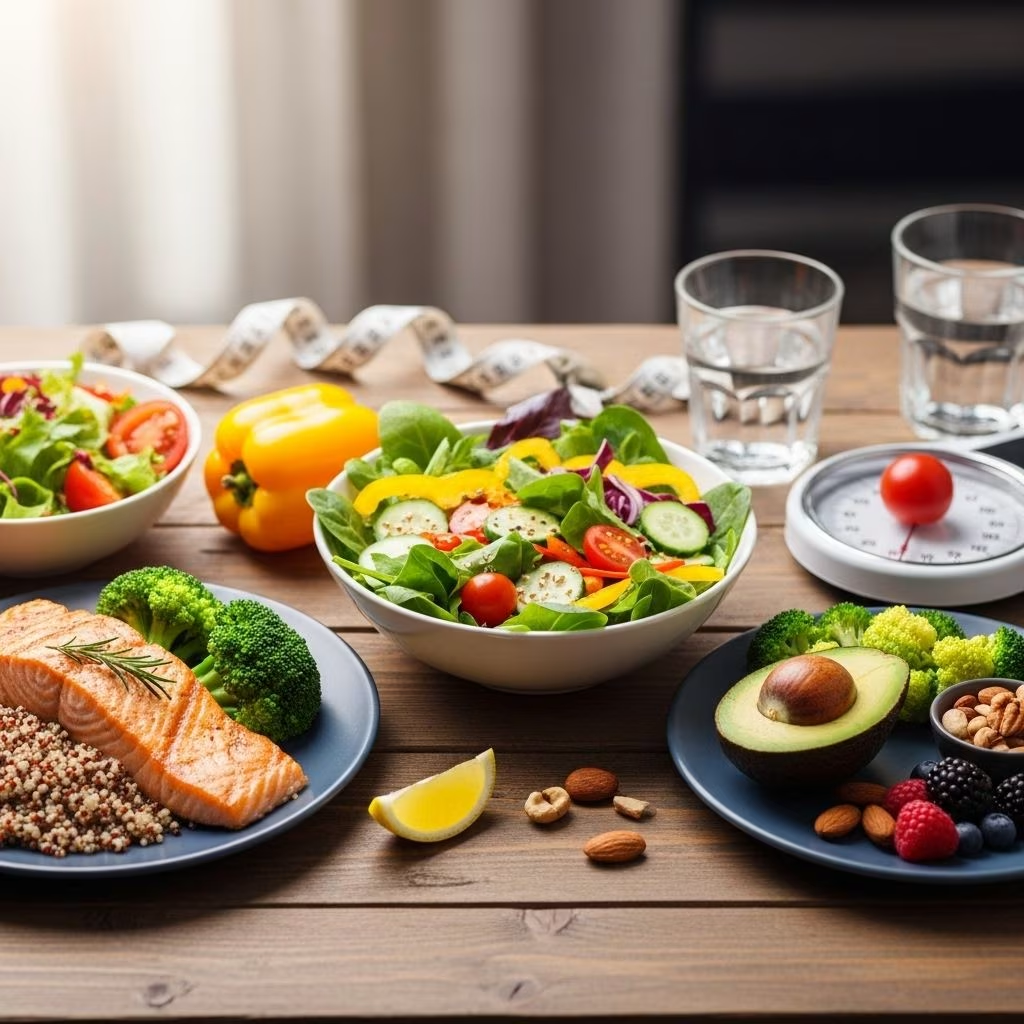
Losing weight, improving health, and boosting confidence are goals that millions set each year. The world of diet plans is vast, with promises ranging from rapid weight loss to lasting lifestyle transformation. This comprehensive guide explores leading weight loss diets, reveals the science behind each approach, and offers expert guidance for long-term, healthy results.
Why Weight Loss Diets Matter
While not every eating plan is right for everyone, understanding the benefits and limitations of top weight loss diets can empower you to make informed, sustainable choices. Successful weight loss is not just about dropping pounds—it’s about supporting your body with the nutrients it needs and establishing patterns for lifelong health.
Top Science-Backed Weight Loss Diets
Below, we cover some of the most well-regarded weight loss diets, each with its unique balance, structure, and evidence of effectiveness.
Mediterranean Diet
Overview: Inspired by the eating habits of people from countries bordering the Mediterranean Sea, this diet emphasizes whole foods, healthy fats, and balanced portions.
- Eat plenty of fruits and vegetables, whole grains, olive oil, nuts, beans, and seeds
- Incorporate fish and seafood twice weekly
- Limit red meat; choose poultry and eggs in moderation
- Minimize added sugars and highly processed foods
Benefits: Clinical research links this diet to heart health, lower risk of diabetes, improved brain function, reduced inflammation, and healthy weight loss because of its nutrient-dense, minimally processed composition.
DASH Diet (Dietary Approaches to Stop Hypertension)
Developed to fight high blood pressure, the DASH diet also lends itself to weight management and overall wellness.
- Focuses on fruits, vegetables, whole grains, lean proteins, and low-fat dairy
- Emphasis on reduced sodium intake (1,500–2,300 mg daily)
- Limits red meat, sweets, and sugary drinks
Evidence: Research shows it supports heart health, blood pressure control, and may aid in gradual, sustainable weight loss—especially when combined with increased physical activity.
Flexitarian Diet
Philosophy: A mostly plant-based approach allowing for flexible, occasional inclusion of meat or animal products.
- Plant proteins (beans, lentils, tofu) as centerpieces
- Loads of fruits, vegetables, and whole grains
- Minimal processed foods or heavily refined grains
Benefits: Flexibility improves adherence and satisfaction—crucial for long-term weight loss. It delivers many of the benefits of vegetarian diets without total restriction.
Intermittent Fasting
Rather than dictating what you eat, intermittent fasting focuses on when you eat. Several popular approaches include:
- 16:8 Method: Eight-hour eating window, sixteen-hour daily fast
- 5:2 Diet: Normal diet five days a week, limited calories on two non-consecutive days
- Eat Stop Eat: One or two full-day fasts weekly
- Warrior Diet: 20-hour fast each day, with one main meal at night
Is it Effective? Extensive research suggests weight loss results from intermittent fasting are comparable to traditional calorie-restricted diets, with additional potential benefits for insulin sensitivity and metabolic health.
WW (Formerly Weight Watchers)
WW assigns point values to foods based on nutritional content, guiding users to healthier choices and controlling portions with flexibility. Members track food, activity, and weight using an easy-to-follow system and supportive online community.
- Focuses on lifestyle change rather than restrictions
- Encourages balanced meals and smart indulgences
- Effective for both weight loss and maintenance
Benefits: Personalization, accountability, and ongoing support have made WW one of the longest-standing weight loss programs with documented success.
Low-Carb and Ketogenic Diets
Low-Carb: Reduces carbohydrate intake significantly, focusing on proteins and non-starchy vegetables to promote fat loss.
Keto: An extreme form of low-carb, extremely limiting carbs (usually under 50g/day) to induce ketosis—a metabolic state where the body burns fat for energy.
- Pros: Weight loss can be rapid initially; may help control appetite
- Cons: Missing out on fiber, vitamins, and minerals; potential for increased cholesterol in some people
Short-term studies show notable weight loss, especially in the early stages, but long-term health effects and sustainability remain unclear for many individuals.
Plant-Based, Vegan, and Vegetarian Diets
- Vegetarian: Excludes meat, but may include eggs and dairy
- Vegan: Omits all animal products
- Benefits: May reduce risk of chronic diseases, support healthy weight loss, and increase fiber and phytonutrient intake
Considerations: Nutrient intake must be monitored—especially for protein, B12, iron, omega-3 fatty acids, and calcium.
How to Choose the Best Diet for You
No single diet works for everyone. When selecting a plan for weight loss, consider these key guidelines:
- Diversity and Nutrient Density: Opt for entire food groups, with a mix of proteins, complex carbs, and healthy fats.
- Sustainability: The best diet is one you can maintain for life.
- Medical Needs: Consult your healthcare provider for any preexisting conditions (e.g., diabetes, heart disease).
- Flexibility: Occasional indulgences make long-term adherence much more likely.
- Avoid Extreme Restriction: Highly limiting diets can trigger deficiencies and sabotage metabolism.
Common Red Flags: Diets to Be Wary Of
- “Detox” and Cleansing Diets: These often rely on unproven supplements and can cause dehydration, digestive issues, and loss of vital nutrients. The body naturally detoxifies itself through the liver, kidneys, and skin when nourished with whole foods.
- Very Low-Calorie Diets: Drastic calorie cuts may lead to “starvation mode”—resulting in muscle loss, metabolic slowdown, and rebound weight gain.
- Over-reliance on “Diet” Products: Foods low in fat and artificial sweeteners often fail to offer satiety or health benefits, and can lack fiber and micronutrients.
- Banned Entire Food Groups: Long-term restriction of whole grains, fruits, or any macronutrient can result in nutritional gaps and increased cravings.
The Truth About Ultra-Processed Foods
Not all calories—and not all foods—are created equal. The degree of food processing can greatly impact metabolism, appetite, and weight-loss results.
- Whole and minimally processed foods support satiety and metabolic health
- Ultra-processed diets are linked to higher calorie intake, less fat loss, more cravings, and increased risk of sleep problems, fatigue, and digestive issues
- Opting for minimally processed foods can nearly double fat loss compared to ultra-processed options—even when total calories are similar
Tips for Sustainable Weight Loss
Beyond choosing the right diet, certain lifestyle tweaks can substantially improve your chances of losing weight and keeping it off:
- Prioritize Whole Foods: Fill your plate with fresh vegetables, fruits, whole grains, lean proteins, and good fats
- Avoid Sugary Drinks: Ditch sodas, sweet teas, and sweetened coffees for water or herbal teas
- Increase Physical Activity: Aim for at least 150 minutes of moderate exercise per week (walking, biking, strength training)
- Stay Hydrated: Drink water throughout the day to boost metabolism and decrease unnecessary snacking
- Get Adequate Sleep: Quality rest supports hormone balance and appetite control
- Plan for Imperfection: Allow room for occasional treats to prevent feelings of deprivation and guilt
- Find Support: Professional guidance, friends, or support groups increase your chances of lasting change
Comparing Popular Diets: Benefits and Drawbacks
| Diet | Emphasis | Main Benefits | Potential Drawbacks |
|---|---|---|---|
| Mediterranean | Whole foods, healthy fats, variety | Heart health, sustainable, flexible | May be harder for those who dislike seafood/plant foods |
| DASH | Low sodium, high produce | Heart health, blood pressure, gradual weight loss | May feel restrictive due to sodium limits |
| Intermittent Fasting | Meal timing | Simplifies eating, similar results to calorie restriction | Not ideal for those with some health conditions |
| WW (Weight Watchers) | Portion control, point system | Support, personalization, balanced meals | Tracking may get tedious for some |
| Low-Carb/Keto | Very low carbs, high fat/protein | Quick initial weight loss, appetite control | Nutrient gaps, hard to maintain, high saturated fat |
| Plant-Based | Fruits, veggies, legumes, whole grains | Lower chronic disease risks, high fiber | Must plan for protein and vitamins |
Frequently Asked Questions (FAQs)
Q: Can I lose weight on any diet if I reduce calories?
A: Most reliable research confirms that calorie deficit (burning more than you consume) is necessary for weight loss. However, the quality and composition of your calories strongly influence how easy it is to stick to your plan, how you feel, and your overall health.
Q: Do “detox” or “cleanse” diets work?
A: No sound scientific evidence supports claims that detox diets accelerate weight loss or remove toxins beyond what your liver and kidneys naturally manage. These diets can deprive your body of essential nutrients and water, sometimes causing more harm than good.
Q: Is intermittent fasting better than calorie restriction for weight loss?
A: Studies indicate that intermittent fasting offers similar weight loss results as calorie restriction. Its primary advantage is simplicity, but it does not confer superior weight loss benefits by itself.
Q: Should I completely avoid carbohydrates?
A: Not necessarily. Carbohydrates are an important energy source, especially from whole grains, fruits, and vegetables. Severely restricting carbs can lead to nutrient deficiencies and is often unsustainable long-term for most people.
Q: How can I avoid regaining weight?
A: Focus on gradual changes, ensure ongoing support, plan regular physical activity, and choose dietary habits you can maintain. Extreme or very restrictive diets greatly increase the risk of weight regain.
Key Takeaways
- There is no “one size fits all” diet. Success comes from balance, sustainability, and overall nutrient quality.
- Avoid extreme diets and instead focus on whole, minimally processed foods, physical activity, and supportive habits.
- Flexibility and enjoyment are important. A healthy eating plan allows for the occasional treat and fits your lifestyle.
Consult with a registered dietitian or healthcare provider before making significant dietary changes, especially if you have any underlying medical conditions. Personalization, patience, and ongoing support are your allies on the journey to healthy, lasting weight loss.
References
- https://www.prevention.com/weight-loss/diets/a63174975/best-diets-for-weight-loss-2025/
- https://www.prevention.com/weight-loss/a20500235/intermittent-fasting/
- https://www.prevention.com/food-nutrition/healthy-eating/a65664887/ultra-processed-foods-weight-loss-gut-health-study/
- https://www.prevention.com/weight-loss/diets/a60578947/how-to-lose-weight-fast-safely/
- https://www.prevention.com/weight-loss/
- https://www.prevention.com/weight-loss/diets/
- https://www.prevention.com/weight-loss/diets/a20718413/apple-cider-vinegar-for-weight-loss/
- https://www.prevention.com/weight-loss/a30188568/lose-weight-without-exercise-0/
- https://www.prevention.com
- https://www.prevention.com/weight-loss/a20501539/how-to-maintain-weight-loss/


