


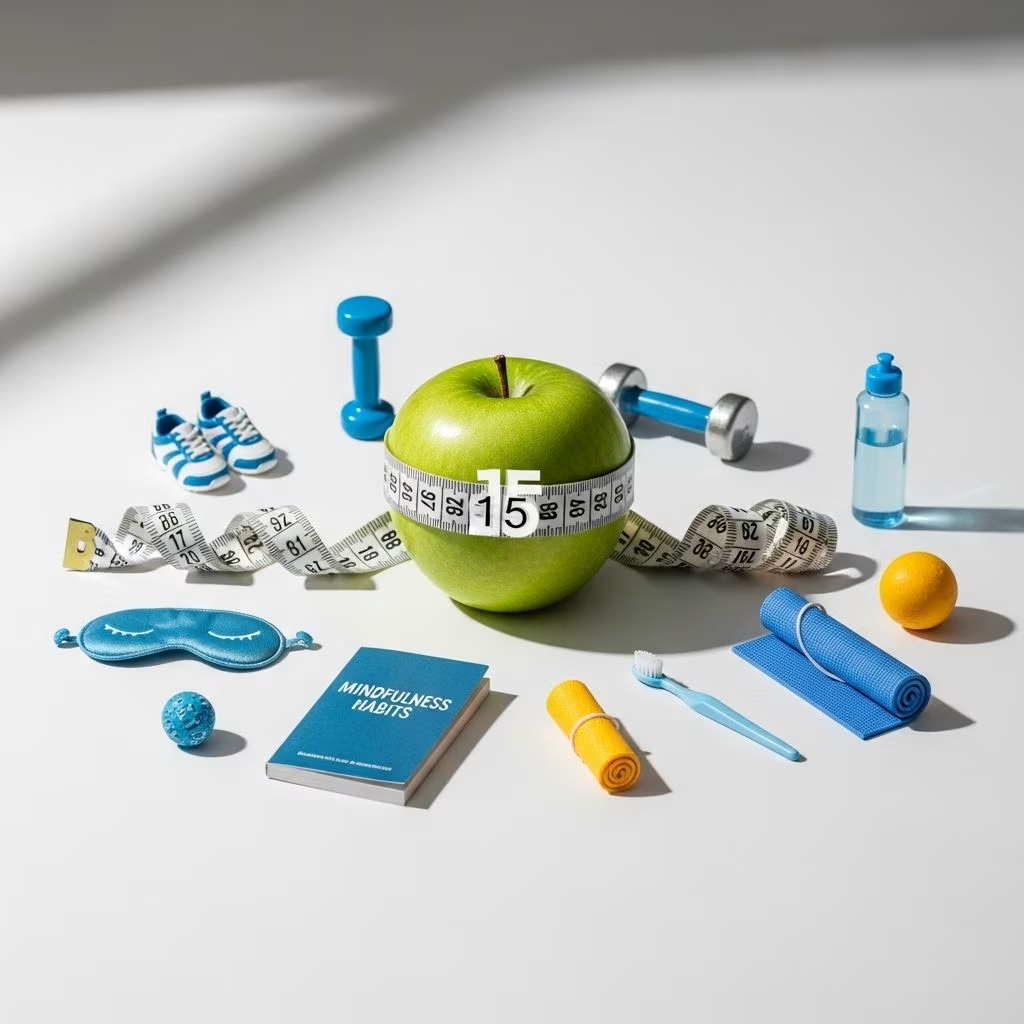
Losing weight does not have to mean following restrictive diets or enduring complicated meal plans. The truth is, sustainable weight loss is built on small, smart habits that gently nudge your body toward a healthier state, day by day. If you’ve been looking for a way to shed pounds without obsessing over calories or giving up your life’s pleasures, these expert-backed tweaks could help you lose up to 15 pounds—without a formal “diet.” Here’s what you need to know, along with practical steps anyone can implement.
Why Mindless Habits Matter More Than Diets
Most diets fail because they force rigid rules and deprivation, making them hard to stick with for the long term. By contrast, subtle but persistent changes to your daily habits and environment can help you eat less, move more, and foster fat loss almost “behind the scenes.” These tips are rooted in nutrition science, behavioral psychology, and evidence from real-life success stories.
1. Downsize Your Dinnerware
Portion control is one of the simplest methods to cut calories—no math or willpower needed. Opt for smaller plates and bowls. Studies show that eating from a 10-inch plate instead of a 12-inch one can reduce your intake by up to 22% because your brain perceives a full small plate as a satisfying meal, while a larger plate makes the same portion feel skimpy.
- Use your fist to estimate a cup-sized portion of carbohydrates or vegetables.
- Your palm is a perfect size guide for a serving of lean protein.
- Switching to smaller utensils and glasses can help, too.
2. Never Skip Meals—Especially Breakfast
Skipping meals seems like a shortcut to weight loss, but it usually backfires. Prolonged gaps between meals leave you ravenous, making it easy to overeat or reach for unhealthy snacks later. Instead, focus on fueling yourself with three balanced meals per day, spaced predictably. This stabilizes blood sugar and helps keep cravings in check.
3. Hydrate Like You Mean It
Drinking water before meals and throughout the day can blunt hunger and help you naturally eat fewer calories. Sometimes, thirst mimics hunger and causes unnecessary snacking. Aim for at least eight cups of water per day and consider drinking a full glass 30 minutes before each meal. Bonus: Swapping sugary beverages for water can sharply reduce your total calorie intake.
- Carry a refillable water bottle with you as a reminder.
- Try unsweetened herbal tea if you want variety.
4. Eat Mindfully, Not Mechanically
Eating on autopilot—standing up, driving, watching TV—makes it nearly impossible to recognize how much you’re eating. Practicing mindfulness at meals helps you tune into true hunger and fullness cues. Sit down, slow down, and savor each bite. This makes food more satisfying and reduces overeating.
- Put away screens or devices during meals.
- Chew food thoroughly and set utensils down between bites.
- Check in with your hunger at the halfway point of your plate.
5. Bulk Up on Vegetables First
Vegetables are high in fiber and water but low in calories, making them the perfect food to fill up on before you reach for more calorie-dense options. Start lunches and dinners with a salad or a broth-based vegetable soup to take the edge off your appetite.
- Always make half your plate non-starchy vegetables.
- Keep prepped veggies available for snacks.
6. Make Protein the Star of Every Meal
Protein is more satiating than carbohydrates or fat, so prioritizing lean proteins like chicken, fish, eggs, beans, or tofu can help you feel fuller, longer. This reduces the urge to snack or go back for seconds. Spread your protein intake evenly across meals for best results.
- Aim for about 20-30 grams of protein at each meal.
- Include Greek yogurt, cottage cheese, or nuts as high-protein snacks.
7. Ditch Calorie-Laden Drinks
Beverages don’t trigger fullness in the same way as solid food, so calories from soda, sweetened coffee, alcohol, or juice often go unnoticed. Eliminating or reducing these drinks is an effortless way to drop pounds. Replace them with sparkling water, flavored water, or unsweetened tea as satisfying alternatives.
8. Brush Your Teeth Right After Dinner
Brushing your teeth signals that you’re done eating for the night. This simple trick makes you less likely to grab a late-night snack and helps draw a firm line under the day’s calorie intake.
- Chew sugar-free gum if you crave something sweet late at night.
9. Sleep More—and Sleep Better
Poor sleep throws hunger hormones out of balance, increasing cravings and making it harder to resist junk food. Strive for 7 to 9 hours of quality sleep per night. Good sleep reduces stress and prevents emotional eating, both of which are critical for weight loss.
- Maintain a regular bedtime and waking schedule—even on weekends.
- Minimize exposure to blue light from screens before bed.
10. Put Food Away After Serving
Leaving serving dishes on the table encourages mindless second helpings. Instead, transfer food to plates in the kitchen, then put leftovers out of sight. Out of sight really is out of mind when it comes to calories.
11. Keep Unhealthy Foods Out of Sight
Environmental cues have a huge impact on what and how much we eat. Keep temptation to a minimum by storing treats and snacks out of reach or out of immediate view. Keep fresh fruit or pre-cut veggies front and center in the fridge instead.
12. Practice the 80/20 Rule
Perfection isn’t the goal. Aim to make healthy choices 80% of the time, and allow yourself moderate indulgences the rest of the time. Deprivation often leads to bingeing; gentle flexibility can keep you resilient and motivated in the long run.
13. Eat More Slowly
Your brain takes about 20 minutes to register fullness. Eating more slowly not only helps you enjoy your food, but also gives your body time to signal that you’ve had enough—often before you finish your plate.
- Put down your fork between bites.
- Try to make meals last at least 20 minutes.
14. Don’t Let Boredom Trigger Eating
Many people eat when they aren’t hungry—simply because they’re bored, stressed, or anxious. Before reaching for a snack, ask yourself if you’re truly hungry or just looking for distraction. Find other fulfilling activities, like a walk, hobby, or phone call, instead of turning to food.
15. Focus on Progress, Not Perfection
Weight loss is not a straight line—there will be plateaus, holidays, and off days. The key is to keep going and let small slips slide. Each healthy habit you adopt is progress, and every bit counts toward gradual, sustainable weight loss.
Frequently Asked Questions
How much weight can I lose using only these lifestyle tweaks?
Results will vary by individual, but consistently practicing these strategies can help you lose up to 15 pounds over several months, according to behavioral nutrition research. The speed of weight loss depends on factors like starting weight, baseline habits, and metabolic rate.
Do I really not have to diet or exercise?
While you don’t need to follow a formal diet or intense workout routine, making healthy food choices and staying active in daily life will boost your results. Even simple movement, like brisk walking or household chores, can increase calorie burn and support weight loss without structured workouts.
What if I hit a plateau?
Plateaus are normal as your body adapts. Re-examine your habits: Are portions gradually increasing? Are old snacks creeping back in? Try adjusting one or two habits—such as tracking liquid calories or increasing vegetable servings—to break through.
Is it safe to lose 15 pounds this way?
Losing weight gradually through sustainable habits is generally safer and easier to maintain than rapid diet-induced weight loss. If you have any health conditions, consult a healthcare professional before starting any new weight loss plan.
Why not rely on weight loss drugs or crash diets?
Quick fixes like crash diets or weight loss drugs can produce rapid initial results but often result in muscle loss, nutrient deficiencies, and rapid regain. These lifestyle changes foster lasting, healthy weight management with fewer risks.
Bonus Tips for Weight Loss Success Without Dieting
- Meal prep: Cook in bulk and use healthy leftovers for lunches.
- Accountability: Track your habits in a journal or app to stay mindful.
- Support: Share your goals with friends or find a community for encouragement.
- Non-scale victories: Celebrate improvements in energy, sleep, or mood—not just the number on the scale.
Table: Quick Comparison—Dieting vs. Lifestyle Tweaks
| Dieting | Lifestyle Tweaks |
|---|---|
| Strict food rules | Small, flexible changes |
| Calorie counting | Mindful eating habits |
| Short-term results | Sustainable progress |
| Deprivation | Pleasure and satisfaction |
| Risk of regain | Lasting weight loss |
Conclusion: A Fitter, Lighter Life—No Diet Needed
Shedding 15 pounds does not require white-knuckle willpower or trendy diets. Instead, a handful of science-backed tweaks—practiced consistently—can transform your eating habits, boost your well-being, and make weight loss feel nearly effortless. Embrace these changes at your own pace. In the end, it’s not about perfection, but progress. You might just find that losing weight can fit right into your life—enjoyably and for good.
References
- https://www.prevention.com/weight-loss/a44675833/how-to-lose-15-pounds-in-a-month/
- https://www.prevention.com/weight-loss/a30188568/lose-weight-without-exercise-0/
- https://www.prevention.com/weight-loss/g20475674/secrets-to-losing-20-pounds/
- https://www.prevention.com/weight-loss/diets/a60578947/how-to-lose-weight-fast-safely/
- https://www.prevention.com/weight-loss/g20487308/how-to-stop-losing-and-gaining-the-same-10-pounds/
- https://www.prevention.com/weight-loss/
- https://www.prevention.com/weight-loss/a20500284/this-woman-lost-15-pounds-by-exercising-only-10-minutes-a-day/
- https://www.prevention.com/weight-loss/g20498928/mistakes-that-sabotage-weight-loss/
- https://www.cdc.gov/healthy-weight-growth/losing-weight/index.html


