


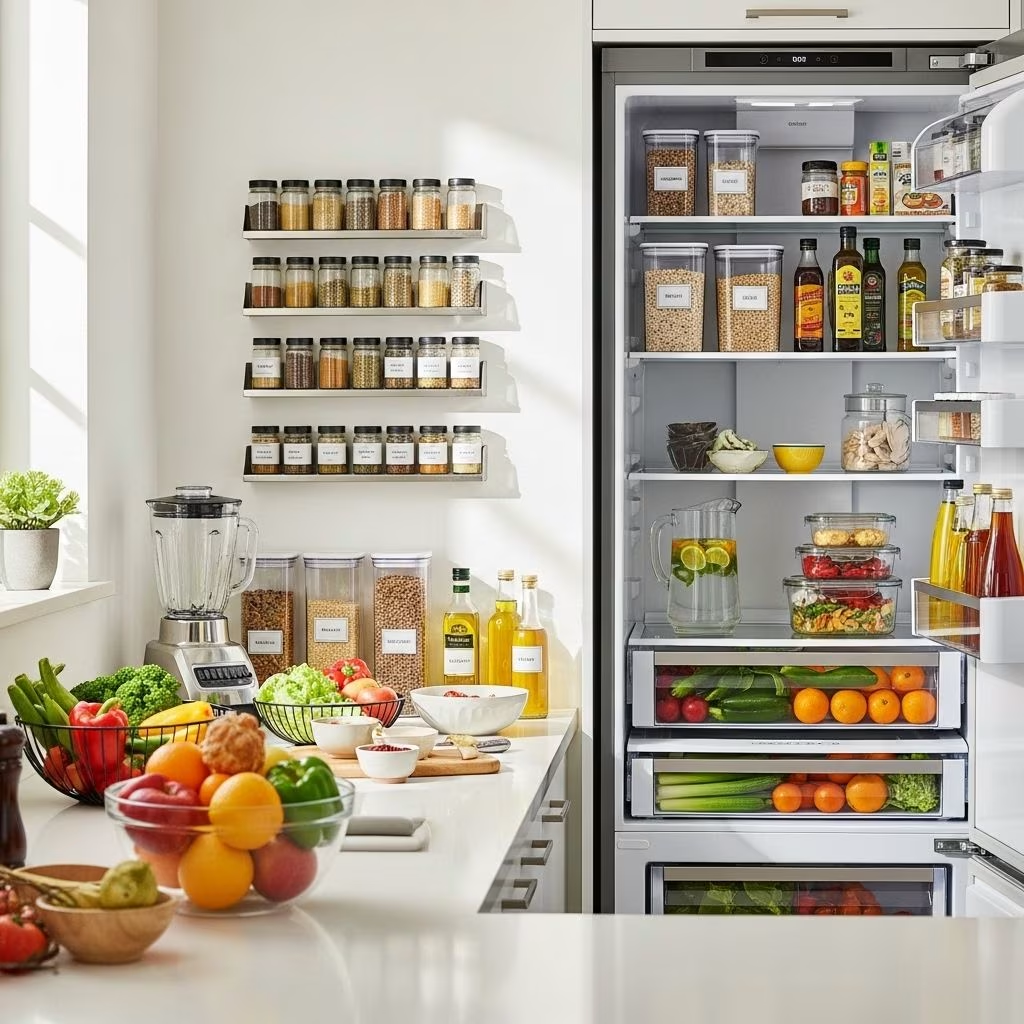
Organize Your Kitchen for Lasting Weight Loss Success
If you’re striving to shed pounds and keep them off, the design and organization of your kitchen might make a surprising difference. Scientific research and expert advice reveal that the way food and equipment are stored in your kitchen can have a significant impact on your eating behaviors and, ultimately, your weight loss goals. Read on for a comprehensive guide to transforming your kitchen into a powerful ally on your path to better health.
Why Kitchen Organization Matters for Weight Loss
When you’re surrounded by messy countertops, hidden healthy foods, and easily accessible junk, your best intentions can quickly unravel. An organized kitchen makes healthy choices easy and convenient while placing temptations out of sight and mind. Studies have shown that visible cues in your environment shape your eating behavior—if you routinely see caloric snacks on the counter but need to hunt for fruit or veggies, you’re more likely to reach for what’s easiest.
- Easy Access = Better Choices: Visible and readily available healthy foods encourage better choices.
- Decluttered Spaces = Less Stress: A tidy kitchen reduces stress and decision fatigue, making it easier to prep meals.
- Smart Storage = Portion Control: Properly store and pre-portion snacks to avoid overeating.
Declutter for a Fresh Start
Start by purging your kitchen of unnecessary items and expired or unhealthy foods. Clutter can undermine your efforts by making meal prep overwhelming and reducing your desire to cook or eat healthy.
- Empty Cabinets and Drawers: Remove all food, cookware, and utensils. Wipe down surfaces.
- Toss or Donate: Discard expired goods, processed junk, and duplicate appliances you never use.
- Invest in Storage: Use clear containers and bins to create order and enable easy identification of healthy staples.
Strategically Stock and Organize Your Fridge
Your refrigerator plays a vital role in shaping your daily food decisions. Organization expert advice suggests treating the fridge as a display for your healthiest options, bringing nutritious foods to the front and center.
- Remove Everything: Discard expired, spoiled, or unhealthy items such as sugar-laden sauces and leftover takeout.
- Prioritize Healthy Staples: Keep items like Greek yogurt, pre-cut vegetables, hummus, and lean proteins visible and at eye level.
- Hide Temptations: Place high-calorie treats or family indulgences on lower or rear shelves, making them less accessible.
- Pre-Prep Ingredients: Store washed and chopped produce in clear containers, making it easy to grab a nutritious snack or toss together a salad.
Pro Tip: Store most-used healthy ingredients at eye level and pre-portion snacks (like berries or veggie sticks) into single-serving containers to encourage mindful eating.
Counter Intelligence: Clear Surfaces, Healthy Outcomes
Counters are functional workspaces, but also an important source of visual cues. Research shows that cluttered countertops increase the likelihood of quick-fix and processed food choices. Keeping counters tidy and only displaying items that promote healthy habits can shift your routine toward smarter eating.
- Remove Non-Essentials: Avoid leaving out mail, gadgets, or treats that don’t serve your health goals.
- Feature Healthy Options: Keep a fruit bowl, water infuser, or healthy snacks visible for quick access.
- Limit Appliances: Only store often-used, healthy meal-prep appliances on the counter, such as a blender or air fryer.
Store cookie jars, candy, and infrequently used gadgets in cabinets. Make your kitchen’s visual focus all about nourishment and ease of meal prep.
Master Your Pantry for Better Choices
The pantry is often ground zero for diet derailment. It’s where junk food lurks and healthy items are often forgotten. Organizing your pantry makes healthy eating a default rather than a challenge.
- Group by Category: Store grains, legumes, nuts, and healthy snacks together; group baking supplies and meal prep staples separately.
- Streamline Choices: Limit the number of similar snacks to avoid decision overload. For example, stock only one type of cracker or cookie at a time.
- Pre-Portion Snacks: Repackage chips, nuts, and trail mix into single-serving bags to combat mindless munching.
- Front and Center: Place the healthiest foods at eye level and within easy reach, tucking less-healthy temptations on higher or lower shelves.
Clear bins can help you see what you have and stimulate ideas for healthy meals. Attach a list or label to bins for easy inventory checks.
Don’t Forget the Freezer
When used intentionally, your freezer can make nutritious meal preparation a breeze and reduce reliance on less-healthy convenience foods. However, most freezers quickly become graveyards for forgotten leftovers and expired items.
- Purge Unwanted Items: Discard food that is expired, freezer-burned, or no longer desirable.
- Stock Frozen Staples: Store vegetables, lean meats, and wholesome premade meals for quick, healthy dinners.
- Label Everything: Use labels with dates and descriptions to avoid waste and confusion.
- Keep an Inventory List: Place a magnetic or dry-erase list on your freezer door to track what you have, which streamlines meal planning and grocery trips.
Frozen fruit is excellent for smoothies, and frozen veggie mixes are perfect for stir-fries—keep these items easily accessible in your freezer.
Gadgets and Tools That Support Weight Loss
Equipping your kitchen with the right tools can make preparing healthy meals easier and more enjoyable. Here are some essentials recommended by nutrition experts:
- Digital Kitchen Scale: Helps accurately portion foods, preventing “portion creep.”
- Measuring Cups and Spoons: Enables correct portion sizes for recipes and snacks.
- Food Processor or Chopper: Speeds vegetable prep, making homemade meals less daunting.
- Blender: Helps create nutritious smoothies, soups, and sauces quickly.
- Large Cutting Board: Encourages more at-home fruit and veggie prep.
- Storage Containers: Facilitates meal prepping in advance and prevents overeating.
Having the right equipment out and ready removes barriers to healthy cooking and can inspire you to try new, nutritious recipes.
Make Healthy Habits Easy and Temptation Hard
Organized kitchens use environmental cues to guide better eating behaviors. The goal is to make nutritious choices obvious and convenient, while placing obstacles in the way of unhealthy decisions.
| Habit | What to Do | Why it Works |
|---|---|---|
| Make healthy foods visible | Keep fruits and vegetables front and center in the fridge, on the counter, or in clear pantry containers. | Visual cues drive selection; out-of-sight foods are less likely to be eaten. |
| Set up prep stations | Designate a section of your counter for cutting, blending, and meal assembly, with tools easily at hand. | Makes healthy cooking the path of least resistance. |
| Limit visible temptations | Store cookies, chips, and sweets out of sight or in inconvenient locations. | Reduces impulse eating and mindless snacking. |
| Pre-portion snacks | Divide snacks into small servings using baggies or containers. | Supports portion control and mindful eating. |
Streamline Snacks for Willpower Wins
Snacking can either make or break your weight loss strategy. While variety can be enticing, too many choices often lead to overindulgence and decision fatigue.
- Simplify Selections: Choose one healthy option for salty and one for sweet. Avoid stocking multiple varieties of the same treat.
- Organize Snacks: Move nutritious snacks to the front of the shelf or designated snack bin, making grabbing a healthy nibble effortless.
- Pre-Pack Portions: Scoop servings of nuts, trail mix, or popcorn into single-serving containers to avoid mindless grazing.
- Serving Tools: Place a measuring cup or scoop directly in large containers. This simple cue reminds you to stick to one serving.
Being strategic with snacks means you’re less likely to overeat and more likely to stay on track with your health goals.
Establish a Weekly Refresh Routine
Organizing your kitchen isn’t a one-time event—it’s an ongoing process. Carve out a little time each week to stay on top of clutter and keep your kitchen set up for weight loss success.
- Quick Clean-Out: Discard old leftovers, wilted produce, and expired pantry goods each week.
- Re-Stock Staples: Refill bins and containers with healthy grab-and-go foods.
- Check Inventory Lists: Update freezer and pantry lists so you always know what’s available for healthy meals.
Frequently Asked Questions (FAQs)
Why does kitchen organization matter for weight loss?
The organization of your kitchen influences what foods are within reach, what you see when you’re hungry, and how easily you can prepare healthy meals. Visibility and ease promote healthier choices.
What are the most important zones to organize?
Prioritize your refrigerator, pantry, freezer, countertops, and snack drawers. Each zone should promote easy access to healthy foods and restrict visibility of temptations.
How can I stop mindlessly overeating snacks?
Pre-portion snacks using small containers or bags. Limit variety, keep snacks out of sight, and use measuring cups to control serving size.
What’s the best way to maintain kitchen organization?
Set aside time each week to remove expired food, tidy shelves, and re-stock healthy items. Consistency makes your organized kitchen a permanent asset.
Are there specific tools that can help with portion control?
Yes—invest in a digital kitchen scale, measuring cups, and clear storage containers. Having these tools on hand makes portioning and meal prep faster and more accurate.
Takeaway: Set Yourself Up for Success
Turning your kitchen into a supportive weight-loss environment doesn’t require elaborate renovations. With smart planning, regular decluttering, and intentional placement of healthy foods and tools, your kitchen can become your secret weapon in achieving and maintaining your healthiest weight. The easier you make healthy habits at home, the better equipped you’ll be to reach your goals and sustain them for life.
References
- https://www.prevention.com/weight-loss/a20513150/how-to-get-organized-lose-weight-faster/
- https://www.prevention.com/health/a38294538/declutter-your-diet/
- https://www.prevention.com/weight-loss/diets/a20480486/build-a-healthy-kitchen-with-utensils-and-gadgets-that-aid-weight-loss/
- https://www.prevention.com/weight-loss/g20514884/organize-kitchen-for-weight-loss/
- https://www.prevention.com/weight-loss/a20437196/how-your-kitchen-sabotages-weight-loss/
- https://www.prevention.com/health/a20446225/declutter-your-house/
- https://www.prevention.com/health/g20512815/professional-organizer-tips/
- https://www.lark.com/resources/set-up-your-kitchen-for-weight-loss-success
- https://www.prevention.com/food-nutrition/healthy-eating/g20428692/calorie-cutting-kitchen-tools-for-weight-loss/
- https://gymbeam.com/blog/10-tips-on-how-to-organize-your-kitchen-for-successful-weight-loss/


