


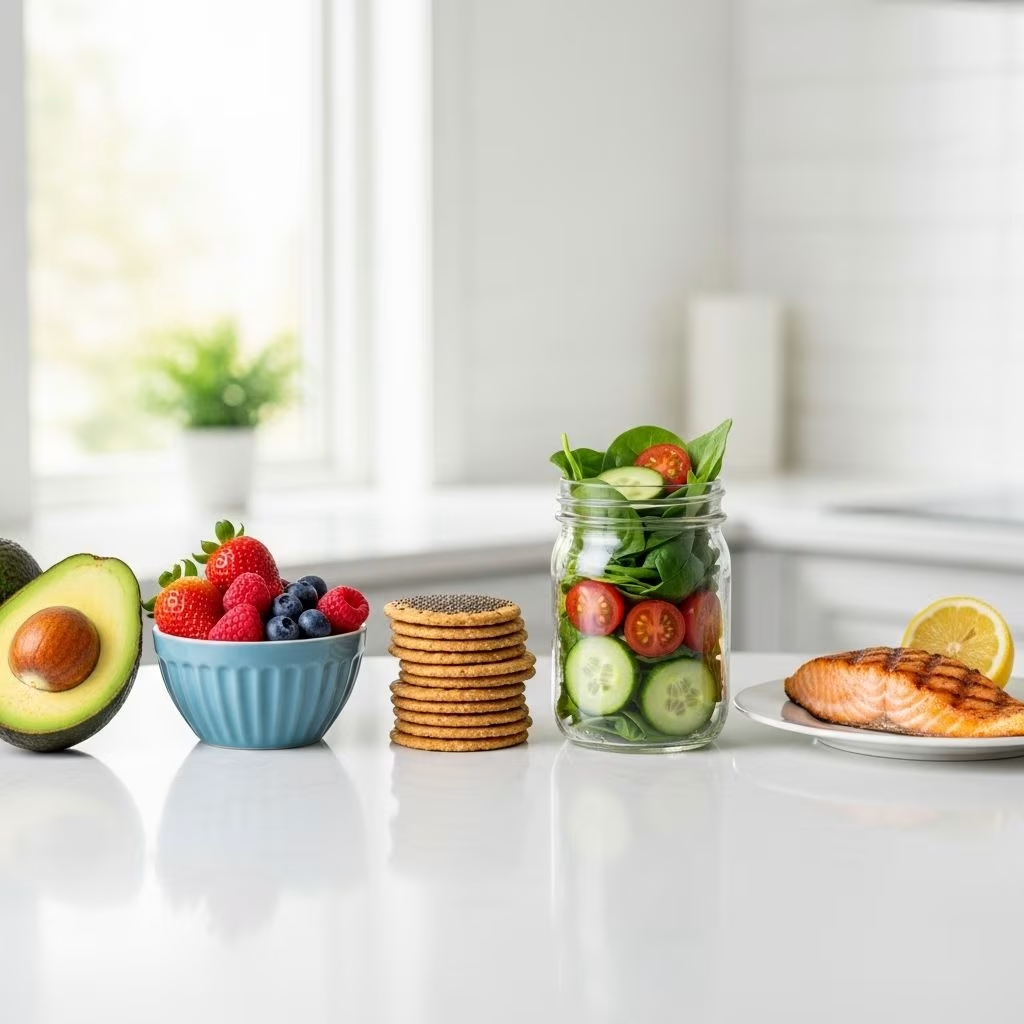
5 Proven Ways to Make Better Food Choices—According to Nutritional Psychologists
Making better food choices is a challenge many face daily, whether the goal is weight management, improved mood, or a sustainable healthy lifestyle. Recent research and expert insights in nutritional psychology illuminate how our minds influence what we eat, why we crave certain foods, and how to shift habits for lasting wellness. This article outlines five practical, research-backed strategies—from understanding your eating triggers to reshaping your food environment—for smarter, happier, and healthier food decisions.
Understanding How Psychology Shapes Your Diet
Nutritional psychology explores the intricate links between what we eat and our mental and emotional well-being. Dietary behaviors are not just driven by hunger or nutrition, but by complex psychological, social, and environmental factors that influence every food choice.
According to psychological research, intentions, confidence, and perceived control are major predictors of healthy eating habits. Building awareness of your mental patterns and intrinsic motivations can guide sustainable changes, making healthy choices easier and more satisfying.
- Intentions: Setting strong intentions increases the likelihood you’ll stick with healthy eating goals.
- Confidence: Enhancing self-efficacy—your belief in your ability to choose wisely—can remove barriers to healthy habits.
- Social factors: Support from peers and family, plus modeling healthy behaviors, strongly affect food choices.
1. Identify Your Food Triggers
Recognizing patterns between emotions, environment, and food choices is the first step to meaningful change. Many people reach for high-calorie, processed foods in response to stress, sadness, boredom, or social cues—often unconsciously.
- Do you crave sweets when you’re stressed or have a tough day?
- Are you drawn to snacks at certain times, such as mid-afternoon or late evening?
- Do celebrations or social gatherings influence how much or what you eat?
Merely becoming aware of these triggers can interrupt automatic eating responses and create space for better choices. Keeping a food mood journal—a simple log of your emotional state and food intake—can help pinpoint your own high-risk situations. Over time, you’ll learn to identify patterns and actively choose alternatives, like fruit, yogurt, or herbal tea, rather than cookies or chips.
Practical Steps to Recognize Triggers
- Pause before eating. Ask: ‘Am I hungry, or am I responding to emotion or habit?’
- Track your urges. Note what, when, and why you eat for several days.
- Replace, don’t restrict. Swap out comfort foods for healthier options that still satisfy emotional needs.
2. Make Healthy Foods the Easy Default
The psychology of food choice reveals that convenience and accessibility strongly influence our diets. When healthy foods are more visible, readily available, and easier to prepare than processed alternatives, we’re far more likely to choose them.
Strategies to Enhance Access to Healthy Foods
- Stock up on pre-cut fruits, vegetables, and healthy snacks.
- Prep healthy meals ahead of time—like salads, hard-boiled eggs, or overnight oats.
- Place nutritious foods at eye level in the fridge or pantry. Out of sight truly is out of mind.
- Limit ultra-processed options. Reduce the presence of chips, cookies, and sodas by buying smaller amounts or keeping them out of immediate reach.
- Keep portioned snacks handy. Prepare snack bags with nuts, carrot sticks, or whole fruit for quick grabs.
This approach leverages ‘choice architecture’—reshaping your environment so good choices are automatic and effortless. The less friction or effort required to eat healthy, the higher your success rate.
3. Shop and Eat Mindfully
Much of what we eat is determined long before meal time—often at the grocery store, or when distracted by screens, multitasking, or rushing through meals. Mindful eating is about intentional decisions, slow consumption, and full awareness of the process.
Shopping Tips to Support Healthy Eating
- Make a grocery list with specific healthy items before entering the store.
- Never shop while hungry—hunger biases your choices toward quick-fix, processed foods.
- Plan meals for the week in advance to avoid impulse purchases.
At mealtime, practicing mindful eating means tuning in to feelings of hunger, fullness, and emotional states:
- Sit down at a table without distractions.
- Notice the taste, texture, and aroma of your food.
- Chew slowly and pause between bites.
- Stop when you feel satisfied—not stuffed.
Studies reveal that mindful eating helps regulate cravings, reduces binge or stress eating, and increases satisfaction from healthier foods.
4. Leverage Healthy Fats and Nutrient-Rich Foods
Healthy fats and whole foods are essential for satiety, stable energy, and improved mental health. Foods containing good fats—such as avocados, nuts, seeds, free-range eggs, and extra-virgin olive oil—not only keep you full longer but also provide nutrients directly linked to improved mood and cognitive performance.
- Incorporate healthy fats into every meal. For example, add nut butter to oatmeal, pesto to whole grain pasta, or sliced avocado to salads.
- Choose nutrient-dense snacks such as fruit with nuts, veggies with hummus, or whole grain toast with peanut butter.
- Focus on food quality rather than calories alone—high-quality foods high in vitamins and minerals support both physical and mental well-being.
Contrary to popular belief, research shows that eating vegetables and fruits has an immediate positive impact on happiness—often on par with or exceeding the hedonic pleasure derived from sweets or processed snacks.
5. Build Confidence and Self-Efficacy
Possibly the most powerful driver of healthy eating is the confidence in your own ability to make good choices day after day. Psychological factors—especially self-efficacy and perceived control—directly predict dietary success. When you feel capable and prepared, healthy eating becomes easier and more consistent.
Boosting Self-Efficacy for Healthier Choices
- Set realistic, achievable goals. Small changes—like one extra serving of vegetables daily—build momentum.
- Track progress and celebrate wins to reinforce your efforts.
- Learn new recipes and quick meal-prep hacks to reduce barriers like time, cost, or taste preferences.
- Seek peer and family support; share your goals and enlist others for accountability.
Interventions that foster such confidence—like family-based strategies or multi-level support systems—are often more successful than those focused solely on individual willpower.
How Nutritional Psychology Links Food, Mood, and Well-Being
Emerging research in nutritional psychology and psychiatry finds that the right food choices aren’t just about long-term disease risk or weight—they immediately impact mood, happiness, and cognitive sharpness. High-quality diets support mental clarity, resilience to stress, and overall well-being, while ultra-processed diets often increase the risk of anxiety, depression, and unstable energy.
Key Takeaways from Leading Studies:
- Vegetable consumption contributes most to immediate happiness during meals.
- ‘Healthy’ foods (fruits, vegetables) can be as pleasurable as ‘unhealthy’ ones like sweets or pastries.
- Making better choices is a long-term investment in both physical and mental health.
Table: Common Food Triggers vs. Healthier Substitutions
| Trigger Food | Why We Crave It | Healthier Alternative |
|---|---|---|
| Potato Chips | Stress, boredom, needing crunch | Popcorn, carrot sticks, homemade veggie chips |
| Chocolate Bars | Need quick energy, low mood | Dark chocolate, fruit, nuts |
| Ice Cream | Desire for comfort, sadness | Frozen yogurt, smoothie bowl |
| Cookies | Habit during work or study | Whole grain crackers, apple slices, nut butter toast |
Frequently Asked Questions (FAQs)
Q: How can I stop craving unhealthy foods?
A: Reduce exposure and practice replacing them with healthier choices. As you consistently cut back, cravings typically decrease dramatically because you’re not reinforcing addictive patterns.
Q: Are healthy foods really as satisfying as sweets?
A: Studies show fruits and vegetables provide comparable happiness as sweets or processed snacks. Over time, taste preferences shift and healthy foods become more satisfying.
Q: Why is it important not to shop while hungry?
A: Hunger distorts judgment and increases impulse buying, especially of high-calorie, processed foods. Shopping after a meal helps you stick to your list and nutrition goals.
Q: Can planning meals help me eat better?
A: Absolutely. Planning reduces impulsivity, ensures healthy options are available, and directly supports nutrition targets.
Q: How is food linked to mental health?
A: High-quality diets—rich in vegetables, fruits, lean proteins, and healthy fats—support emotional stability, lower risk of depression, and enhance cognitive function. Diets high in processed foods make these outcomes less likely.
Action Plan: Creating Lasting Change
- Become aware of your triggers and environment.
- Make healthy choices easier with prep and planning.
- Set realistic goals and monitor your progress.
- Practice mindful shopping and eating—both slow down habits and improve quality.
- Prioritize foods high in nutrients and healthy fats for satisfaction and well-being.
Making better food choices involves understanding your motivations, planning around obstacles, and building self-confidence—a process supported by both nutritional psychology and stepwise habit change. As you apply these strategies, remember that each healthy decision is an investment in both a happier present and a healthier future.
References
- https://www.nature.com/articles/s41598-017-17262-9
- https://www.mcleanhospital.org/essential/nutrition
- https://pmc.ncbi.nlm.nih.gov/articles/PMC4632444/
- https://pmc.ncbi.nlm.nih.gov/articles/PMC9573739/
- https://www.health.harvard.edu/blog/nutritional-psychiatry-your-brain-on-food-201511168626
- https://health.clevelandclinic.org/eating-habits-and-the-psychology-of-food
- https://www.healthknowledge.org.uk/public-health-textbook/disease-causation-diagnostic/2e-health-social-behaviour/social-behavioural-determinants


