


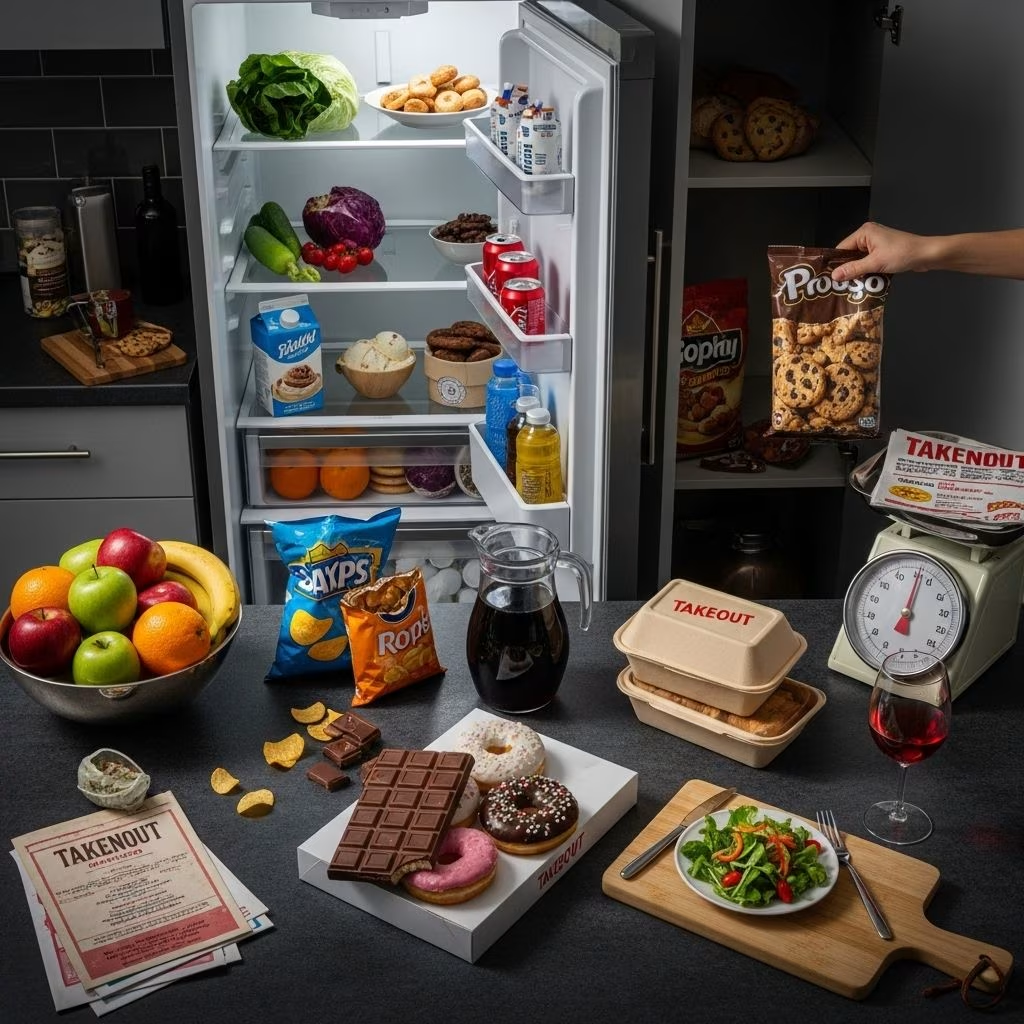
9 Hidden Ways Your Kitchen Is Sabotaging Your Weight Loss
Your kitchen, often considered the heart of the home, may quietly be undermining your weight loss efforts. The environment in which you prepare and consume food can shape your eating behaviors in subtle but powerful ways. Everything from plate size to pantry order to lighting has been shown to affect what—and how much—you eat. Instead of focusing only on willpower or dieting, it pays to examine and optimize your kitchen environment. Here are nine surprising ways your kitchen could be sabotaging your waistline, and evidence-based strategies to get back on track.
1. Oversized Plates Encourage Overeating
One of the most overlooked influences on eating is the size of your dinnerware. Since the 1970s, the average dinner plate has grown by about 25%, now often 12 inches or more in diameter. Research shows that when given a larger plate, people typically serve themselves and consume more food—sometimes 22% more calories per meal. This seemingly small difference can result in significant extra calorie uptake over weeks and months, quietly sabotaging your weight loss progress.
- Opt for smaller plates: Using plates roughly 2 inches smaller can help you serve and ingest fewer calories without feeling deprived. This change alone may help you lose up to 2 pounds per month.
- Choose contrasting colors: Plates that contrast with the color of your food can help you better recognize portion sizes, curbing unintentional overeating.
2. Easy-Access Junk Food Fuels Mindless Snacking
If cookies, chips, and sweets are the first thing you see when you enter your kitchen, you’re far more likely to snack impulsively. Studies reveal that people are more inclined to reach for high-calorie, processed snacks if they’re displayed in clear containers on the counter or within easy reach. Researchers found that keeping visible candy dishes in the open leads to extra daily consumption—often noticed only once the scale tips upward.
- Store temptations out of sight: Place high-calorie foods in opaque containers and store them on high shelves or at the back of the pantry.
- Make healthy options visible: Put bowls of fruit and pre-cut veggies front and center on counters or at eye-level in the fridge to nudge healthier choices.
3. Counter Clutter Triggers Stress Eating
A messy kitchen is more than an eyesore—it can also undermine self-control. Cluttered countertops and crowded tables not only make cooking daunting but also promote stress. Elevated stress hormones like cortisol increase appetite and cravings for high-fat, sugary foods. In addition, visual clutter can cue the brain to seek immediate pleasure, making it much easier to grab unhealthy snacks over preparing nutritious meals.
- Clear the counters: Designate specific spots for mail, keys, and paperwork, and keep the main work surfaces tidy for meal preparation.
- Separate eating zones: Use placemats or table settings to set aside one area for eating only, so your mind associates the space with nourishment rather than multitasking or stress.
4. Wide Glasses Lead to Bigger Pours
The shape and size of your glassware can influence how much you drink, especially sugary beverages and alcohol. Wide, short glasses make portions appear smaller than they are, so you may end up pouring and drinking more than intended. People typically pour 20% to 30% more into wide tumblers compared to tall, narrow glasses, inadvertently increasing calorie intake from drinks alone.
- Choose tall, narrow glasses: These make standard servings look larger, encouraging you to pour and drink less.
- Use measuring cups: Occasionally measure standard servings to reset your sense of volume, especially for calorie-rich drinks.
5. Poor Pantry Organization Promotes Cravings
Many people unconsciously reach for snacks based on what’s at the front of their pantry or fridge. Highly processed foods in easy-to-grab packaging can act as a trigger for cravings and impulse eating. By contrast, healthier options like fruits, yogurt, and lean proteins are often hidden or require extra effort to access.
- Reengineer your shelves: Keep healthy foods at eye level, and store high-calorie snacks in harder-to-reach places.
- Prep a snack bucket: Create a container with grab-and-go healthy snacks—such as yogurt cups, cheese sticks, or fresh-cut fruit—and keep it in the front of the fridge.
6. Harsh, Bright Lighting Promotes Mindless Eating
The lighting in your kitchen and dining area affects not just mood, but also appetite and speed of eating. Bright, harsh lights can make you eat faster and miss fullness cues, while soft, dim lighting helps slow eating and enhances food enjoyment. According to studies, diners in softly-lit rooms consume around 14% less food and report greater meal satisfaction.
- Use adjustable lighting: Add dimmers or candles to the dining area for a calming ambiance that encourages slower, more mindful eating.
- Brighten prep zones: Ensure the kitchen is well-lit for meal prep so you can safely and confidently prepare healthy meals.
7. Oversized Kitchens Encourage More Eating Activities
Today’s kitchens are about 50% larger than they were three decades ago, making them activity hubs for socializing, bill-paying, and watching TV. These multitasking spaces blur the boundaries between eating and other activities, fueling habit-driven eating. Research shows that people who eat while distracted (such as in front of the TV or computer) can consume up to one extra meal’s worth of calories daily.
- Limit distractions at meals: Avoid screens or multitasking while eating to improve awareness, savor food, and better recognize fullness.
- Designate eating-only zones: Reserve a portion of the kitchen or dining table specifically for meals; make it inviting to encourage intentional, relaxed eating.
8. Lack of Designated Meal Space Leads to Overeating
Frequently eating while standing, at the counter, or on the go can lead to passive overeating and missed fullness cues. When eating is combined with other activities—like prepping meals, packing lunches, or doing paperwork—it’s easy to lose track of portions and keep nibbling long after you’re satisfied.
- Stick to one spot: Select a designated place for all meals and snacks, sit down, and focus fully on your food.
- Eliminate background tasks: Finish chores, prepping, or tidying before you eat to reduce distractions.
9. Forgotten Fridge Contents Encourage Waste—and Bad Choices
Items tucked away in the back of your fridge are more likely to go bad, fueling food waste and last-minute unhealthy eating—like ordering takeout when you’re short on time. An empty or disorganized fridge can leave you feeling deprived and encourage convenience eating, which often means high-calorie, processed foods.
- Practice the ‘first in, first out’ rule: Rotate older items to the front when stocking groceries, and keep healthy staples in clear view.
- Do a weekly fridge audit: Plan meals around what you have to minimize waste and always have nutritious options ready to eat.
Table: Common Kitchen Pitfalls and Simple Fixes
| Kitchen Saboteur | How it Harms Weight Loss | Quick Fix |
|---|---|---|
| Large Plates | Leads to oversized portions and excess calories | Switch to smaller plates (9–10 inches) |
| Visible Junk Food | Triggers cravings, fuels snacking | Store treats out of sight, healthy foods within reach |
| Cluttered Countertops | Raises stress, encourages impulsive eating | Keep counters clear except for select healthy items |
| Poor Lighting | Speeds up eating, reduces meal enjoyment | Use soft lighting while dining, bright for prep |
| Oversized Kitchen | Increases time spent where food is present; multitasking fosters mindless eating | Eat at a set table, limit non-eating activities in the kitchen |
Frequently Asked Questions (FAQs)
Q: How does plate size impact weight loss?
A: Larger plates encourage bigger servings and lead to higher calorie intake before you feel full. Switching to plates 2 inches smaller typically results in consuming 20% fewer calories per meal.
Q: Why should I keep unhealthy snacks out of sight?
A: Keeping junk food visible or within reach makes it more likely you’ll eat impulsively. Storing these items in opaque containers or out of reach helps disrupt the habit, making healthy choices easier.
Q: Can kitchen lighting truly affect how much I eat?
A: Yes. Studies show that dimmer, softer lighting slows eating speed and enhances satisfaction, causing people to eat less, whereas harsh lighting may prompt faster, less mindful eating.
Q: Does pantry and fridge organization really matter?
A: Absolutely. People tend to eat what they see first. Positioning healthy foods in visible, easy-to-grab spots encourages better choices and reduces the reach for unhealthy snacks.
Q: Is it bad to eat while multitasking in the kitchen?
A: Yes. Eating while distracted by chores, screens, or other activities leads to consuming up to 15% more calories per meal. Focusing solely on your meal increases satiety and supports weight management.
Final Tips for a Weight-Loss Friendly Kitchen
- Regularly assess your eating environment and make small adjustments to support your goals.
- Get the whole household involved in healthy kitchen practices for shared success.
- Remember: what you see, how you serve it, and where you eat all shape your daily habits more than sheer willpower alone.
By taking charge of your kitchen setup and everyday habits, you turn your home into your best ally on the journey to sustainable weight loss.
References
- https://www.prevention.com/weight-loss/a20437196/how-your-kitchen-sabotages-weight-loss/
- https://www.prevention.com/weight-loss/g20514884/organize-kitchen-for-weight-loss/
- https://www.prevention.com/weight-loss/g20498928/mistakes-that-sabotage-weight-loss/
- https://www.prevention.com/weight-loss/a20440490/thoughts-that-sabotage-weight-loss/
- https://www.prevention.com/weight-loss/a20459548/weight-loss-sabotage-from-friends-and-family/
- https://www.prevention.com/weight-loss/a20444718/the-wrong-type-of-carbs-can-sabotage-weight-loss/
- https://www.prevention.com/weight-loss/a20484398/4-gluten-free-ingredients-that-sabotage-weight-loss/
- https://www.prevention.com/weight-loss/a20446294/losing-weight-at-any-age/
- https://www.prevention.com/food-nutrition/healthy-eating/g20428692/calorie-cutting-kitchen-tools-for-weight-loss/
- https://www.mayoclinic.org/healthy-lifestyle/weight-loss/in-depth/weight-loss/art-20047342


