


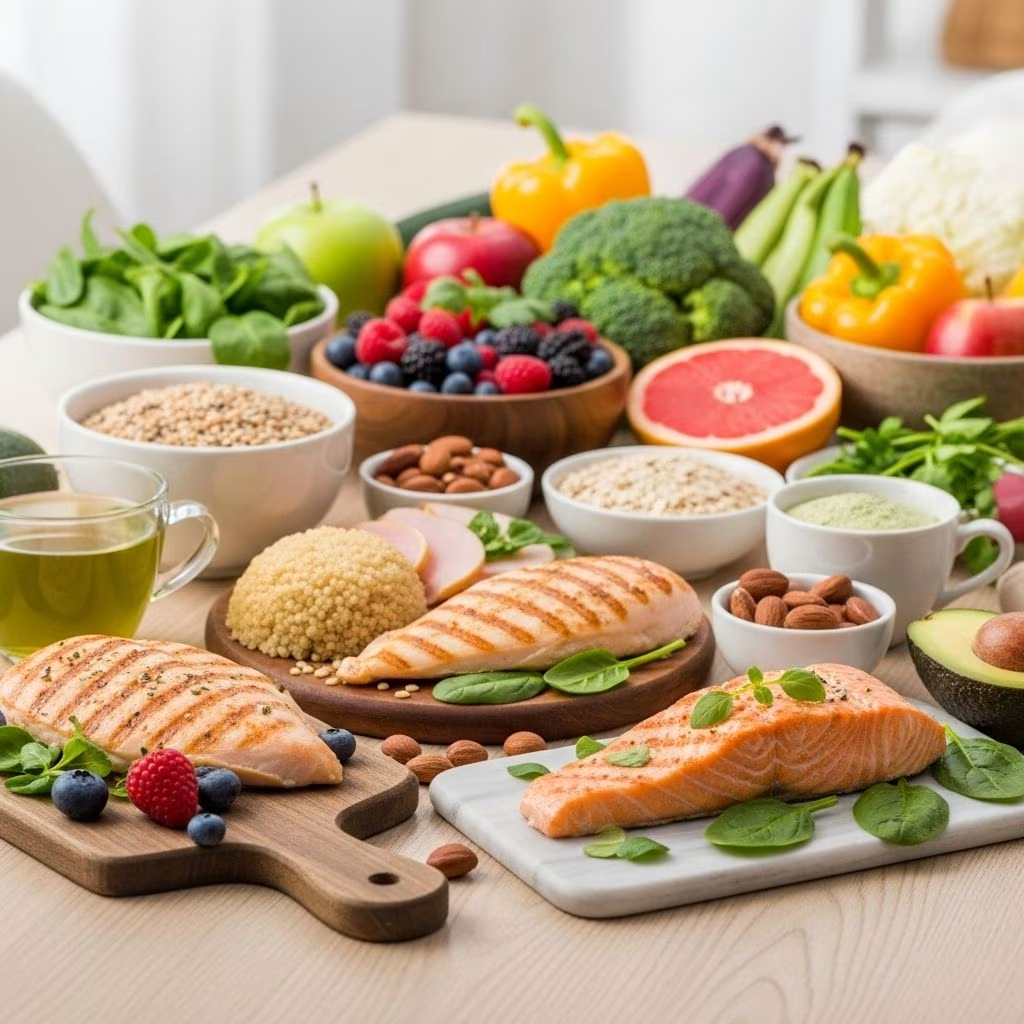
If you’ve ever struggled with slow weight loss or persistent energy slumps, a sluggish metabolism could be holding you back. Fortunately, the High Metabolism Diet (also known as the Fast Metabolism Diet) offers a structured, science-backed approach to revving up your metabolic engine. In this article, you’ll learn how this diet works, the underlying principles, breakdown of daily and weekly eating plans, and actionable strategies to help you achieve sustainable weight loss and renewed vitality.
Understanding Metabolism and Weight Loss
Metabolism refers to all the chemical processes that occur within your body to convert food into energy. A faster metabolism means your body can more efficiently burn calories, both at rest and during activity, making it easier to lose excess weight and maintain energy levels throughout the day. Several factors—age, muscle mass, activity level, and hormone balance—influence your metabolic rate. Fortunately, targeted nutrition and lifestyle changes can help optimize your metabolism for weight loss success .
What Is the High Metabolism Diet?
The High Metabolism Diet (HMD), popularized by nutritionists and widely practiced as the Fast Metabolism Diet, is a four-week plan designed to “reset” your metabolism by cycling through specific phases of eating. Instead of tightly restricting calories, the diet focuses on rotating food types, macronutrient balance, and meal timing to stimulate different metabolic pathways and prevent dietary stagnation .
- Emphasizes whole, mostly unprocessed foods
- Eliminates processed sugars, soy, wheat, and artificial sweeteners
- Cycles through distinct phases, each with its targeted nutritional profile
- Paired with personalized exercise routines to increase calorie burn
The Science Behind the High Metabolism Diet
This diet is grounded in metabolic flexibility—your body’s ability to efficiently switch between carbohydrate and fat burning for fuel. The HMD aims to encourage this adaptability by varying what you eat and when.
- Carbohydrate-rich phases help increase insulin sensitivity and refill glycogen stores
- Protein-focused phases support muscle repair, growth, and ongoing energy expenditure
- Healthy fat phases stimulate hormone production and enhance fat burning capacity
The cycle keeps your metabolism “on its toes,” reducing the risk of plateaus that often occur with traditional diets .
The Four Phases of the High Metabolism Diet
The HMD is divided into three main phases each week (plus an optional transition phase), with each phase designed to activate your metabolism in a unique way. Here’s an in-depth look at each phase:
Phase 1: Carbohydrate Loading (Monday–Tuesday)
- Focus: High-glycemic, high-carbohydrate foods (whole grains, fruits, starchy vegetables)
- Moderate protein, very low fat
- Objective: Boost energy, reduce cortisol (stress hormone), prime metabolism for fat burning
Sample foods: Brown rice, quinoa, sweet potatoes, pineapple, apples, leafy greens, lean poultry
Phase 2: Protein and Veggie Power (Wednesday–Thursday)
- Focus: Lean proteins and non-starchy vegetables, extremely low carbs and fats
- Objective: Maximize fat burning by forcing your body to use fat stores for energy; support muscle retention
Sample foods: Egg whites, turkey, chicken breast, leafy greens, broccoli, cucumbers, asparagus
Phase 3: Healthy Fat Integration (Friday–Sunday)
- Focus: Healthy fats, moderate protein, low carbohydrates
- Fats from sources like avocados, nuts, seeds, and olive oil
- Objective: Promote fat burning, stabilize hormones, support overall nourishment
Sample foods: Salmon, avocado, almonds, olives, sunflower seeds, eggs
Transition Phase (Post-Week 4)
- All food groups are reintroduced gradually
- Focuses on sustainable, nutritionally balanced eating for long-term metabolic health
The cycle then repeats for a minimum of four weeks, although many people continue longer as a lifestyle plan .
Sample Weekly Meal Plan Table
| Phase | Days | Main Foods | Goals |
|---|---|---|---|
| Phase 1 | Mon–Tue | Whole grains, fruits, lean protein | Increase energy, boost glycogen, lower stress |
| Phase 2 | Wed–Thu | Lean protein, vegetables | Maximize fat burning, preserve muscle |
| Phase 3 | Fri–Sun | Healthy fats, moderate protein, low grain/carbs | Burn fat, balance hormones, nourish body |
Essential Rules of the High Metabolism Diet
- Eat five times per day (three meals plus two snacks)
- Never skip breakfast; eat within 30 minutes of waking
- Follow each phase’s food lists strictly: avoid soy, wheat, corn, refined sugar, dairy, alcohol, and caffeine
- Drink at least half your body weight (in pounds) in ounces of water daily
- Pair each phase with specific types of exercise (cardio in Phase 1, strength in Phase 2, de-stressing fitness like yoga in Phase 3)
- Stick to the phase schedule for optimal hormonal and metabolic effect
Benefits of the High Metabolism Diet
- Enhanced weight loss by keeping the metabolism active and adaptable
- Improved nutrient absorption via focus on whole, unprocessed foods
- Increased energy and fewer crashes thanks to balanced macro-nutrient cycling
- Greater muscle retention, which promotes long-term metabolic health
- Support for hormonal balance and healthy stress levels
- Better gut health and immune support through higher fiber and phytonutrient intake
- Long-term habit building for sustainable success
Potential Downsides and Challenges
- Strict food rules and cycling phases demand conscious planning and tracking
- Social and lifestyle challenges due to restricted food groups (no caffeine, processed treats, etc.)
- Risk of micronutrient gaps if food selection is not varied within approved lists; supplementation may be necessary
- The plan may not be suitable for those with certain medical conditions, food allergies, or pregnant women
Top Foods for a Fast Metabolism
- Lean proteins: chicken, turkey, fish, egg whites, bison
- Complex carbohydrates: brown rice, quinoa, oats, sweet potatoes, beans
- Fresh fruit: apples, oranges, berries, pineapple, mango
- Vegetables: leafy greens, broccoli, bell peppers, cucumbers
- Healthy fats: avocado, olive oil, nuts, seeds, salmon
Note: Always refer to the approved food list for each phase before planning your meals.
Lifestyle Tips to Amplify Your Metabolism
- Stay hydrated: Water is essential for metabolizing stored fat and supporting digestive efficiency
- Move frequently: Incorporate daily movement, exercise, and take regular activity breaks
- Get enough sleep: Poor sleep is linked to slower metabolism and increased cravings
- Manage stress: Chronic stress raises cortisol levels, which slows metabolism and promotes fat storage
- Customize your workouts: Alternate between cardio, strength, and flexibility routines to maximize metabolic adaptation
Frequently Asked Questions (FAQs)
Q: What makes the High Metabolism Diet different from other diets?
A: The key difference lies in its cyclical phases, each targeting a unique aspect of your metabolism, rather than sticking to one strict nutritional profile. The structured food rotation helps prevent plateaus and supports diverse nutrient intake .
Q: Will I have to count calories?
A: No. The HMD focuses on food types, timing, and phase cycles rather than calorie counting. The natural restriction of certain foods helps create the necessary calorie deficit for weight loss .
Q: Can I caffeinate on this diet?
A: No—caffeinated drinks, including coffee and black tea, are not permitted as they can disrupt hormone cycles and sleep patterns that support metabolic health .
Q: How quickly will I see results?
A: Some participants report noticeable changes within the first four weeks, including accelerated fat loss and improved energy. For lasting benefits, consistency beyond the initial cycle is encouraged .
Q: Who should NOT try this diet?
A: Those with certain medical conditions (such as kidney disease or diabetes), pregnant women, or individuals with a history of eating disorders should consult their healthcare provider before starting the HMD.
Expert Tips for long-term Success
- Batch cook and prep HMD-compliant meals in advance to stay on track
- Journal your energy levels and cravings throughout each phase
- Find supportive communities or nutrition coaches for accountability
- Use herbs, spices, and citrus to create variety without breaking the rules
- After completing the initial four weeks, plan a gentle transition to a balanced eating style that incorporates what you’ve learned
Final Thoughts: A Pathway to a Healthier Metabolism
The High Metabolism Diet offers a structured, actionable plan for those looking to break out of slow weight loss cycles and reignite their body’s natural calorie-burning processes. By cycling through food types, prioritizing whole ingredients, and timing nutrients strategically, you can naturally accelerate your metabolism—no fads or dangerous gimmicks required.
If you’re ready for a lifestyle-change that aligns with your body’s biology, begin the High Metabolism Diet with a focus on mindful meal prep, phase cycles, and consistent movement. As always, consult a healthcare provider before beginning any new diet, especially if you have pre-existing health concerns.
References
- https://www.healthline.com/nutrition/fast-metabolism-diet-review
- https://getcurex.com/weight-loss-blog/the-fast-metabolism-diet-guide-rules-benefits-foods-to-eat
- https://squatwolf.com/blogs/nutrition/the-fast-metabolism-diet
- https://legacyclinicofchiropractic.com/wp-content/uploads/2020/09/fastmetadiet.pdf
- https://pmc.ncbi.nlm.nih.gov/articles/PMC5783752/
- https://www.health.harvard.edu/staying-healthy/the-truth-about-metabolism
- https://www.unitypoint.org/news-and-articles/12-metabolism-boosting-foods-to-aid-weight-loss


