


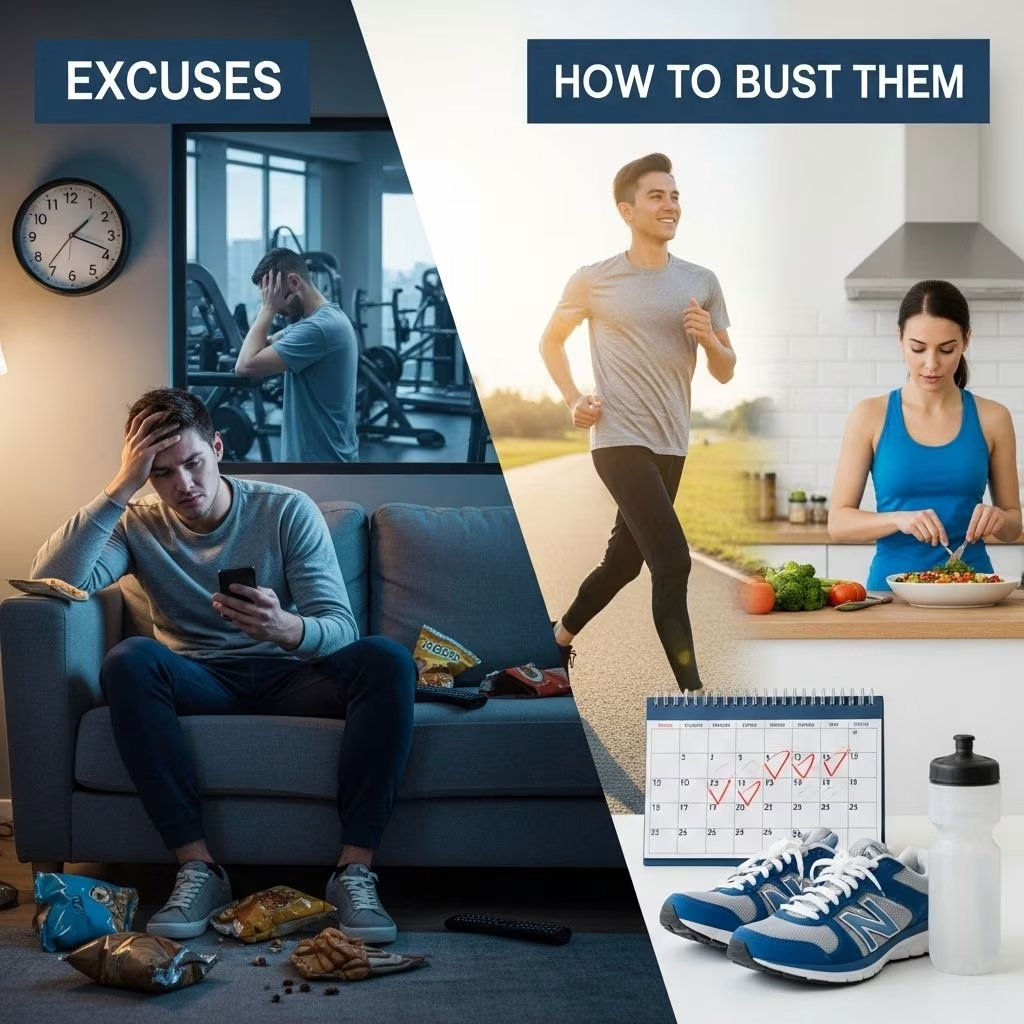
If you’ve ever found yourself stuck in a cycle of promising to start a new diet or exercise plan but falling off track because of lingering doubts or convenient rationalizations, you’re not alone. Letting flimsy excuses dictate your health journey is more common than you think—but it doesn’t have to be this way.
This article tackles six of the most prevalent diet and exercise excuses, breaking down each one, debunking the underlying myth, and providing practical, science-backed solutions to help you build consistent, effective habits for a healthier life.
1. “I Don’t Have Time to Work Out”
Why it’s popular: The demands of work, family, and social life can make it feel impossible to squeeze in a workout. With busy schedules, exercise often falls to the bottom of the to-do list.
Why This Excuse Falls Apart
- Physical activity doesn’t require a one-hour daily commitment. In fact, research shows even short bouts—like a 10-minute walk or some quick stretches—offer substantial health benefits.
- Small increments of movement throughout the day add up: take the stairs, walk during phone calls, or do bodyweight exercises at home.
- Quality and consistency matter more than duration. Studies confirm that regular, moderate exercise yields significant benefits for physical and mental well-being.
Actionable Strategies
- Schedule exercise like any other important appointment. Block off time in your calendar and treat it as non-negotiable.
- Integrate movement into daily tasks: walk or bike instead of driving short distances, try desk stretches, or use lunch breaks for a brisk walk.
- Remember: Even 20 minutes of movement—dancing, jogging, yoga—delivers real health gains.
2. “Healthy Food Is Too Expensive”
Why it’s popular: Many believe that eating healthy means shopping exclusively at specialty stores or buying organic everything, driving up grocery bills.
Why This Excuse Falls Apart
- You do not have to buy pricey superfoods or premium brands to eat well.
- Staple healthy foods—beans, lentils, oats, frozen vegetables, brown rice, whole grain pasta—are both budget-friendly and nutritious.
- Shopping smart, using lists, and planning meals curbs waste and keeps costs down.
- Many convenience and processed foods, when bought frequently, can be more expensive over time than home-cooked meals.
Actionable Strategies
- Plan meals ahead: Make a weekly menu and shopping list based on sales and in-season produce.
- Buy in bulk, especially dry goods like beans, rice, and whole grains.
- Choose generic or store-brand items and frozen produce to maximize value without sacrificing nutrition.
- Cook extra portions to use for future meals, reducing the temptation to eat out.
3. “I’m Too Tired to Exercise”
Why it’s popular: A long day at work, lack of sleep, or overwhelming stress can make exercise seem like an impossibility.
Why This Excuse Falls Apart
- Exercise actually boosts energy—not drains it. Physical activity releases endorphins, improves mood, and can increase alertness, even after a poor night’s rest.
- Light or moderate exercise can help reduce fatigue and may support better sleep quality in the long run.
- Movement relieves stress and mental exhaustion, making you feel more refreshed and less sluggish.
Actionable Strategies
- Start small—even a five- to ten-minute walk counts. Once you’re moving, you’ll often naturally want to go further.
- Try exercising at different times (morning, lunch, evening) to find your best energy window.
- Use music, a workout buddy, or group classes to boost motivation on sluggish days.
4. “I’ve Tried Everything and Just Can’t Lose Weight”
Why it’s popular: Frustration from repeated failed attempts or plateaus can make people feel destined to remain stuck, no matter what they do.
Why This Excuse Falls Apart
- Weight loss is rarely linear. Everyone’s body responds differently to dietary changes and exercise.
- Plateaus are normal and can happen for physiological reasons: metabolism adjusts, water retention fluctuates, or you gain muscle while losing fat.
- Yo-yo diets and extreme restrictions typically fail; sustainable, gradual changes lead to lasting results.
- Genetics influence your set point, but healthy habits can still improve your health, fitness, and how you feel.
Actionable Strategies
- Focus on overall well-being—increased energy, improved mood, better sleep—rather than the number on the scale.
- Track your long-term progress in multiple ways: measure strength, endurance, body measurements, and how your clothes fit.
- Be patient. Lasting weight loss is a result of consistent, sustainable lifestyle changes—not quick fixes.
- Seek support from a registered dietitian or a certified personal trainer for tailored guidance.
5. “I Can’t Give Up My Favorite Foods”
Why it’s popular: Many diets promise results but require ditching beloved foods—bread, dessert, pizza—which can seem impossible to sustain and enjoyable to abandon.
Why This Excuse Falls Apart
- Strict deprivation usually backfires, leading to cravings, bingeing, or giving up completely.
- Sustainable changes incorporate your favorite treats in moderation, reducing the mental “forbidden fruit” effect.
- Learning to enjoy treats mindfully—without guilt—can improve your relationship with food and make healthy eating a lasting habit.
Actionable Strategies
- Allow indulgences: Plan occasional treats to avoid feelings of restriction.
- Practice mindful eating—savor the flavors, eat slowly, and pay attention to satisfaction and fullness cues.
- Experiment with healthier versions of favorites: baked fries, homemade pizza on whole wheat crust, or yogurt parfaits for dessert.
6. “I’ll Start Tomorrow (or Monday, or Next Month)”
Why it’s popular: Procrastination is powerful, especially when habit change feels overwhelming. The temptation to delay often wins over taking imperfect action today.
Why This Excuse Falls Apart
- Waiting for the “perfect” time to start is a classic trap that prevents progress; there’s rarely an ideal moment for big changes.
- Small steps—taken right now—are far more effective than ambitious plans forever postponed.
- Progress, not perfection, is the goal. Tiny improvements add up to huge results over time.
Actionable Strategies
- Set a mini-goal for today: swap one sugary drink for water, add a serving of vegetables, or walk around the block.
- Reframe stumbles: One off-day does not undo progress. What matters is getting back on track quickly.
- Make commitments public—tell a friend or post your goal on social media for added accountability.
Quick Reference Table: Excuse vs. Reality
| Excuse | Debunked Reality | Starter Solution |
|---|---|---|
| I don’t have time | Short activity bursts count; every bit helps | Try three 10-minute walks |
| Healthy food is expensive | Staple whole foods are affordable | Plan meals, buy frozen produce |
| I’m too tired | Exercise boosts energy levels | Try gentle movement; walk, stretch |
| I’ve tried everything | Consistent, realistic changes work best | Track overall well-being, not just weight |
| I can’t give up favorites | Moderation, not deprivation, is key | Plan treats, try healthier swaps |
| I’ll start later | Imperfect action now beats perfection later | Set a tiny goal today |
FAQs About Diet, Exercise, and Motivation
Q: How much exercise do I need for real health benefits?
A: The CDC recommends at least 150 minutes of moderate-intensity aerobic activity per week, which can be broken up into short sessions—for example, 30 minutes a day, five days a week. Even small bouts count toward these totals.
Q: Is it really okay to eat treats while trying to lose weight?
A: Yes. Allowing yourself treats in moderation is more sustainable and is associated with better long-term success than strict deprivation. The key is mindful enjoyment, not guilt or all-or-nothing thinking.
Q: What if my weight loss plateaus even after healthy changes?
A: Plateaus are normal as your metabolism and body composition adjust. Focus on non-scale victories (more energy, improved mood, better sleep) and consider switching up your activity or meal plan to re-energize progress.
Q: Can I lose weight without expensive supplements or gym memberships?
A: Absolutely. Healthy food, walking, bodyweight exercises, and community resources (like parks or fitness classes) are accessible options. Supplements and fancy gyms are never required for success.
Q: I’m overwhelmed by starting over. Where should I begin?
A: Start with a single, specific action: add one fruit or vegetable per day, or commit to five minutes of stretching after waking up. Small wins build confidence and momentum.
Inspiration to Get—and Stay—On Track
- Set realistic, personalized goals that fit your lifestyle—not someone else’s rules.
- Find enjoyable activities and foods to enhance adherence and long-term motivation.
- Celebrate every victory—however small—to stay motivated and positive.
- Remember: Lasting change comes from consistency, compassion, and incremental steps.
Don’t let familiar excuses be the reason you keep spinning your wheels. With the right mindset and manageable strategies, these six excuses lose their power—revealing a path to real, sustainable health and happiness.
References
- https://recovery.wvu.edu/files/d/e5a75692-82ae-4a20-9e41-3aa690d40016/debunking-nutrition-and-exercise-myths.pdf
- https://camino.org/debunking-3-common-health-myths-chronic-disease-exercise-and-nutrition/
- https://www.nm.org/healthbeat/healthy-tips/fitness/weight-loss-misconceptions
- https://www.betterhealth.vic.gov.au/health/healthyliving/weight-loss-common-myths
- https://www.mayoclinichealthsystem.org/hometown-health/speaking-of-health/10-nutrition-myths-debunked
- https://contentcdn.eacefitness.com/assets/education-resources/lifestyle/fitfacts/pdfs/fitfacts/itemid_2677.pdf
- https://www.piedmont.org/living-real-change/6-exercise-myths-debunked
- https://www.healthywomen.org/content/blog-entry/four-common-i-hate-exercise-excuses-debunked
- https://www.loyolamedicine.org/newsroom/blog-articles/debunking-5-popular-diets
- https://shahalam.avisena.com.my/articles/12-common-fitness-myths-debunked/


